Insomnia
"In a land of eternal light, no secret stays dark."
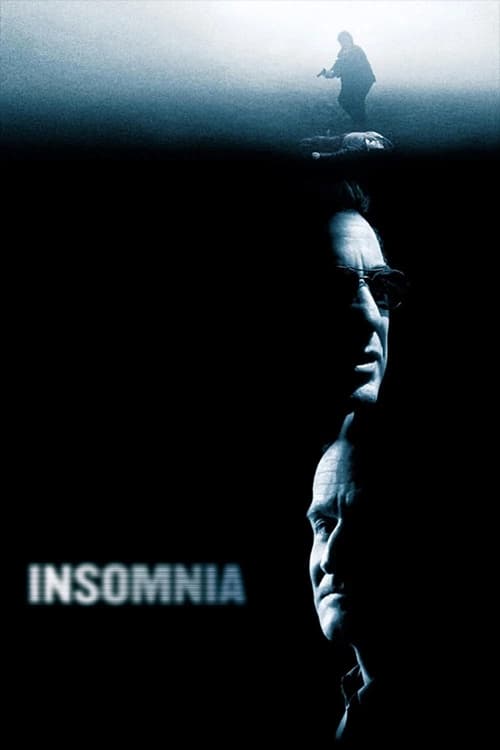
Most thrillers use the dark to hide their monsters, but Christopher Nolan realized early on that there is something far more terrifying about a world where the lights never go out. I first watched Insomnia on a Tuesday afternoon while eating a bowl of cereal that had gone tragically soggy because I got distracted by the opening credits. By the time the film ended, I’d forgotten the cereal existed, and I’m pretty sure I didn't blink for the final twenty minutes.

Released in 2002, Insomnia sits at a fascinating crossroads in cinema history. It’s the bridge between the indie-darling Nolan who gave us the non-linear puzzle of Memento and the blockbuster architect who would eventually reshape Batman. It’s also a remake of a 1997 Norwegian film, marking the only time in Nolan’s career he didn't receive a primary writing credit—though his fingerprints are all over the psychological wreckage.
The Blinding Weight of Guilt
The premise is deceptively simple: two L.A. detectives, Will Dormer (Al Pacino) and Hap Eckhart (Martin Donovan), fly up to Nightmute, Alaska, to help a local precinct solve the murder of a teenage girl. But this isn't a "fish out of water" comedy. Dormer and Eckhart are under Internal Affairs investigation back home, and the tension between them is a ticking time bomb.
When a stakeout in the thick Alaskan fog goes sideways, Dormer accidentally shoots his partner. Or was it an accident? The local prodigy cop, Ellie Burr (Hilary Swank), looks up to Dormer as a legend, but the only witness to the shooting is the killer they were supposed to be catching.
Al Pacino gives what I consider to be his last truly great, restrained performance here. Before he fully leaned into the "shouting at the furniture" era of his career, he showed us a man literally disintegrating from the inside out. As the "midnight sun" refuses to set, Dormer stops sleeping. His eyes turn into bruised pits; his movements become jerky and uncertain. Nolan and cinematographer Wally Pfister use overexposed whites and harsh, clinical lighting to make the sunshine feel like a physical assault. You don't just see his exhaustion; you feel it in your own temples.
A Different Kind of Monster
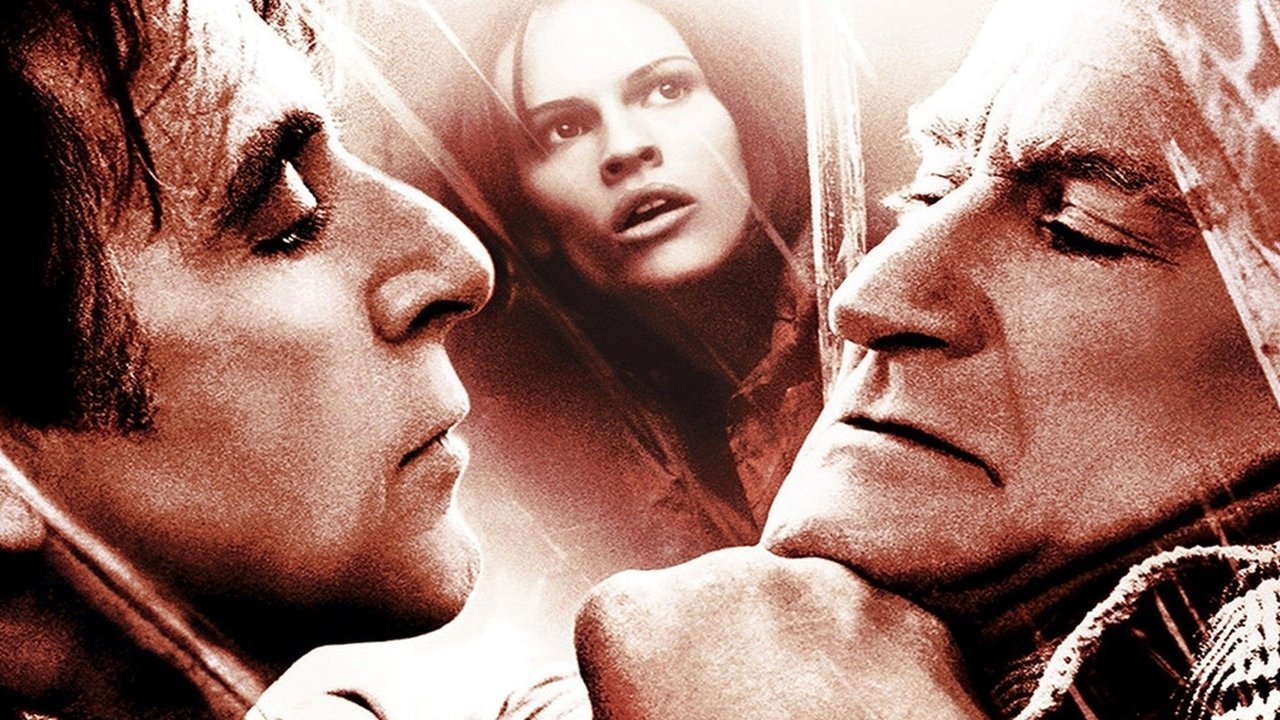
The real magic trick of Insomnia, however, is the introduction of Walter Finch. When Robin Williams finally appears on screen, the movie shifts from a standard police procedural into a high-stakes psychological chess match. At the time, seeing the world’s most manic comedian play a calculated, soft-spoken killer was a genuine shock to the system.
Williams plays Finch not as a cackling villain, but as a man who views himself as a protagonist in a different story. He’s mundane, polite, and terrifyingly reasonable. His chemistry with Pacino is electric because they aren't fighting with fists; they’re fighting over the narrative of what happened in the fog. Finch knows Dormer’s secret, and he uses it to forge a twisted bond. It’s the cinematic equivalent of being trapped in an elevator with a polite man who won't stop whispering about your deepest regrets.
Looking back from our current era of "prestige TV" and gritty reboots, Insomnia feels incredibly sturdy. It was made during that DVD-boom window where studios still took $46 million bets on adult-oriented, mid-budget dramas. It doesn't rely on CGI or world-ending stakes. It relies on the sweat on a man’s brow and the way a floorboard creaks when you’re trying to hide a gun.
The Forgotten Nolan Gem
Despite being a hit, Insomnia is often skipped over when people talk about Nolan’s filmography. It lacks the "gimmick" of Inception or the scale of Interstellar. But that’s exactly why it’s worth a revisit. It’s a masterclass in tone and pacing. Even the small roles, like Maura Tierney as the hotel owner who provides the only moment of peace for Dormer, feel lived-in and necessary.
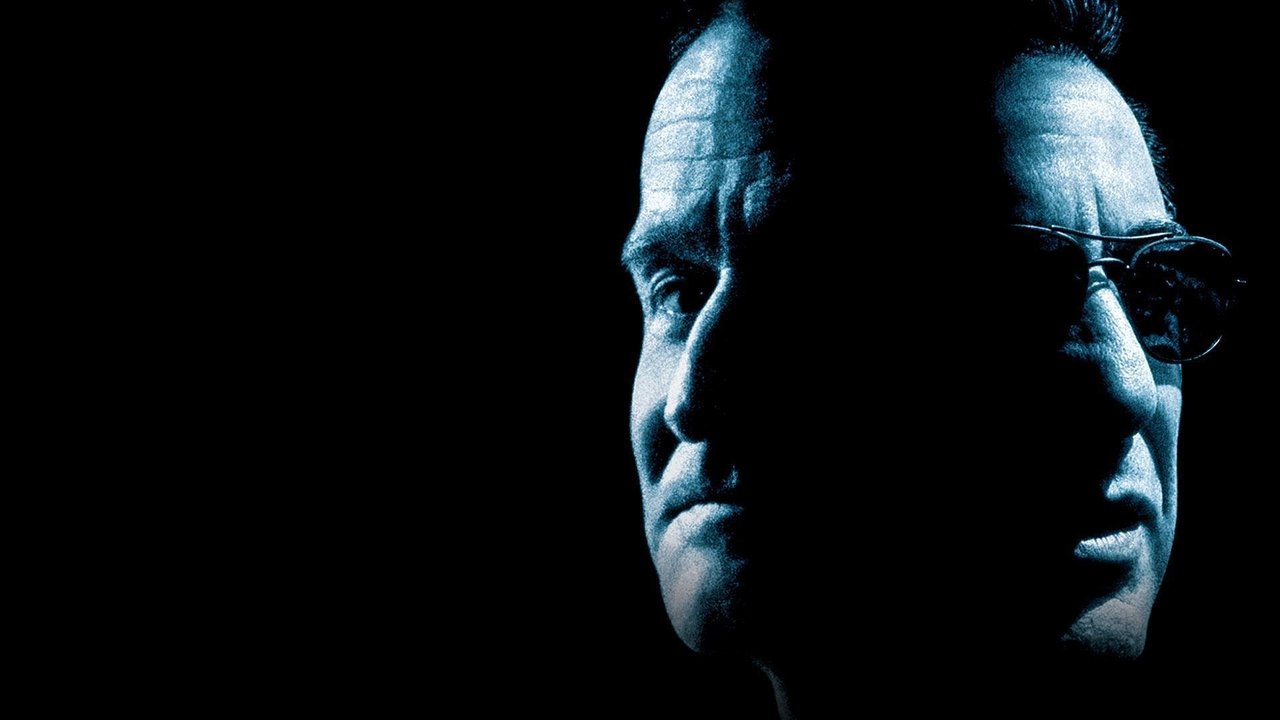
There’s a bit of behind-the-scenes trivia that I’ve always loved: Al Pacino actually tried to use a method acting approach by staying awake for long stretches to mimic Dormer's exhaustion. Eventually, Nolan had to tell him he looked too tired for the camera to pick up his expressions properly. That’s the level of commitment we’re dealing with here. Also, the film's "fog" was actually a massive array of smoke machines that were so thick they reportedly caused navigation issues for local boats near the filming site in British Columbia.
Ultimately, Insomnia isn't just about a murder; it’s about the erosion of the soul. It asks if a "good cop" can survive a bad choice, and if the truth is something we find or something we negotiate. It’s a cold, brilliant, and deeply human film that manages to be both a gripping thriller and a tragic character study. If you’ve only ever seen Nolan’s big-budget spectacles, do yourself a favor and go back to the sun-drenched streets of Nightmute. Just don't expect to sleep well afterward.
The film serves as a perfect reminder of what happens when a visionary director is given two powerhouse actors and a script that treats the audience with respect. It’s the kind of "Modern Cinema" staple that feels like it could have been made yesterday, yet it carries the weight of a classic noir. While the ending might feel a bit more "Hollywood" than the grim Norwegian original, the performances more than earn the emotional payoff. It’s a mid-budget masterpiece that we don’t see enough of in the franchise-heavy landscape of today.

Keep Exploring...
-

Batman Begins
2005
-

The Dark Knight Rises
2012
-

A History of Violence
2005
-
The Godfather Part III
1990
-

Jackie Brown
1997
-
American Psycho
2000
-
John Q
2002
-
21 Grams
2003
-

Dogville
2003
-

Cellular
2004
-

Layer Cake
2004
-
Lucky Number Slevin
2006
-
Carlito's Way
1993
-

The Negotiator
1998
-
Following
1999
-
The Bone Collector
1999
-
Road to Perdition
2002
-
The Life of David Gale
2003
-

Lord of War
2005
-

The Fast and the Furious: Tokyo Drift
2006