Irreversible
"Justice is a stain that won't wash out."
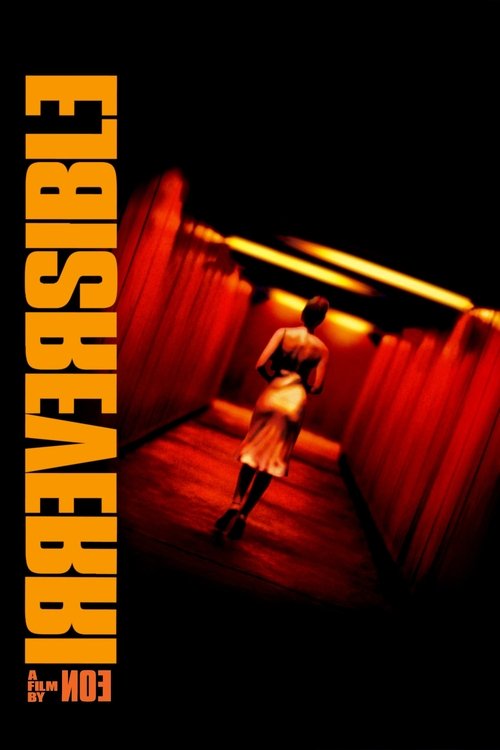
I remember the first time I sat down to watch Gaspar Noé’s Irreversible. It was 2003, I was in a cramped apartment with a radiator that hissed like a cornered cat, and I had just paid twenty dollars for the two-disc special edition DVD. Back then, owning a copy of this film felt like owning a piece of contraband. It was the peak of the "New French Extremity" movement, a time when directors were actively trying to see how much an audience could endure before they bolted for the exit. During the opening twenty minutes, I wasn't just watching a movie; I was actively negotiating with my own stomach.

There’s a specific frequency running through the first third of the film—a low-frequency infrasound designed by Thomas Bangalter (one half of the legendary Daft Punk) specifically to induce nausea and vertigo in the listener. It works. I recall a spider crawling across the corner of my TV screen during the infamous "Rectum" club sequence, and for a split second, I genuinely thought Noé had somehow projected it into my living room as part of the assault. That is the kind of movie this is: it doesn't just play on a screen; it invades your space.
The Physics of a Bad Trip
The film’s gimmick—if you can call something this harrowing a gimmick—is that it unfolds in reverse. We start with the gruesome, chaotic aftermath of a revenge mission and end with a sun-drenched, peaceful afternoon in a park. It’s the same structural DNA as Christopher Nolan’s Memento, which had come out just a couple of years prior, but where Nolan used the structure to create a clockwork noir puzzle, Noé uses it to create a sense of inevitable, crushing doom.
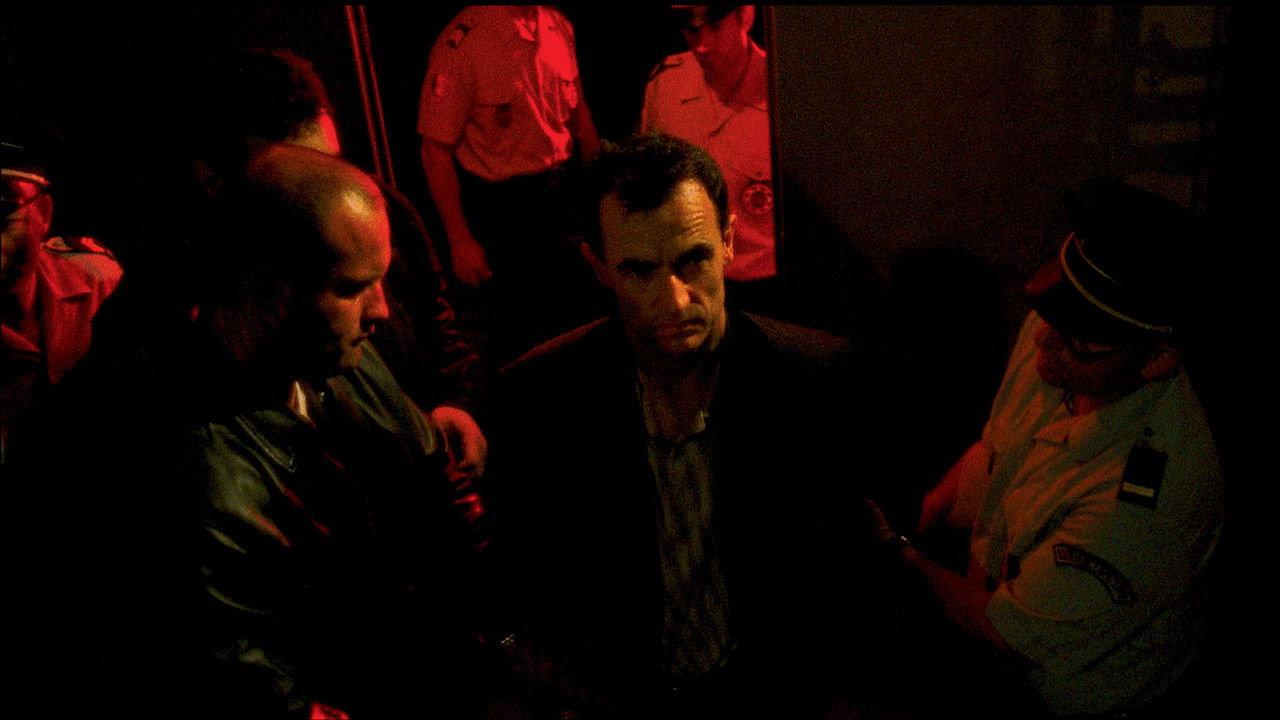
By starting at the end, the film strips away the "thrill" of the hunt. We see Vincent Cassel as Marcus, a man possessed by a frantic, jagged energy, screaming through the bowels of a hellish neon-red nightclub. He’s looking for "The Tapeworm," the man who brutally assaulted his partner, Alex. Because we see the revenge first—a scene involving a fire extinguisher that is still the most effective argument against vigilante justice ever filmed—the rest of the movie becomes a slow, agonizing descent into the "why."
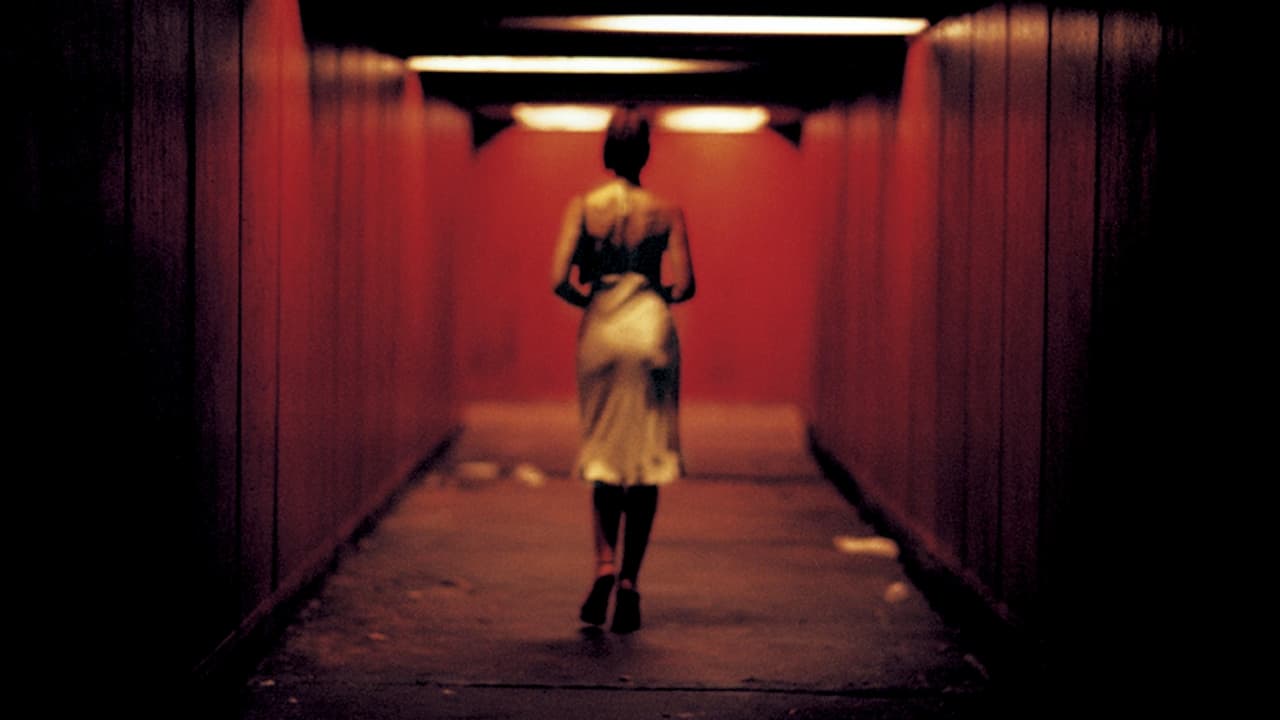
Vincent Cassel, who had already established himself as a powerhouse in La Haine, brings a terrifying, unhinged physicality here. He’s a live wire that’s been dipped in gasoline. Opposite him, Monica Bellucci delivers a performance that I still find difficult to discuss without a heavy heart. As Alex, she is the emotional anchor, and the film’s reverse structure forces us to watch her "un-suffer." We meet her as a victim, then gradually rediscover her as a vibrant, hopeful woman who is blissfully unaware of the horror waiting for her in an underpass. It’s a cruel trick, but it’s one that forces the audience to confront the humanity of the victim rather than just the spectacle of the crime.
A Relic of the Analog-Digital Cusp
Looking back, Irreversible is a fascinating artifact of that turn-of-the-millennium transition from film stock to digital manipulation. Gaspar Noé, who also handled the cinematography, used a "shaky-cam" style that felt revolutionary at the time. The camera moves like a disoriented fly trapped in a bottle of cheap whiskey, spinning and diving in ways that were only possible because of how they began integrating digital post-production with traditional 16mm and 35mm shooting.
The DVD culture of the early 2000s absolutely feasted on this movie. I remember the special features showing how they used CGI to "fix" the fire extinguisher scene, blending a prosthetic head with the real actor in a way that looked horrifyingly seamless for 2002. It was a time when the "making of" featurettes were as vital as the movie itself, often serving as a necessary palette cleanser so you could remind yourself that, yes, these are just actors and everyone went home safe at the end of the day.
The Weight of the "Before"

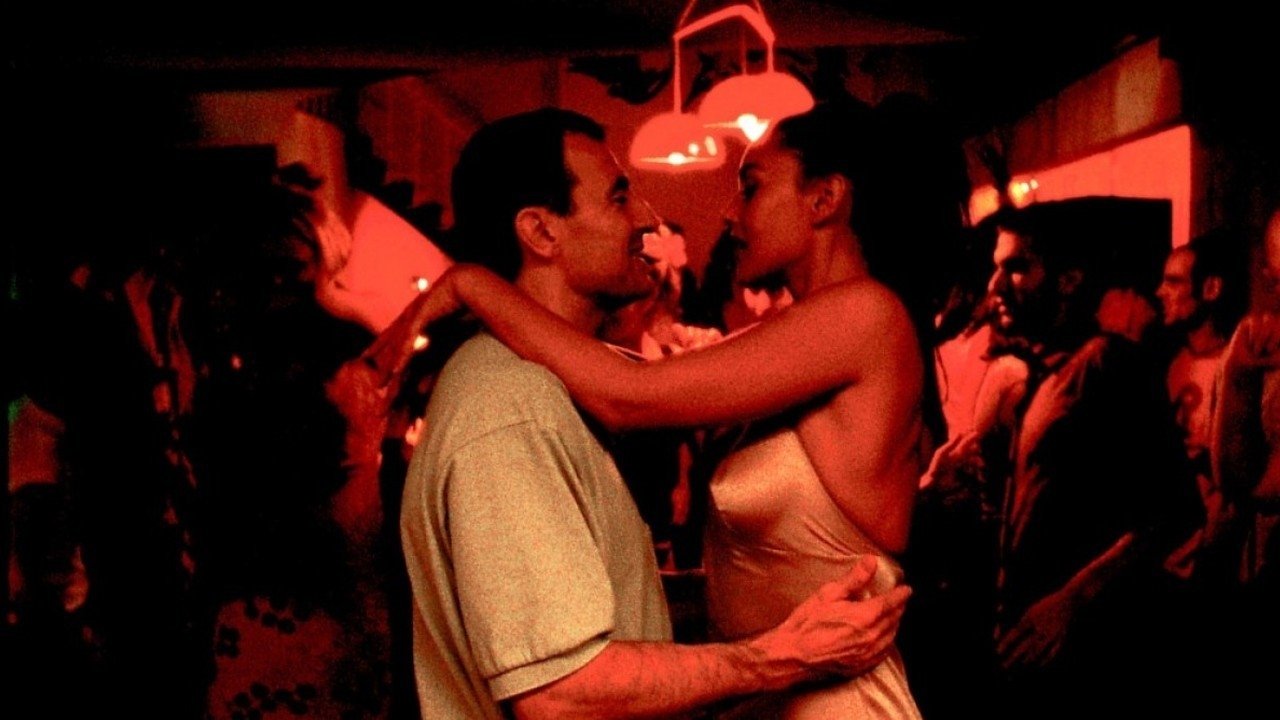
What makes Irreversible linger in the mind isn't the brutality, though that’s what gets all the headlines. It’s the middle section—the long, unbroken takes of Monica Bellucci, Vincent Cassel, and Albert Dupontel (playing the more reserved ex-boyfriend, Pierre) just talking on a train. They joke, they argue about philosophy, they flirt. After the sensory assault of the opening scenes, these moments of mundane normalcy feel sacred.
The film's tagline, "Time destroys everything," is the thesis statement. By the time we reach the final scene in the park—with the sprinkler spraying water in slow motion and the Bach soundtrack playing—the irony is almost too much to bear. We are looking at a "happy ending" that we know has already been destroyed. It’s a drama that uses the language of a horror film to talk about the fragility of peace. It reminds me that most revenge movies are essentially fairy tales, whereas Irreversible is a cold-blooded autopsy of an impulse.
Ultimately, Irreversible is a film I am glad I saw, and a film I never particularly want to see again. It is a towering achievement in sensory storytelling that asks the viewer to endure the worst of humanity to truly appreciate the quiet moments we usually take for granted. It’s not "entertainment" in the traditional sense, but as a piece of pure, unadulterated cinema, it’s a wrecking ball that leaves a permanent mark on your psyche. If you have the stomach for it, it remains one of the most vital entries of the early 2000s indie explosion.
Keep Exploring...
-
Bound
1996
-
Felon
2008
-

Blood and Bone
2009
-
Undisputed III: Redemption
2010
-
Memories of Murder
2003
-
Tell No One
2006
-
Ghost Dog: The Way of the Samurai
1999
-
The Hole
2001
-
Donnie Brasco
1997
-

Jackie Brown
1997
-
L.A. Confidential
1997
-
The Rainmaker
1997
-
A Simple Plan
1998
-

The Negotiator
1998
-
Arlington Road
1999
-
The Talented Mr. Ripley
1999
-
American Psycho
2000
-
The Crimson Rivers
2000
-

Traffic
2000
-
Infernal Affairs
2002