Jackass: The Movie
"Total stupidity. Absolute genius. Don't try this at home."
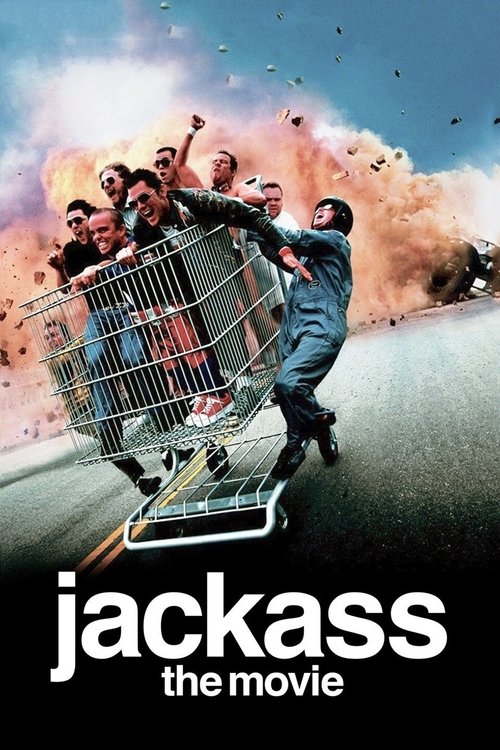
The year 2002 was a strange, transitional fever dream for American culture. We were still vibrating from the shock of 9/11, the internet was a screeching dial-up portal of low-res JPEGs, and the dominant aesthetic was "grunge-adjacent skater dirtbag." Into this vacuum of anxiety and baggy denim stepped a group of men who decided the best way to heal the national psyche was to shoot themselves out of cannons and snort wasabi. When Jackass: The Movie hit theaters, it felt less like a traditional film release and more like a hostile takeover of the multiplex. I’m currently drinking a Diet Coke that’s gone slightly flat, which feels like the appropriate beverage for a 20-year retrospective on a movie filmed largely on hand-held digital cameras that cost less than a mid-range sedan.
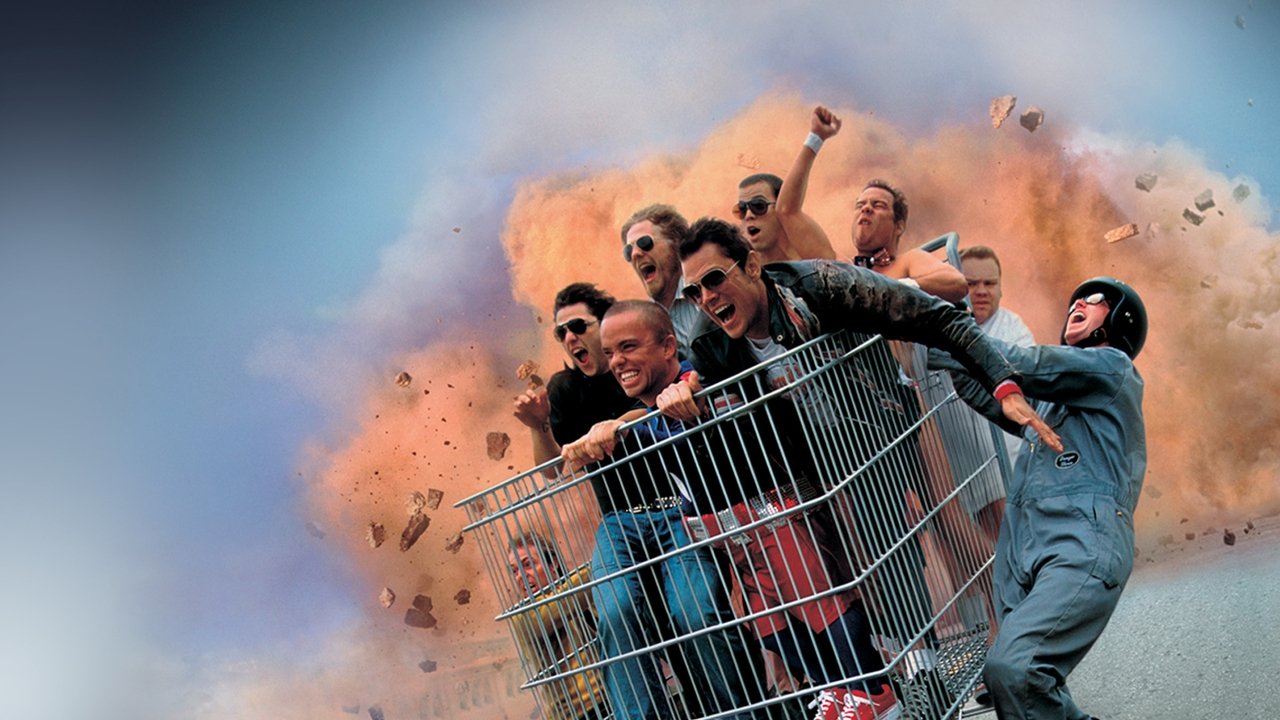
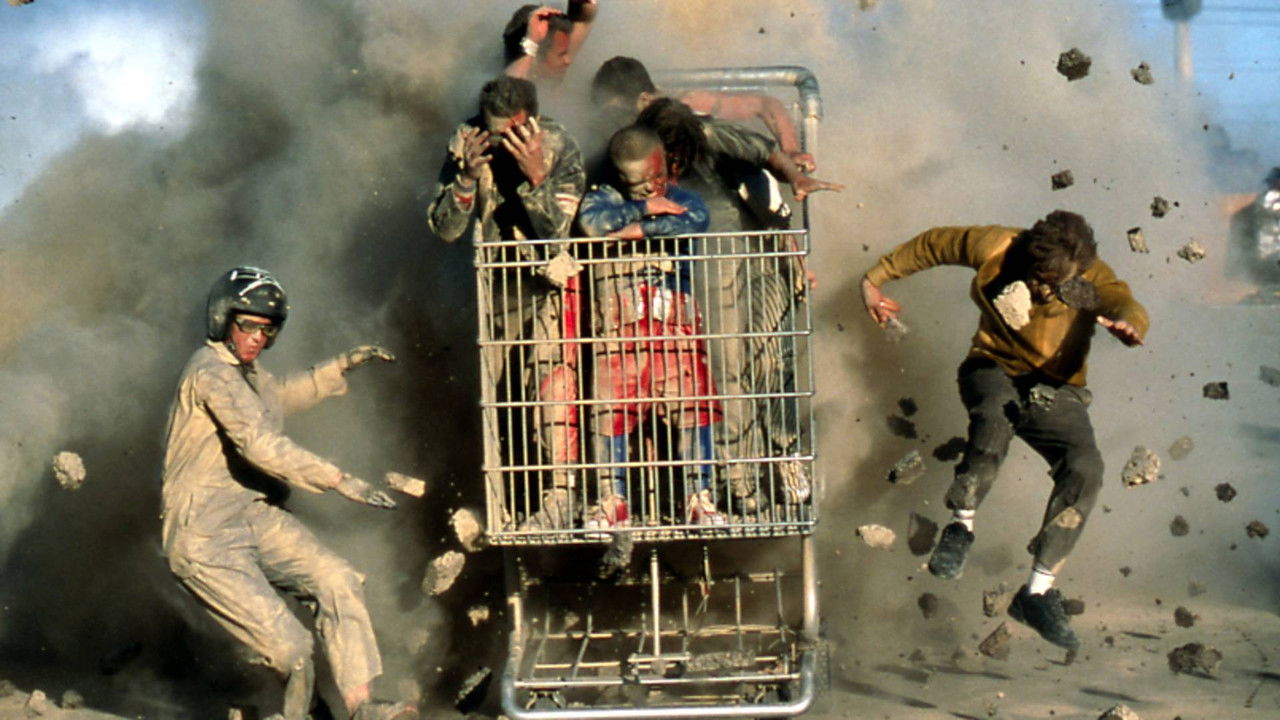
At the time, the critical establishment treated the film’s arrival like a sign of the literal apocalypse. How could a series of vignettes featuring men in shopping carts be considered "cinema"? But looking back through the hazy lens of two decades, it’s clear that Johnny Knoxville and his band of merry sociopaths were doing something far more revolutionary than they were given credit for. They were documenting the death of the "star" and the birth of the "creator" years before YouTube or TikTok even existed.
The High Art of Low Stakes
There is no plot. There is no character arc. There is no growth. If you are looking for a three-act structure, you will find it only in the sense that a stunt begins, someone gets hurt, and then everyone laughs. This is a cinematic equivalent of a backyard wrestling match with a studio budget, and that honesty is exactly why it holds up. While big-budget action films of the early 2000s were drowning in murky, experimental CGI, Jackass offered the most visceral action experience of the decade because the stakes were undeniable. When Steve-O attempts to walk a tightrope over an alligator pit with raw meat in his underwear, you aren't checking for green-screen seams. You’re checking to see if he still has ten toes.
The pacing is relentless, a frantic edit that mirrors the short attention spans of the "MTV Generation" it was born from. Director Jeff Tremaine understands that the comedy isn't just in the stunt itself, but in the anticipation and the aftermath. We watch Bam Margera set off fireworks in his parents' bedroom not just for the explosion, but for the genuine, weary disappointment on his father Phil’s face. It’s a documentary of a specific kind of American brotherhood—the kind built on a foundation of shared trauma and physical pranks.
Behind the Bruises
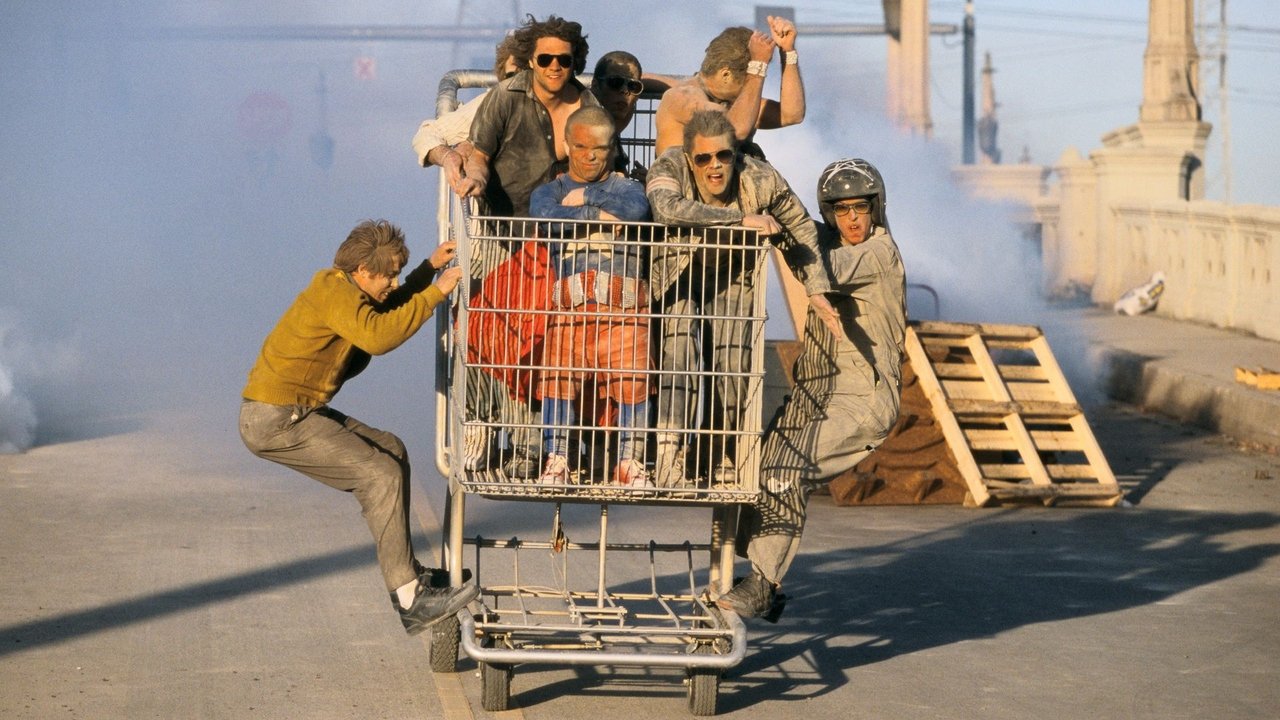
What the film reveals in retrospect is how much it benefited from the transition to digital. Shot mostly on Sony VX1000s and other consumer-grade gear, the movie has a "you are there" intimacy that a $100 million blockbuster could never replicate. It’s a film that lives in the textures of the era: the grain of the video, the saturation of the Japan "Night Panda" sequence, and the sheer DIY grit of it all. Apparently, the studio was terrified of the liability, but the $5 million budget was so low that they figured the risk was worth the potential cult following. They didn't expect a $64 million landslide.
There's a strange kind of bravery in the technical execution. To get the "Golf Course Airhorn" sketch right, the crew had to basically play cat-and-mouse with local security, operating like a guerrilla film unit. Johnny Knoxville isn't just a lead actor; he’s a stunt coordinator who treats his own body like a crash-test dummy. Watching him take a punch from a heavyweight boxer or get flipped by a bull, you realize he’s the last of a dying breed of physical comedians—a foul-mouthed Buster Keaton for the age of nu-metal.
A Time Capsule of Trash
Is it "gross"? Absolutely. The "Toy Car" sequence—which I won't describe for the sake of your lunch—remains one of the most profoundly unnecessary uses of an X-ray machine in human history. But there is a sweetness to it, too. Looking at Ryan Dunn, Chris Pontius, and Jason 'Wee Man' Acuña, you see a group of friends who are having the time of their lives. In a post-Y2K world that felt increasingly corporate and manufactured, Jackass was a middle finger to the polished veneer of Hollywood. It was ugly, it was loud, and it was real.
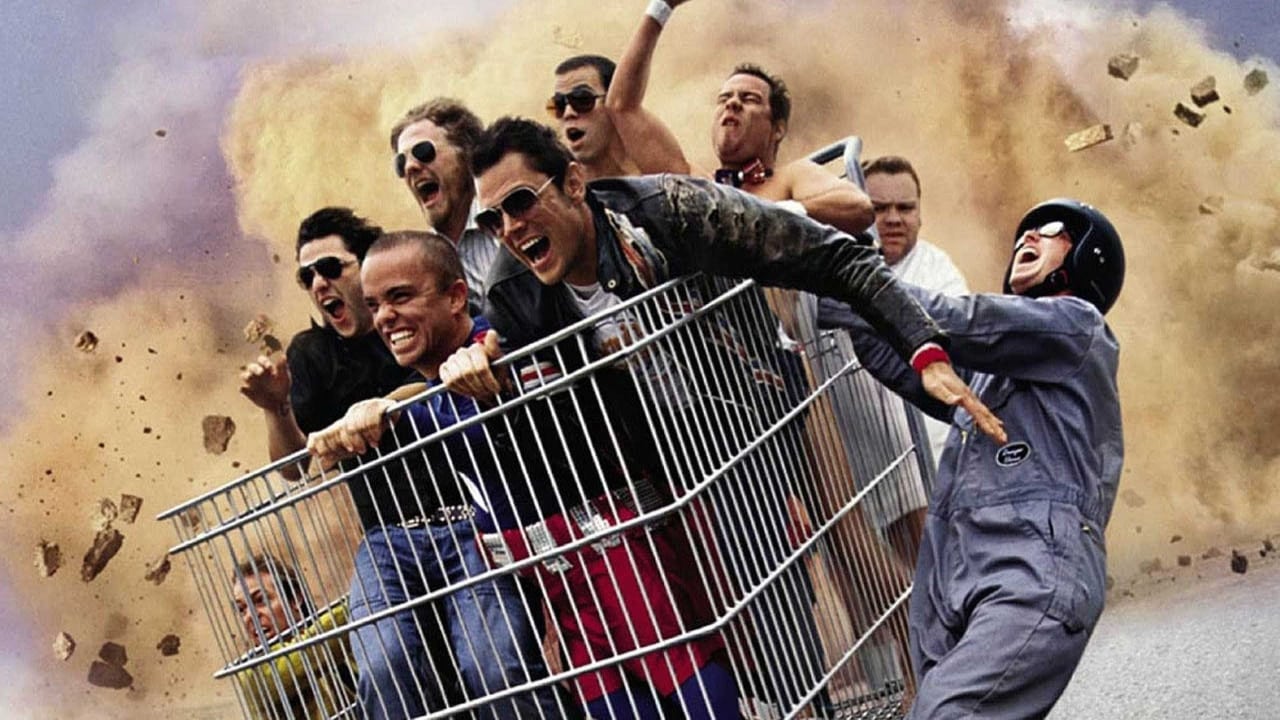
The legacy of the film isn't just the sequels or the imitators; it’s the way it captured a specific moment when the barrier between "performer" and "audience" evaporated. It’s the ultimate DVD-era movie, designed to be watched in a basement with friends, pausing to catch the details of a particularly nasty spill. It’s high-definition misery delivered with a grin, and it remains a fascinating, disgusting, and strangely joyful relic of a time before everyone had a camera in their pocket.
Jackass: The Movie is a fascinating outlier that shouldn't work as a theatrical experience, yet it remains undeniably compelling. It’s a pure shot of adrenaline and stupidity that serves as a perfect time capsule for the early 2000s. While the "gross-out" humor might not be for everyone, the chemistry of the cast and the sheer audacity of the stunts are enough to earn its place in the annals of cult cinema. It’s proof that sometimes, all you need for a good time is a shopping cart, a steep hill, and a few friends who don't know any better.

Keep Exploring...
-
Jackass Number Two
2006
-
Jackass 3D
2010
-

Jackass Forever
2022
-
Jackass Presents: Bad Grandpa
2013
-
Grosse Pointe Blank
1997
-
Lake Placid
1999
-
Taxi 2
2000
-

Wasabi
2001
-
Eight Legged Freaks
2002
-
Taxi 3
2003
-
The Medallion
2003
-
Team America: World Police
2004
-
Bandidas
2006
-
OSS 117: Cairo, Nest of Spies
2006
-
Smokin' Aces
2006
-
Shoot 'Em Up
2007
-
Taxi 4
2007
-
Who Am I?
1998
-
Blue Streak
1999
-

Mystery Men
1999