John Q
"The cost of a heartbeat shouldn't be a soul."
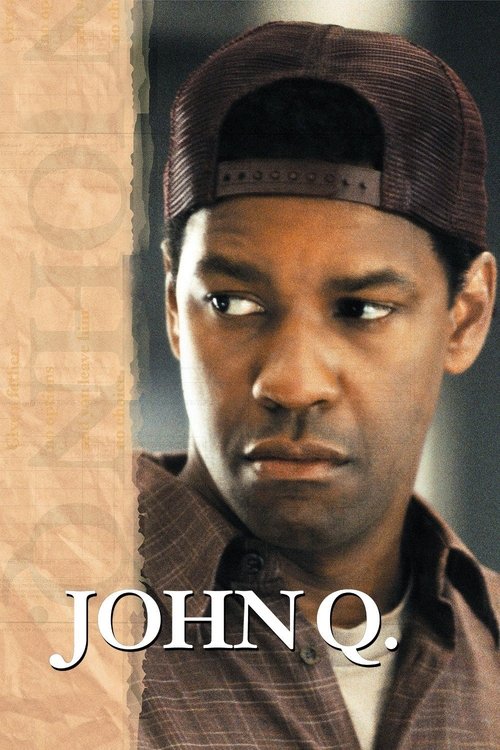
There was a specific kind of anxiety permeating the year 2002. We were hovering in that strange, jittery space between the analog past and a digital future, still reeling from the world changing on 9/11, and finding ourselves increasingly at the mercy of faceless corporate bureaucracies. Into this atmosphere dropped John Q, a film that felt less like a standard Hollywood thriller and more like a collective scream at the American healthcare system.

I recently revisited this one on an old DVD—the kind with the chunky "Snap Case" that smells like a rental store from 2004—while eating a slightly freezer-burned burrito. Oddly enough, the mediocrity of the burrito only heightened the film’s blue-collar grit. It reminded me that while critics at the time dismissed this movie as a "manipulative tear-jerker," the audience response was something else entirely. It became a populist lightning bolt.
The Denzel Weight Class
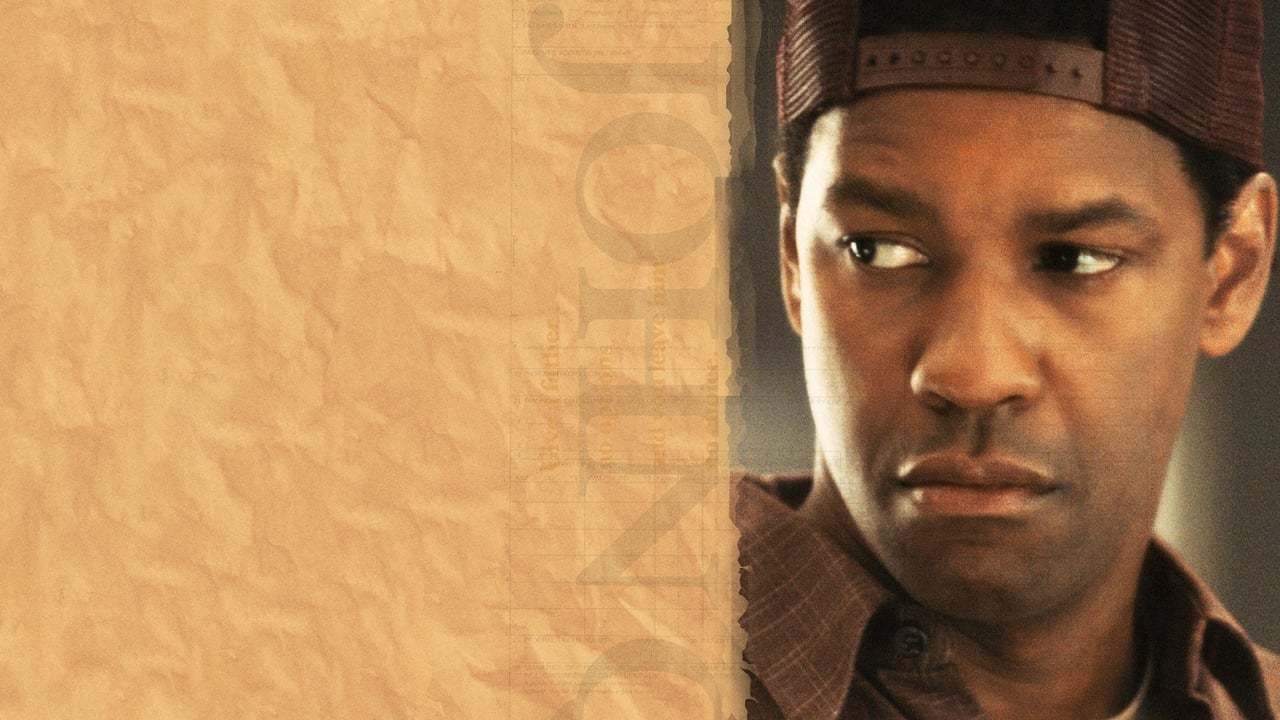
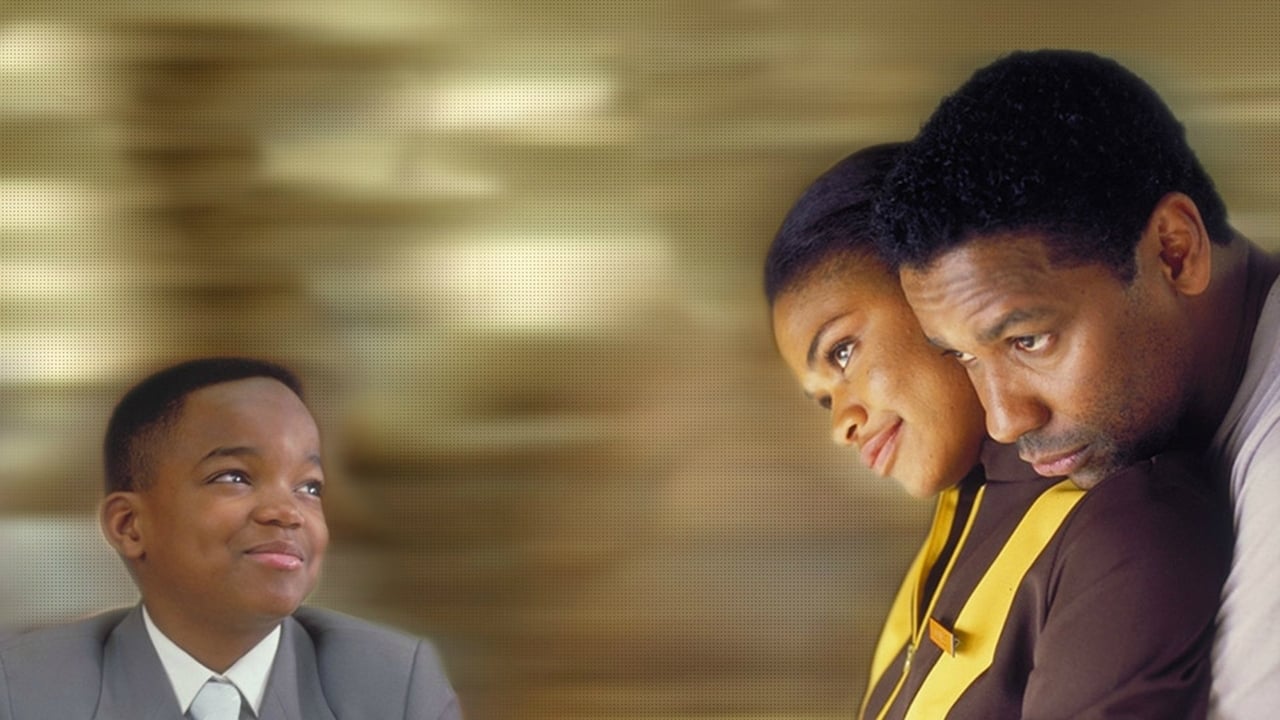
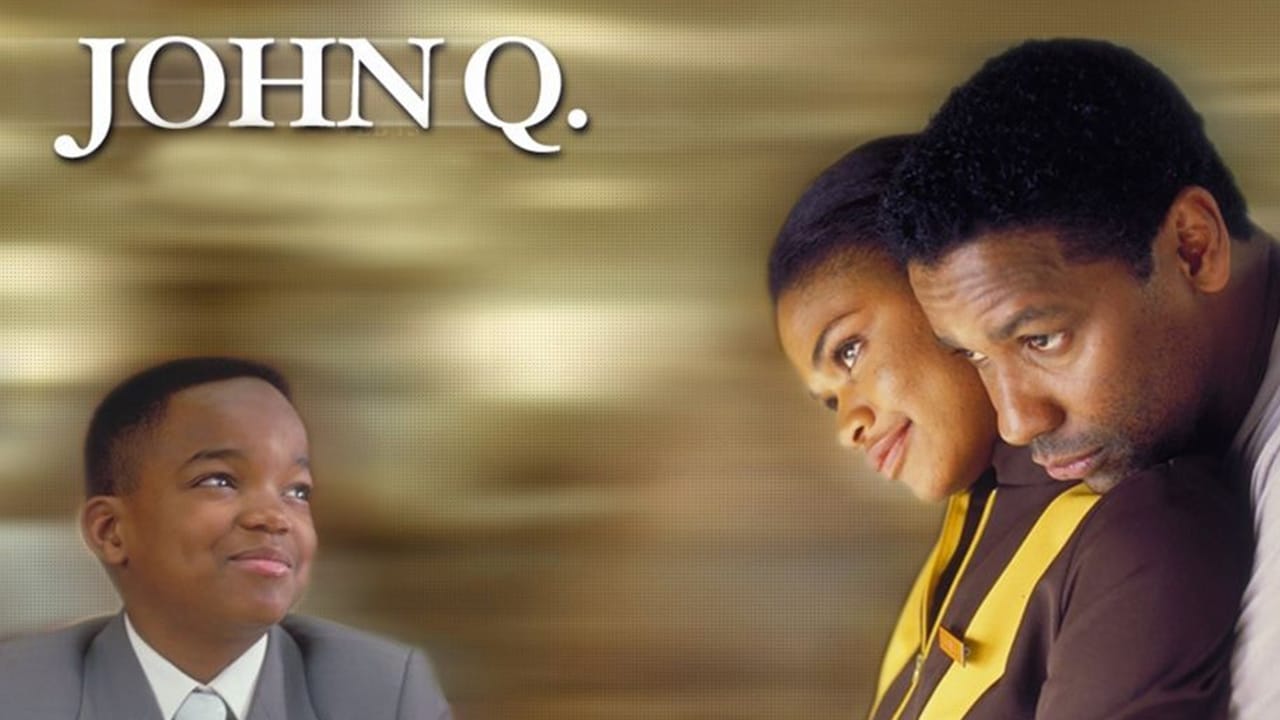
Let’s be honest: without Denzel Washington, John Q might have dissolved into a "Movie of the Week" melodrama. But Denzel has this singular ability to elevate a script through sheer, vibrating stillness. He plays John Quincy Archibald, a man who does everything "right"—he works hard, loves his wife Kimberly Elise, and adores his son. When that son collapses on a baseball diamond with an enlarged heart, the movie shifts from a family drama into a nightmare of red tape.
The moment John realizes his insurance won’t cover the transplant because of a technicality in his HMO policy is one of the most effective scenes in early 2000s cinema. You can see the oxygen leaving his lungs. When he eventually walks into that ER with a handgun, it’s not because he’s a criminal; it’s because he’s been liquidated by a spreadsheet. Denzel Washington makes you feel every ounce of that desperation, turning a potentially "villainous" act into a tragic necessity. The man could sell a used napkin as a holy relic, and here he sells the idea that a hostage situation is a legitimate form of insurance negotiation.
A Siege of Moral Gray Areas
Director Nick Cassavetes populates the hospital ER with a Greek chorus of hostages who represent the fringes of society. You’ve got Eddie Griffin providing some gallows humor and Shawn Hatosy as a hot-headed jerk, all trapped in a room while the world watches on the news.
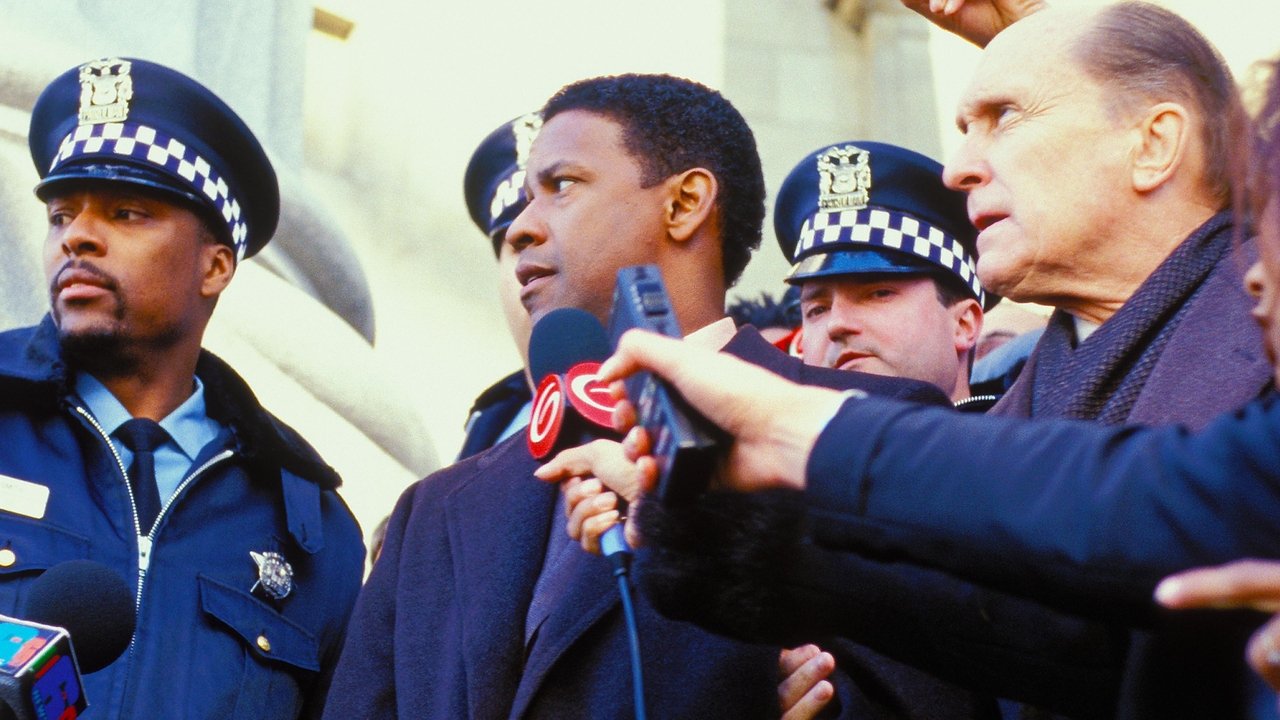
Outside, we get the classic "good cop/bad cop" dynamic. Robert Duvall is the veteran hostage negotiator who actually listens, while Ray Liotta (rest in peace) plays the police chief more concerned with the optics than the lives inside. There’s a fascinating, albeit heavy-handed, debate happening between James Woods, playing a cardiac surgeon whose ego is the size of a surgical suite, and Anne Heche, the hospital administrator who serves as the film’s personification of corporate coldness. Anne Heche is so effectively robotic here that you half-expect her to start emitting dial-up internet noises.
Looking back, the film captures that Y2K-era transition in filmmaking. The cinematography by Rogier Stoffers has that grainy, high-contrast look that defined early 2000s dramas before everything became digitally smoothed out. It feels lived-in. It feels like a hospital that hasn't been cleaned properly since 1994.
The Stuff You Didn't Notice
What’s fascinating about John Q is the baggage it carried behind the scenes. It wasn't just a random script; it was a deeply personal project for several involved.
Real-Life Heartbreak: Director Nick Cassavetes didn't just pick this for the drama; his own daughter was born with a congenital heart defect. That intensity you feel in the surgical scenes? That’s coming from a guy who spent a lot of time in real waiting rooms. The Improvisation: Several of the hostage scenes were loosely scripted, allowing actors like Eddie Griffin to riff. This gives the ER segments a chaotic, documentary-style energy that offsets the more "Hollywood" moments of the film. Testing the Ending: The original ending was reportedly much darker. Test audiences, however, were so invested in John’s plight that the filmmakers had to lean into a more "crowd-pleasing" resolution—though "pleasing" is a strong word for a movie where a guy considers shooting himself to donate his own heart. The Clinton Connection: The screenplay had actually been floating around Hollywood since the early 90s, inspired by the healthcare debates of the Hillary Clinton era. By the time it was made in 2002, the "HMO villain" was already a staple of American culture. * A Family Affair: The movie features a cameo by Denzel Washington's daughter, Katia, who appears as one of the children in the hospital.
John Q is not a subtle film. It wears its heart on its sleeve—and then tries to transplant that heart into a kid without a co-pay. It’s a movie that asks big, messy questions: What is a human life worth? Why does the "greatest country on earth" treat health like a luxury car?
Is it a bit manipulative? Absolutely. The score by Aaron Zigman practically orders you to cry at gunpoint. But in the era of Modern Cinema where franchises were just beginning to swallow the mid-budget drama whole, John Q stands out as a gritty, passionate reminder of what happens when you give a legendary actor a relatable grievance. It's a cult classic not because of weird lore, but because it spoke a truth that people are still screaming today. Even if the logic of the standoff is a bit shaky, the emotional resonance is rock solid. It’s the kind of movie that makes you want to hug your family and then immediately call your insurance provider to yell at them for twenty minutes.
Keep Exploring...
-
Alpha Dog
2006
-

Inside Man
2006
-

Jackie Brown
1997
-
American Psycho
2000
-
21 Grams
2003
-
Lucky Number Slevin
2006
-

Falling Down
1993
-
Training Day
2001
-

The Negotiator
1998
-
The Bone Collector
1999
-
Road to Perdition
2002
-

Dogville
2003
-
The Life of David Gale
2003
-

A History of Violence
2005
-
Donnie Brasco
1997
-
Natural Born Killers
1994
-
Man on Fire
2004
-

American Gangster
2007
-
The Next Three Days
2010
-
Drive
2011