Ju-on: The Grudge
"Evil doesn't resolve. It just finds a new home."
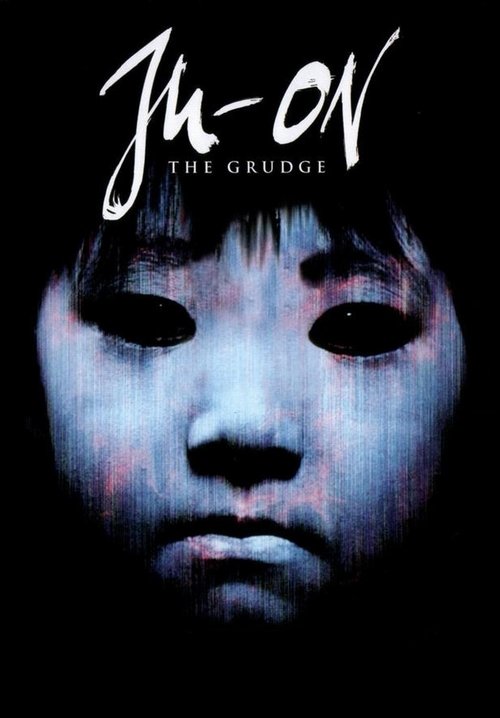
That sound. It’s not quite a growl, and it’s not quite a croak; it’s a wet, rhythmic clicking that sounds like someone trying to gargle pebbles while their throat is made of dry parchment. If you were breathing the air of the early 2000s, you knew exactly what that noise meant. Long before the Marvel Cinematic Universe taught us to stay for the post-credits scenes, J-Horror taught us that our homes—specifically our closets and the spaces under our duvets—were no longer safe.
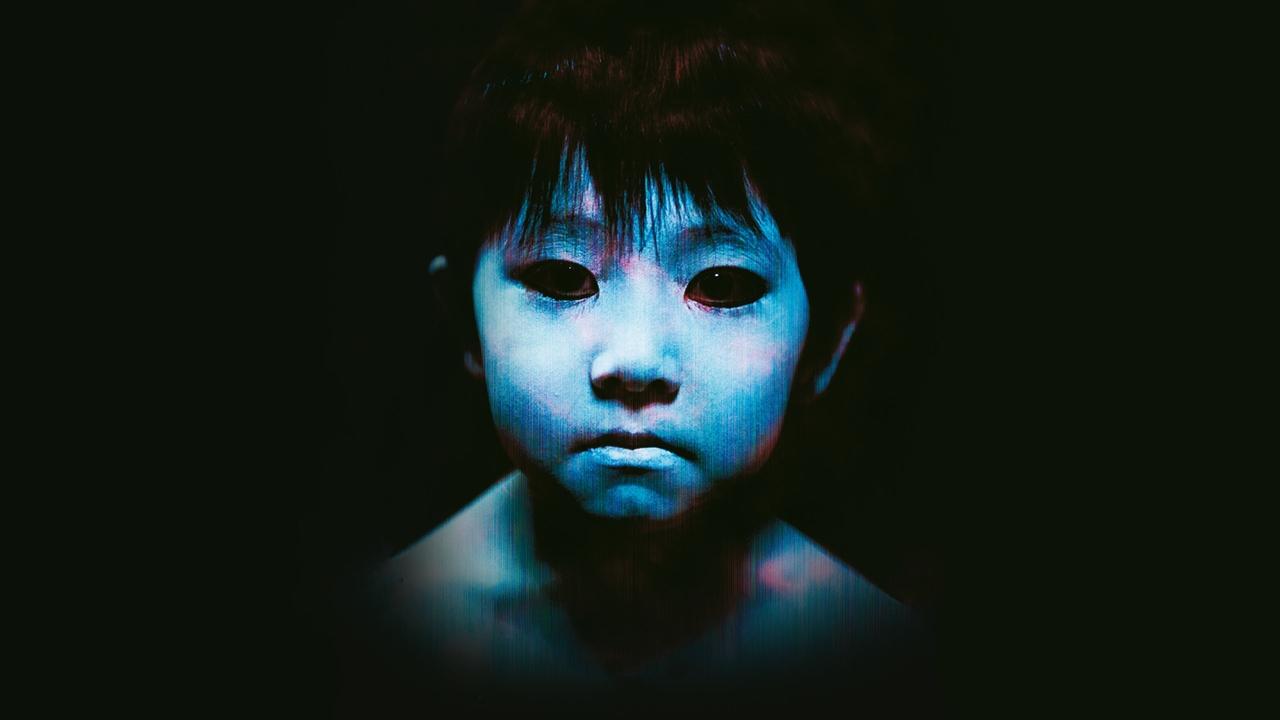
Takashi Shimizu’s Ju-on: The Grudge arrived at a very specific crossroads in cinema history. We were transitioning from the analog grain of VHS to the crisp, unforgiving clarity of DVD. This was the era of the "Imported Horror" craze, where film nerds like me would scour early internet forums to find out which Japanese titles were worth the shipping costs from Tokyo. I actually watched this for the first time on a grainy bootleg disc while eating a lukewarm bowl of instant ramen that had far too much sodium, and honestly, the physical discomfort of the noodles only added to the spiritual discomfort on screen.
The Rattle That Launched a Thousand Nightmares
While Hideo Nakata’s Ringu (1998) was about the ghost in the machine, Ju-on is about the ghost in the architecture. The premise is deceptively simple: when someone dies in the grip of a powerful rage, a curse is born. This curse gathers in the place where they died, and anyone who encounters it becomes a part of it. It’s a viral, nihilistic brand of horror that felt radically different from the slasher films I grew up with. In a Hollywood movie, you can usually outrun the killer or find the "rules" to survive. In Takashi Shimizu’s world, trying to survive is just a polite way of delaying the inevitable.
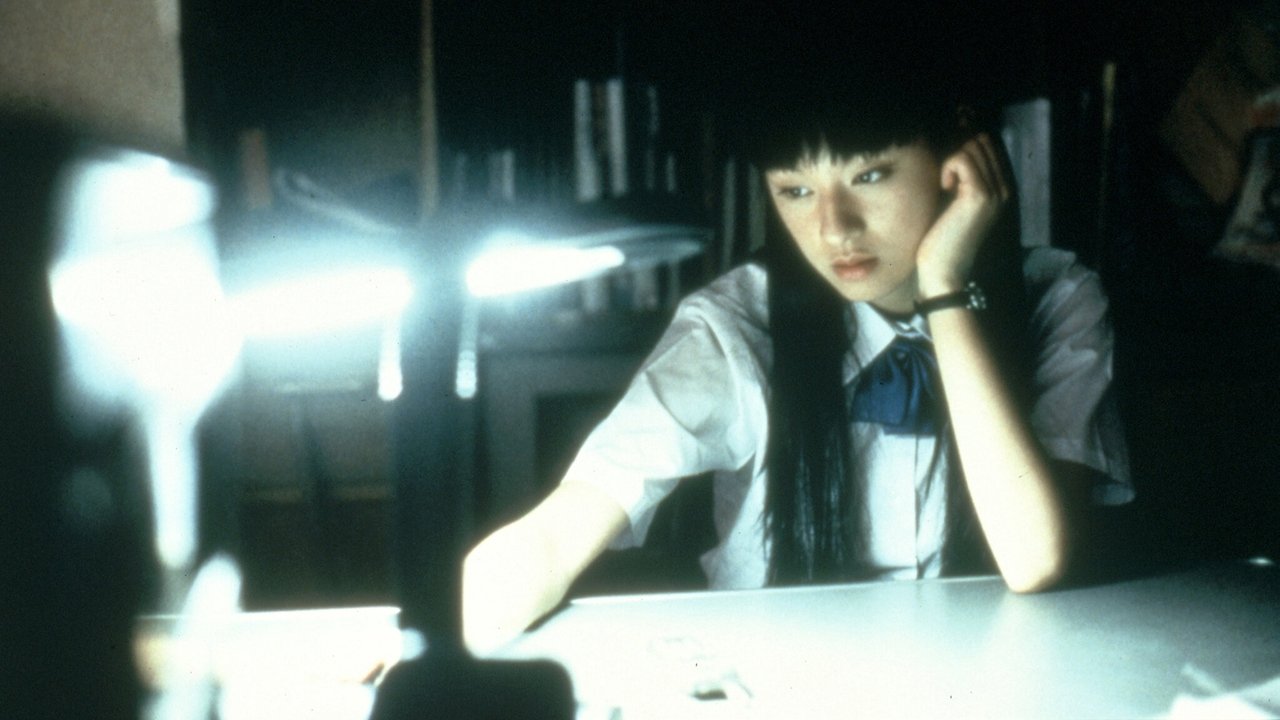
The film follows a non-linear structure, jumping between different victims who all share the misfortune of stepping into a seemingly ordinary suburban house. Megumi Okina plays Rika, a volunteer social worker who is the first to find the legendary Toshio (the blue-skinned boy with the haunting meow) hiding in a taped-up closet. Okina carries a wonderful, grounded vulnerability that makes her descent into the curse feel personal rather than just a plot device. When she’s joined by other unfortunate souls like Misaki Itō and Kanji Tsuda, the movie begins to feel like a grim anthology where every chapter ends in a disappearing act.
A Masterclass in Low-Budget Dread
What I find most fascinating looking back is how much Ju-on achieved with so little. This wasn't a mega-budget studio project; it actually evolved from two low-budget, direct-to-video (V-Cinema) features. You can see that indie DNA in the cinematography. Tokushō Kikumura doesn’t rely on flashy lighting or gothic castles. Instead, he shoots ordinary hallways and staircases in a way that makes them feel claustrophobic and predatory.
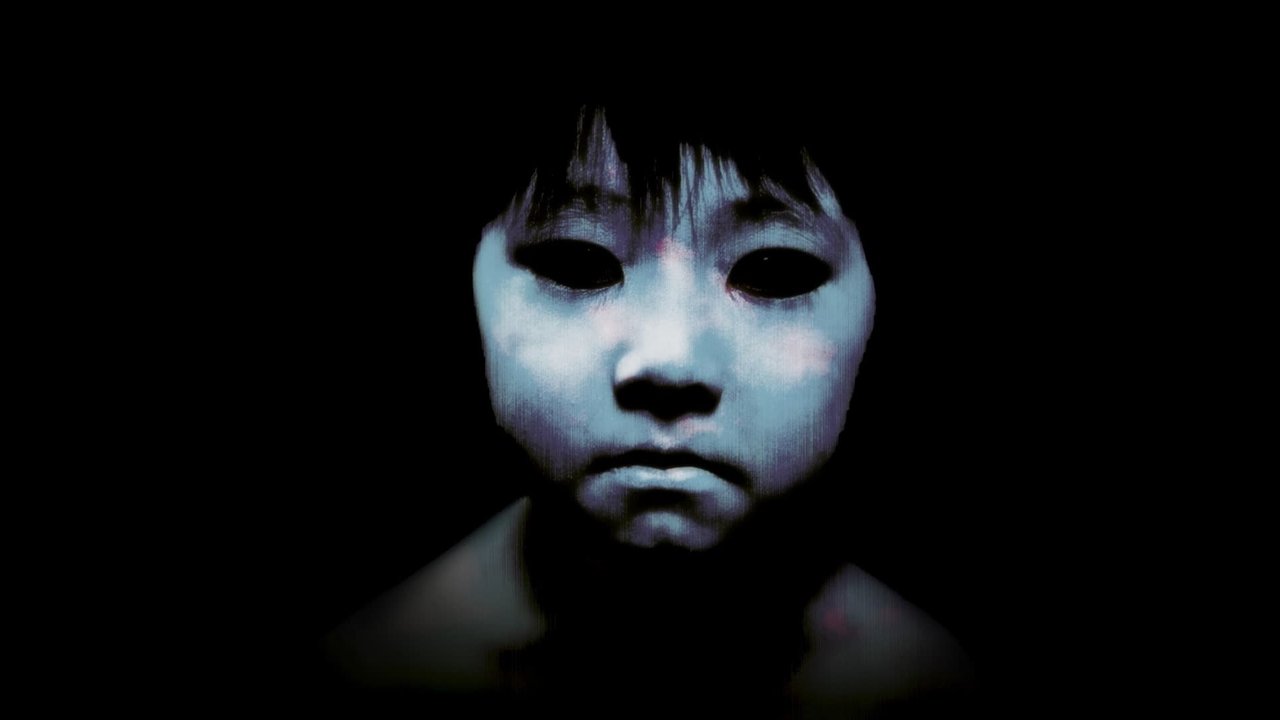
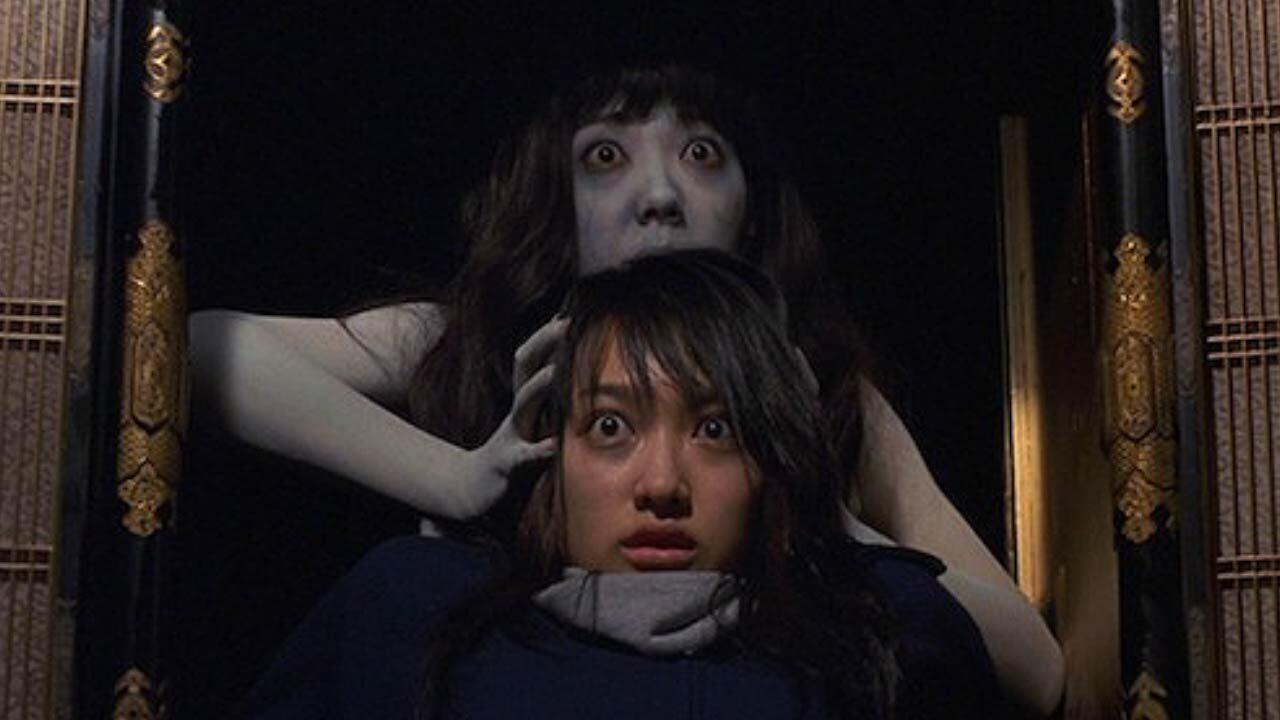
The "monsters" themselves—Kayako and Toshio—are triumphs of minimalist design. There’s no CGI bloat here. It’s just white makeup, wide eyes, and the uncanny movement of a performer who knows how to twitch. Takashi Shimizu famously provided the "death rattle" sound himself because he knew exactly how it should sound to be the most unsettling. It’s that kind of hands-on, shoestring-budget ingenuity that made the J-Horror boom so effective. They couldn't afford a CGI dragon, so they gave us a woman crawling down the stairs in a way that made us want to burn our own houses down and live in a tent.
The Logic of an Unending Nightmare
One thing that still hits me during a rewatch is how "mean" this movie is. In the early 2000s, we were seeing a shift toward more cynical storytelling. Post-9/11 anxieties were beginning to seep into our media, and the idea of a "grudge" that passes from victim to victim like a contagion felt incredibly timely. Unlike the American remake (which Shimizu also directed), the original Japanese version doesn't feel the need to over-explain the lore. It trusts you to be scared by the lack of a solution.
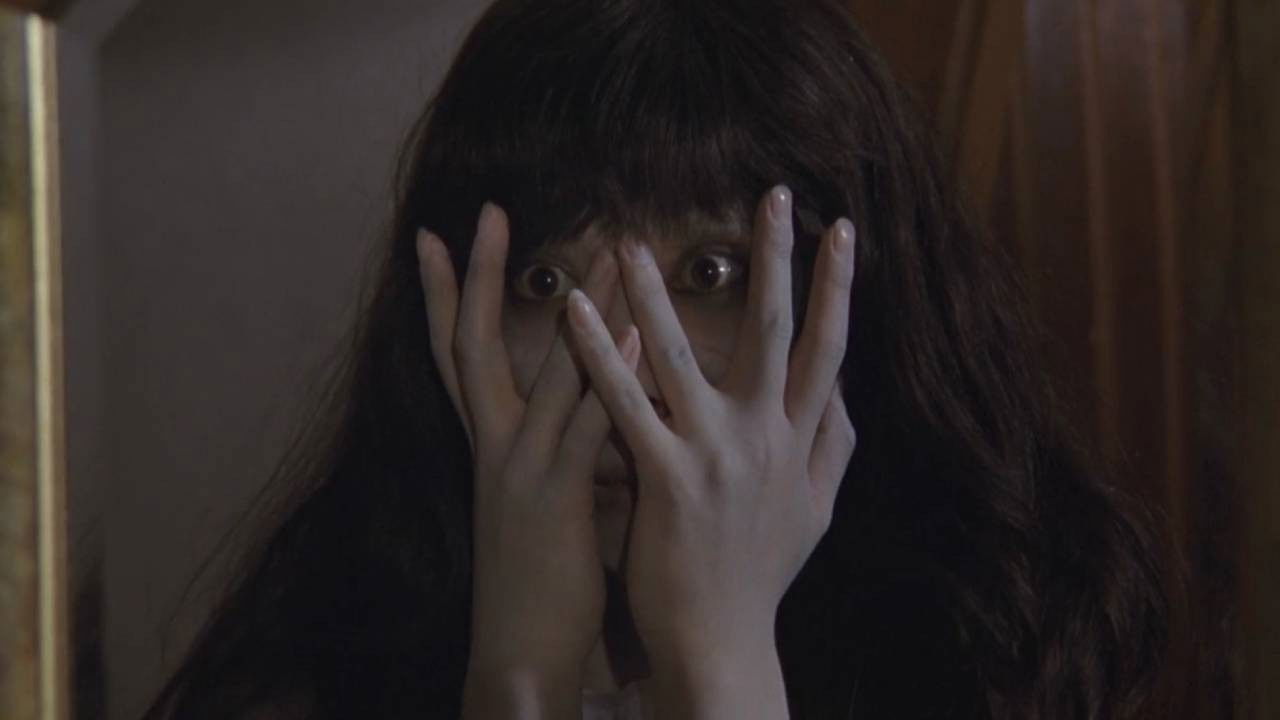
The sound design remains the MVP. The score by Shiro Sato is sparse, letting the ambient creaks of the house do the heavy lifting. There’s a scene involving Misaki Itō under her bedcovers that relies almost entirely on the sound of something moving under the fabric, and it remains one of the most effective jump scares in history because it’s so intimate. It’s a betrayal of the one place you’re supposed to be safe.
Ju-on: The Grudge is a relic of a time when horror felt like it was evolving in real-time. It’s a movie that asks very little of your patience but a lot of your nerves. While the sequels and the inevitable American franchise diluted the brand into "cat-kid jump scare" territory, this 2002 original remains a jagged, uncomfortable piece of art. It’s a reminder that the most terrifying things aren't found in a haunted castle on a hill, but in the corner of your eye while you’re doing the laundry. If you haven't revisited it lately, turn the lights off, put your phone away, and listen for the rattle. Just don't look under the covers.
Keep Exploring...
-
The Grudge
2004
-
Ring
1998
-
Audition
2000
-

Ichi the Killer
2001
-
Session 9
2001
-

The Devil's Backbone
2001
-
The Hole
2001
-

Dog Soldiers
2002
-
High Tension
2003
-
Shutter
2004
-
The Descent
2005
-
Wolf Creek
2005
-
Hostel
2006
-
Inside
2007
-
P2
2007
-
![[REC] backdrop](https://image.tmdb.org/t/p/w780/xfrguTH6maYiGsC8FXiQ9N3lZXw.jpg)
[REC]
2007
-
The Orphanage
2007
-
The Grudge 2
2006
-
Night of the Living Dead
1990
-
Braindead
1992