K-19: The Widowmaker
"The deepest secrets are the hardest to contain."
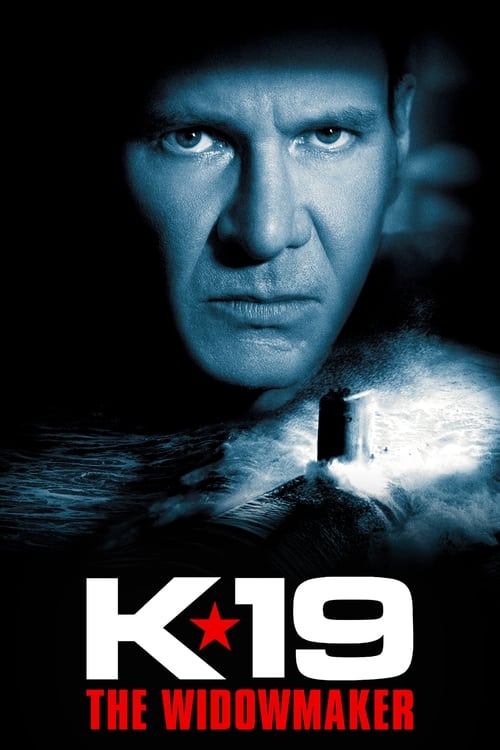
The year 2002 was a strange, transitional pivot point for the Hollywood blockbuster. We were moving away from the "invincible hero" tropes of the 90s and sliding toward the gritty, sweat-soaked realism that would eventually define the post-9/11 landscape. In the middle of this shift, we got K-19: The Widowmaker, a film that spent $100 million to make audiences feel progressively more claustrophobic, nauseous, and irradiated. It is a movie that dares to ask: "Are you ready to watch the guy who played Indiana Jones slowly die of radiation poisoning while speaking in a questionable Moscow accent?"
I watched my copy on a DVD I picked up at a garage sale for fifty cents, and the disc case had a faint, lingering scent of old peppermint that somehow made the sub’s recycled air feel even more tangible. It’s exactly the kind of "Dad Movie" that dominated the early 2000s—heavy on hardware, high on duty, and utterly committed to its own somberness.
The Iron Captain vs. The Human One
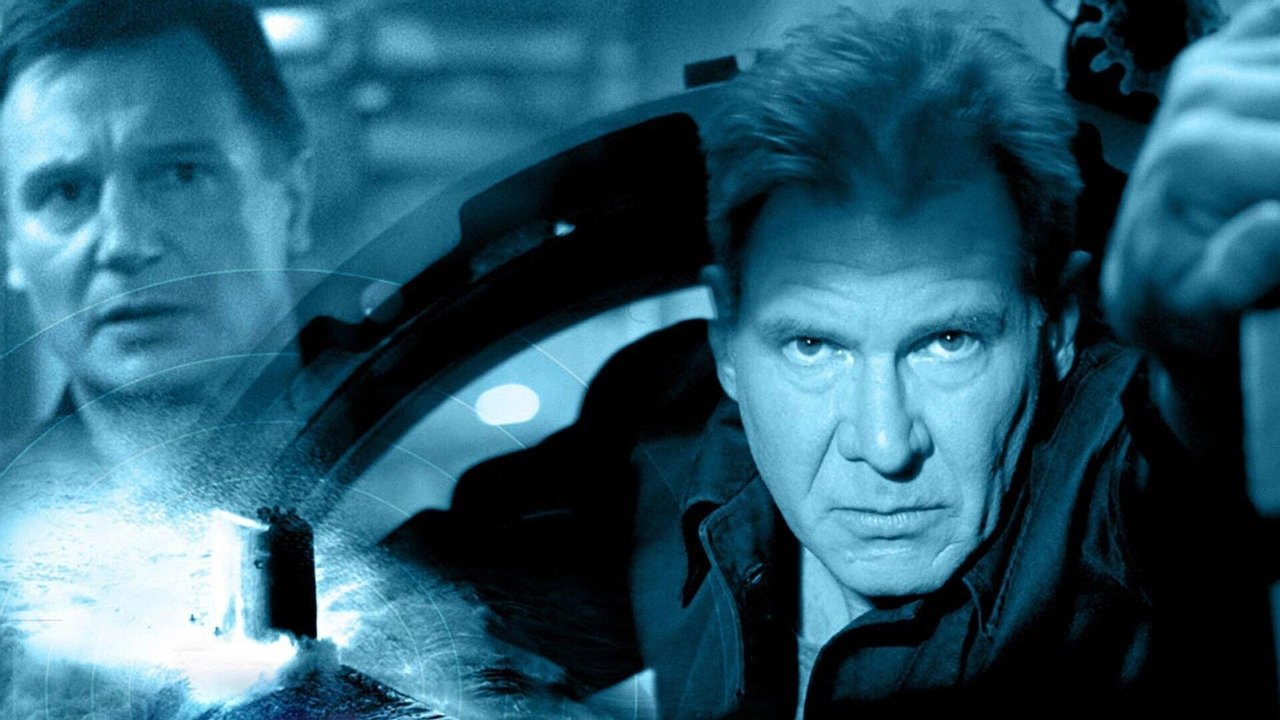
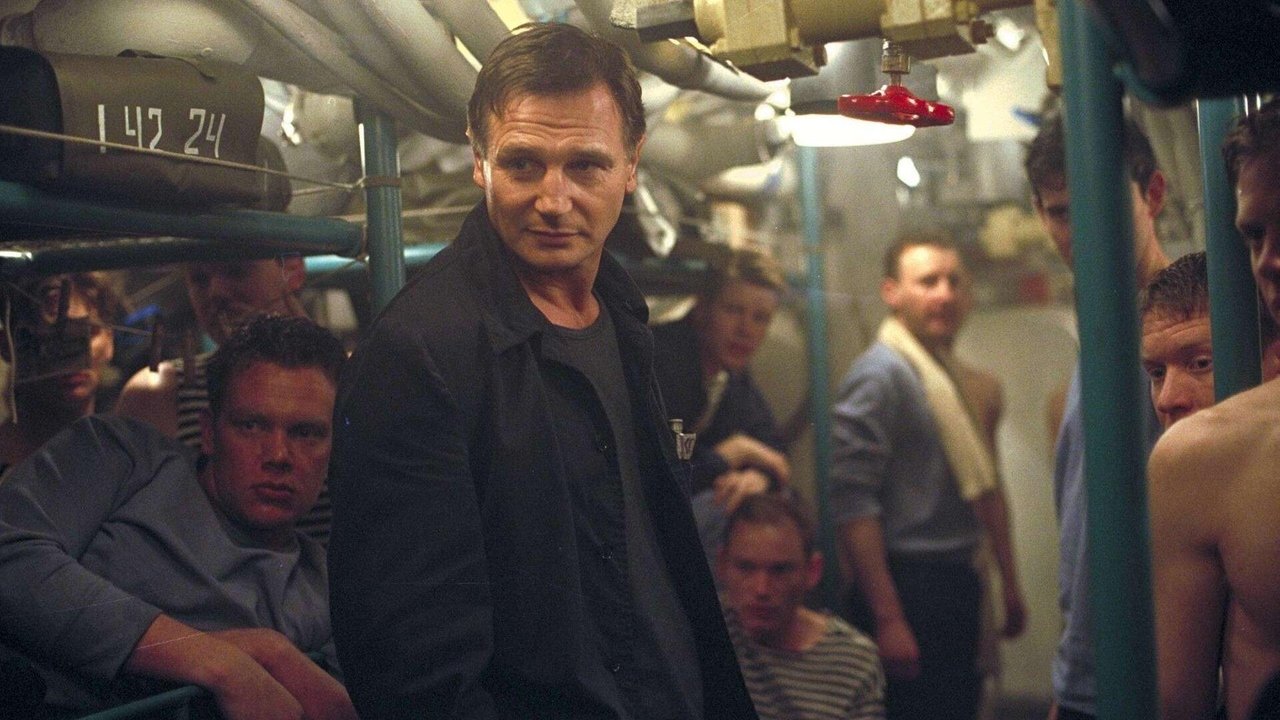
At its heart, this isn't just a disaster movie; it’s a leadership workshop disguised as a thriller. The film pits Harrison Ford as Vostrikov—the rigid, party-loyalist captain—against Liam Neeson as Polenin, the captain who actually knows his crew’s names. It’s a classic "unstoppable force meets an immovable object" scenario, but with more valves and gaskets.
Harrison Ford’s Russian accent sounds like a man trying to talk through a mouthful of wet gravel, but if you can get past the linguistic hurdles, his performance is actually quite brave. This was Ford actively trying to shed the "Han Solo" charm to play someone genuinely unlikable for the first two acts. He is a man obsessed with the mission to the point of sociopathy. Opposite him, Liam Neeson does what he does best: radiating a weary, soulful authority. Their chemistry is the only thing keeping the boat from sinking in the slower middle sections. You can see the seeds of the modern "serious" drama here, where the conflict isn't with a villain, but with the crushing weight of bureaucratic expectation.
Bigelow’s High-Stakes Pressure Cooker
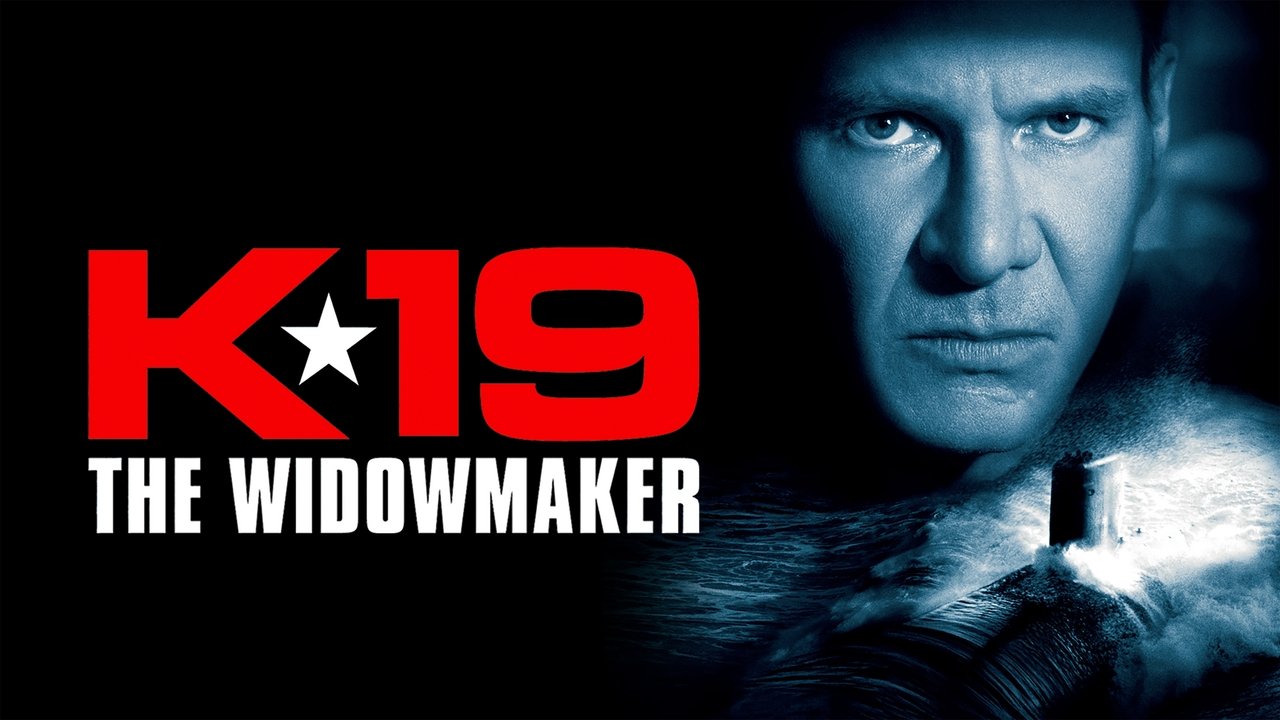
Long before she became the first woman to win a Best Director Oscar for The Hurt Locker, Kathryn Bigelow was already a master of "The Big Macabre." She treats the interior of the K-19 like a haunted house. The cinematography by Jeff Cronenweth (who worked on Fight Club) captures the transition from the sterile, cold blues of the North Atlantic to the sickly, jaundiced yellows of the failing reactor room.
The sequence where the young reactor officer, played with shivering vulnerability by Peter Sarsgaard, has to enter the radiation chamber is genuinely harrowing. There are no CGI monsters here; the monster is an invisible particle that turns your skin to wax. This movie is essentially a $100 million PSA about why you shouldn't skimp on plumbing supplies. When those pipes start bursting, you feel every spray of steam. It’s a testament to Bigelow’s craft that the most exciting moments involve men turning wrenches rather than firing torpedoes.
The $100 Million Cold War Ghost Story
Looking back, it’s wild that a major American studio pumped a nine-figure budget into a film where the "heroes" are Soviet officers during the height of the Cold War. In a post-9/11 world, this was a bold, perhaps even foolhardy, move. It humanizes the "enemy" in a way that felt radical in 2002, focusing on the universal terror of nuclear annihilation rather than political posturing.
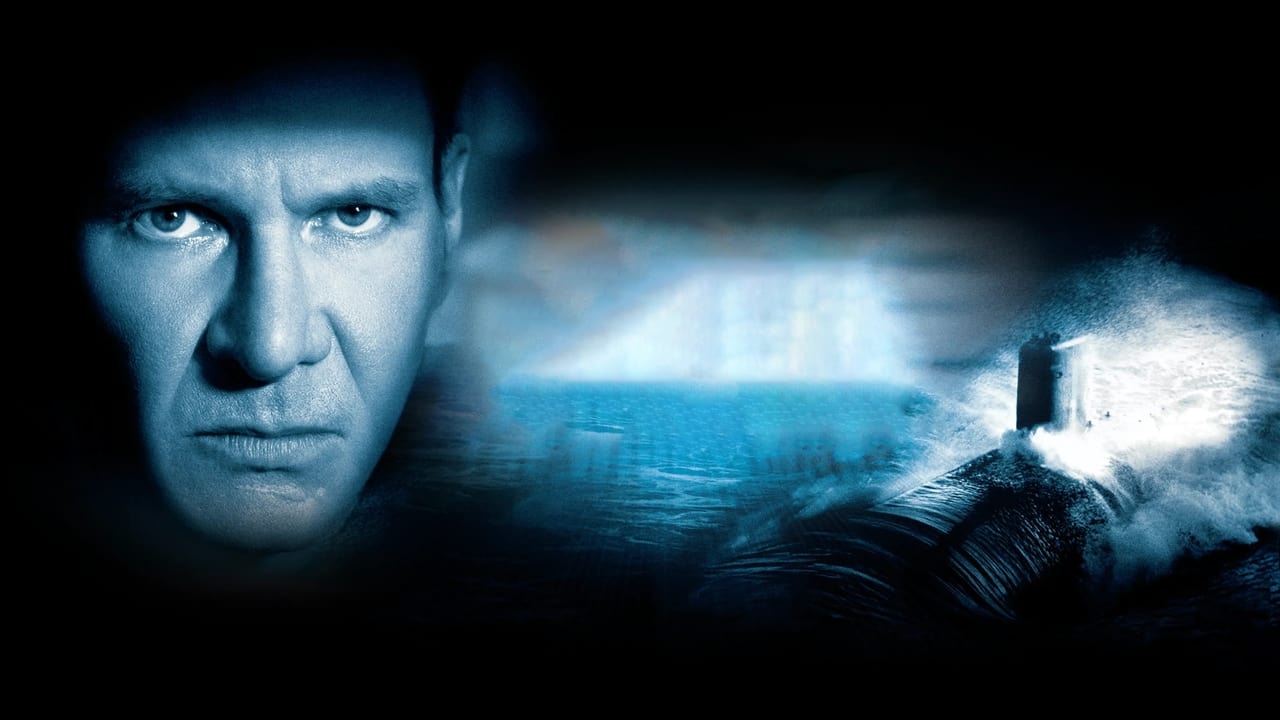
However, the film struggled to find its feet at the box office, likely because it’s a tough sell. It’s a thriller where the climax involves a lot of math and sacrificial plumbing. It’s also a reminder of the "DVD Culture" era; this was a film designed to show off a 5.1 surround sound system. The creaks of the hull, the ping of the sonar, and the roar of the reactor were meant to shake your living room floorboards. The score by Klaus Badelt (who would go on to do Pirates of the Caribbean) is appropriately mournful, though it occasionally leans a bit too hard into "Russian Men’s Choir" cliches.
The trivia surrounding the film is just as fraught as the plot. Apparently, the original crew of the K-19 was so offended by early script drafts—which depicted them as drunken and incompetent—that they wrote an open letter to the producers. To her credit, Bigelow flew to Russia to meet them, and the resulting film treats the men with a level of respect that's rare for Hollywood’s portrayal of the USSR. They even used a real Soviet Hotel-class submarine (the K-77) for many of the exterior shots, which adds a layer of grime you just can't fake with pixels.
K-19: The Widowmaker is a film that earns its place in the "almost-great" category. It’s a heavy, metallic, and often grueling experience that perhaps lacks the narrative propulsiveness of The Hunt for Red October, but makes up for it with sheer atmospheric dread. It marks a fascinating point in Harrison Ford's career where he began to embrace the "grumpy old man" archetype, and it showcases Kathryn Bigelow's burgeoning ability to film masculine tension with surgical precision. It’s not a film you watch for a "fun" Friday night, but if you have an interest in Cold War history or the physics of how things go wrong under pressure, it’s a voyage worth taking. Just don't expect to feel particularly clean when the credits roll.
Keep Exploring...
-
In the Valley of Elah
2007
-
Courage Under Fire
1996
-
Kill the Messenger
2014
-

The Constant Gardener
2005
-

Strange Days
1995
-
Conspiracy Theory
1997
-

Double Jeopardy
1999
-

The Messenger: The Story of Joan of Arc
1999
-
What Lies Beneath
2000
-
The Score
2001
-
Spider
2002
-
Basic
2003
-

The Manchurian Candidate
2004
-
Stay
2005
-
Flags of Our Fathers
2006
-
The Good Shepherd
2006
-

World Trade Center
2006
-

The Devil's Own
1997
-
Dream House
2011
-
Amistad
1997