Lilo & Stitch
"The punk-rock puppy Disney didn't see coming."
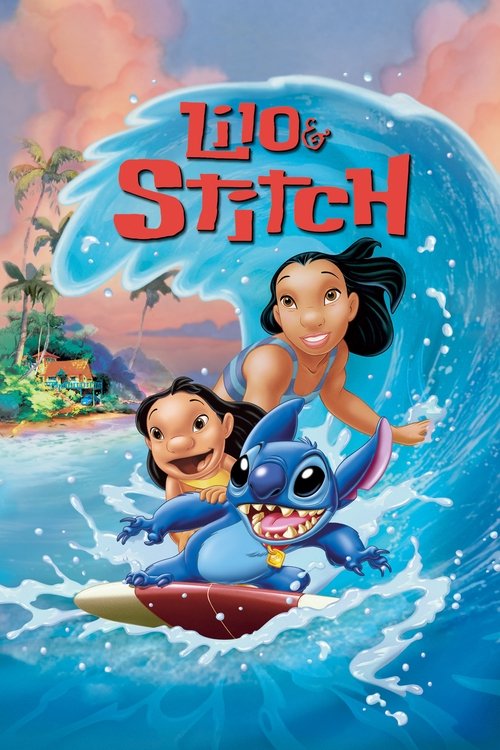
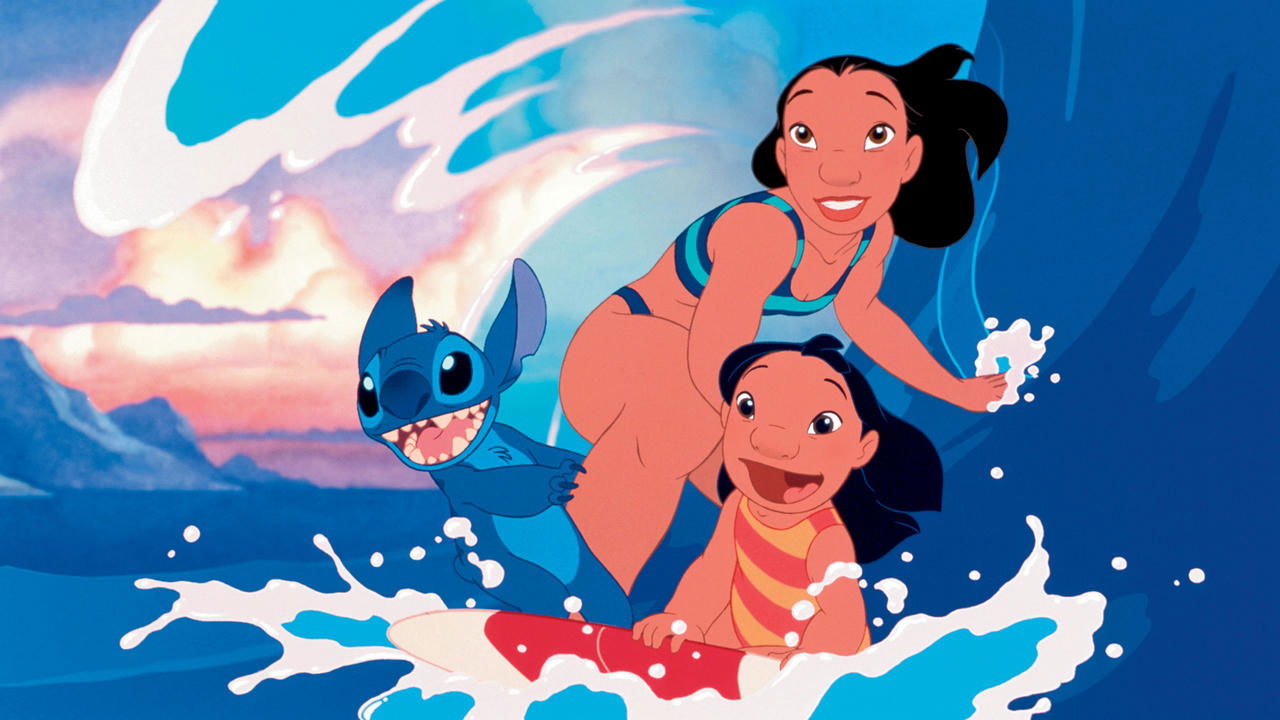
The early 2000s were a weird, sweaty time for Disney. The studio was suffering from a mid-life crisis, desperately trying to figure out if it should stick to the "princess-in-a-tower" formula or chase the CGI dragon that Pixar and DreamWorks were riding toward the bank. In the middle of this identity struggle, a tiny, watercolor-drenched film about a blue genetic experiment and a grieving girl in Hawaii quietly slipped into theaters.
I was midway through a bag of King’s Hawaiian rolls—the kind that are just a little too sweet and leave your fingers feeling vaguely sticky—when I realized that Lilo & Stitch is the most human film Disney ever made, even if the co-lead has four arms and a taste for car parts. It’s a film that shouldn’t have worked. It’s a comedy about family trauma, social services, and Elvis Presley, featuring an alien who looks like a rabid koala that crawled out of a nuclear reactor. But twenty-two years later, it’s the one movie from that era that feels more relevant than ever.
A Watercolor Rebel in a CGI World
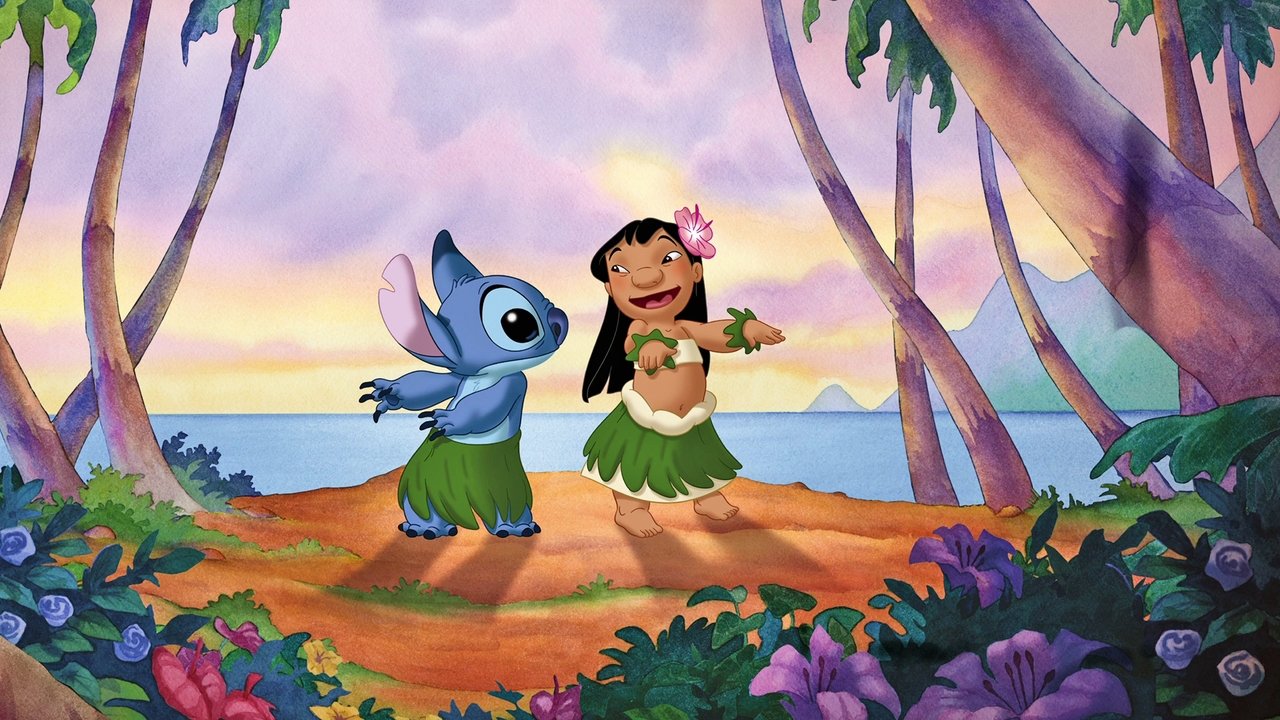
By 2002, the industry was obsessed with "the new." We were looking at the dawn of the digital age, and hand-drawn animation was being treated like a rotary phone. But directors Chris Sanders and Dean DeBlois (who would later give us How to Train Your Dragon) made a radical choice. They went backward. They used watercolor backgrounds, a technique Disney hadn't really messed with since Dumbo in 1941.
The result is a soft, dreamlike version of Kauai that feels lived-in. It doesn't have the sterile, sharp edges of early 2000s CGI. When you see Nani and Lilo’s house, it’s messy. There are dishes in the sink and bills on the counter. Looking back, this was a massive departure from the pristine castles of the 90s Renaissance. The animation captures a specific kind of "Modern Cinema" transition; it honors the analog past while embracing a story that felt incredibly contemporary.
The Chaos Puppy and the "Bad" Girl
The heart of the movie isn't the sci-fi—it’s the dysfunction. Daveigh Chase (who, in a wild bit of range, played the girl from The Ring the same year) gives Lilo a voice that is authentically weird. She isn't a "Disney kid" who bursts into song about her dreams; she’s a kid who puts pickle jars on her head and photographs tourists because she doesn't know how to make friends.
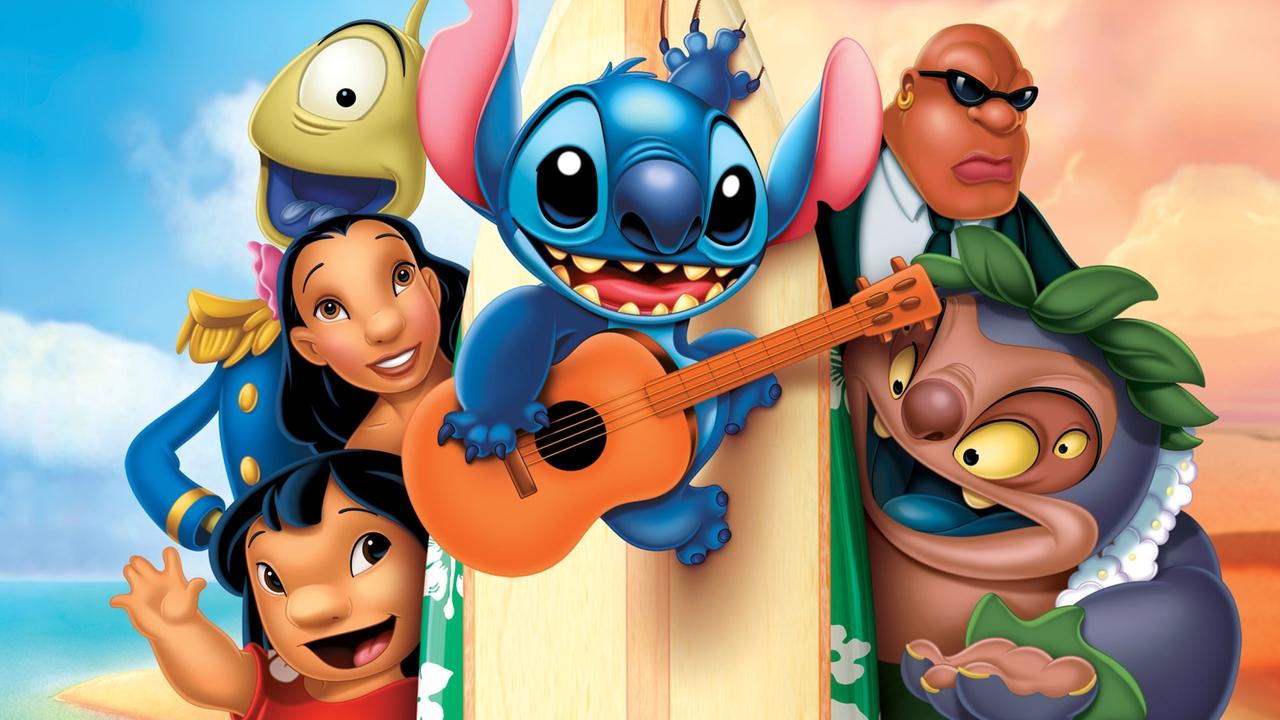
Then there’s Stitch. Voiced by Chris Sanders himself, Stitch is a comedic whirlwind. The comedy here is all about rhythm. Whether it’s Stitch building a miniature model of San Francisco just to destroy it like Godzilla, or his deadpan realization that he’s "lost," the timing is impeccable. Pleakley is essentially a sentient noodle with a wig obsession, and his chemistry with the bombastic, frustrated Jumba (David Ogden Stiers) provides the kind of bickering-couple energy that usually belongs in a live-action farce.
But the film’s secret weapon is Nani. Tia Carrere delivers a performance that I appreciate so much more as an adult. She’s a nineteen-year-old girl trying to fend off a terrifyingly composed social worker named Cobra Bubbles (Ving Rhames, fresh off Mission: Impossible) while mourning her parents. When Nani sings "Aloha 'Oe" to Lilo before they’re separated, it’s more "visceral"—sorry, let's say gut-wrenching—than any villain's death.
The $273 Million Underdog
Disney famously didn't expect Lilo & Stitch to be the hit it was. They were banking on Treasure Planet to be their big blockbuster, but the "strange little alien movie" ended up being the one that captured the public's imagination. It’s a perfect example of a "sleeper" blockbuster. It didn't need a massive franchise blueprint (though it certainly got one later); it just needed a blue alien crashing into a Florida-sized ego.
One of the most fascinating bits of trivia is how the film was shaped by the post-9/11 climate. The original climax involved Stitch and Jumba hijacking a Boeing 747 and weaving it between the skyscrapers of downtown Honolulu. Looking back at the DVD special features, the original storyboards are jarring. The team had to pivot quickly, swapping the commercial jet for a spaceship and the city for the lush volcanic canyons of Kauai. It’s a rare moment where a forced change actually improved the film—the mountain chase fits the movie's aesthetic much better than a city-destroying dogfight.
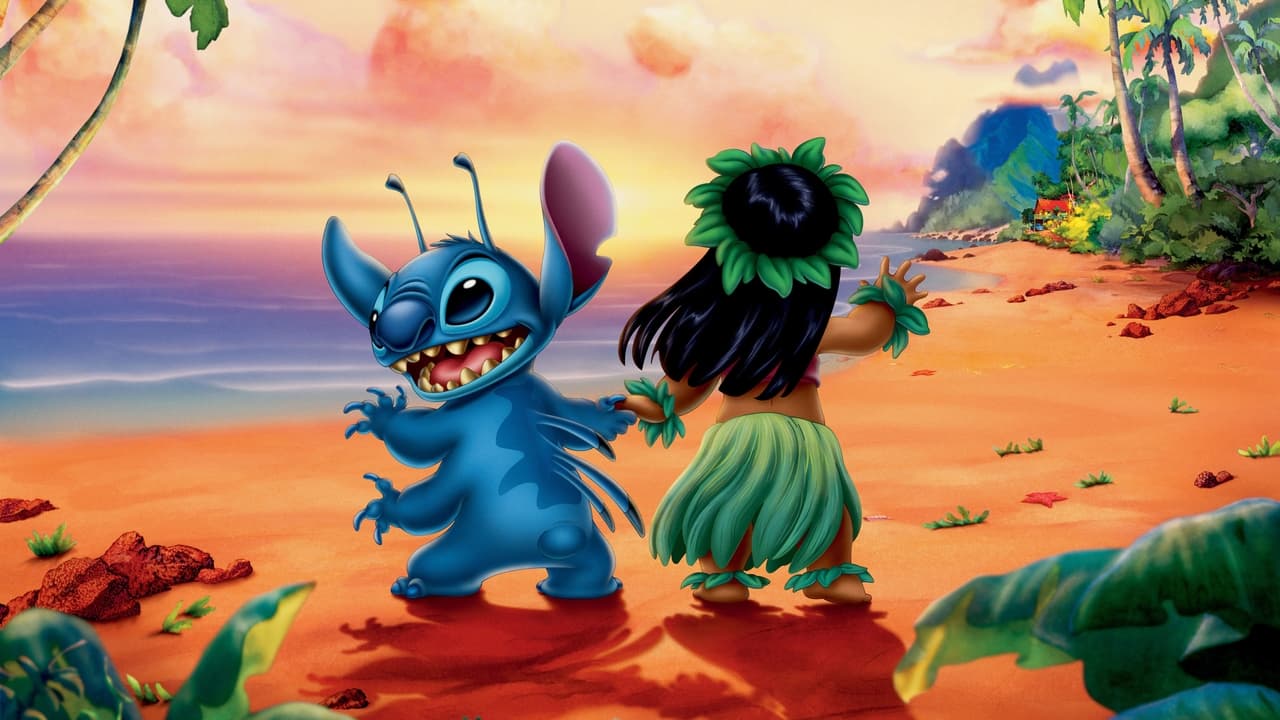
The soundtrack, too, is a stroke of genius. Integrating Elvis Presley wasn’t just a gimmick; it served as the bridge between Lilo’s isolation and the outside world. Alan Silvestri’s score (which he composed between Cast Away and The Polar Express) balances the Hawaiian "Hula" vibes with high-stakes sci-fi percussion perfectly.
Lilo & Stitch works because it trusts its audience to handle the "sad" along with the "silly." It doesn't treat childhood like a playground; it treats it like a battlefield where the only way to win is to find people who are just as broken as you are. Whether you’re watching for the slapstick alien antics or the quiet, heartbreaking moments of a family trying to stay together, it hits every mark. It’s a film that proves sometimes the best way to move forward is to look back at what made stories feel real in the first place.
Also, it taught us all that "Ohana" means family, and family means nobody gets left behind or forgotten. That’s a hell of a legacy for a movie that started with an alien spitting on a plate.

Keep Exploring...
-
Lilo & Stitch 2: Stitch Has a Glitch
2005
-
The Croods
2013
-
How to Train Your Dragon 2
2014
-
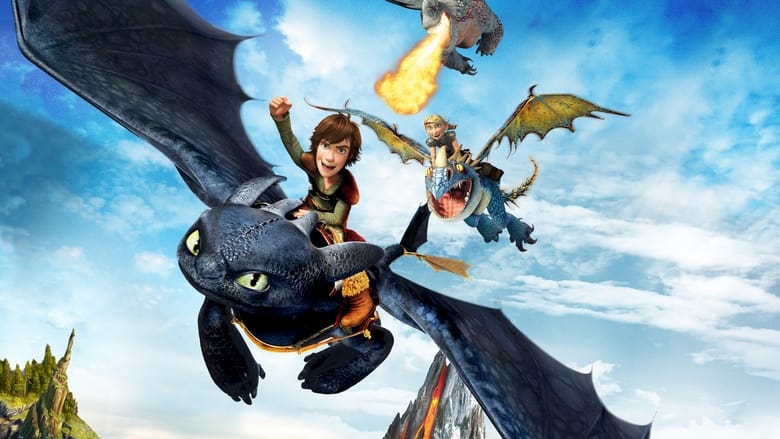
How to Train Your Dragon
2010
-

A Bug's Life
1998
-

Toy Story 2
1999
-
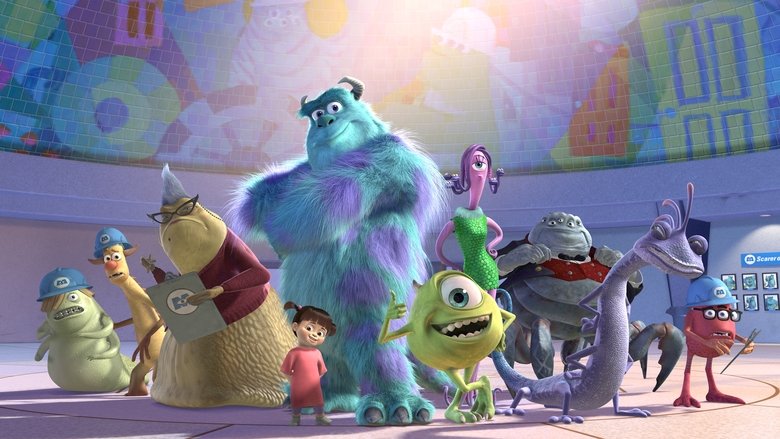
Monsters, Inc.
2001
-
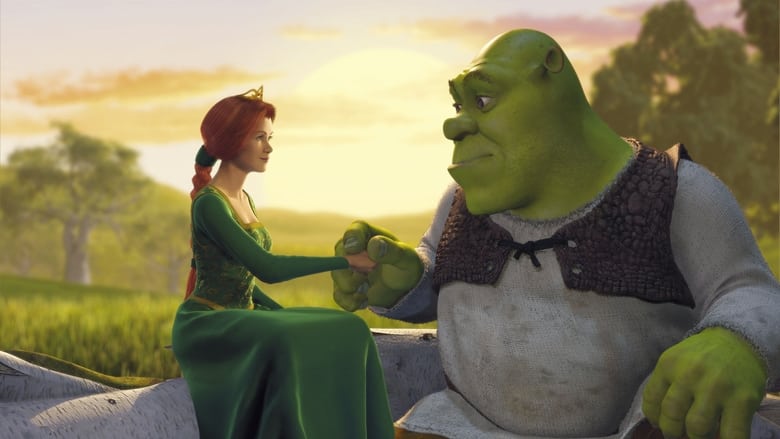
Shrek
2001
-

Ice Age
2002
-
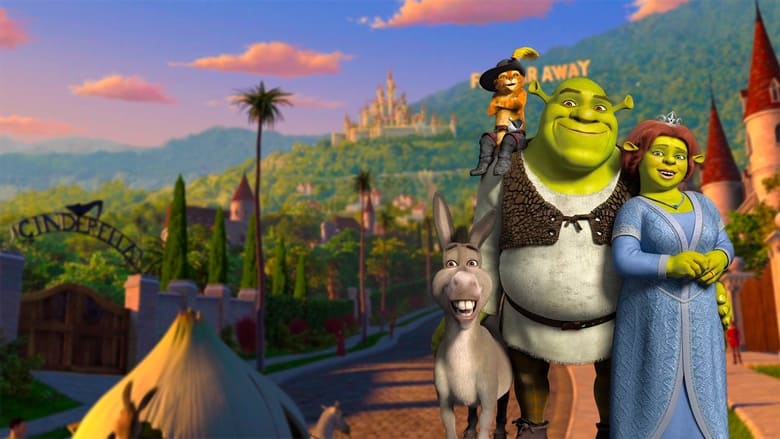
Shrek 2
2004
-

Madagascar
2005
-
Cars
2006
-

Ice Age: The Meltdown
2006
-
Over the Hedge
2006
-
Ratatouille
2007
-

The Simpsons Movie
2007
-
Chicken Run
2000
-

The SpongeBob SquarePants Movie
2004
-

Wallace & Gromit: The Curse of the Were-Rabbit
2005
-
Kung Fu Panda
2008