Millennium Actress
"A lifetime spent chasing a shadow on film."
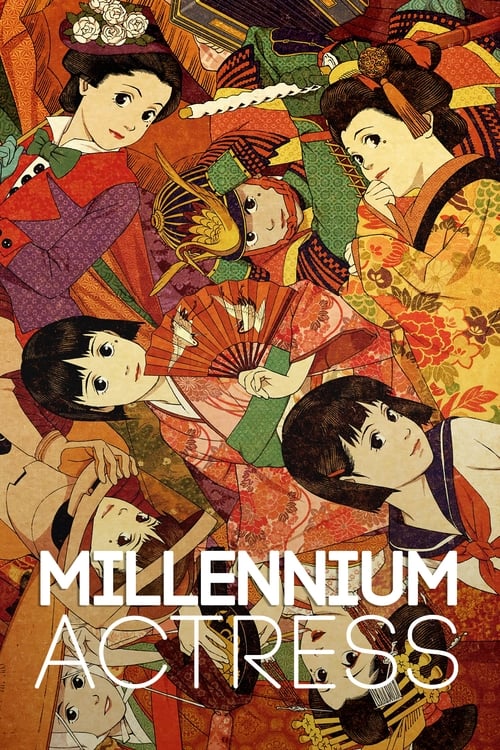
The most staggering number in cinema history isn’t the budget of Avatar or the box office of Endgame. It’s $37,641. That is the total domestic box office pull for Satoshi Kon’s Millennium Actress during its 2003 U.S. theatrical run. For context, that’s about what a mid-sized sedan costs today. For a film that regularly tops "Best Animated Film of All Time" lists, its initial disappearance into the cultural ether is nothing short of a crime. I watched this again last night while ignoring a pile of laundry that had reached sentience, and I’m still picking my jaw up off the floor.
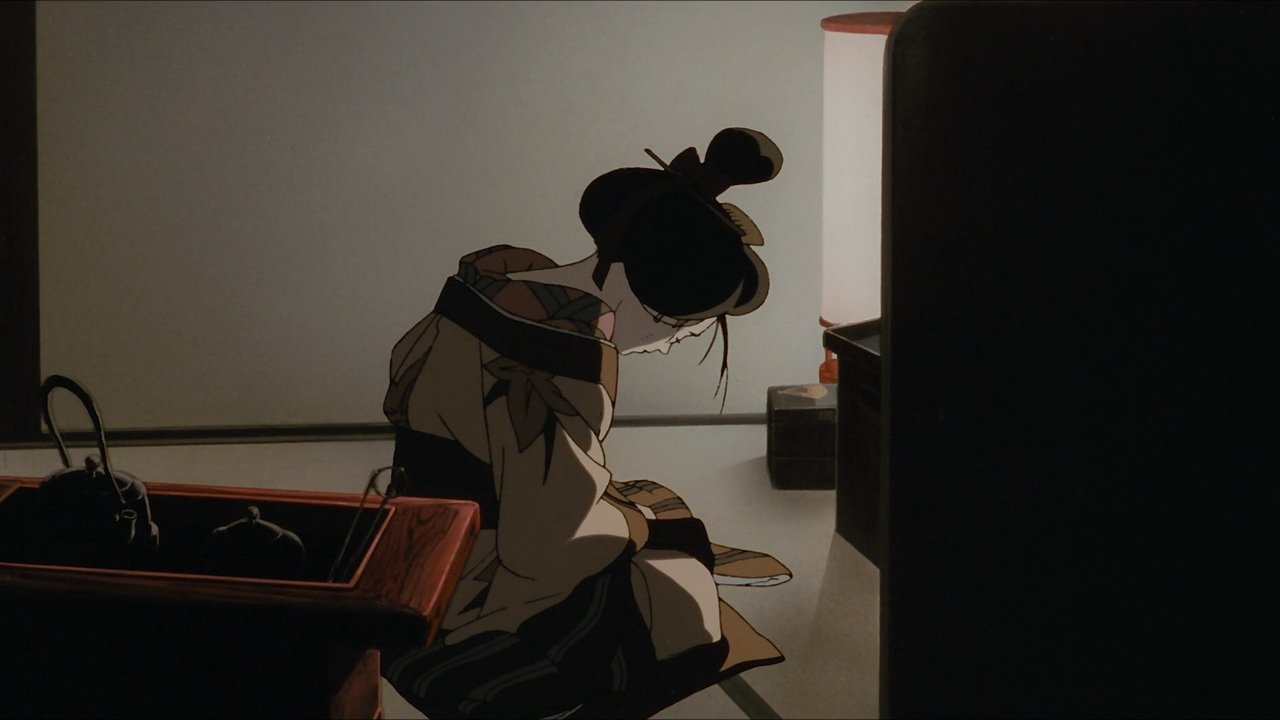
Millennium Actress arrived in the wake of the 1990s anime explosion, a time when the West was finally realizing that "cartoons" could be something other than Saturday morning toy commercials. But while Spirited Away was busy winning Oscars and becoming a household name, Millennium Actress was the quiet, sophisticated cousin that got lost in the shuffle. It’s a drama that treats the medium of animation not as a gimmick, but as the only possible way to tell a story this fluid, this heartbreaking, and this intellectually dense.
The Girl with the Key
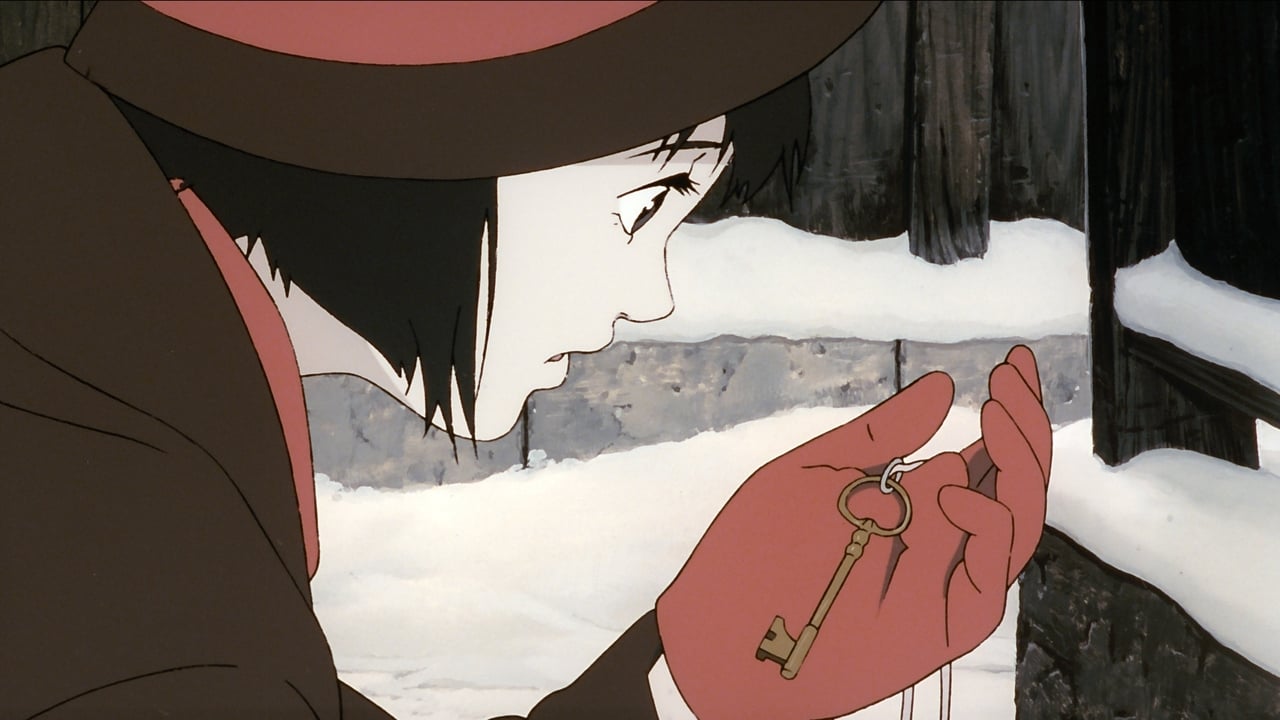
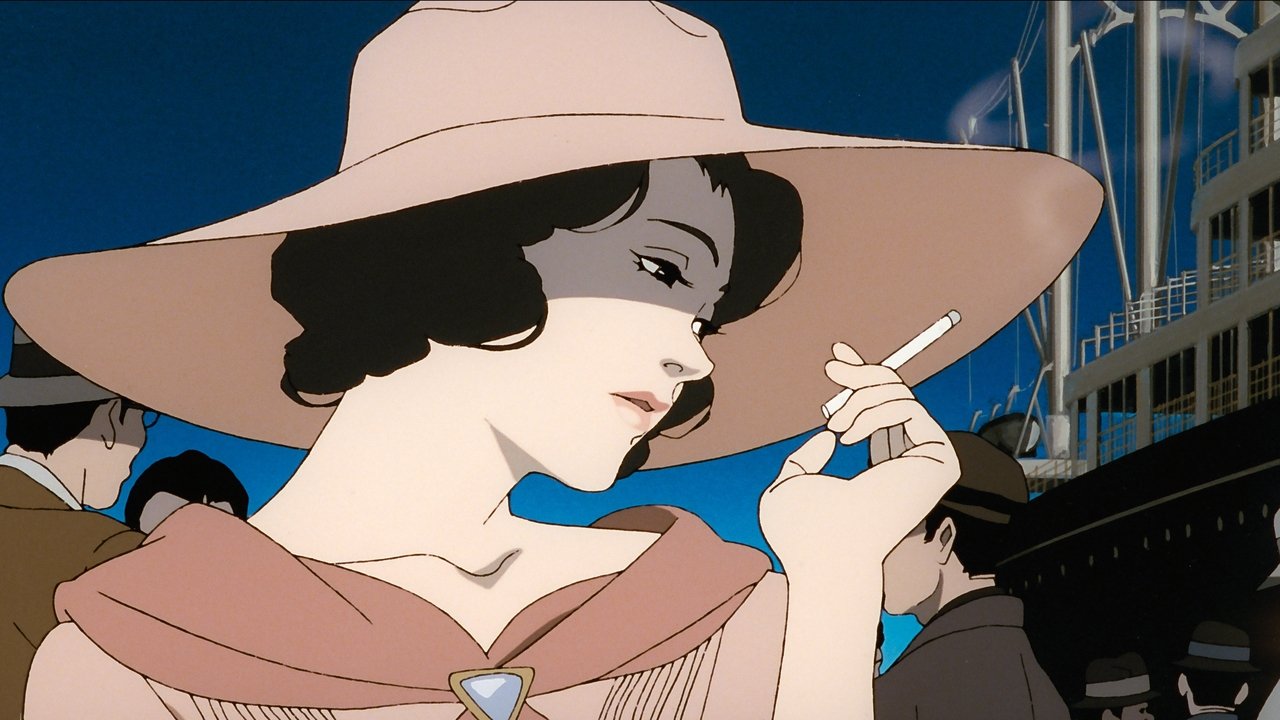
The premise is deceptively simple: a documentary filmmaker named Genya Tachibana (voiced by Shozo Iizuka) tracks down the legendary, reclusive actress Chiyoko Fujiwara (Miyoko Shoji). She’s been a ghost for thirty years. When Genya returns a lost key to her, Chiyoko begins to tell her life story.
But this isn't a standard biopic. As she speaks, the walls of her house literally crumble away, and we are thrust into her memories. The genius of Satoshi Kon—and I don't use that word lightly—is how he blurs the line between Chiyoko’s real life and the movies she starred in. One moment she’s a schoolgirl in pre-WWII Japan chasing a mysterious rebel; the next, she’s a princess in a Sengoku-era epic, then a pilot in a sci-fi flick, then a grieving wife in a post-war drama.
It’s a dizzying, recursive loop where the "truth" matters less than the "feeling." Genya and his cynical cameraman, Kyouji Ida (Masaya Onosaka), don't just listen; they are physically pulled into the scenes, often playing bit parts in Chiyoko’s films. It’s a hilarious and poignant meta-commentary on the way we, as fans, insert ourselves into the stories we love.
The King of the Match Cut

Looking back from the 2020s, it’s easy to forget how groundbreaking Kon’s editing was. This was the era where CGI was beginning to dominate, yet Kon was using traditional hand-drawn techniques to do things digital cameras still struggle with. His "match cuts"—where a character opens a door in 1940 and walks out into a scene set in 1500—are so seamless they feel like magic.
The production at Madhouse was a masterclass in efficiency. Apparently, composer Susumu Hirasawa began writing the score based on Kon’s rough sketches and plot summaries before the animation was even finalized. The result is a soundtrack that feels like the heartbeat of the movie—a propulsive, electronic throb that keeps us running alongside Chiyoko.
The vocal performances are equally layered. Having three different actresses—Fumiko Orikasa, Mami Koyama, and Miyoko Shoji—play Chiyoko at various stages of her life could have been jarring. Instead, it creates a haunting sense of continuity. You can hear the youthful idealism of the girl slowly hardening into the weary wisdom of the woman, yet that central spark—that desperate, romantic "chase"—never fades.
A Ghost in the Machine
Why did this film vanish? You can blame the distribution. DreamWorks picked up the rights but seemingly had no idea what to do with a mature, philosophical Japanese drama that wasn’t about a spirited girl or a giant robot. They basically treated it like a radioactive potato and dumped it into a handful of theaters with zero fanfare.
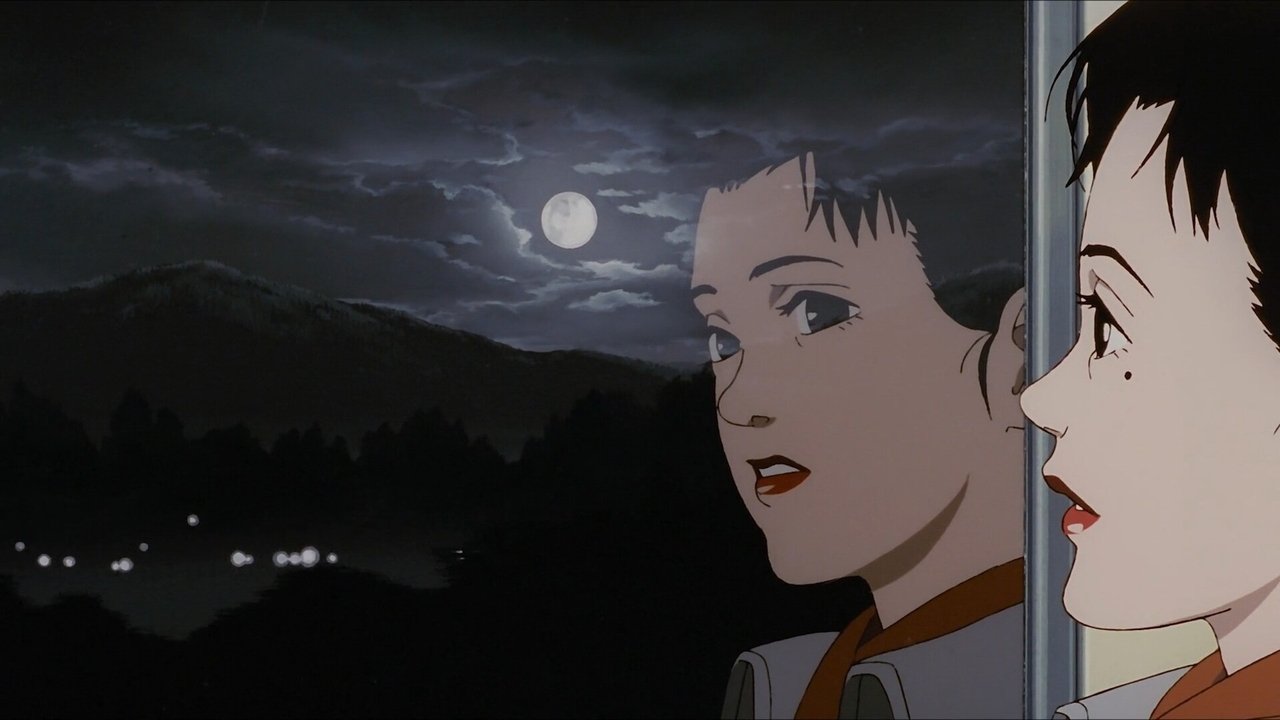
But the "DVD culture" of the mid-2000s saved it. This is exactly the kind of movie that rewards the "Pause" and "Rewind" buttons. Every frame is packed with historical Easter eggs and visual metaphors. It asks massive, terrifying questions: Is our identity built on what we achieve, or what we’ve lost? Is the pursuit of a dream more important than the dream itself?
There’s a specific brand of post-9/11 anxiety tucked into the film’s later sci-fi segments—a fear of the future and a longing for a simpler, albeit fictional, past. It captures that turn-of-the-millennium transition perfectly, standing on the precipice of the digital age while looking back at the analog warmth of 20th-century cinema.
Millennium Actress isn’t just a movie for "anime fans"; it’s a movie for anyone who has ever been moved by a flickering image on a screen. It’s a love letter to the history of Japan, the art of acting, and the beautiful tragedy of being human. Satoshi Kon left us far too soon in 2010, but this film remains his most personal, most optimistic statement. If you haven't seen it, stop reading this, find a copy, and let Chiyoko Fujiwara take you on a chase through a thousand years of history. You won't regret the miles.
Keep Exploring...
-
Tokyo Godfathers
2003
-
Neon Genesis Evangelion: The End of Evangelion
1997
-
A Dog's Will
2000
-
A Whisker Away
2020
-

Hotarubi no Mori e
2011
-
The Tale of The Princess Kaguya
2013
-
The Girl Who Leapt Through Time
2006
-

Paprika
2006
-
Corpse Bride
2005
-

Evangelion: 1.0 You Are (Not) Alone
2007
-
Across the Universe
2007
-
Evangelion: 2.0 You Can (Not) Advance
2009
-
Wolf Children
2012
-
The Garden of Words
2013
-
Perfect Blue
1998
-

Only Yesterday
1991
-
Talk to Her
2002
-

The Fall
2006
-
About Time
2013
-
Weathering with You
2019