Minority Report
"The future is set. Unless you run."
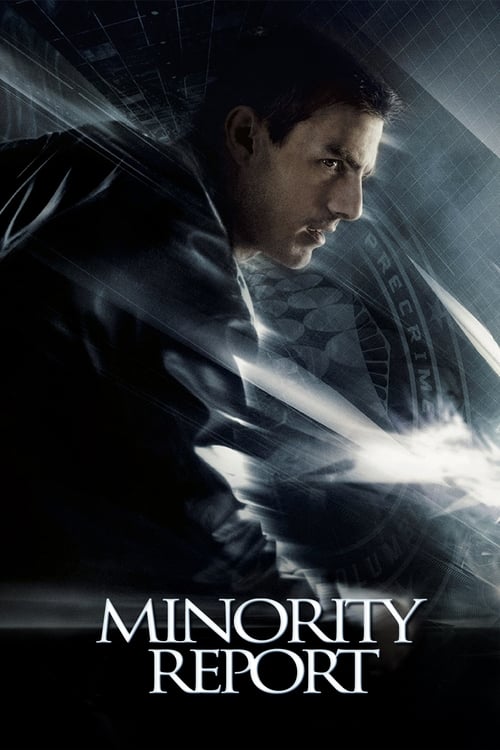
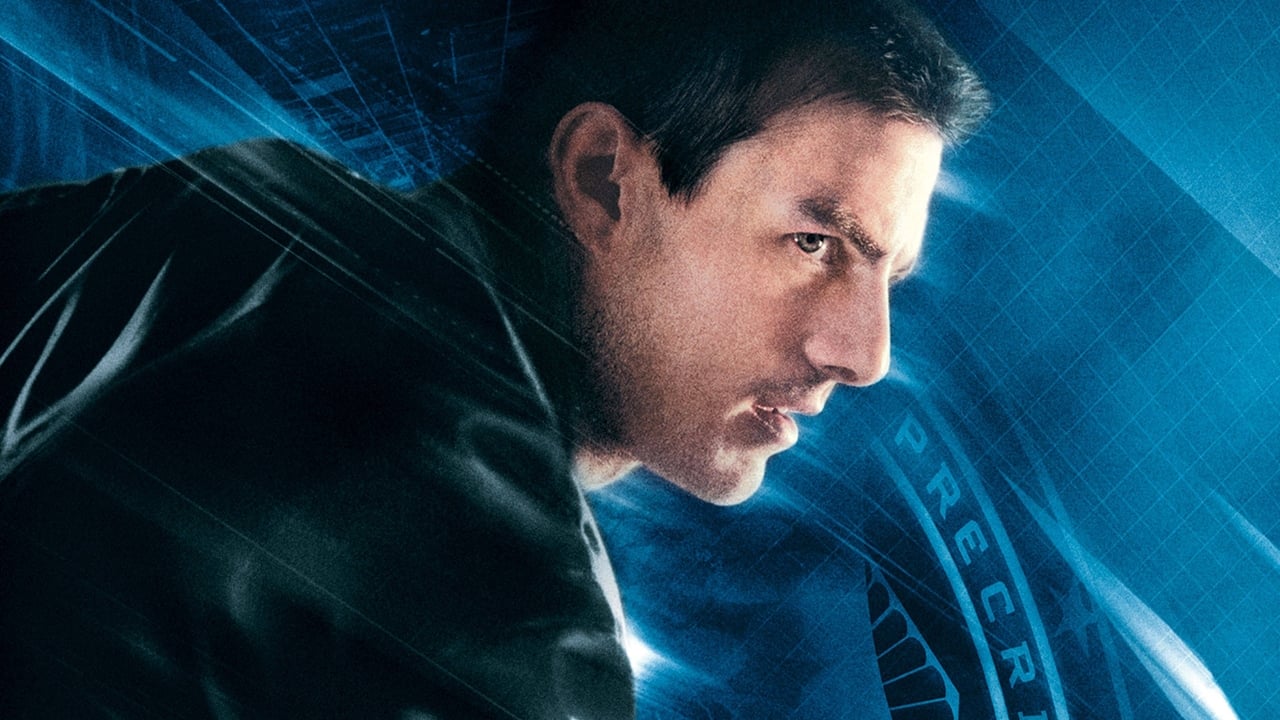
Standing in front of a transparent screen, waving his hands like a symphony conductor to manipulate fragments of a murder that hasn’t happened yet—this was the image that redefined "cool" tech for a generation. In 2002, Tom Cruise wasn't just a movie star; he was the primary test subject for Steven Spielberg’s most cynical, visually arresting vision of the future. Minority Report arrived at a fascinating crossroads in film history, caught between the tactile grit of 90s thrillers and the shimmering, digital promise of the new millennium. It’s a film that looks like a bruised rib and moves like a panic attack.
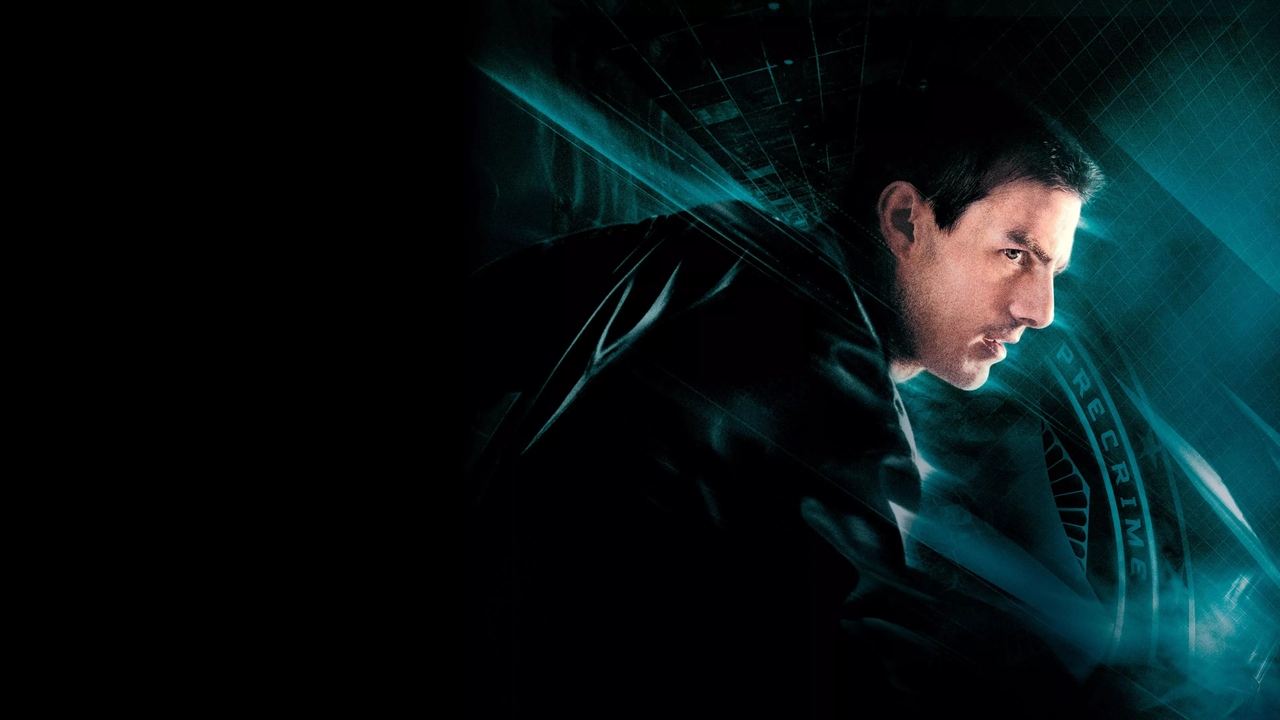
The Bleached-Out Future
I watched this again recently on a screen so large I could see the individual pores on Tom Cruise’s forehead, but I still miss the way it looked on the two-disc DVD set I bought in 2003. Back then, I spent hours combing through the special features just to understand why the movie looked so... "crusty."
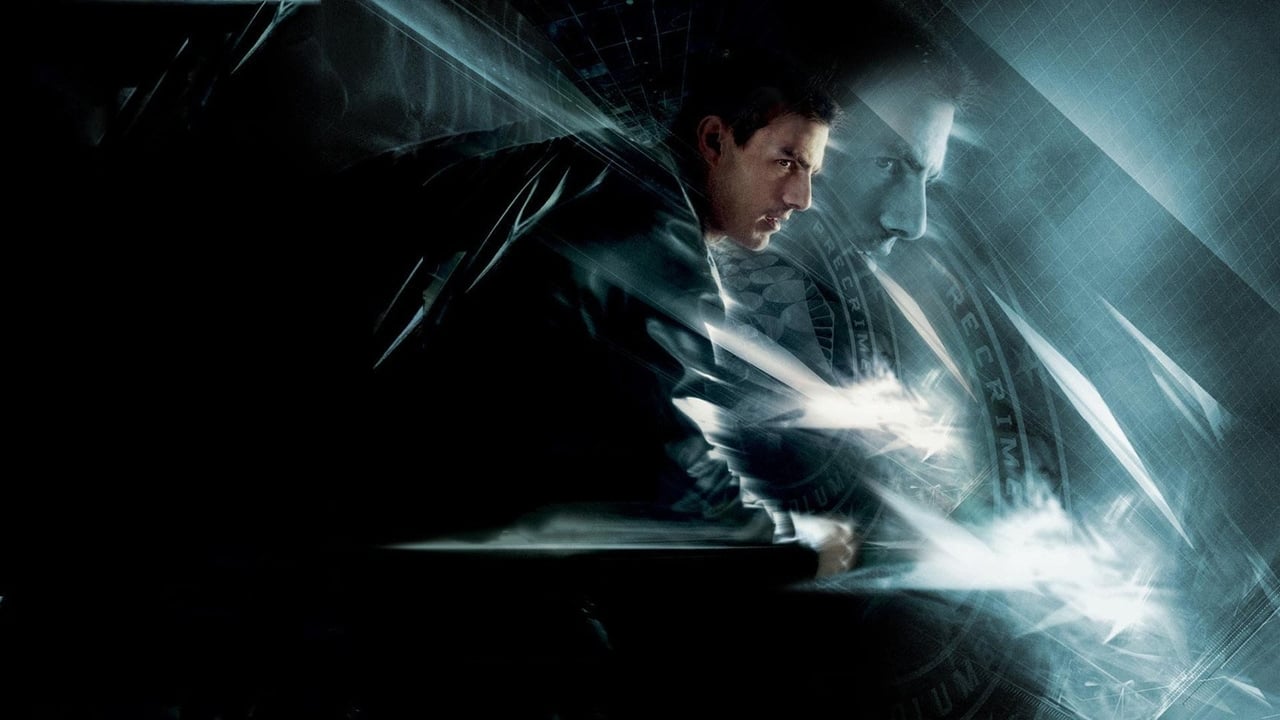
Cinematographer Janusz Kamiński used a "bleach bypass" process that stripped away the warmth, leaving us with a high-contrast, silver-and-blue world that feels perpetually cold. It was a bold choice for a $100 million blockbuster. Usually, studios want their big summer hits to be colorful and "toy-friendly," but Spielberg opted for a Neo-Noir aesthetic that makes the year 2054 look like a beautifully rendered nightmare.
This was the era of the CGI revolution, yet Minority Report holds up better than almost any of its contemporaries because it balances digital wizardry with terrifying physicality. When Tom Cruise as John Anderton is jumping across mag-lev cars that are scaling the sides of buildings, there’s a weight to it. Compare this to the weightless, rubbery physics of the Star Wars prequels coming out at the same time, and you see why Spielberg is the master. He knows that for the digital stuff to scare us, the physical stuff has to hurt.
Jetpacks and Spider-Bots
The action choreography here is top-tier "Peak Spielberg." The jetpack chase through a slum apartment complex is a masterclass in vertical geography. It’s messy, loud, and hilariously intrusive—at one point, a jetpack-fueled officer accidentally cooks a family’s dinner with his thrusters. It’s that human friction that keeps the high-concept sci-fi grounded.
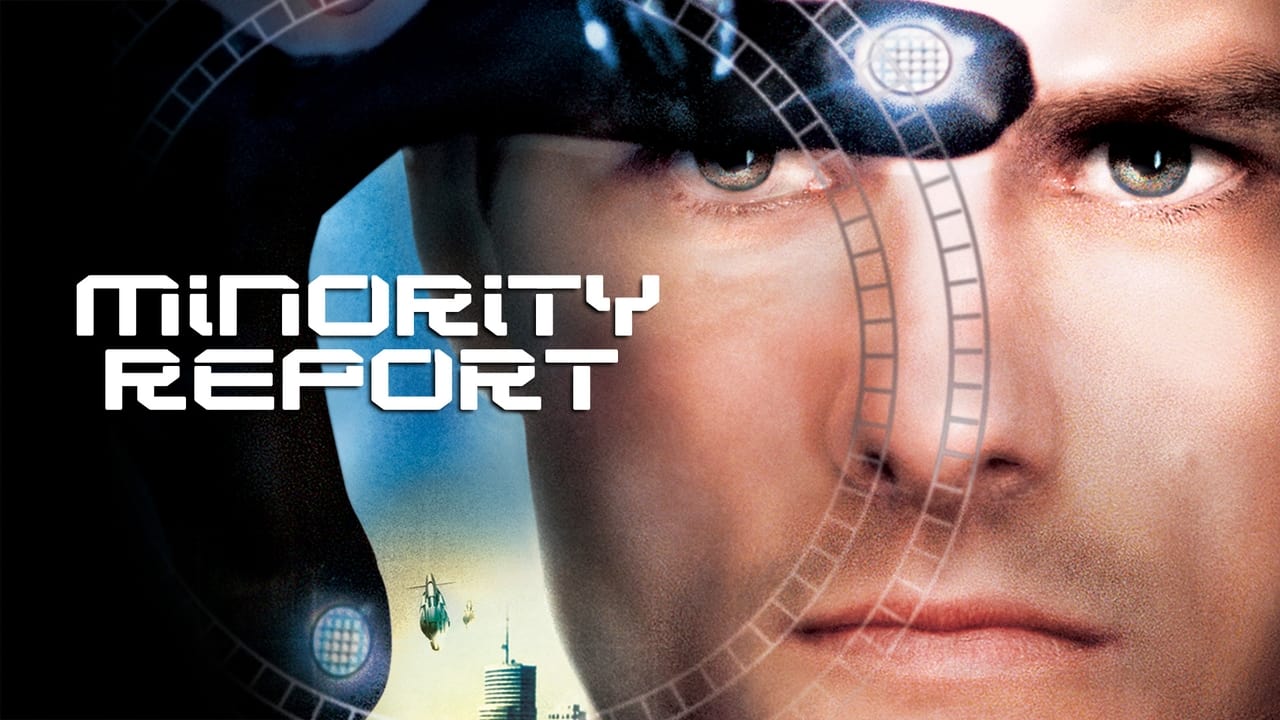
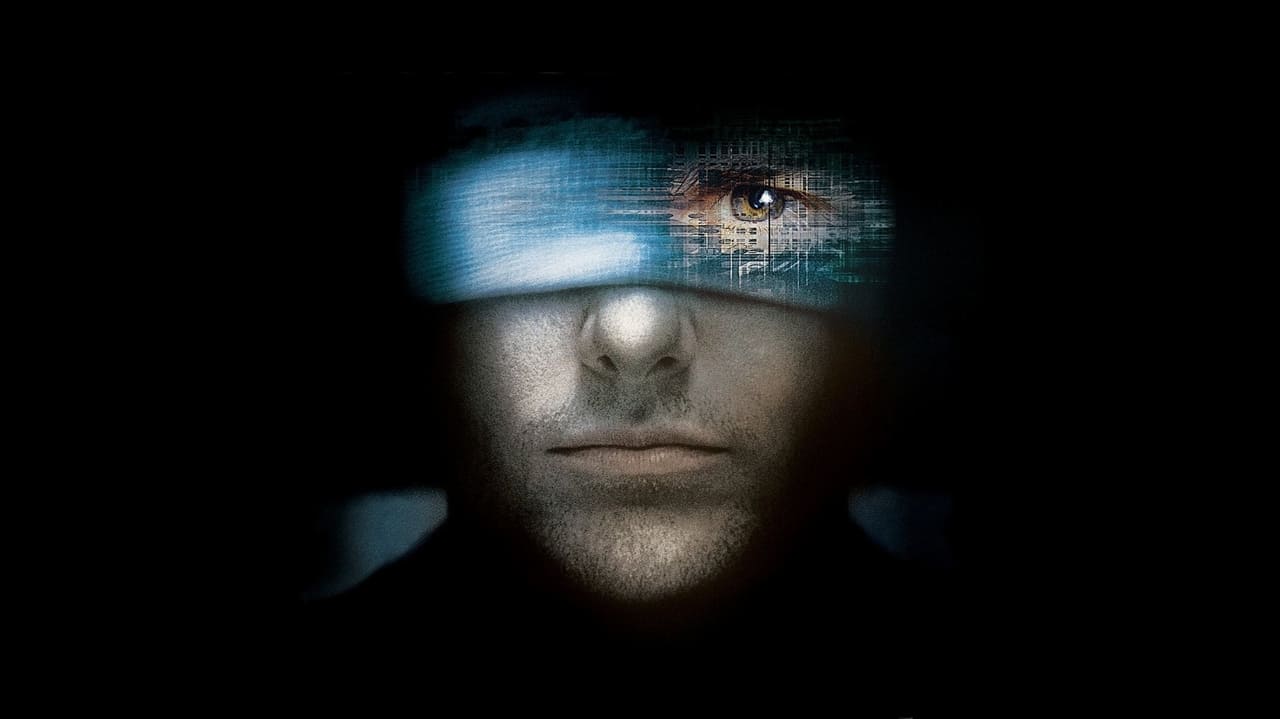
Then there are the "spiders"—tiny robotic drones that scuttle under doors to scan retinas. The sequence where Anderton hides in a bathtub full of ice water while the spiders search the building is easily one of the most stressful five minutes of 2000s cinema. The fact that this movie makes a routine eye exam feel like a death sentence is a testament to its intensity.
We also get Colin Farrell in his "impudent upstart" era as Danny Witwer. He’s the federal auditor sniffing around Anderton’s Precrime unit, and his chemistry with Cruise is electric. Farrell brings a smug, Jesuit-educated intensity that makes him the perfect foil for Cruise’s grieving, drug-addicted hero. Watching them trade barbs is just as entertaining as the explosions.
The "Future Summit" and Reality
One of the coolest things about the production was the "think tank" Spielberg convened. He invited three dozen experts—architects, scientists, and urban planners—to a hotel in Santa Monica to map out what 2054 would actually look like. They predicted personalized advertising that calls you by name (which now happens every time I open Instagram) and gesture-based computing.
I once tried to replicate that gesture-control UI with my laptop's webcam back in 2010 and ended up knocking a glass of lukewarm Diet Coke onto my keyboard. It turns out waving your arms around to delete emails is significantly less graceful in a studio apartment than it is in a multi-billion dollar police headquarters.
But beneath the cool gadgets, the film is deeply haunted. Released less than a year after 9/11, its themes of "pre-emptive" action and the sacrifice of civil liberties for the sake of security felt raw in 2002. It asks a dark, uncomfortable question: If we could eliminate murder by arresting people before they act, is the loss of free will worth the price of safety?
A Masterpiece of Paranoia
The film’s third act takes us into even darker territory, revolving around the "Pre-Cogs"—three psychically gifted humans floating in a pool of milk, dreaming of deaths. Samantha Morton as Agatha gives a haunting, largely non-verbal performance. When she finally gets out of the pool and clings to Anderton in a shopping mall, whispering "Run," the movie shifts from a tech-thriller into something much more emotional and desperate.
There’s a long-standing fan theory that the ending of the film—which feels uncharacteristically "happy" for such a grim story—is actually a hallucination occurring inside Anderton’s brain after he’s been "haloed" (digitally lobotomized) and put into cold storage. The idea that the hero’s victory is just a dream while he rots in a tube is the kind of pitch-black ending this movie deserves.
Minority Report is the rare blockbuster that respects your intelligence while trying to blow your hair back. It’s a sensory overload of early-2000s ambition, anchored by a star who was willing to get his face dunked in ice water and his eyes replaced just to keep us watching. It’s not just a great sci-fi movie; it’s a prophetic look at the world we eventually built for ourselves—targeted ads and all.
Keep Exploring...
-

War of the Worlds
2005
-

The Lost World: Jurassic Park
1997
-

The Matrix Reloaded
2003
-
Munich
2005
-
Terminator 2: Judgment Day
1991
-
Rise of the Planet of the Apes
2011
-

The Hunger Games
2012
-
Dawn of the Planet of the Apes
2014
-
Armageddon
1998
-
Mission: Impossible
1996
-
Mission: Impossible - Ghost Protocol
2011
-
Star Trek: First Contact
1996
-

Starship Troopers
1997
-

V for Vendetta
2006
-
The Maze Runner
2014
-
Batman Beyond: Return of the Joker
2000
-
Equilibrium
2002
-
Serenity
2005
-
Children of Men
2006
-
Face/Off
1997