Mr. Deeds
"Big money, small town heart, and a very purple foot."
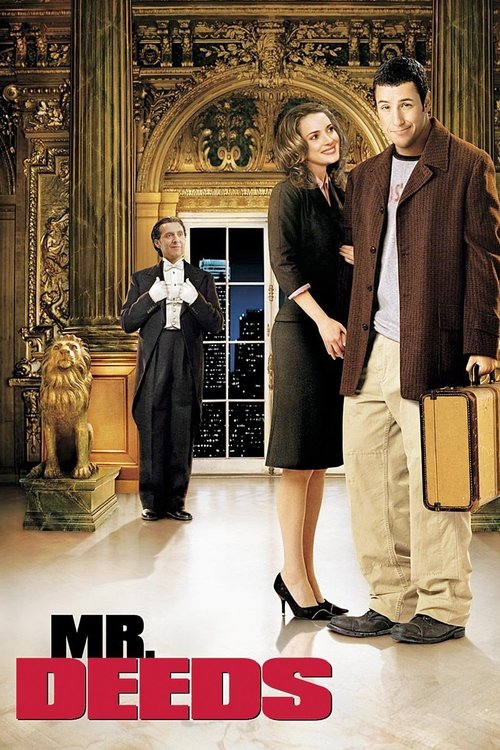
The early 2000s represented the peak of the "Happy Madison" assembly line, a period where Adam Sandler could essentially sneeze on a script and guarantee a $100 million domestic return. In 2002, that formula collided head-on with a Hollywood classic. Mr. Deeds is a loose, rowdy remake of Frank Capra’s 1936 masterpiece Mr. Deeds Goes to Town, and while Gary Cooper’s Deeds was a soulful tuba player, Sandler’s Longfellow Deeds is a greeting-card-writing pizza monger with a right hook like a freight train.
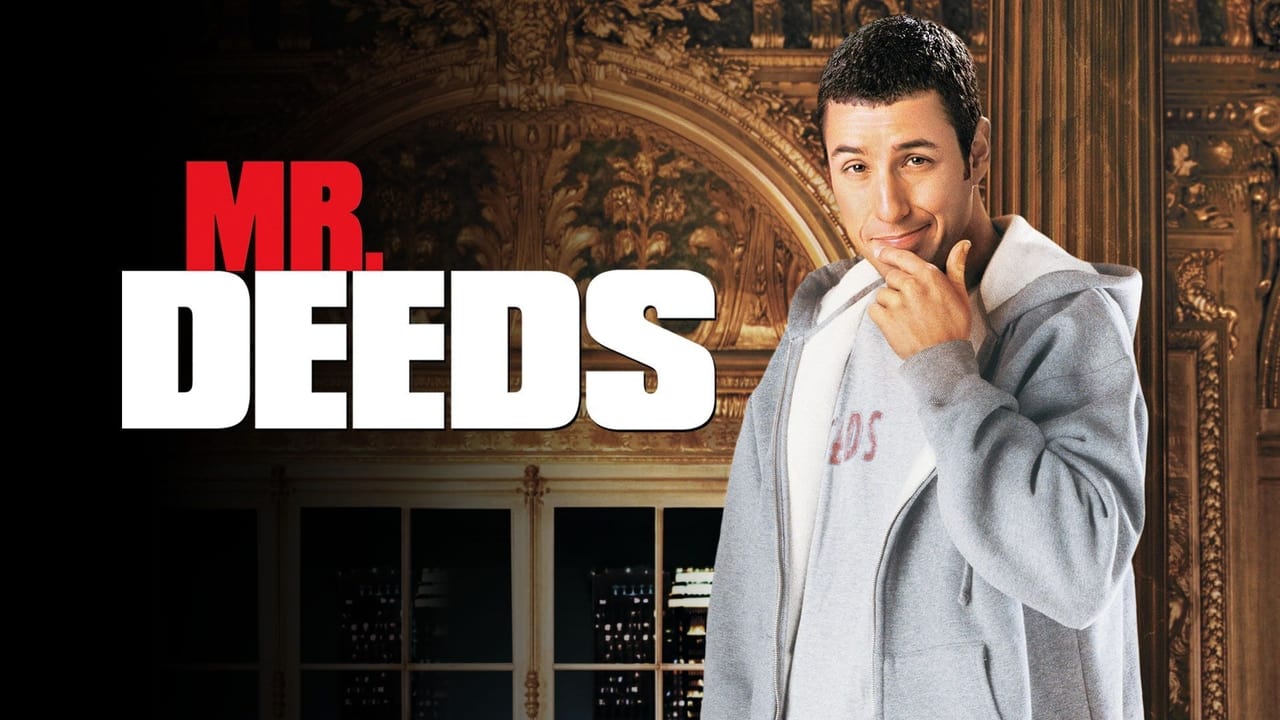
I watched this while eating a slice of pepperoni pizza that was so cold the cheese had the structural integrity of a rubber floor mat, and honestly, it felt like the only appropriate way to consume this movie. It’s a film that demands zero intellectual calories, offering instead a comforting, greasy familiarity that defined the transition from the cynical 90s into the "earnest-but-stupid" era of the early millennium.
The Capra-Sandler Collision
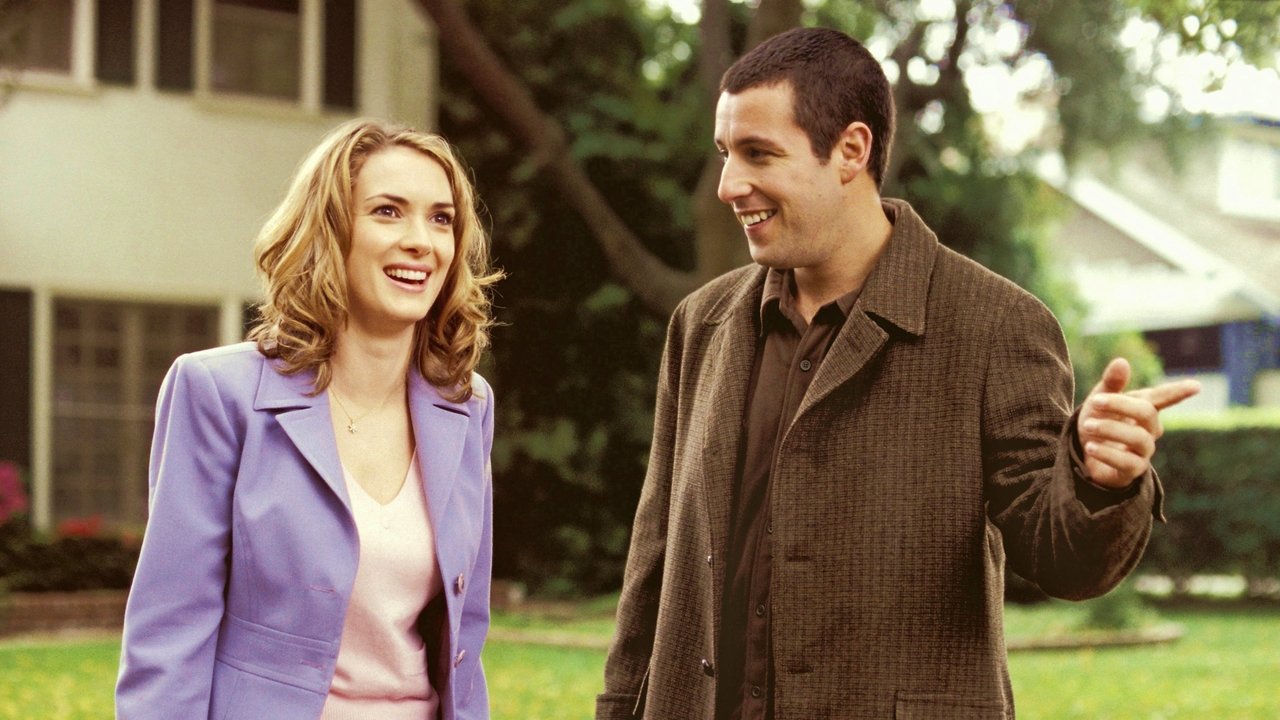
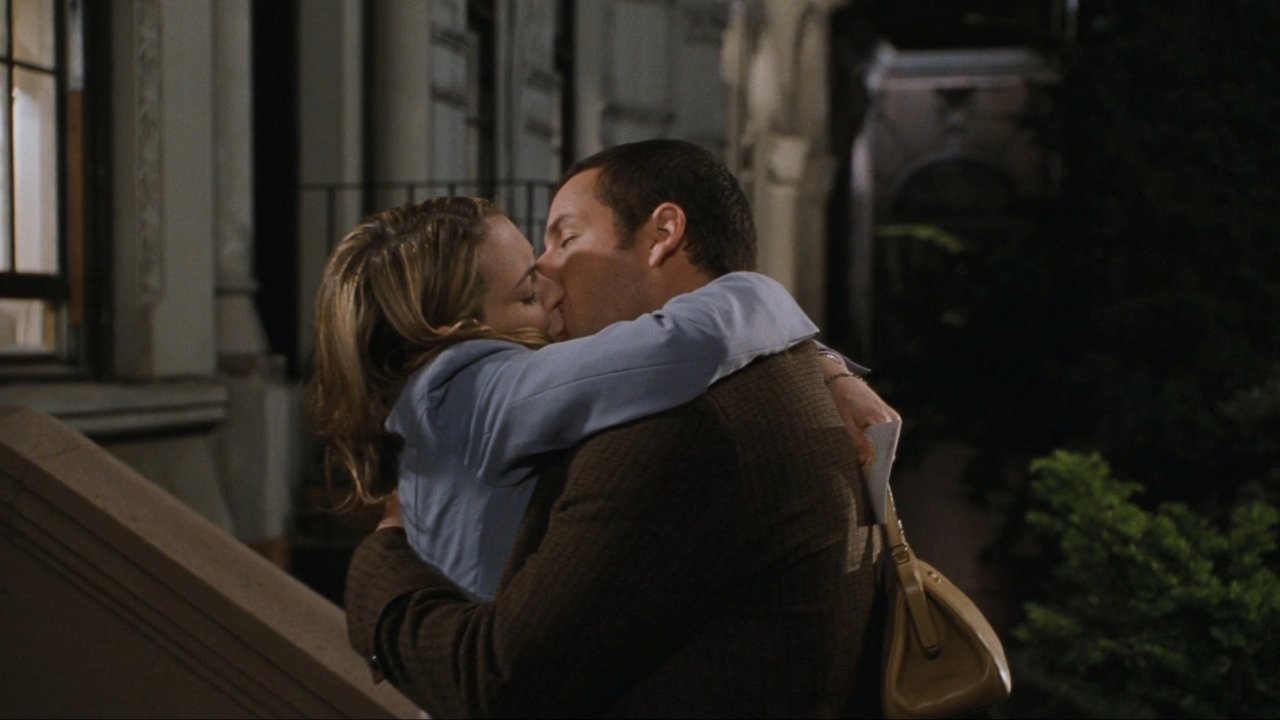
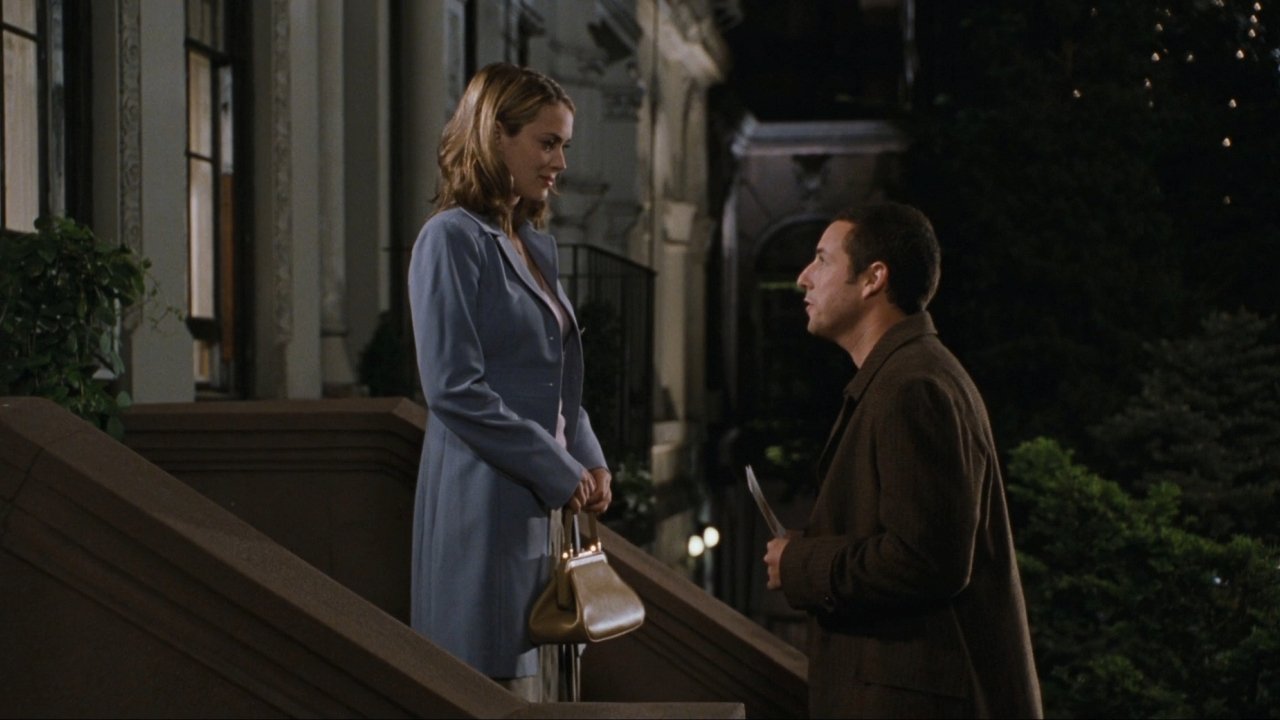
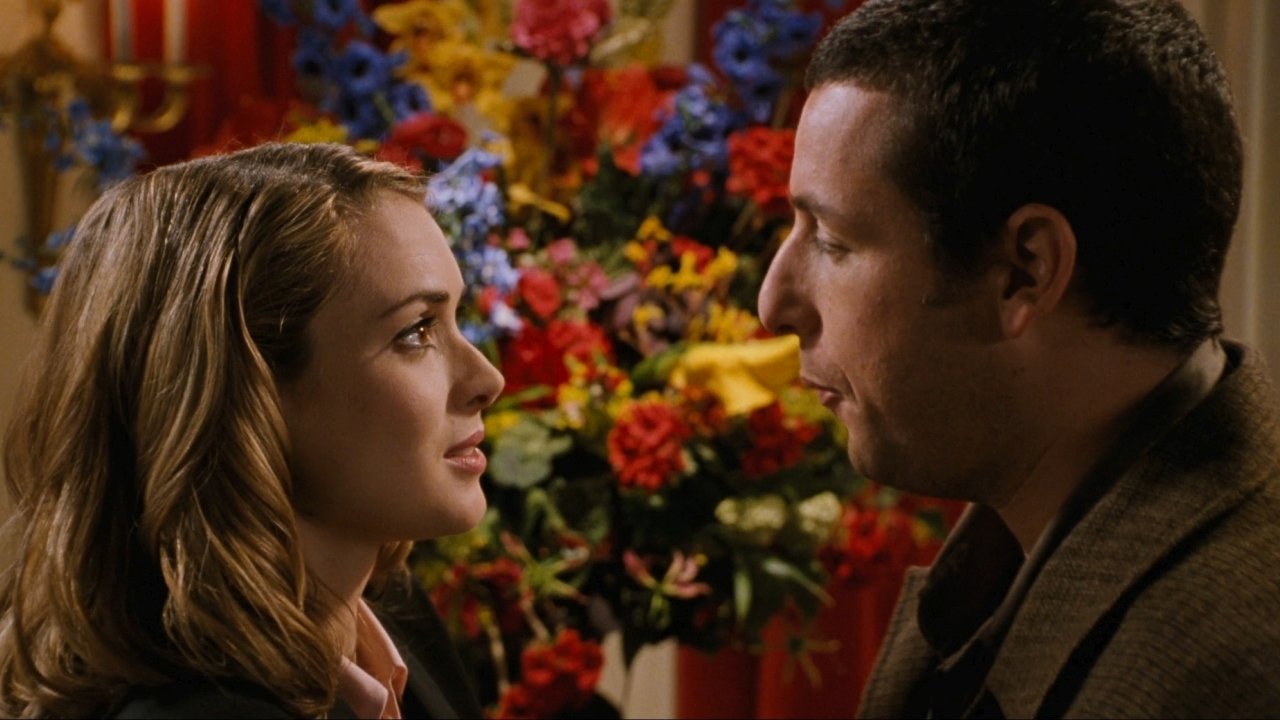
The plot remains a sturdy skeleton for comedy: a small-town simpleton inherits $40 billion and heads to New York City, where the corporate vultures and tabloid hacks are waiting to pick him clean. Winona Ryder plays Babe Bennett, a reporter who goes undercover as a "small-town girl" to win Deeds' heart and document his eccentricities.
Looking back, this was a fascinating moment for Winona Ryder. Coming off a string of high-prestige dramas and a very public tabloid scandal of her own, she feels slightly out of place here. Winona Ryder looks like she’s being held hostage by the script in every second scene, her natural gravitas clashing with the requirement to fall in love with a man who hits kids with tennis balls. Yet, that awkwardness somehow works in the context of her character’s deception. She’s a "bad" actor playing a "bad" actor, and in the world of Sandler-verse slapstick, that’s a win.
The film serves as a perfect time capsule of 2002 aesthetics—the weirdly baggy suits, the aggressive product placement (Wendy’s gets a heavy workout), and a version of New York that felt scrubbed clean and oddly friendly following the events of 9/11. There’s a palpable desire for "niceness" in this film, even if that niceness is frequently punctuated by Deeds punching people in the face.
A Sneaky Standout
While Sandler does his usual routine—the goofy voice, the sudden outbursts of rage—the film is consistently stolen by the supporting cast. This was the era where the Sandler "ensemble" became a cultural force. John Turturro, as the "sneaky, sneaky" butler Emilio Lopez, provides the movie’s high-water marks for pure comedic timing. His obsession with Deeds’ frostbitten, blackened foot is the kind of high-concept gross-out humor that shouldn't work, but Turturro’s deadpan commitment makes it legendary.
Peter Gallagher is perfectly oily as the corporate villain Chuck Cedar, and Jared Harris (years before Mad Men or Chernobyl) pops up as a sleazy tabloid boss. Then there’s the "Crazy Eyes" cameo by Steve Buscemi, a performance that consists entirely of googly-eyed staring and an obsession with french fries. It’s a reminder that during this blockbuster era, Sandler’s greatest strength was his ability to convince world-class actors to act like absolute morons for a massive paycheck.
The Blockbuster Machinery
By the numbers, Mr. Deeds was a massive success, even if critics at the time treated it like a crime against cinema. With a production budget of $50 million, it raked in over $171 million worldwide. It was the 16th highest-grossing film of 2002, rubbing shoulders with Signs and Men in Black II.
The film’s legacy isn’t built on its "artistry" but on its ubiquity. This was a DVD-era titan. Apparently, the "sneaky sneaky" line became such a playground staple that Turturro has mentioned in interviews that people still yell it at him more than they ask about The Big Lebowski. The film also marked a turning point where the "Sandler Brand" became bigger than the movies themselves. The soundtrack, featuring Dave Matthews Band and U2, was expertly calibrated for the VH1-watching demographic of the time.
Technically, the film is unremarkable—Steven Brill directs with a flat, TV-special style that prioritizes the joke over the frame. But the CGI used for the "frosty foot" and some of the more elaborate physical gags (like the fire rescue scene) represents that early-2000s era where digital effects were finally cheap enough to be used for throwaway sight gags rather than just dinosaurs or spaceships.
In retrospect, Mr. Deeds is the cinematic equivalent of a box of Kraft Mac & Cheese. It isn't "good" in any traditional sense, but it is deeply satisfying in the right environment. It captures a specific moment when Adam Sandler was the undisputed king of the box office, capable of turning a Great Depression-era morality tale into a vehicle for "sneaky" butlers and blackened toes. It’s a breezy 97 minutes that reminds me of a time when comedies didn't need to be subversive or high-concept—they just needed a likable guy, a few cameos, and a very well-timed punch to the jaw.
Keep Exploring...
-
Little Nicky
2000
-
The Wedding Singer
1998
-
Big Daddy
1999
-
The Waterboy
1998
-
50 First Dates
2004
-
I Now Pronounce You Chuck & Larry
2007
-
Bedtime Stories
2008
-
Blended
2014
-

Grown Ups 2
2013
-

George of the Jungle
1997
-
Runaway Bride
1999
-
Meet the Parents
2000
-
What Women Want
2000
-
Two Weeks Notice
2002
-
American Wedding
2003
-
How to Lose a Guy in 10 Days
2003
-
Something's Gotta Give
2003
-
Meet the Fockers
2004
-
Shall We Dance?
2004
-
Hitch
2005