My Big Fat Greek Wedding
"The loudest dinner party in cinema history."
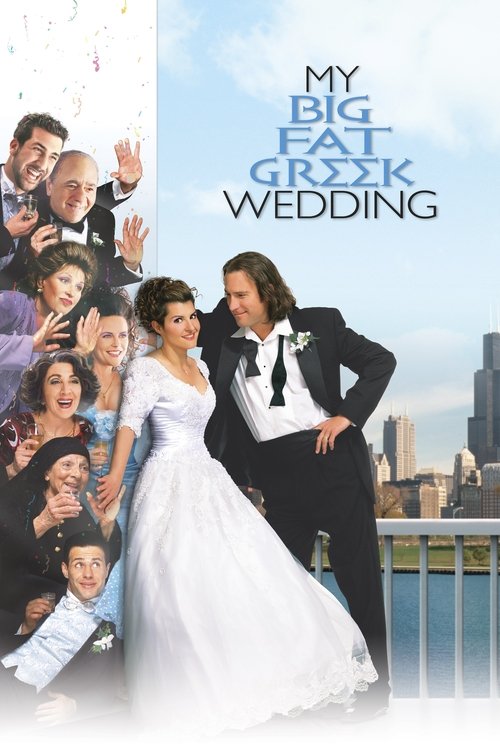
There is a specific kind of alchemy involved when a five-million-dollar independent film manages to outgross nearly every polished, studio-backed blockbuster in its path. In 2002, the world was still reeling from a seismic shift in the cultural landscape, and while big-budget spectacles were trying to figure out how to be "gritty" enough for a post-9/11 audience, a small story about a woman, a vegetarian, and a bottle of Windex quietly conquered the planet. It’s the ultimate underdog story, both on-screen and off, and looking back at it now, the film’s success feels less like a fluke and more like a testament to the power of a specific, lived-in perspective.
The Drama of the Dinner Table
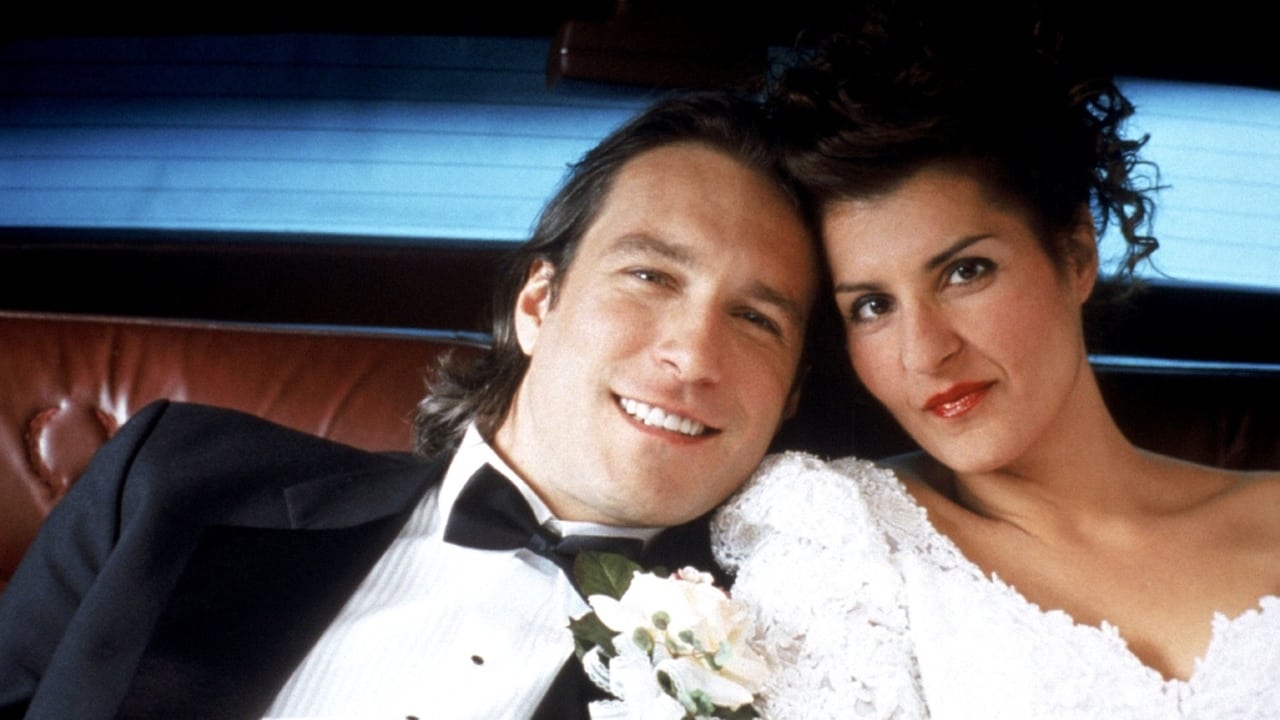
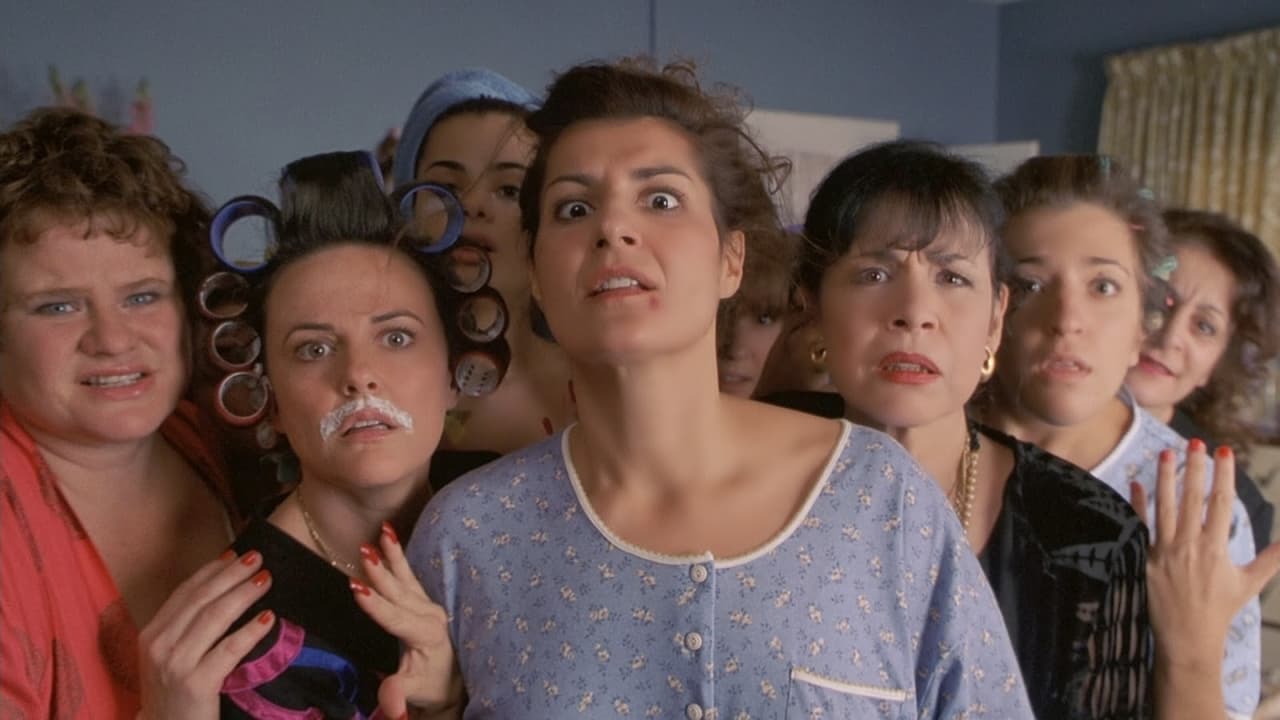
While everyone remembers the "Bundt cake" jokes and the slapstick antics of the Portokalos clan, the engine of My Big Fat Greek Wedding is actually a surprisingly grounded drama about self-actualization. When we first meet Fotoula "Toula" Portokalos, played with a wonderful, weary relatability by Nia Vardalos, she isn't just a "late bloomer"—she’s a woman suffocating under the weight of cultural expectation. I watched this while eating a bag of slightly stale pita chips, and I’ve never felt more judged by a fictional father figure than I did during the opening scenes.
The drama here isn't found in grand tragedies, but in the quiet, internal struggle of a woman trying to evolve without betraying her roots. Nia Vardalos (who also wrote the screenplay based on her one-woman play) captures that specific brand of immigrant-child guilt with surgical precision. The scene where she begs her father for the chance to take computer classes isn’t played for laughs; it’s played for the high stakes of a woman fighting for her life. It’s easy to dismiss this as a "light" movie, but Toula’s arc—from a slumped-over seating hostess to a confident woman standing tall in her own travel agency—is a beautifully executed character study.
A Masterclass in Ensemble Chemistry
The film’s secret weapon is undoubtedly its cast. Michael Constantine gives an iconic performance as Gus Portokalos. He could have easily been a cartoon character, but Constantine finds the pathos in Gus’s stubbornness. To Gus, the world is a dangerous place that wants to dilute his heritage, and his obsession with Greek origins is a defense mechanism against a changing world. When he finally accepts Ian Miller, played by John Corbett, it feels like a genuine peace treaty.
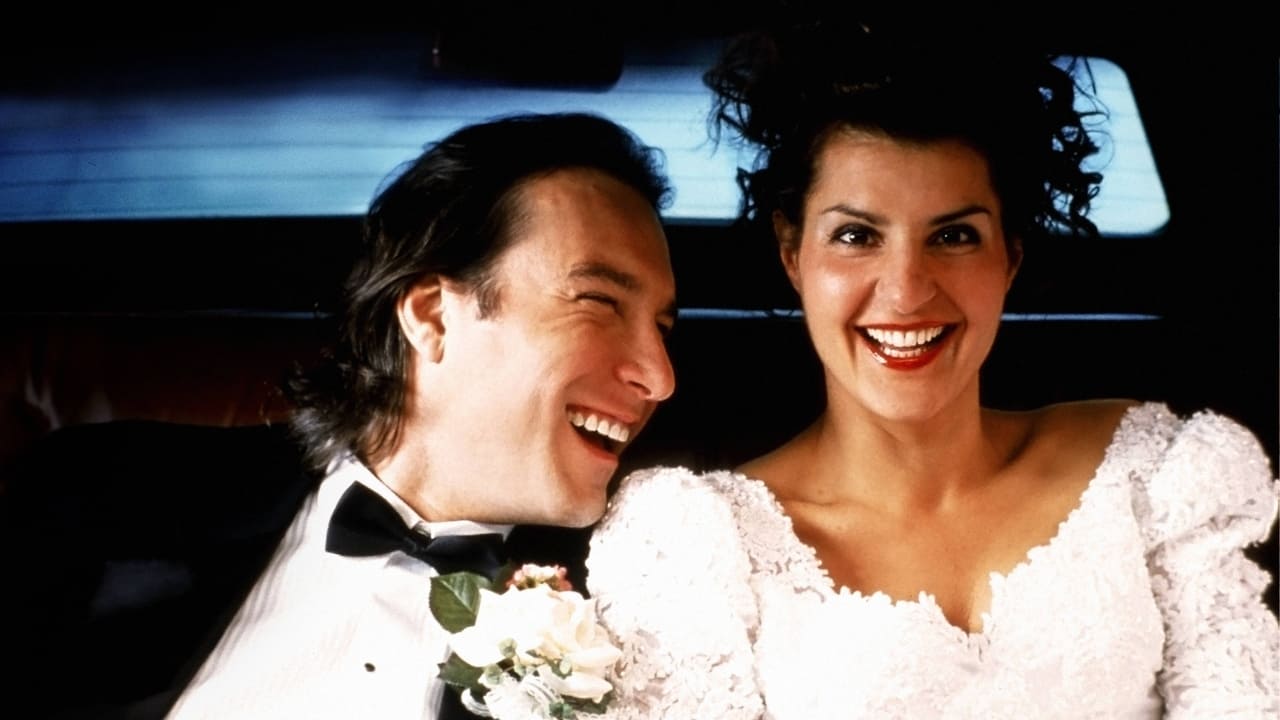
Speaking of John Corbett, he is essentially a human golden retriever in a denim shirt. His Ian Miller is the ultimate "straight man," providing the calm center to the chaotic Greek storm. He doesn’t try to out-joke the family; he simply loves Toula enough to get baptized in a plastic kiddie pool. And then there’s Andrea Martin as Aunt Voula, who arguably delivers some of the most quotable lines in 21st-century comedy. Her "I have a lump" monologue is a bizarre, specific piece of character work that feels like it was ripped directly from a real family holiday.
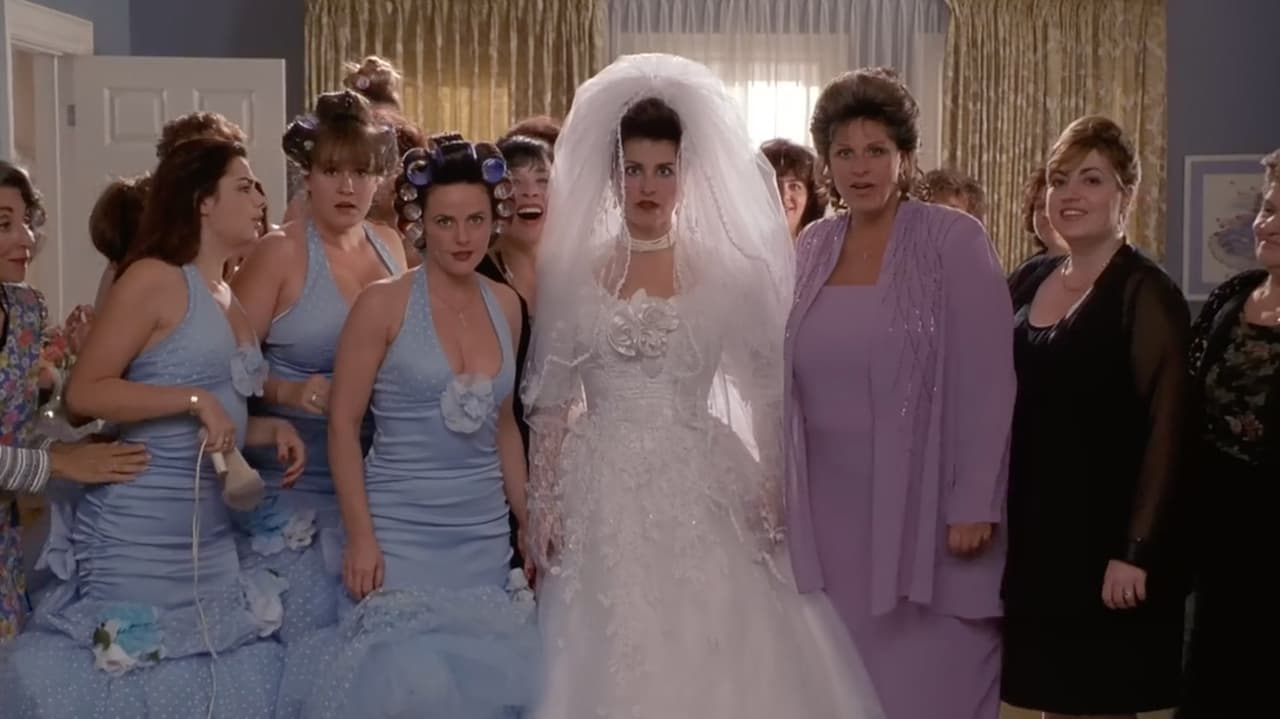
Director Joel Zwick (known for his prolific work on classic sitcoms like Full House and Family Matters) keeps the camera focused on the faces. He understands that in a film about a giant family, the reaction shots are just as important as the dialogue. The film doesn't rely on flashy cinematography or early-2000s digital trickery; it relies on the heat generated when you put fifteen talented actors in a room and tell them to argue about lamb.
The DVD Era and the "Sleeper" Phenomenon
It is impossible to discuss this film without acknowledging its status as a commercial juggernaut. It cost $5 million to make and grossed over $368 million worldwide. This was the era where "word of mouth" was a physical, tangible force. People didn't just see this movie; they became evangelists for it. My parents bought the DVD and it lived in the player for six months, acting as the default background noise for every Sunday dinner.
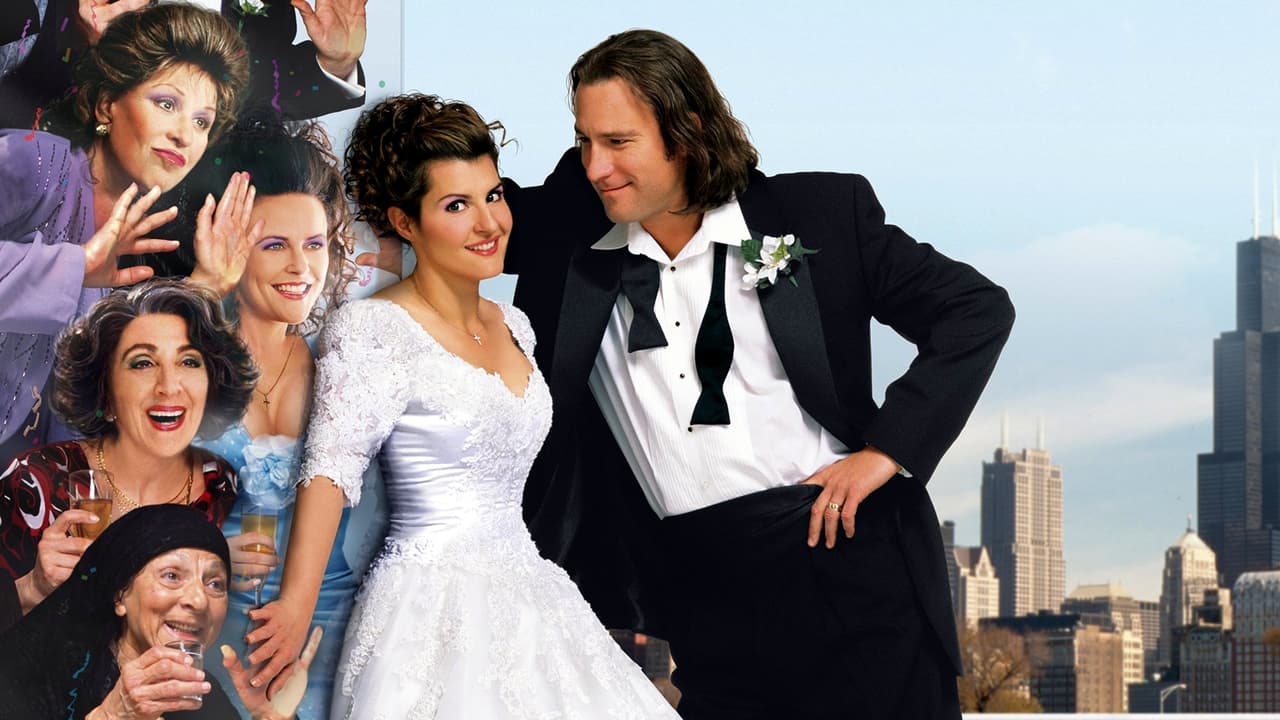
This was the peak of the Indie Film Renaissance, where producers like Tom Hanks and Rita Wilson could see a small play and turn it into a global phenomenon. It also highlights a lost era of the mid-budget "grown-up" movie. Today, a story like this would likely be a six-episode streaming miniseries or a straight-to-digital release. But in 2002, it stayed in theaters for nearly a year because it offered something the burgeoning franchises of The Lord of the Rings or Harry Potter couldn't: a reflection of the messy, loud, and ultimately loving reality of modern family life.
The film does lean into some tropes that feel a bit "Early 2000s" now—the "ugly duckling" transformation involves a lot of hairspray and some very aggressive eyeliner—but the most aggressive use of a cleaning product in cinematic history still lands perfectly. The Windex gag works because it’s a universal truth: every family has that one weird, inexplicable cure-all.
My Big Fat Greek Wedding succeeds because it chooses specificity over generalization. By being intensely, unapologetically Greek, it managed to become universal. It’s a film that earns its sentimentality by grounding it in the friction of real relationships. Whether you’re Greek, Italian, Jewish, or just part of a family that talks too much and eats too much, you’ll find yourself in Toula’s story. It remains a comforting, hilarious reminder that you can move out of your parents' house, but you can never really leave the dinner table.
Keep Exploring...
-
My Big Fat Greek Wedding 2
2016
-
Chocolat
2000
-

Bridget Jones's Diary
2001
-

Shallow Hal
2001
-
About a Boy
2002
-
Love Actually
2003
-
Sideways
2004
-
The Princess Diaries 2: Royal Engagement
2004
-
Juno
2007
-
Knocked Up
2007
-
As Good as It Gets
1997
-
Stepmom
1998
-
Lost in Translation
2003
-
Something's Gotta Give
2003
-
Shall We Dance?
2004
-
Hitch
2005
-
Sleepless in Seattle
1993
-

Forgetting Sarah Marshall
2008
-

High School Musical 3: Senior Year
2008
-
Welcome to the Sticks
2008