Panic Room
"The only thing more dangerous than being locked out is being locked in."
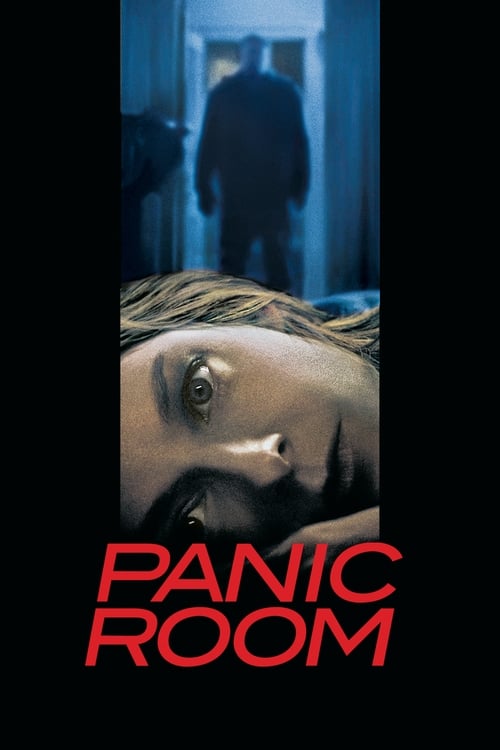
The camera glides through a coffee pot handle, slips through the floorboards, and snakes into a keyhole like a digital ghost. This was my introduction to the "impossible" cinematography of David Fincher, a director who treats a house less like a home and more like a giant, ticking clock. I watched this film on a DVD I found in a bargain bin at a gas station, and the case still smells faintly of unleaded fuel, but even that couldn't distract from the cold, clinical tension radiating from the screen.
The Peak of the "Gimmick" Era
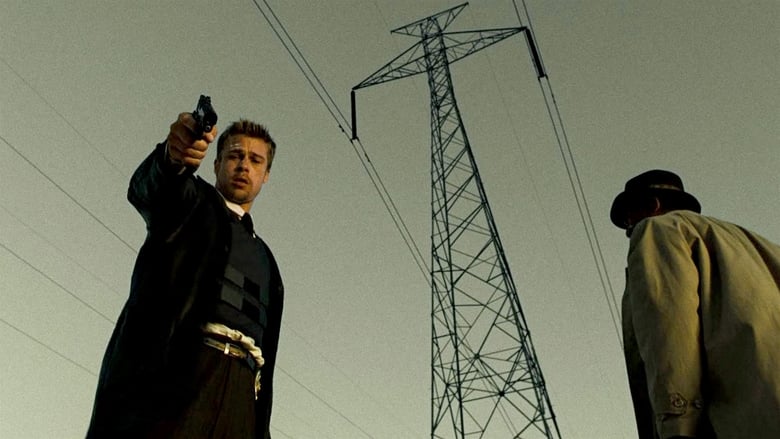
Panic Room arrived in early 2002, landing in a sweet spot of cinema history. We were moving away from the gritty, film-grain texture of the 90s and diving headfirst into the digital slickness of the new millennium. This movie is a time capsule of that transition. Fincher, who had already blown our minds with Se7en and Fight Club, decided to tackle a "bottle movie"—a story confined almost entirely to one location. But because he’s Fincher, he couldn't just use a standard camera. He used photogrammetry and early CGI to create those seamless shots where the lens moves through walls, making us feel like voyeurs in a high-tech dollhouse.
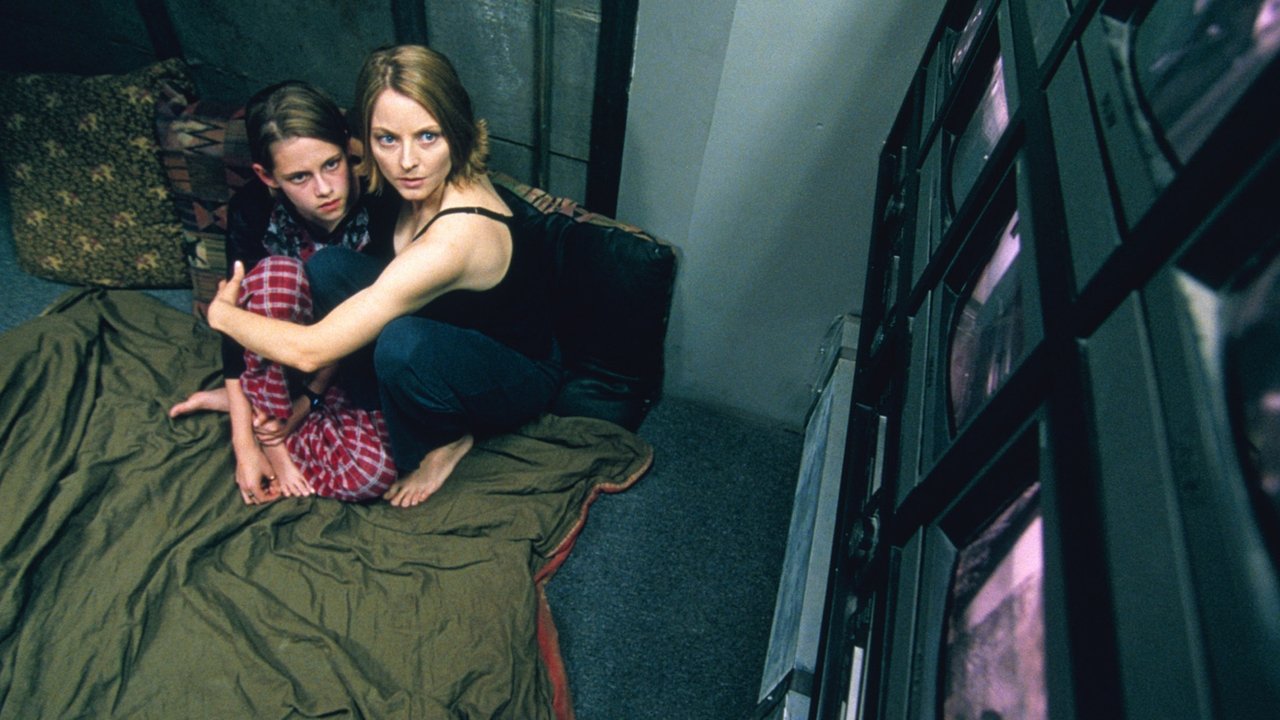
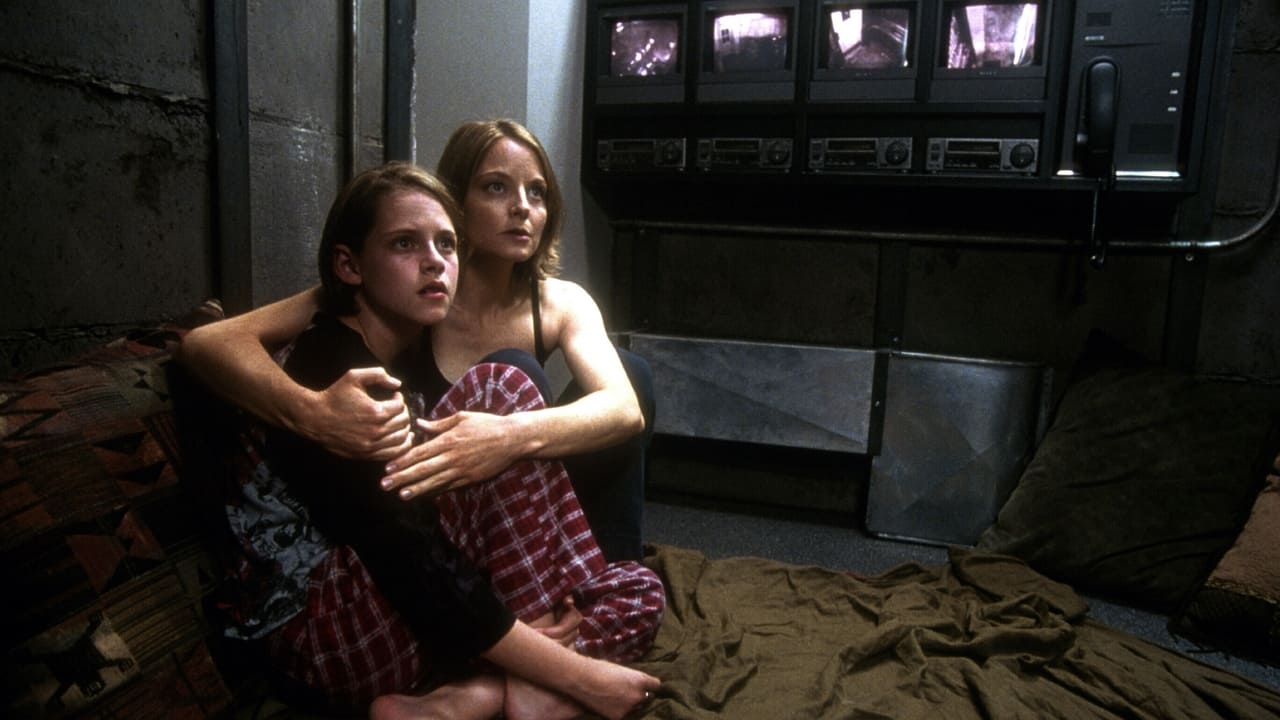
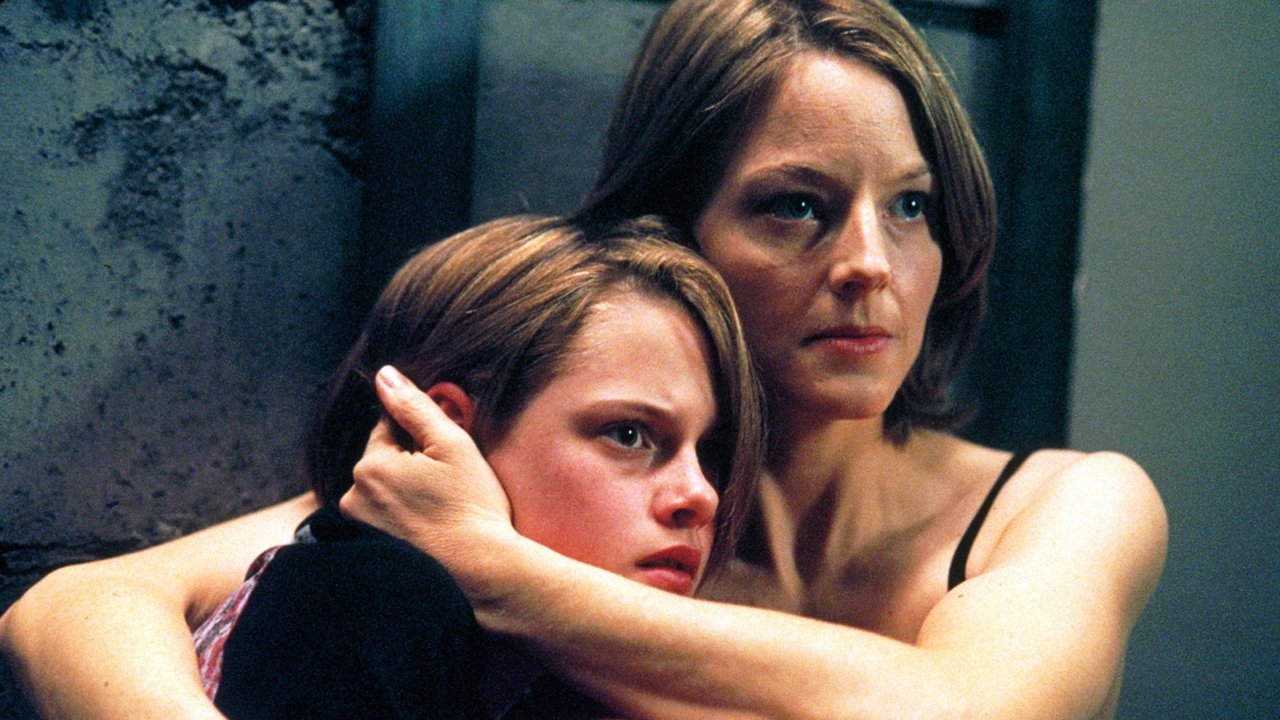
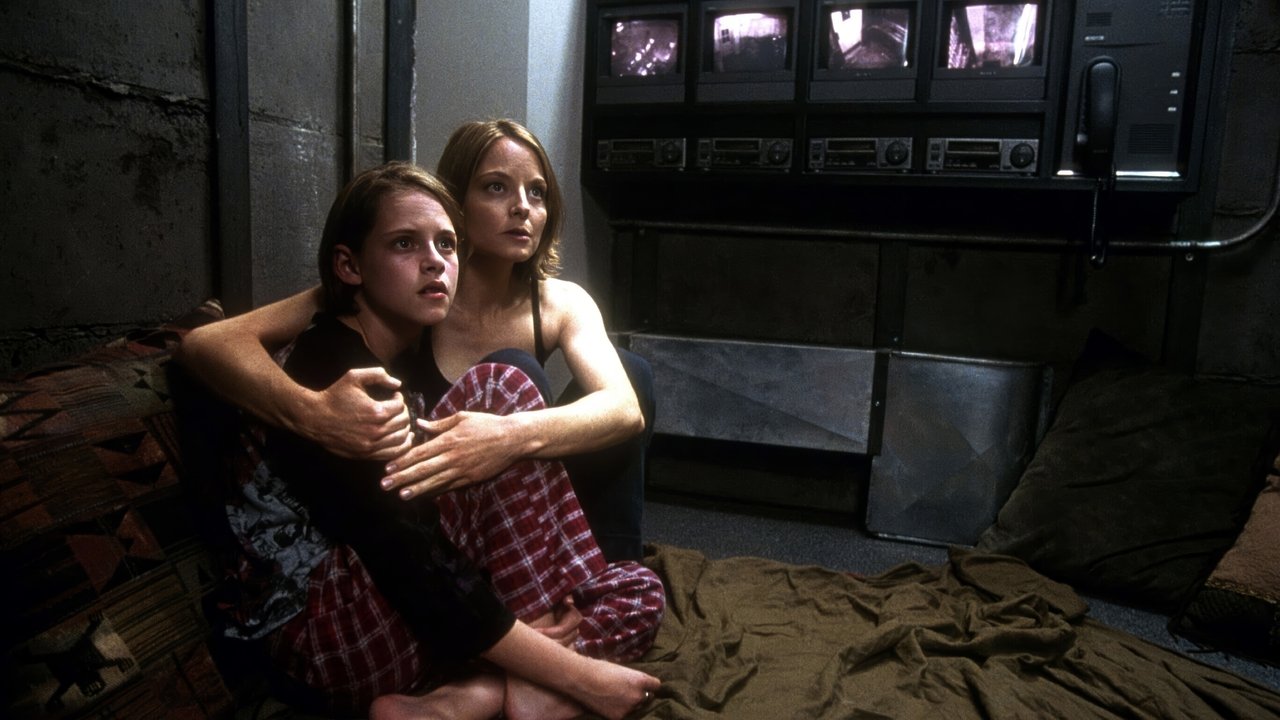
Looking back, the film perfectly captured the post-9/11 anxiety that was beginning to seep into the American consciousness. It wasn't about global threats; it was about the domestic fear that our sanctuary—our home—could be breached. The "panic room" itself became a cultural shorthand because of this film. Suddenly, everyone with a suburban mortgage was wondering if they needed a steel-reinforced box to hide in. It’s a simple, primal setup: Meg Altman (Jodie Foster) and her daughter Sarah (Kristen Stewart) are trapped inside the room, while three burglars are trapped inside the house. The catch? What the burglars want is inside the room with the victims.
A Masterclass in Restricted Performance
The acting here is what keeps the film from being a mere technical exercise. Jodie Foster wasn't even the first choice; Nicole Kidman was originally cast but had to pull out due to an injury (though you can still hear her voice as the mistress on the phone). Foster stepped in and brought a desperate, maternal steeliness that I think Kidman might have played too delicately. Watching Foster navigate the confined space while managing her daughter’s health crisis—Sarah is diabetic—adds a layer of "the clock is ticking" dread that is genuinely stressful.
Then there is a very young Kristen Stewart. Long before she was a polarizing franchise lead or an indie darling, she was remarkably grounded here. She and Foster have a believable, slightly prickly chemistry that feels like a real mother-daughter bond.
On the other side of the steel door, we have the most incompetent-yet-terrifying trio of criminals ever assembled. Forest Whitaker plays Burnham, the "burglar with a heart of gold" who just wants to provide for his family. He’s the moral anchor, and his internal conflict is written all over his face. Then there’s Jared Leto as Junior, who looks like he was styled by a suburban rebellion catalog with his cornrows and frantic energy. But the real standout is Dwight Yoakam as Raoul. He’s the wildcard, the guy who brings a gun to a heist that didn't need one. Yoakam plays him with a silent, masked menace that is genuinely unsettling.
The $6 Million Brownstone and Other Obsessions
The production of Panic Room is legendary for its "Fincher-ism." To get those impossible shots, they built a four-story brownstone set in a studio that cost a staggering $6 million. It was a massive architectural feat, fully wired and functional, allowing the crew to tear down walls and move the camera through the "bones" of the house. Fincher is famous for his perfectionism, often demanding 80, 90, or 100 takes for a single scene. You can feel that precision in every frame. There isn't a single "accidental" shot in this movie; everything is calculated to maximize your heart rate.
The screenplay by David Koepp (who also wrote Jurassic Park) was a hot commodity, selling for a record-breaking $4 million. It’s a lean, mean script that doesn't waste time on fluff. Even the budget, which ballooned to $48 million—a massive sum for a movie set in one house—shows in the final product. It doesn't feel like a small play; it feels like a $48 million siege. The film eventually raked in nearly $200 million worldwide, proving that audiences were hungry for high-tension, expertly directed thrillers that didn't rely on explosions or superheroes.
Panic Room is a reminder of a time when Hollywood would spend big money on a simple, well-told story. It doesn't try to be a deep philosophical statement on the nature of evil; it just wants to make you sweat. It’s a beautifully shot, expertly acted "B-movie" with the brain of an "A-list" production. If you’re looking for a film that utilizes every inch of its setting to create tension, this is it. Just make sure you have your snacks (and maybe some insulin if you're like Sarah) ready before the door slides shut.
Twenty years later, the tech looks a bit bulky and the cell phones are hilariously large, but the fear of someone being on the other side of the door is timeless. It’s the kind of movie that makes you double-check your locks before you go to bed. David Fincher took a simple home invasion and turned it into a cold, mechanical nightmare that still manages to feel intensely human. It’s a definitive piece of early 2000s thriller cinema that I’ll happily revisit every time I want to feel a little bit claustrophobic.
Keep Exploring...
-
Donnie Brasco
1997
-
The Talented Mr. Ripley
1999
-

Traffic
2000
-

Mystic River
2003
-
The Exorcism of Emily Rose
2005
-

Inside Man
2006
-

The Brave One
2007
-
Vantage Point
2008
-
Se7en
1995
-

The Game
1997
-

Hannibal
2001
-
xXx
2002
-
Collateral
2004
-

Zodiac
2007
-
American Psycho
2000
-
Cape Fear
1991
-
Patriot Games
1992
-
A Perfect World
1993
-
In the Line of Fire
1993
-
The Pelican Brief
1993