Punch-Drunk Love
"Love is a punch to the jaw."
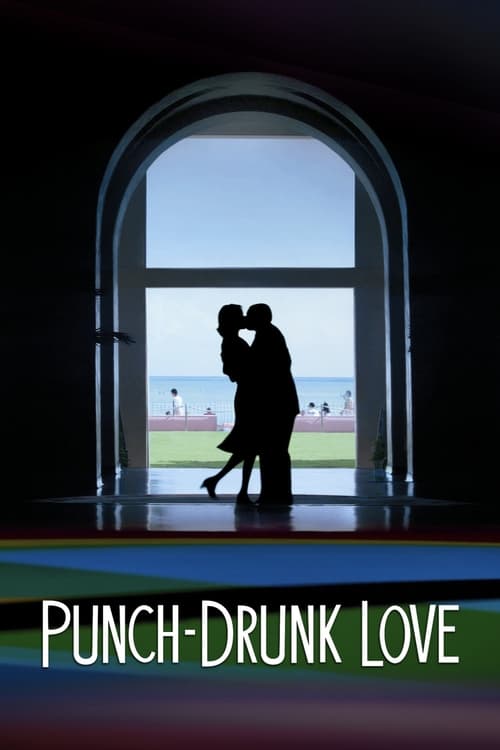
The first time I saw Punch-Drunk Love, I was sitting in a dorm room with a radiator that wouldn't stop clanking. It was this rhythmic, metallic tink-tink-thud that drove me crazy for weeks, but about twenty minutes into the movie, the radiator's noise started to sync up perfectly with Jon Brion’s percussive, anxiety-ridden score. For a second, I wasn't sure where the movie ended and my crappy apartment began. That’s the magic of this film; it doesn't just show you a character’s nervous breakdown—it invites you to inhabit the rattling cage of their ribcage.
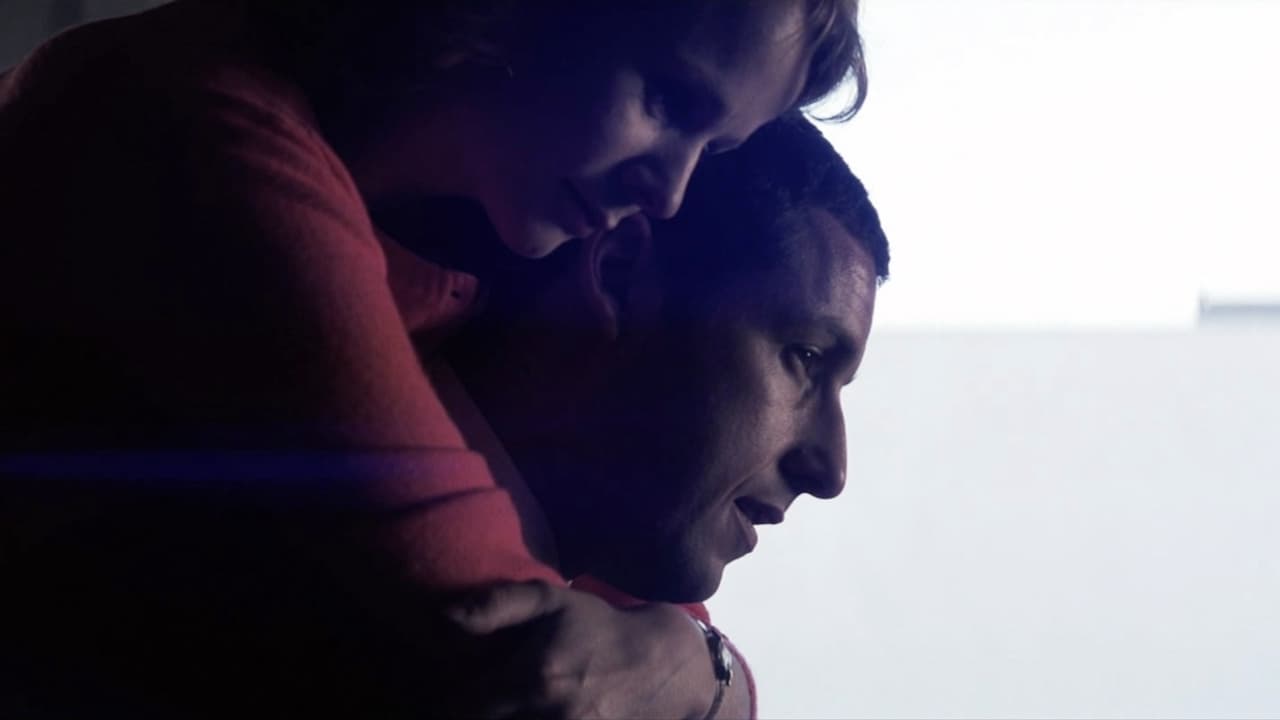
In 2002, the world knew Adam Sandler as the guy who talked in baby voices and got hit in the crotch for $20 million a picture. Then Paul Thomas Anderson (or PTA, as we obsessives call him), fresh off the three-hour emotional marathon of Magnolia, decided he wanted to make a ninety-minute romantic comedy starring the "Waterboy." It sounded like a prank. In retrospect, it was one of the most brilliant casting pivots in history.
The Anatomy of an Angry Man
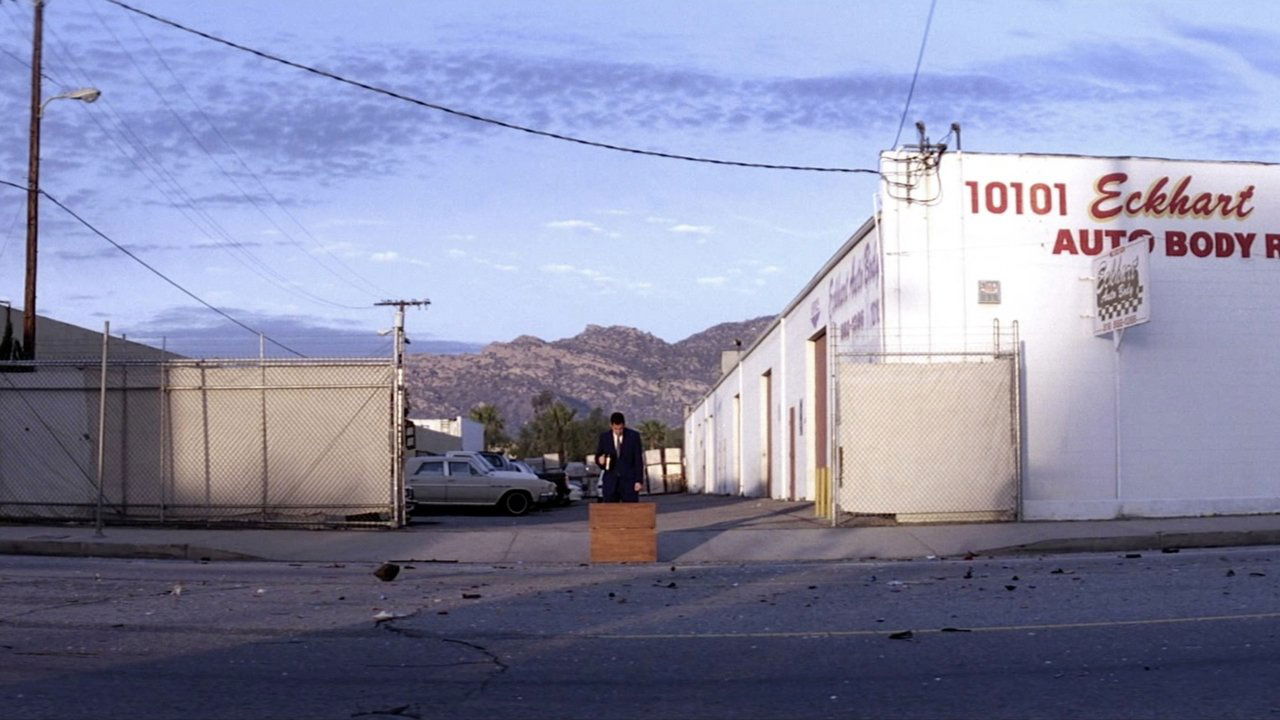
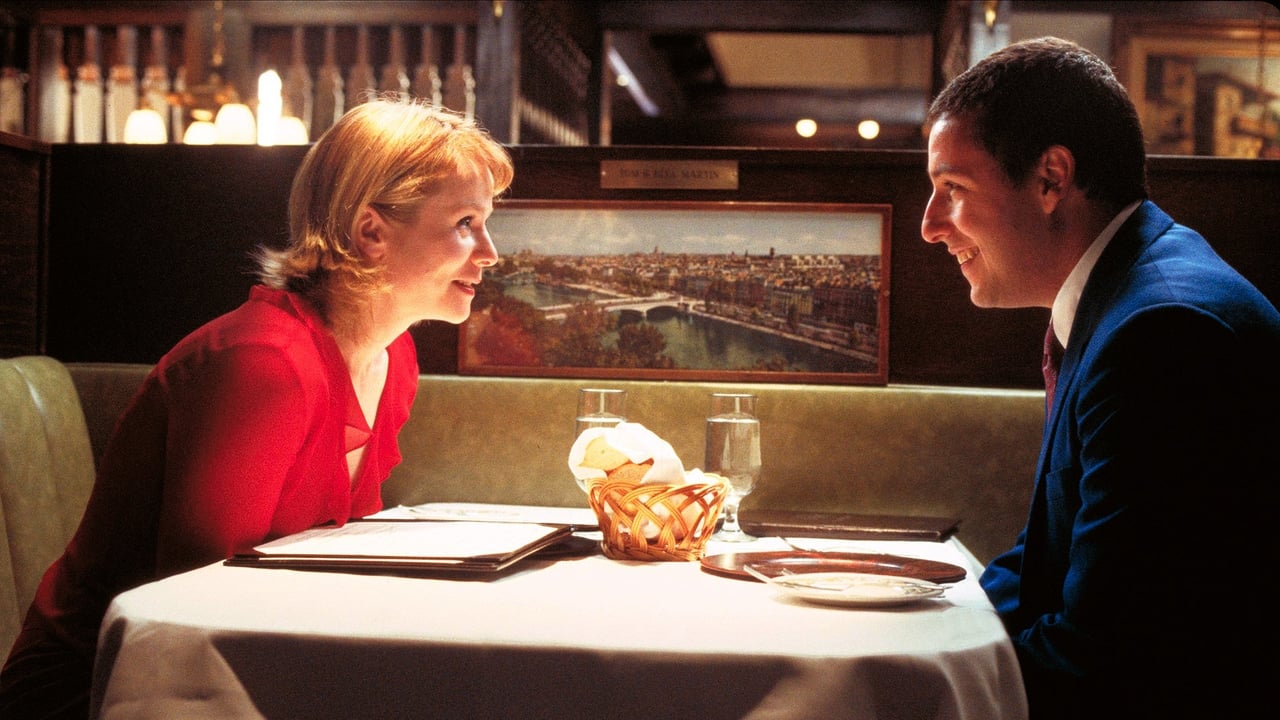
What PTA realized—and what I think a lot of critics missed at the time—is that the "Sandler Persona" is actually terrifying. If you take the guy from Happy Gilmore, remove the slapstick safety net, and place him in a lonely warehouse in suburban California, you don’t get a comedian. You get Barry Egan. Barry is a man so repressed by his seven overbearing sisters that he’s basically a walking bruise. He wears a bright blue suit like armor and spends his days selling decorative plungers.
Adam Sandler gives a performance here that is so vulnerable it’s almost hard to watch. He captures the specific kind of "quiet-until-it-isn't" rage that defines a certain type of lonely existence. When he kicks out a sliding glass door for no reason other than he simply cannot contain himself, it isn't funny. It’s a release valve failing. I genuinely believe this is the most honest depiction of social anxiety ever put to celluloid. It’s not "cute" awkwardness; it’s the "I want to chew my own arm off to get out of this conversation" kind of awkwardness.
A Romance Found in the Noise
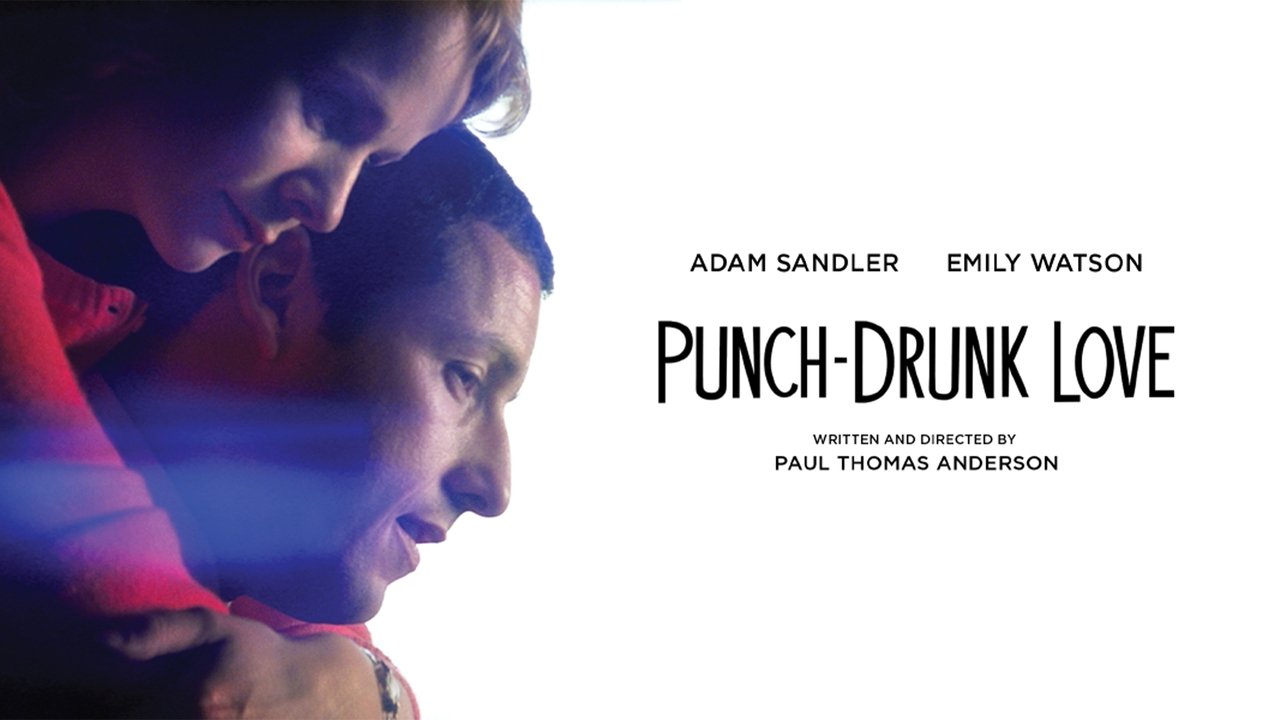
Enter Emily Watson as Lena. Most actresses would have played Lena as a "Manic Pixie Dream Girl" tasked with fixing the broken man. But Emily Watson gives Lena her own strange, quiet gravity. She isn’t there to fix Barry; she’s there because she’s just as odd as he is. Their chemistry is built on weirdness—whispered threats of wanting to smash each other’s faces because they’re so overwhelmed by affection.
The plot is a glorious mess of 2000s-era oddities. Barry finds a harmonium on the street. Barry discovers a loophole in a Healthy Choice promotion that allows him to amass over a million frequent flyer miles by buying thousands of cups of pudding. If you think the pudding thing is too weird to be real, look up David Phillips, the real-life "Pudding Guy" who actually gamed the system in 1999.
Then there’s the phone sex scam. Barry, in a moment of desperate loneliness, calls a hotline just to talk to someone. This leads him into the crosshairs of a "Mattress Man" in Utah, played by the late, legendary Philip Seymour Hoffman. Their over-the-phone shouting match is one of the high-water marks of 2000s cinema. Philip Seymour Hoffman screaming "Shut up! Shut shut shut shut up!" is a sensory experience I revisit at least once a month.
The Beauty of the Breakdown
Visually, the movie is a fever dream. Robert Elswit, who would later win an Oscar for There Will Be Blood, uses anamorphic lenses to make Barry’s warehouse look like an alien landscape. The lens flares aren't the polished, JJ Abrams type; they’re jagged, colorful intrusions that mirror Barry’s fractured psyche. Between the scenes, we get these abstract digital paintings by artist Jeremy Blake that pulse with color, acting as a "reset" for the audience’s brain.
This was the era of the "Indie Renaissance," where directors like PTA were given $25 million to basically do whatever they wanted. It’s hard to imagine a studio today greenlighting a movie where the climax involves Adam Sandler flying to Hawaii just to hold hands with a woman, while being hunted by four blonde brothers in a tan van. But that’s why Punch-Drunk Love has such a fierce cult following. It’s a movie that feels handmade.
Stuff You Didn't Notice
The Harmonium: PTA actually found that harmonium on the street, much like Barry does in the movie. He kept it in his office for years before deciding it was the perfect metaphor for Barry’s soul. The Sisters: The relentless badgering by Barry’s sisters was inspired by the real-life family dynamics of one of PTA’s producers. They hired Mary Lynn Rajskub (before her 24 fame) specifically because she could deliver insults with a smile. Sandler's Wardrobe: That blue suit was inspired by the color of the suit worn by the protagonist in the 1948 film The Red Shoes. PTA wanted Barry to stand out against the beige drabness of the San Fernando Valley. The "Mattress Man" Call: Reportedly, the phone conversation between Sandler and Hoffman was done for real, with both actors in different rooms, allowing them to actually interrupt and scream over each other in real-time.
Ultimately, Punch-Drunk Love is a movie for anyone who has ever felt like they were vibrating on a different frequency than the rest of the world. It’s a story about how love doesn't necessarily make you "normal"—it just gives you a reason to fight back against the noise. It’s short, it’s loud, it’s weird, and it contains Luis Guzmán being the world's most supportive coworker. What more do you actually need?
Watching this again recently, I realized it hasn't aged a day. The technology might be dated—pagers and landlines abound—but the feeling of being overwhelmed by the world is timeless. It’s a masterpiece of "the short-form drama," proving that you don't need three hours to say something profound. You just need a suit, some pudding, and the right person to tell you to shut up.
Keep Exploring...
-
Inherent Vice
2014
-
Licorice Pizza
2021
-
Boogie Nights
1997
-
High Fidelity
2000
-
Stranger Than Fiction
2006
-
Magnolia
1999
-
Just Like Heaven
2005
-
The Longest Yard
2005
-
The Master
2012
-
EverAfter
1998
-
Blast from the Past
1999
-
About a Boy
2002
-
Casanova
2005
-
The Sisterhood of the Traveling Pants
2005
-

What If
2013
-
The Wedding Singer
1998
-
10 Things I Hate About You
1999
-

High School Musical 2
2007
-
As Good as It Gets
1997
-
Buffalo '66
1998