Queen of the Damned
"The Queen is dead. Long live the noise."

If you could distill the exact moment the 1990s curdled into the 2000s and pour it into a vial of fake stage blood, it would look exactly like Queen of the Damned. I revisited this one recently on a Tuesday night while eating a bowl of cereal that had gone slightly soggy, and honestly, the damp crunch of the flakes felt like a poetic accompaniment to the film’s specific brand of waterlogged goth-rock melodrama. It’s a movie that exists in a very narrow, very loud window of cinema history where vampires stopped being romantic aristocrats and started looking like they worked the late shift at a Hot Topic.
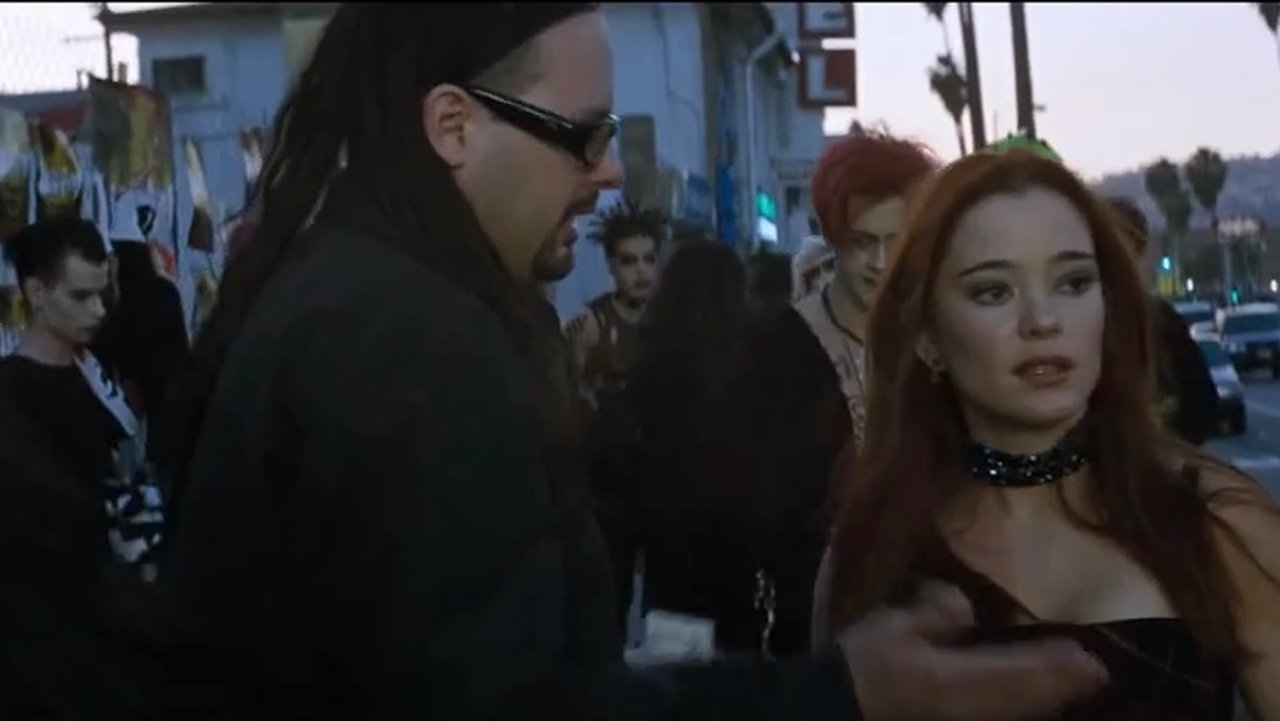
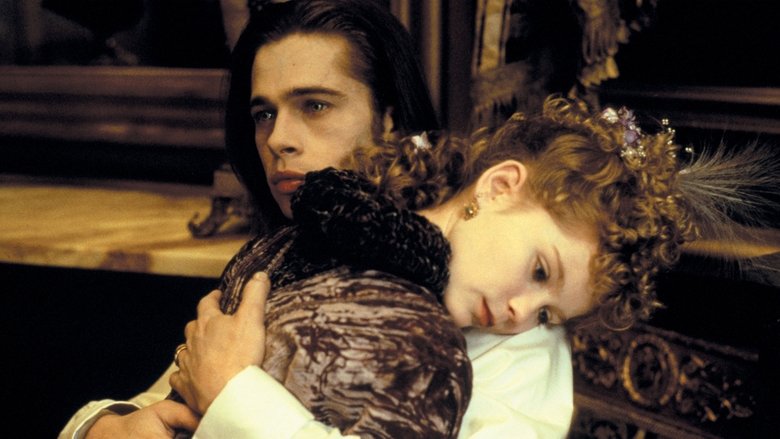
Looking back, it’s almost hard to believe this is technically a sequel to Interview with the Vampire. We traded Tom Cruise’s velvet-clad existential dread for Stuart Townsend’s leather trousers and a chest-hair-to-glitter ratio that defines an entire era. Townsend, who famously almost played Aragorn in Peter Jackson’s Lord of the Rings before being replaced at the eleventh hour, plays Lestat de Lioncourt here as a man who has decided that the best way to handle immortality is to become the lead singer of a nu-metal band. Stuart Townsend plays Lestat like he’s trying to seduce the entire front row of a Creed concert, and while it’s a million miles away from Anne Rice’s source material, there’s an earnest, pouty energy to it that I can’t help but find endearing.
A Soundtrack That Bites
The most "2002" thing about this movie isn't the low-rise jeans or the chunky highlights; it’s the sound. The score and songs were spearheaded by Jonathan Davis of Korn, and they permeate every frame. Because of contractual issues with his label at the time, Davis couldn't actually sing on the official soundtrack album, leading to a weirdly fascinating trivia nugget where guys like Chester Bennington (Linkin Park) and Marilyn Manson had to step in to record the vocals for the CD release.
In the film, however, it’s all Davis’s distinct, gravelly voice coming out of Townsend’s mouth. It creates this bizarre cognitive dissonance—you’re looking at a dapper vampire, but you’re hearing the "freak on a leash" himself. The stadium concert scene in Death Valley is the peak of this absurdity. It’s a massive, sweeping sequence that used thousands of local goths as extras, and it perfectly captures that pre-social media era where "viral marketing" meant a cool poster and a killer music video on MTV. The film is essentially a feature-length music video for a band that doesn’t exist, and if you surrender to that, it’s a total blast.
The Tragedy of the Queen
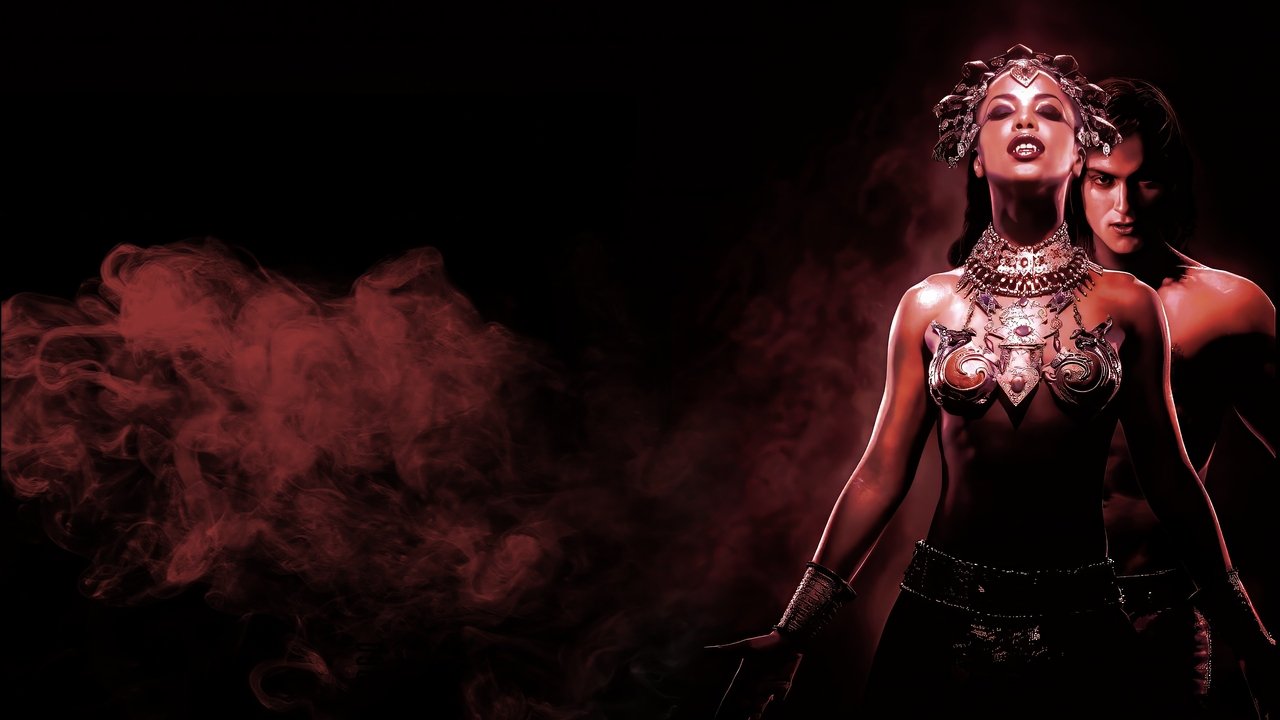
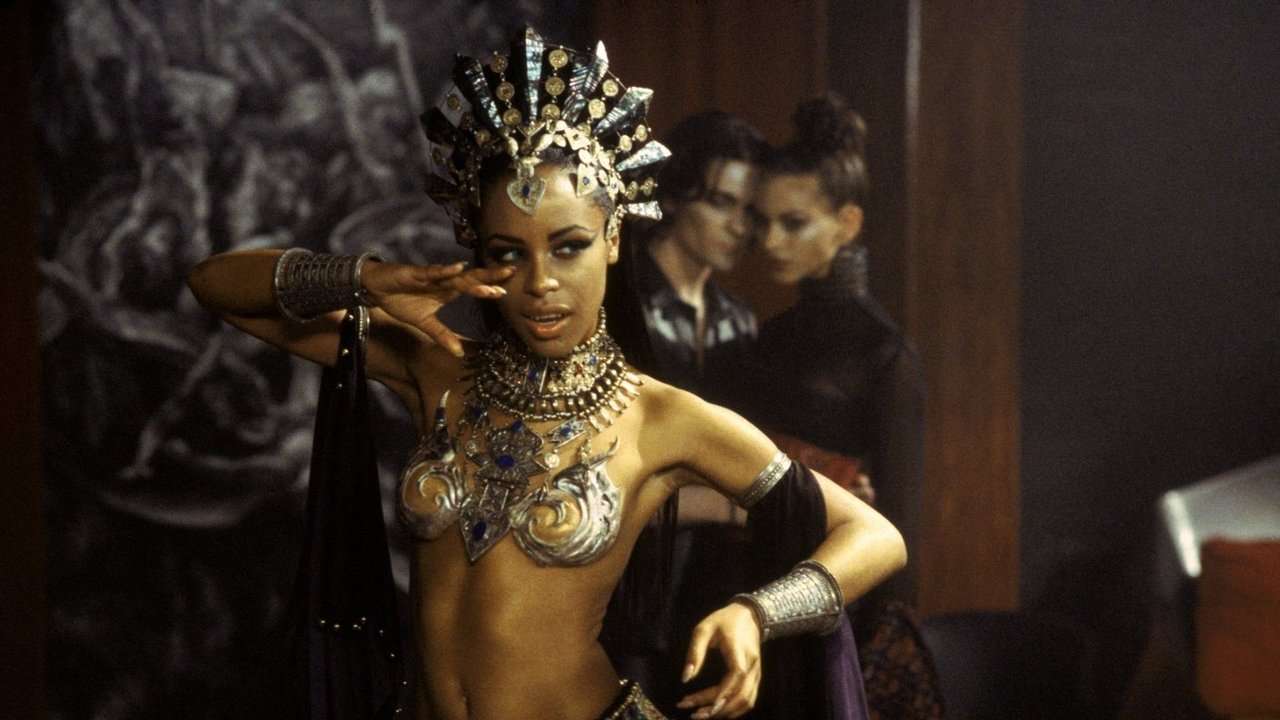
Of course, we have to talk about Aaliyah. Her casting as Akasha, the titular mother of all vampires, remains the film’s greatest draw and its most somber footnote. She died in a plane crash shortly after filming wrapped, and the movie is dedicated to her memory. It’s impossible to watch her without a sense of "what if?"
She is, without question, the best thing in the movie. Her performance isn't even really acting; it’s a physical manifestation of something ancient and predatory. She moves with a serpentine, belly-dance-influenced grace that makes every other actor on screen look like they’re standing still. Her dialogue is sparse, which was a smart move by director Michael Rymer (who went on to do great work on the Battlestar Galactica reboot). Because her voice work wasn't finished before her passing, her brother, Rashad Haughton, actually stepped in to help dub some of her lines, blending his voice with hers to complete the performance. It’s a seamless bit of post-production that keeps her presence hauntingly intact.
CGI Growing Pains and Goth Aesthetics
Rewatching this in the age of 4K clarity reveals some... let’s call them "ambitious" digital choices. This was the era where Hollywood was obsessed with "vampire speed," which usually manifested as a blurry streak across the screen that looked like a Windows 98 screensaver. There’s a scene where the ancient vampires gather, including characters like Marius (played with a weary European charm by Vincent Perez) and Maharet (Lena Olin), and the digital effects used to show them disintegrating or moving fast have aged about as well as a carton of milk in the desert.
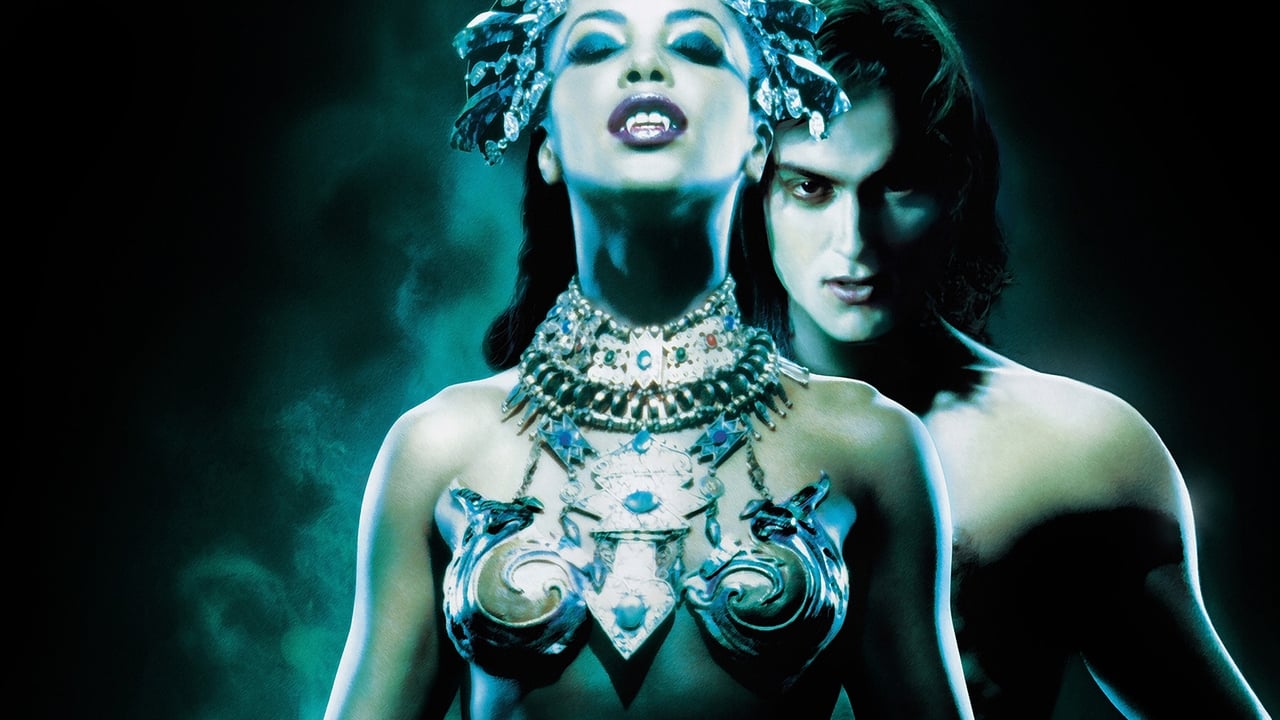
But there’s a charm to the clunkiness. Queen of the Damned was caught in that transition between the practical gore of the 80s and the slick, digital sheen of the MCU era. It’s messy, the plot is a frantic blend of two massive novels squeezed into 101 minutes, and Marguerite Moreau’s Jesse feels like she wandered in from a different, much more boring movie. Yet, the costume design and the production sets—all jagged edges and crimson lighting—provide a visual feast for anyone who still misses the aesthetic of the The Crow or Underworld.
Ultimately, Queen of the Damned is a beautiful, loud, and deeply flawed relic. It’s a movie that works better as a mood board than a narrative, a snapshot of a time when we wanted our monsters to be rock stars and our soundtracks to be angry. It’s not a "good" movie in the traditional sense, but it’s a fascinating one that deserves to be pulled off the shelf every few years. Just make sure you turn the volume up—the Queen demands it.
Keep Exploring...
-
Interview with the Vampire
1994
-
Aquamarine
2006
-
Vampires
1998
-
Stigmata
1999
-
Kate & Leopold
2001
-
Cinderella II: Dreams Come True
2002
-

It's a Boy Girl Thing
2006
-
Just My Luck
2006
-
The Covenant
2006
-
Penelope
2007
-

Red Riding Hood
2011
-
Don't Be Afraid of the Dark
2010
-

Practical Magic
1998
-
End of Days
1999
-
The Legend of Bagger Vance
2000
-
Final Fantasy: The Spirits Within
2001
-
Cinderella III: A Twist in Time
2007
-
Mary Shelley's Frankenstein
1994
-
The Craft
1996
-
Ghost Town
2008