Red Dragon
"The devil you know is the only help you'll get."
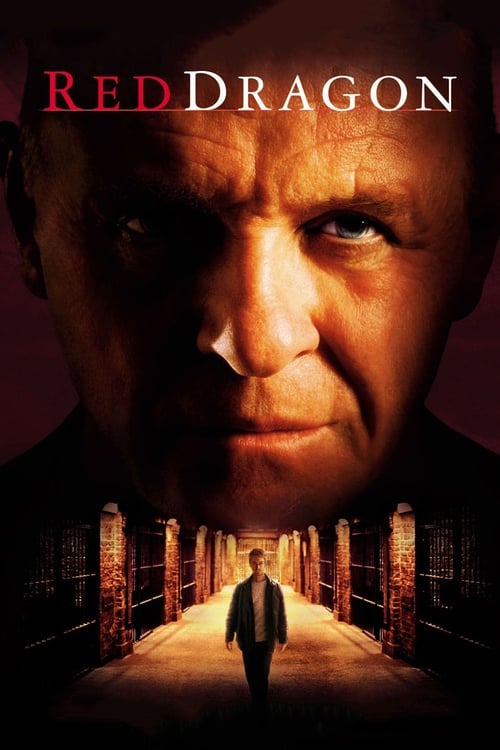
I still remember the first time I popped the Red Dragon DVD into my player—it was one of those old-school Universal "flipper" discs that always felt like they were going to snap if you breathed on them too hard. I was sitting in my college dorm with a bowl of lukewarm ramen, expecting a cheap cash-in on the Lecter name. Instead, I got a film that somehow feels more like a polished stage play than a standard early-2000s slasher.

It’s a strange beast, isn't it? By 2002, the world was starting to get "Hannibal fatigue." We’d just come off the back of Ridley Scott’s Hannibal (2001), which was a decadent, operatic, and frankly gross-out gore-fest that felt miles away from the chilly brilliance of The Silence of the Lambs. When I heard Brett Ratner—the guy behind Rush Hour—was taking the reins for a prequel, I thought the franchise was headed for the bargain bin. I was wrong. Looking back, Red Dragon is the most dignified "unnecessary" movie ever made.
The Prestige Horror Gamble
The first thing that hits you about Red Dragon is the sheer weight of the acting talent. This isn't just a horror movie; it’s a masterclass in casting against type. Edward Norton steps into the shoes of Will Graham, the man who caught Hannibal before the world knew his name. Norton plays Graham with a wonderful, frayed-at-the-edges exhaustion. He doesn't look like a hero; he looks like a man who has seen the bottom of a dark well and is terrified of falling back in.
But the real revelation here—and I’ll stand by this even if the Manhunter purists come for me—is Ralph Fiennes as Francis Dolarhyde. Fiennes is legitimately heartbreaking as the "Tooth Fairy." There’s a specific scene where he’s trying to hold back his "becoming" while interacting with the blind Reba, played with incredible soul by Emily Watson. You’re watching a monster try to be a man, and for a second, you almost want him to succeed. It's a level of empathy you rarely find in the genre. The way Fiennes uses his physique to convey both power and pathetic fragility is a god-tier acting flex.
Then, of course, there is Anthony Hopkins. By 2002, he could play Lecter in his sleep, and at times, you can tell he’s having a bit too much fun. Because it’s a prequel, the production team had to use some clever lighting and aggressive hairpieces to make him look younger than he did in 1991. It’s early-2000s "de-aging" at its most practical, and while it doesn't always work, the crackle of energy between him and Norton is undeniable.
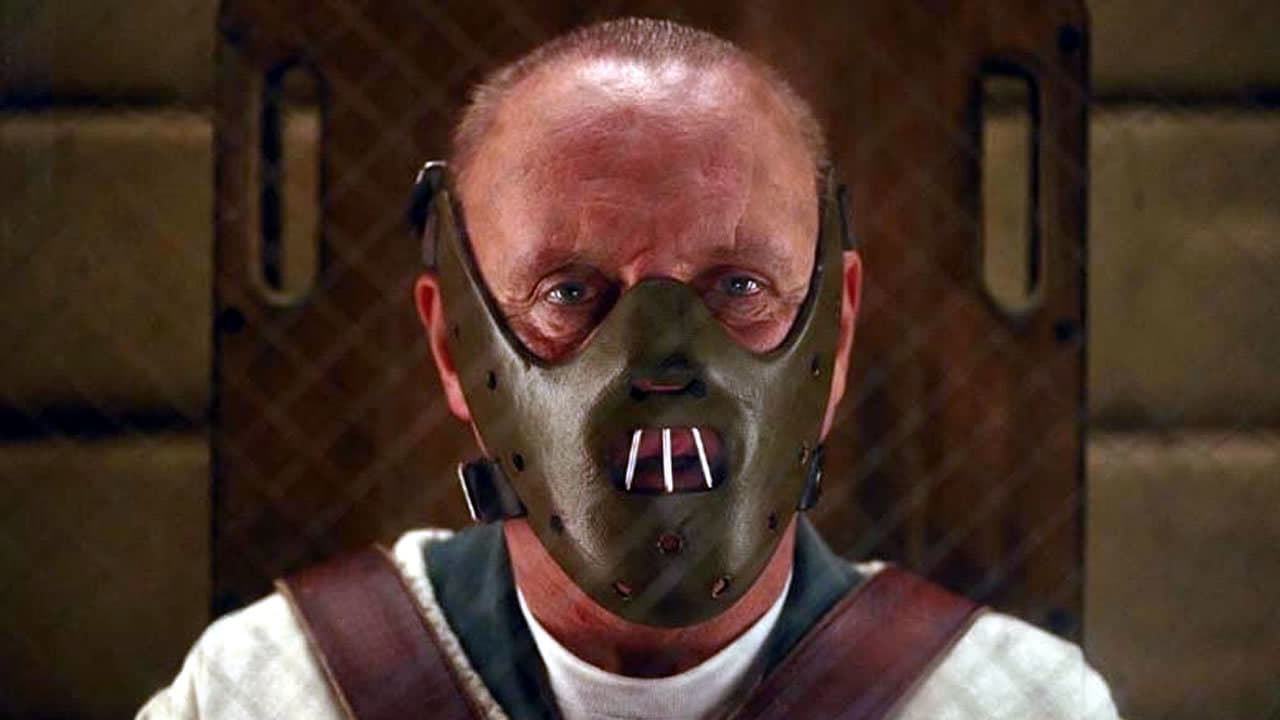
DVD Culture and the Polish of the Era
This film arrived at the absolute peak of the DVD era. I remember spending hours going through the special features, which were curated with a level of care we just don’t see in the streaming age. It’s where I learned that Ralph Fiennes spent seven to eight hours in the makeup chair to get that massive, intimidating Great Red Dragon tattoo applied to his back. Apparently, Fiennes stayed in character so intensely that he’d just sit there in silence, terrifying the makeup artists.
The film also benefits from the cinematography of Dante Spinotti, who had previously shot Michael Mann’s Manhunter (the first adaptation of this same book). Spinotti gives the film a rich, amber-and-shadow look that feels expensive. In the transition from analog to digital that defined the early 2000s, Red Dragon feels like a last hurrah for high-end studio film stock. Everything is crisp, deliberate, and moody. It doesn't rely on the "shaky-cam" or blue-tinted filters that would plague the genre just a few years later.
A Slimy Support System
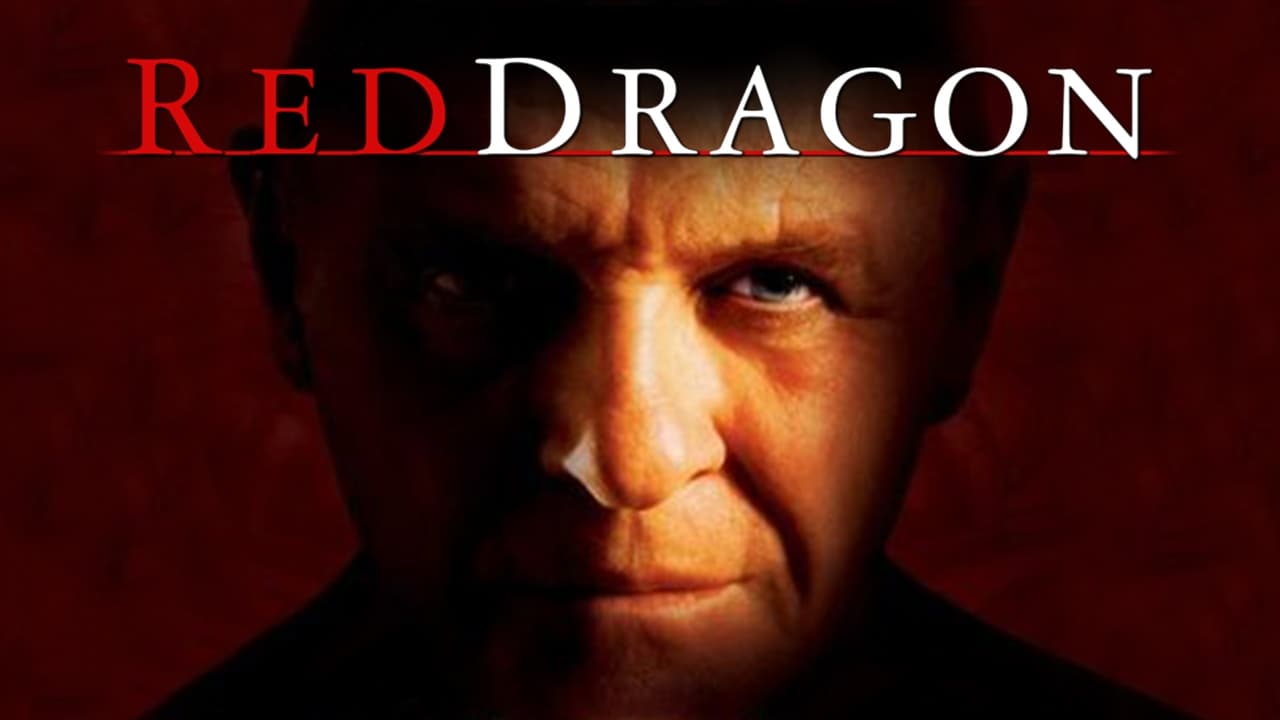
We have to talk about Philip Seymour Hoffman as the tabloid journalist Freddy Lounds. Hoffman plays Lounds with a sweat-soaked sleaziness that makes you want to wash your hands after every one of his scenes. His interactions with Norton provide the only real levity in the film, even if it’s the kind of humor that leaves a bad taste in your mouth. His eventual encounter with Dolarhyde remains one of the most tense, wince-inducing sequences in the entire collection.
Even Harvey Keitel pops up as Jack Crawford, looking like he walked straight off the set of a prestige drama. It’s this "over-casting" that makes Red Dragon so rewatchable. Even when the plot follows the standard "catch the killer" beats, you’re watching world-class actors treat the material with the gravity of Shakespeare.
Does it reach the heights of Silence of the Lambs? No. But it successfully washes away the soapy, over-the-top excess of the Hannibal sequel and returns the series to its roots: two men in a room, talking, while a monster waits in the wings. It’s a film about the cost of empathy and the scars—both literal and psychological—that we carry from our work.
In the end, Red Dragon is a testament to what happens when a studio throws an absurd amount of talent at a remake. It’s polished, terrifying, and anchored by a trio of performances that are far better than a "franchise prequel" has any right to be. It’s the perfect film for a rainy Tuesday night when you want something that’s going to make you check the locks on your front door twice. If you’ve only ever seen the 1991 original, it’s time to go back to the beginning.

Keep Exploring...
-
The Silence of the Lambs
1991
-
Hannibal
2001
-
From Dusk Till Dawn
1996
-

Lord of War
2005
-
Hannibal Rising
2007
-

The Negotiator
1998
-
Sleepy Hollow
1999
-
Road to Perdition
2002
-
The Life of David Gale
2003
-
Eastern Promises
2007
-

Zodiac
2007
-
25th Hour
2002
-

X-Men: The Last Stand
2006
-

Rush Hour 3
2007
-
Funny Games
1997
-

Jackie Brown
1997
-
The Boondock Saints
1999
-
American Psycho
2000
-

28 Days Later
2002
-
John Q
2002