Road to Perdition
"The sins of the father are written in shadows."
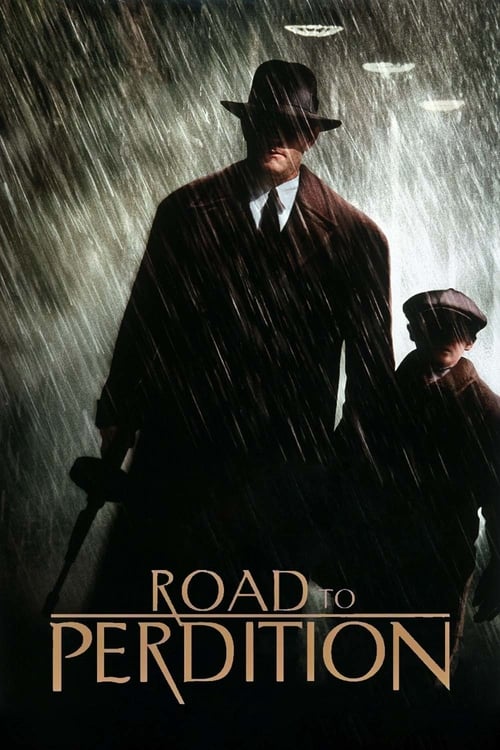
There is a specific, heavy silence that only exists in 1930s Illinois when it’s about to pour. I’m not talking about real weather; I’m talking about the cinematic gloom that Sam Mendes conjured in 2002. I remember watching this for the first time on a grainy CRT television while my cat, oblivious to the stakes, decided that the film’s famous rain-soaked shootout was the perfect time to knock a full glass of lukewarm water onto my lap. The cold shock of the water mirrored the chilling realization that Tom Hanks, the man I’d grown up seeing as the world’s nicest neighbor or a stranded castaway, was capable of looking absolutely terrifying in a fedora.
The Prestige of the Panel
Looking back, Road to Perdition occupies a fascinating space in the 1990-2014 era. It arrived just as the "graphic novel" was trying to shed its "comic book" skin in the eyes of Hollywood. Before the MCU established a colorful, quippy template, Sam Mendes took Max Allan Collins’ source material and treated it with the same Shakespearean gravity he brought to American Beauty.
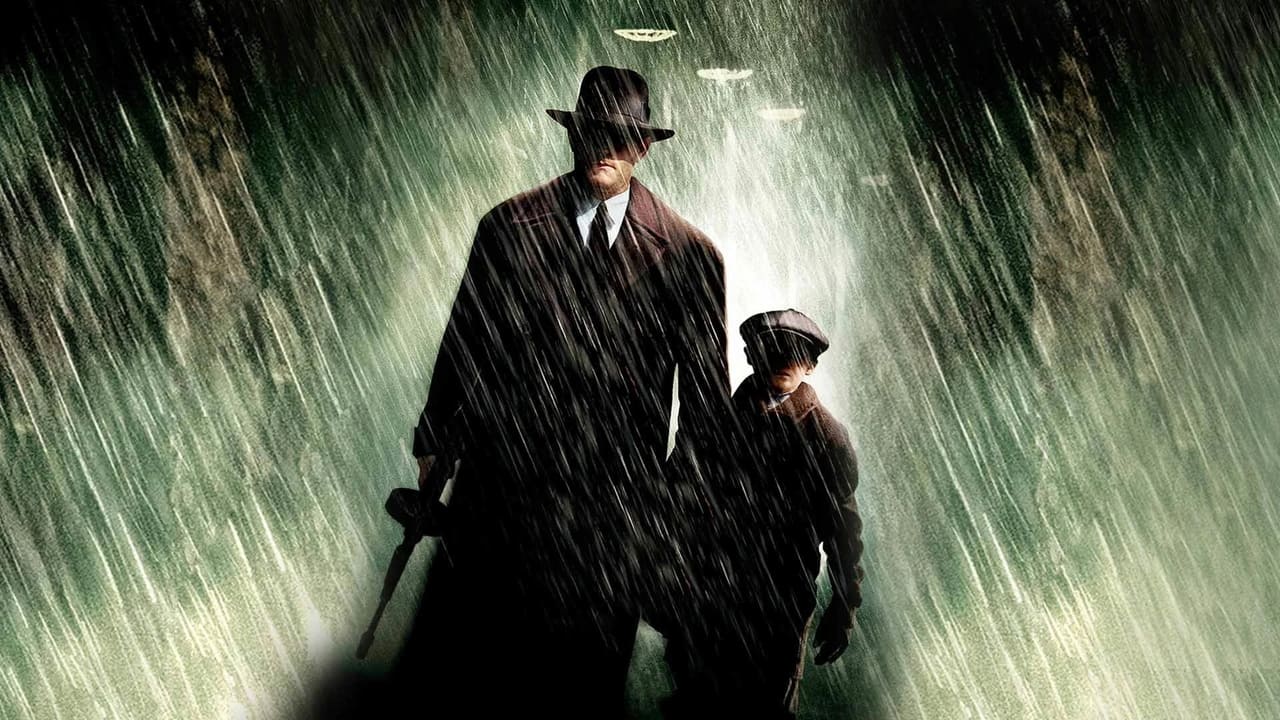
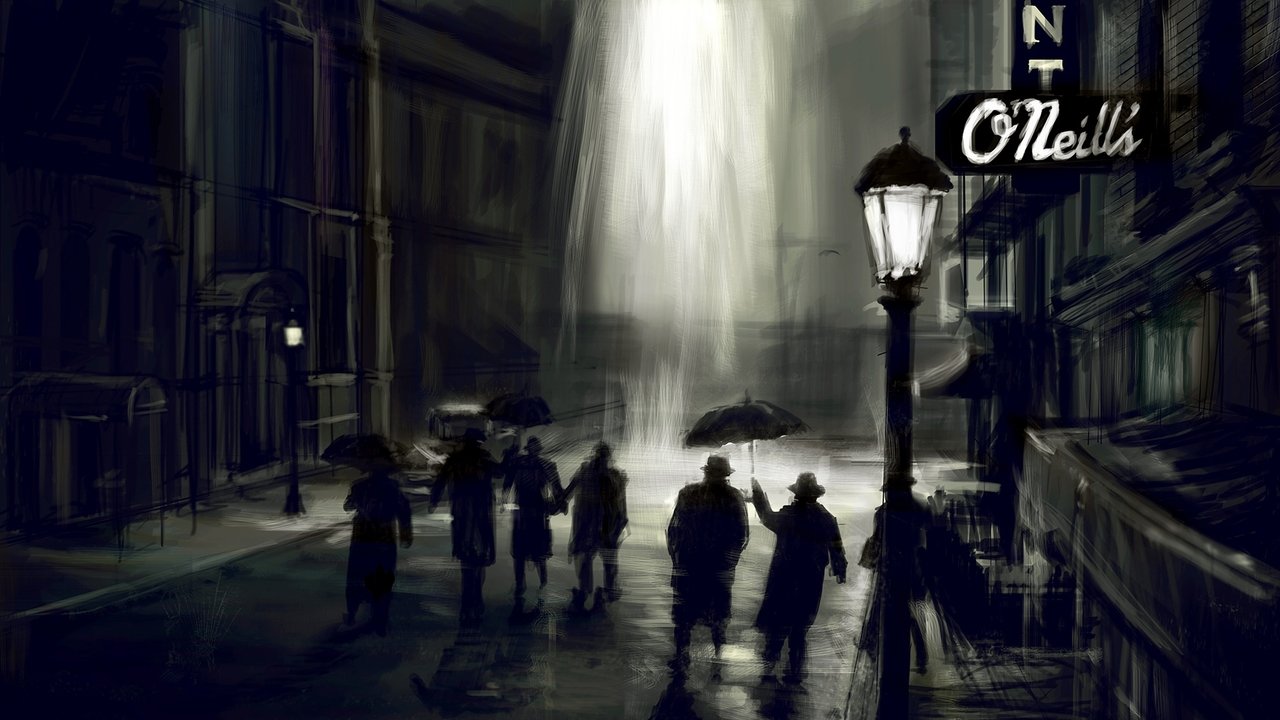
This is a film about the architecture of shadows. Conrad L. Hall, the legendary cinematographer who passed away shortly after the film was completed, created a visual language that feels less like a movie and more like a series of Edward Hopper paintings come to life. There’s a shot of Tom Hanks as Michael Sullivan standing in a doorway, silhouetted against a snowy field, that I’m convinced should be studied in every art school in the country. It’s not just "pretty"; it’s oppressive. The darkness feels like a physical weight on Sullivan’s shoulders—a visual metaphor for a man who kills for a living but wants a different light for his son.
A Masterclass in Restraint
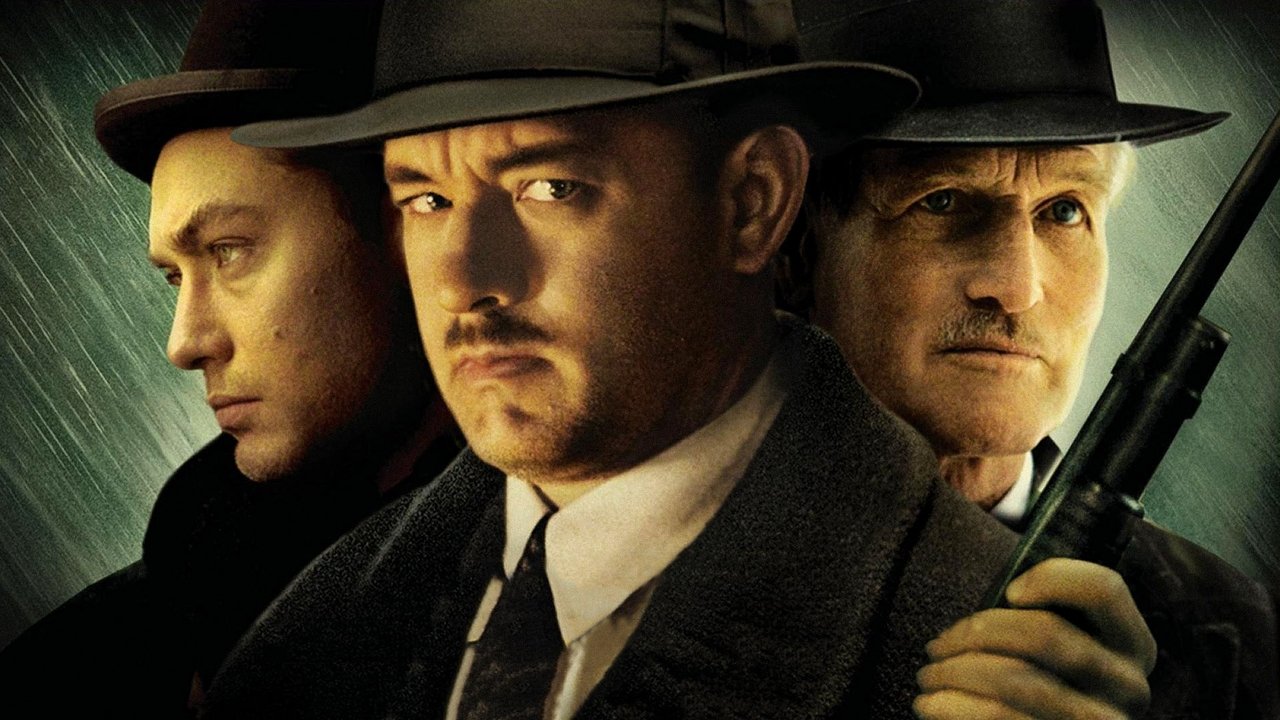
The performances here aren't about big, Oscar-baity monologues. They are about the things left unsaid. Tom Hanks plays Sullivan with a terrifying, muted stillness. He isn't the "hero" we’re used to; he’s a blunt instrument of the mob who happens to love his kid. When he looks at Paul Newman, who plays the crime boss John Rooney, you don’t see a henchman and a boss. You see a son looking at a father he’s forced to betray.
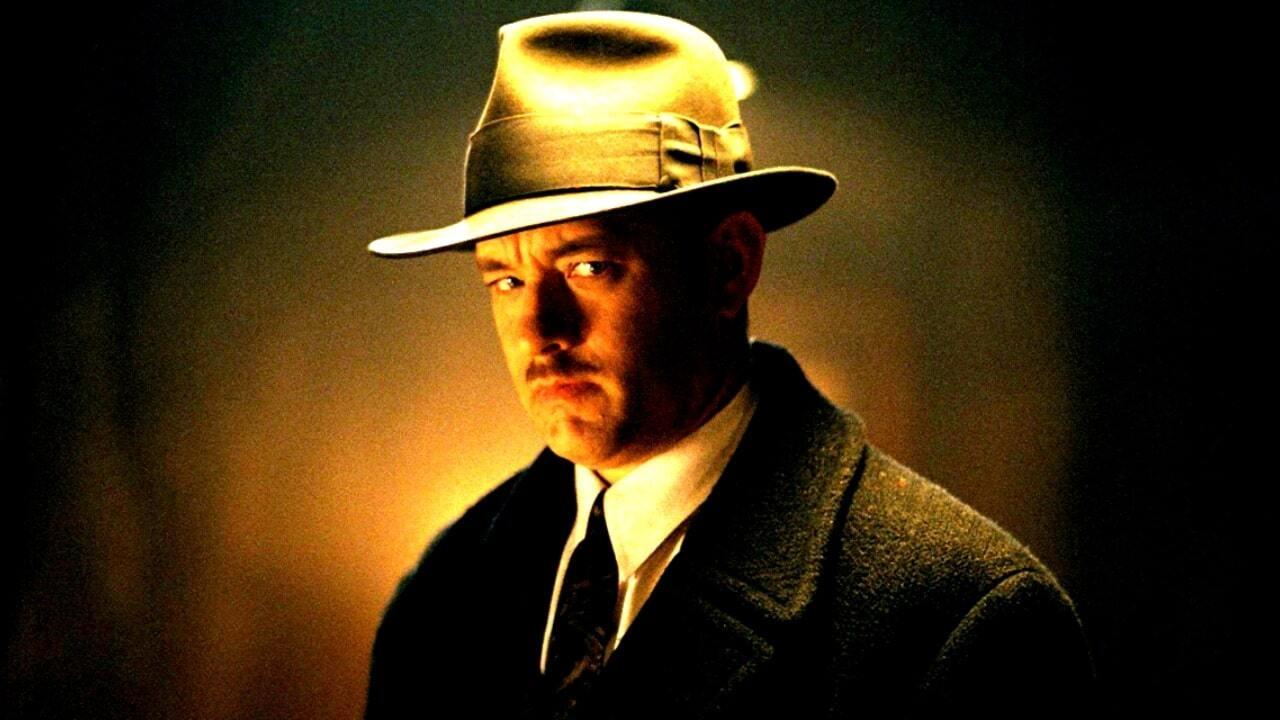
Speaking of Paul Newman, this was his final live-action role, and it’s a haunting farewell. He brings a weary, grandfatherly grace to a man who orders murders over tea. The chemistry between him and Hanks is the soul of the film. Their piano duet early in the movie—which, trivia fans, they actually learned to play themselves—is the only moment of pure light they share before the world turns to grey and lead.
Then there’s the "boogeyman" factor. Jude Law as Harlen Maguire is a stroke of casting genius that I think doesn't get enough credit. He’s a crime-scene photographer who moonlights as a hitman, a ghoulish vulture who literally develops his photos of death in hotel bathrooms. Law is essentially a slasher villain dropped into the middle of a prestige period drama, and his presence makes the movie’s second half feel like a ticking clock wrapped in barbed wire.
The Ghost in the Machine
For a film made in 2002, Road to Perdition is a defiant stand for practical filmmaking. While the industry was sprinting toward the digital frontier of Star Wars: Episode II, Mendes and Hall were obsessed with the texture of real rain, real wool coats, and real sparks from a Thompson submachine gun. The "Modern Cinema" era often gets flak for its early, rubbery CGI, but this film feels timeless because it’s so grounded in the tactile.
Stuff You Might Not Know:
The iconic rain shootout—the one where the sound drops out and we only hear Thomas Newman’s haunting score—took six nights to film. They used so much water that the local water table in Illinois was actually affected. Daniel Craig appears as Rooney’s fail-son, Connor. Watching it now, it’s hilarious to see the future James Bond playing a weak, insecure coward, but even then, his screen presence was undeniable. The production was obsessed with authenticity; the funeral parlor scenes were filmed in an actual historical building that supposedly had its own resident ghosts, though Stanley Tucci probably scared them off with his understated menacing as Frank Nitti. While it was a box office success, its "cult" status grew through the DVD era. The special features, particularly the "Library of a Cinematographer" segment, became a holy text for aspiring filmmakers who wanted to learn how to light a scene without relying on a computer.
This isn't a "fun" movie in the traditional sense, but it is a deeply rewarding one. It’s a tragedy that operates on the scale of a myth, yet it stays focused on the small, trembling hands of a boy (Tyler Hoechlin) trying to understand his father. If you’ve only ever seen Tom Hanks being charming, you owe it to yourself to see him as a man walking the road to hell. Just keep your water glasses away from your lap when the rain starts—it’s more immersive than you’d think.
Keep Exploring...
-
Lucky Number Slevin
2006
-

The Negotiator
1998
-

Jackie Brown
1997
-
American Psycho
2000
-
John Q
2002
-
21 Grams
2003
-

Lord of War
2005
-
Munich
2005
-
The Godfather Part III
1990
-

Law Abiding Citizen
2009
-

Dogville
2003
-

A History of Violence
2005
-
The Talented Mr. Ripley
1999
-

Falling Down
1993
-
Natural Born Killers
1994
-
Matchstick Men
2003
-
The Life of David Gale
2003
-
Collateral
2004
-
The Departed
2006
-
The Next Three Days
2010