Scooby-Doo
"Zoinks! The Mystery Machine hits the big screen."
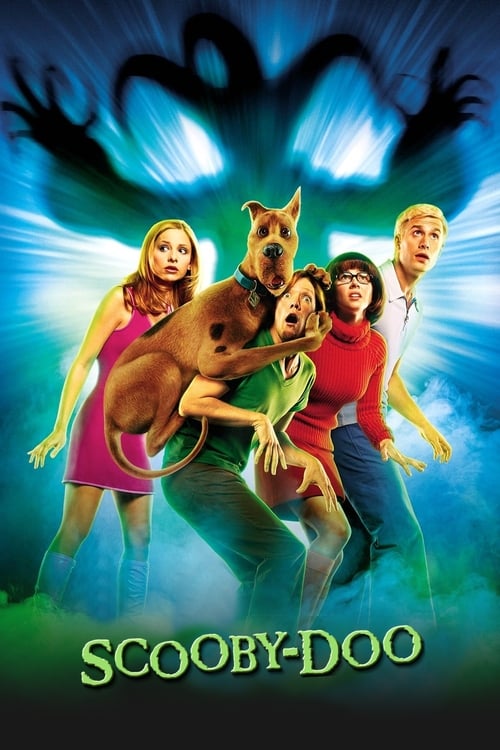
There is a very specific kind of sensory overload that only a high-budget movie from the year 2002 can provide. It’s a mixture of neon-tinted production design, mid-tempo pop-rock cameos, and CGI that looks like it was rendered on a microwave—and yet, I find myself returning to Raja Gosnell’s Scooby-Doo with more affection every year. I recently rewatched this while my neighbor was power-washing his driveway for four hours straight, and the sheer, chaotic energy of the film was the only thing capable of drowning out the noise.
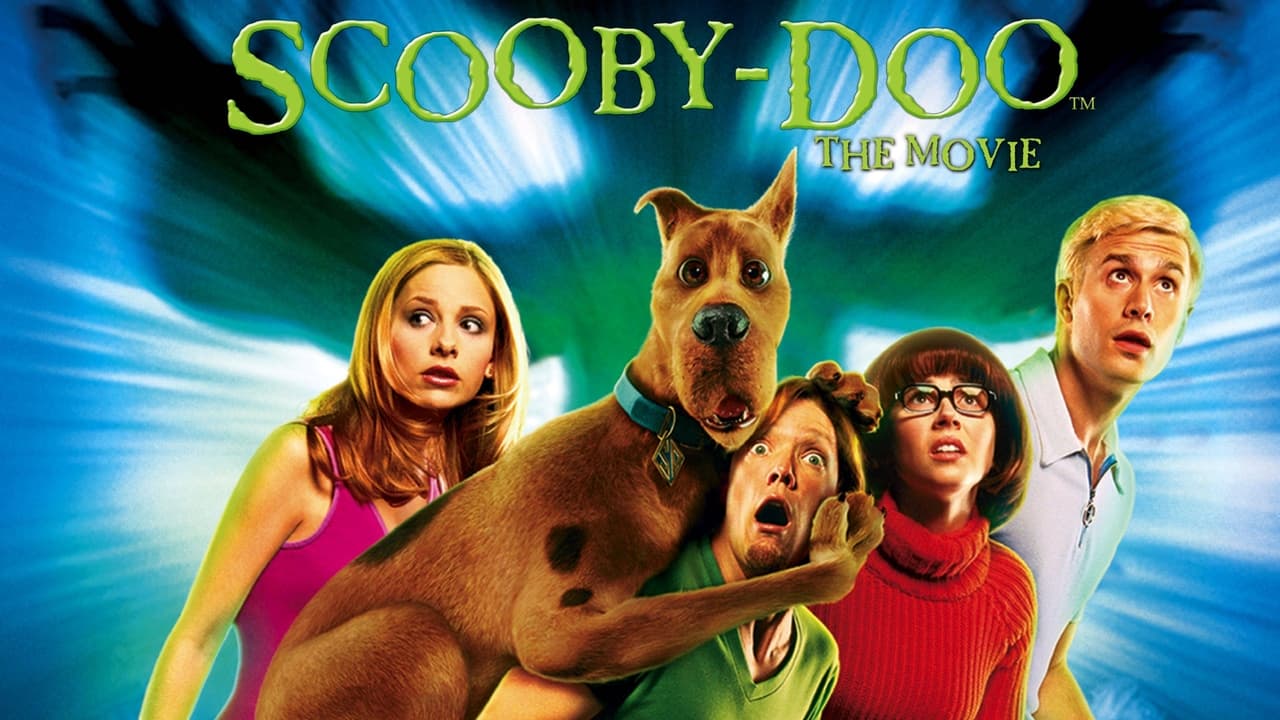
When this project was first announced, it felt like a weird proposition. How do you take a Saturday morning cartoon defined by its repetitive formula and turn it into a live-action blockbuster? The answer, it turns out, was to hire James Gunn (Guardians of the Galaxy, Dawn of the Dead) to write a script that was originally intended to be a PG-13 (and at one point, R-rated) deconstruction of the source material. While the studio eventually watered down the edginess to keep it family-friendly, the "weirdness" remains in the DNA.
Casting Magic and Subversive Spirit
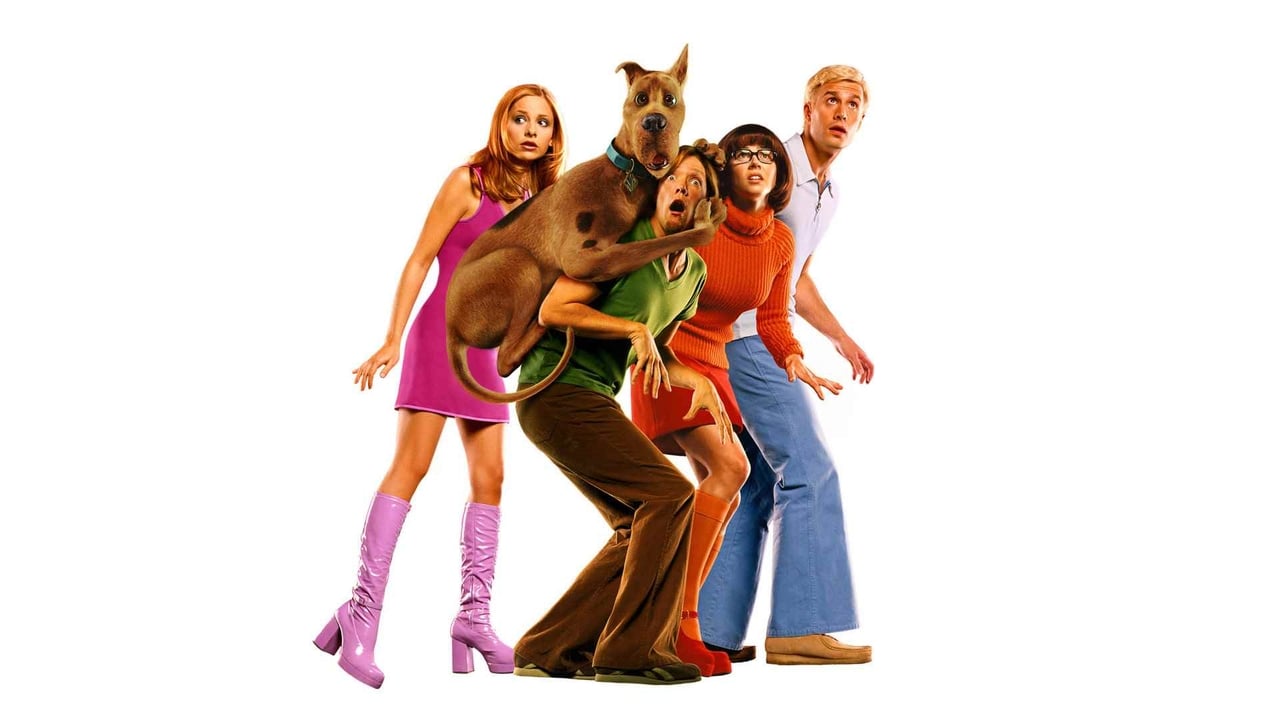
The greatest strength of Scooby-Doo isn't the mystery; it’s the fact that the casting director deserves a lifetime achievement award. Matthew Lillard (Scream, Hackers) doesn't just play Shaggy; he is a vessel for the character. Apparently, he spent much of the production screaming his head off in his trailer just to keep his voice at that perfect, raspy Shaggy pitch. It’s a performance of such high-level physical comedy that it honestly transcends the "family film" genre.
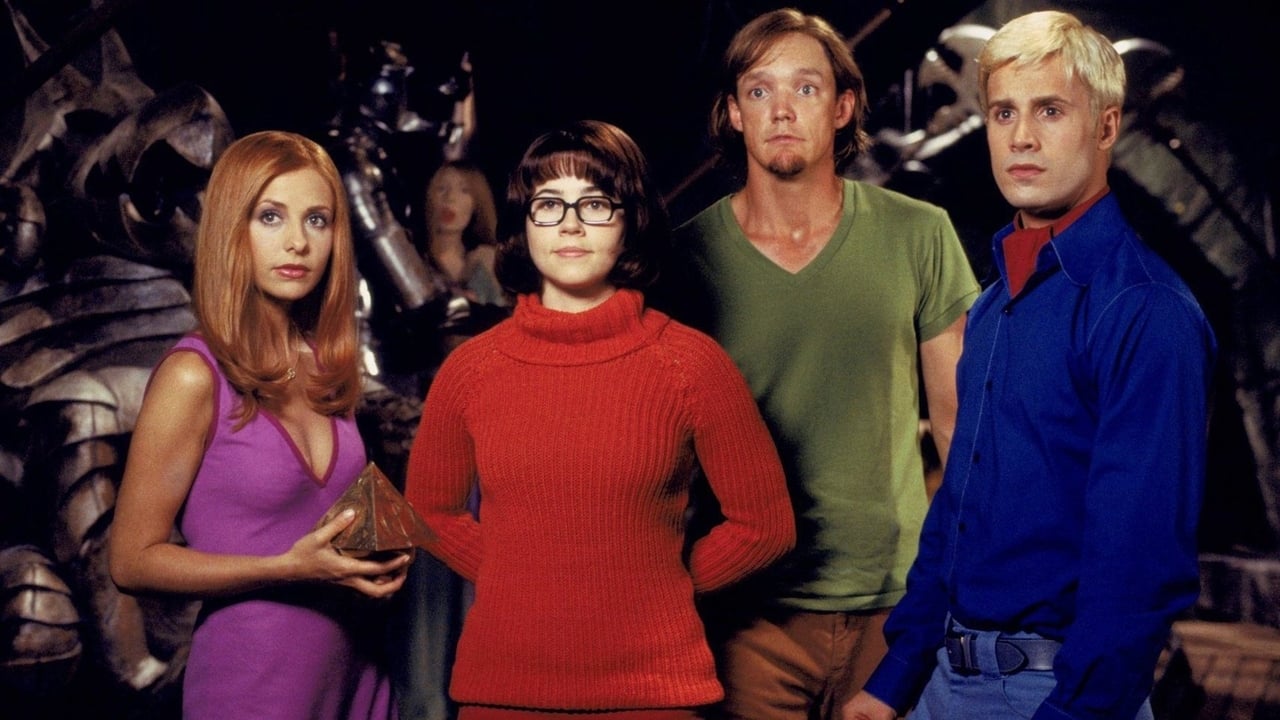
Then you have the real-life power couple of the era, Freddie Prinze Jr. (She's All That) and Sarah Michelle Gellar (Buffy the Vampire Slayer). While Freddie Prinze Jr. leans into the "himbo" energy of a Fred who is clearly more concerned with his ascot than the clues, Sarah Michelle Gellar gets to subvert her damsel-in-distress roots by kicking absolute teeth in during the finale. Rounding them out is Linda Cardellini (Freaks and Geeks, Dead to Me), who plays Velma with a subtle, dry wit that suggests she’s the only person on the island who realized they’re in a movie.
The plot sees the disbanded Mystery Inc. lured to Spooky Island, a spring break destination run by an eccentric Rowan Atkinson (Mr. Bean, Johnny English). The adventure beats are pure 2000s—it’s fast, it’s loud, and it’s basically a neon-soaked fever dream sponsored by a Sugar Ray concert.
Early Aughts CGI and Digital Growing Pains
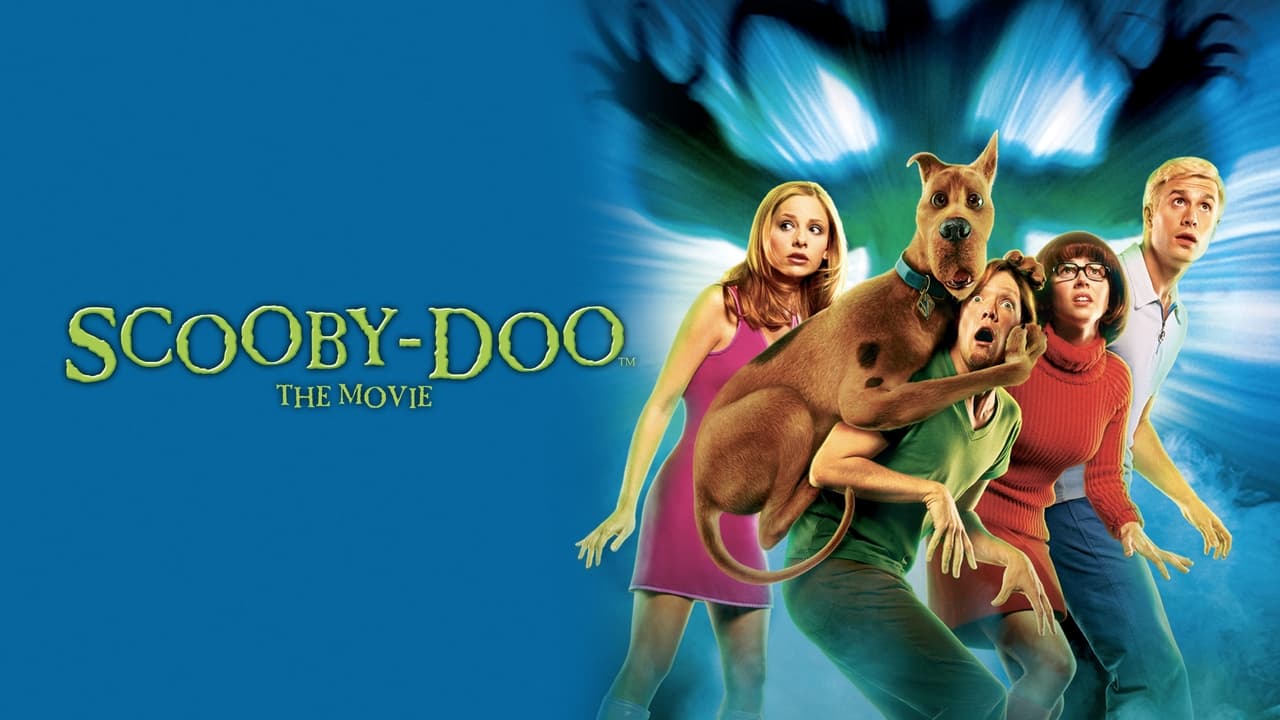
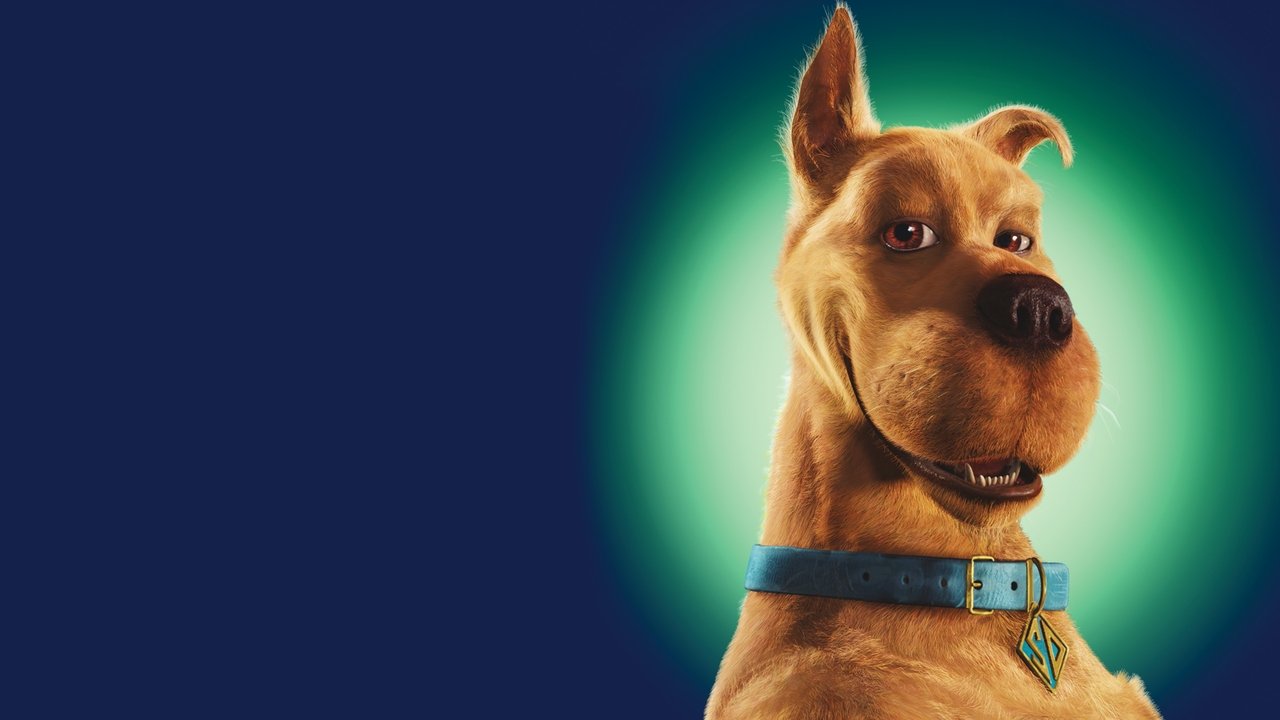
Looking back, Scooby-Doo is a fascinating relic of the CGI revolution. This was the era where studios were moving away from the practical brilliance of the 90s and diving headfirst into digital characters. Scooby himself, voiced by Neil Fanning, is a marvel of his time, even if he now looks a bit like a wet marshmallow found under a couch.
There’s a charm to the "floaty" physics of the early 2000s digital effects. When Scooby and Shaggy are competing in a literal burp-and-fart contest (yes, that happens), the CGI feels tactile in its clunkiness. It’s not "realistic," but it fits the heightened, Saturday-morning-cartoon aesthetic of the film. The production design of Spooky Island itself is a standout; it feels like a real place you could visit, albeit a place where you’d definitely leave with a very expensive souvenir cup and a mild case of sunstroke.
A Blockbuster Time Capsule
It’s easy to forget how much of a juggernaut this movie was. With a budget of $84 million—a massive sum for a cartoon adaptation at the time—it went on to gross over $275 million worldwide. It wasn't just a movie; it was a cultural event that launched a sequel, Scooby-Doo 2: Monsters Unleashed, and proved that the "brand name" blockbuster was here to stay.
The DVD era was also in full swing during this release, and I remember spending hours scrolling through the special features. The "deleted scenes" hinted at the more mature movie James Gunn originally wrote, including a sequence where Velma accidentally winds up in a bikini dance-off. It’s those little glimpses of adult-skewing humor that give the film its cult status today. It doesn't talk down to the audience; it just invites everyone to the party, regardless of whether they’re five years old or a college student who clearly understands why Shaggy and Scooby are always so hungry.
While critics at the time weren't kind, history has been much more generous to the Spooky Island crew. In an age of homogenized, formulaic franchises, there is something deeply refreshing about a movie that features Rowan Atkinson as a theme park owner and a soul-swapping plot involving ancient demons.
Ultimately, Scooby-Doo is a time capsule of a very specific moment in Hollywood history. It captures the transition from the analog 90s to the digital 2000s, wrapped in a package of genuine camaraderie and slapstick joy. It’s not a "masterpiece" in the traditional sense, but it’s a film that knows exactly what it wants to be: a loud, colorful, and slightly bizarre tribute to a Great Dane and his meddling friends. If you can handle the Y2K aesthetics and the questionable CGI, it’s a trip to the island worth taking.
Keep Exploring...
-
Scooby-Doo 2: Monsters Unleashed
2004
-
The Smurfs
2011
-
Big Momma's House
2000
-

Sahara
2005
-
The Smurfs 2
2013
-

George of the Jungle
1997
-

A Bug's Life
1998
-
Charlie and the Chocolate Factory
2005
-

Madagascar
2005
-
Cars
2006
-

Ice Age: The Meltdown
2006
-

Night at the Museum
2006
-
Shrek the Third
2007
-

Wild Hogs
2007
-
Horton Hears a Who!
2008
-
Austin Powers: The Spy Who Shagged Me
1999
-
Never Been Kissed
1999
-
Spy Kids
2001
-
Spy Kids 2: The Island of Lost Dreams
2002
-
Hoodwinked!
2005