Showtime
"Real cops. Real cameras. Real aggravation."
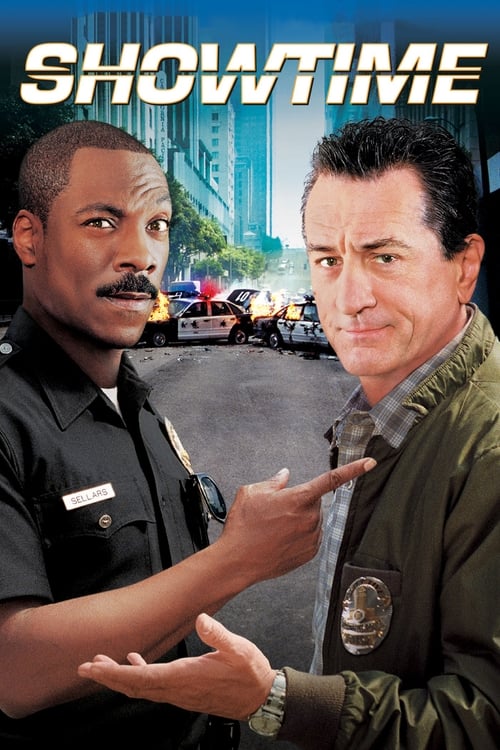
I recently unearthed my old DVD copy of Showtime from a box in the garage—one of those snapper cases that Warner Bros. used to love, which always felt like they were one aggressive tug away from breaking. I watched it on a Tuesday afternoon while my neighbor was power-washing his driveway, the low-frequency hum of his machinery oddly syncing up with the generic heavy-metal riffs of the film’s action sequences. It was the perfect atmosphere for a movie that is, quite frankly, the cinematic equivalent of a loud, shiny, slightly confusing power tool.
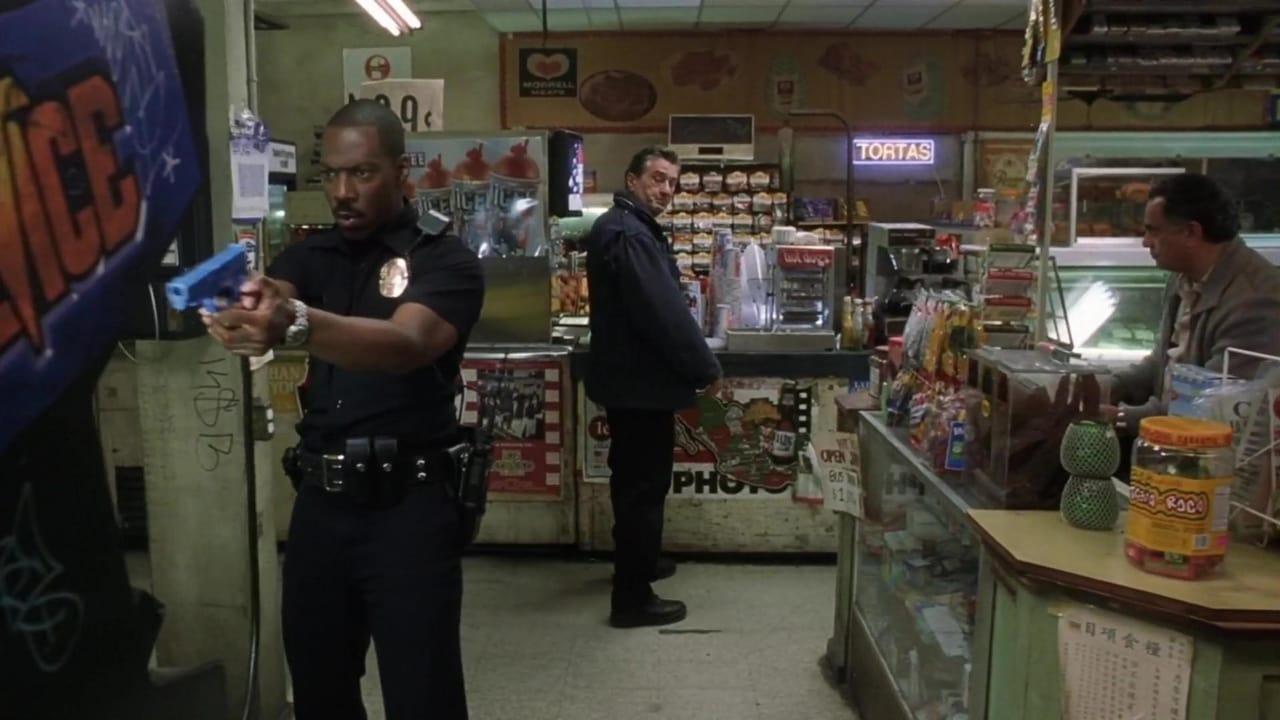
Released in 2002, Showtime arrived at a very specific crossroads in Hollywood history. We were moving away from the gritty, practical stunt-work of the 90s and diving headfirst into the glossy, over-saturated look of the early digital age. It was also the exact moment reality television was mutating from a weird experiment into a global infection. Looking back, this movie is a fascinating, if messy, time capsule of that transition. It tries to be three things at once: a satire of the media, a high-octane action flick, and a classic "odd couple" buddy-cop comedy. It doesn't quite nail any of them, but the sheer wattage of the leading men makes it hard to completely ignore.
The Deadpan and the Dreamer
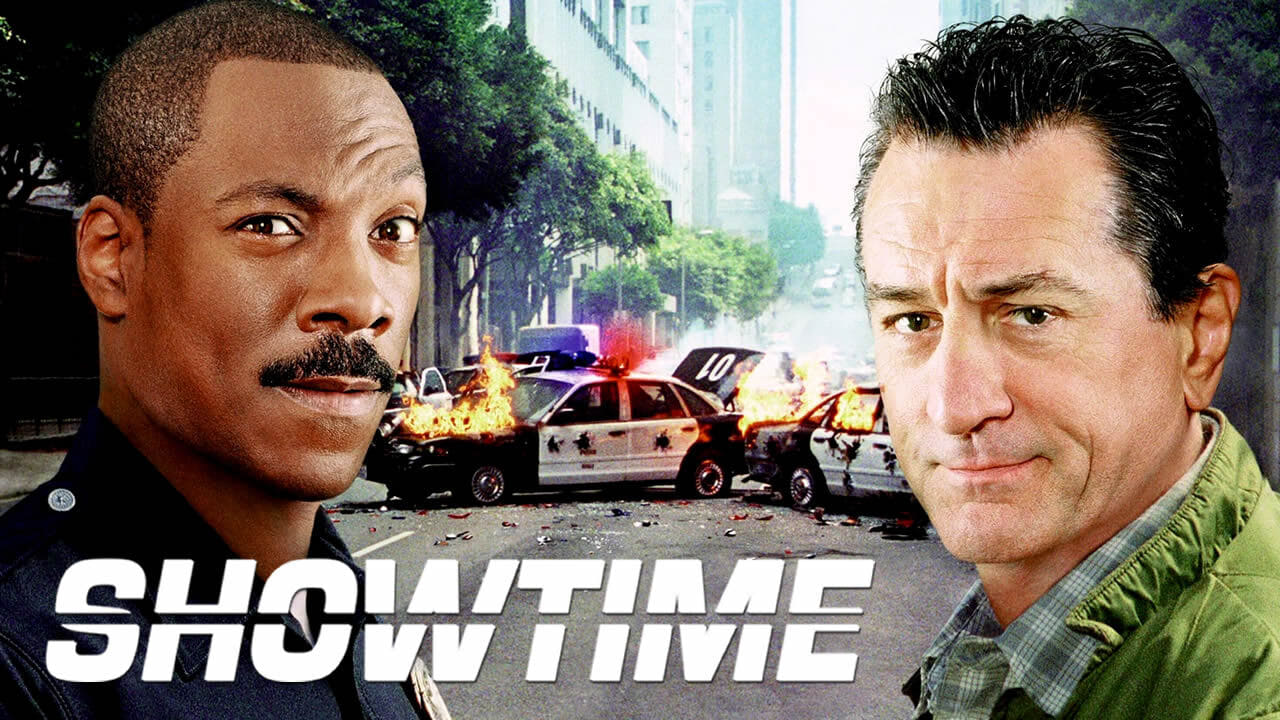
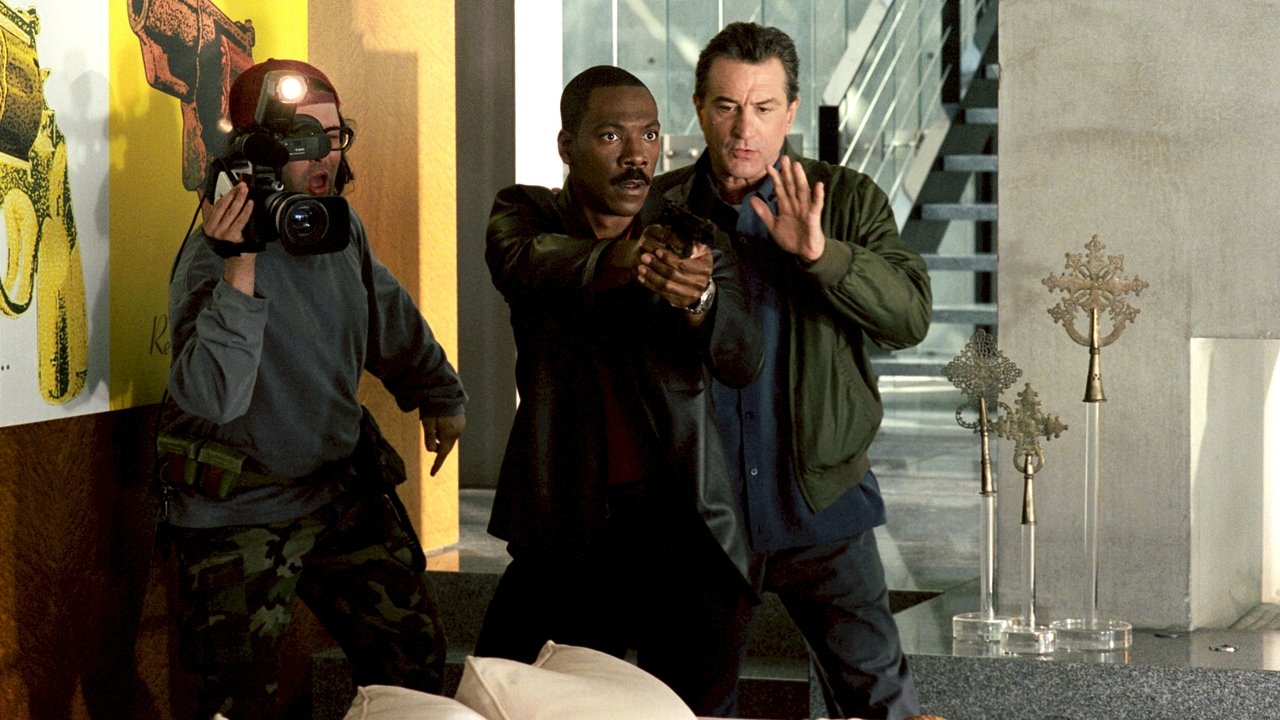
The premise is pure high-concept studio gold. Robert De Niro plays Mitch Preston, a veteran detective who just wants to do his job and maybe work on his pottery. He’s the quintessential "I’m too old for this" cop, a role De Niro could (and arguably did) play in his sleep. Opposite him is Eddie Murphy as Trey Sellars, a patrol officer who is desperately trying to parlay his badge into a SAG card. When Mitch loses his cool and shoots a news camera during a botched drug bust, the network—led by a delightfully cold Rene Russo as producer Chase Renzi—threatens to sue unless the LAPD lets them turn Mitch’s life into a reality show.
The chemistry here is... peculiar. De Niro is so committed to being miserable that he sometimes forgets to be funny, while Murphy is dialed up to an eleven, seemingly trapped in his "fast-talking 80s" persona but filtered through a PG-13 lens. It’s a classic clash of acting styles: Method vs. Improvisation. There are moments where you can see De Niro genuinely looking like he wants to be anywhere else, which, depending on your perspective, is either brilliant character work or a man realizing his mortgage is paid off.
Shatner Steals the Spotlight
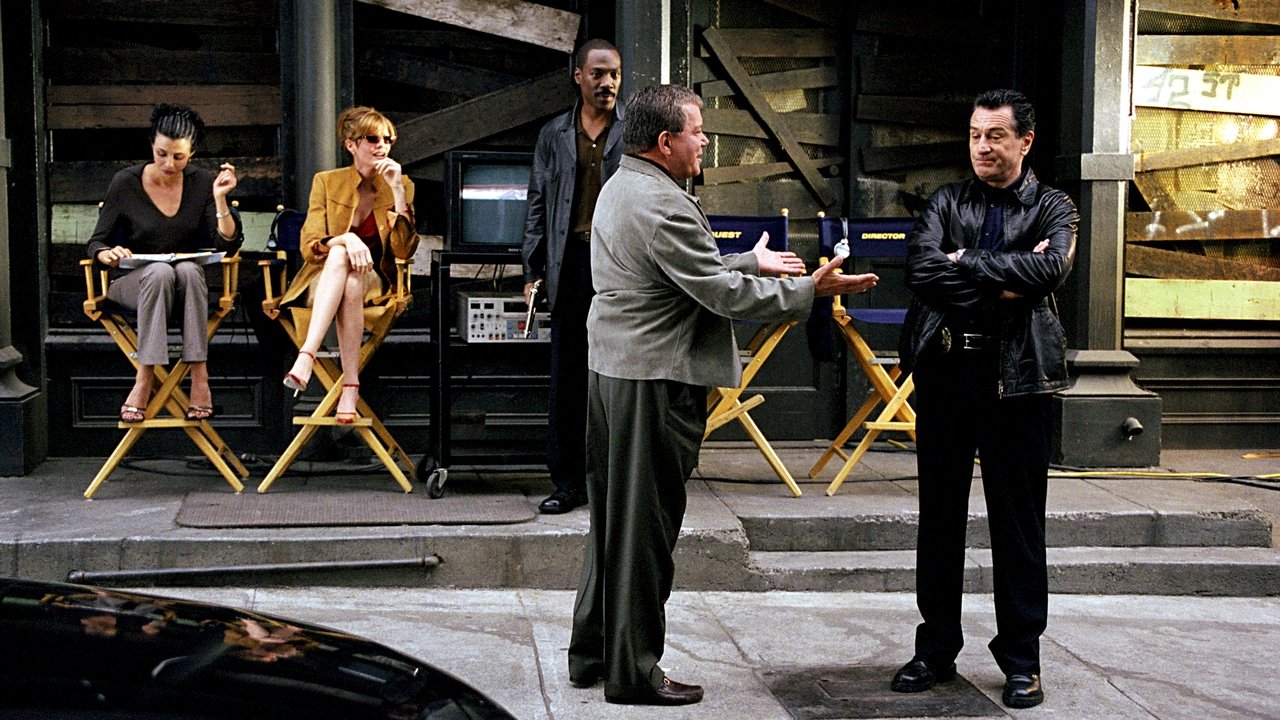
While the leads are the draw, the movie’s secret weapon is William Shatner, playing a caricature of himself. He’s brought in as a "consultant" to teach the two actual cops how to act like TV cops. Watching Shatner teach Robert De Niro how to slide across the hood of a car or how to "brood" for the camera is easily the highlight of the film. It’s the kind of meta-humor that was just starting to become trendy, and Shatner leans into his own pomposity with a self-awareness that feels fresher than the rest of the script.
The film was directed by Tom Dey, who had just come off the surprisingly charming Shanghai Noon with Jackie Chan. You can see his touch in the way the action is staged—it’s clear, legible, and relies on a lot of breaking glass. This was a time before "shaky cam" took over the genre, so you actually get to see the stunt drivers doing their thing. However, the film is hampered by the "Maxis" gun—a fictional, ridiculously oversized super-weapon that the villains are trying to sell. It’s a very 2002 plot device, a CGI-assisted hunk of metal that looks like a rejected toy from a cereal box. The "Maxis" is supposed to be terrifying, but in retrospect, it just feels like the production team was trying too hard to compete with the emerging superhero craze.
A Glossy Relic of the DVD Era
If you look at the screenplay credits, you’ll see Alfred Gough and Miles Millar, the duo who would go on to create Smallville and more recently Wednesday. You can see their fingerprints in the snappy dialogue and the way they try to deconstruct genre tropes. They want to mock the "buddy cop" cliches—the angry captain (Nestor Serrano), the forced partnership, the property damage—but the movie eventually gives in and becomes exactly what it’s mocking. By the third act, we’re in a standard "save the girl, stop the bomb" finale that feels like it was mandated by a studio board meeting.
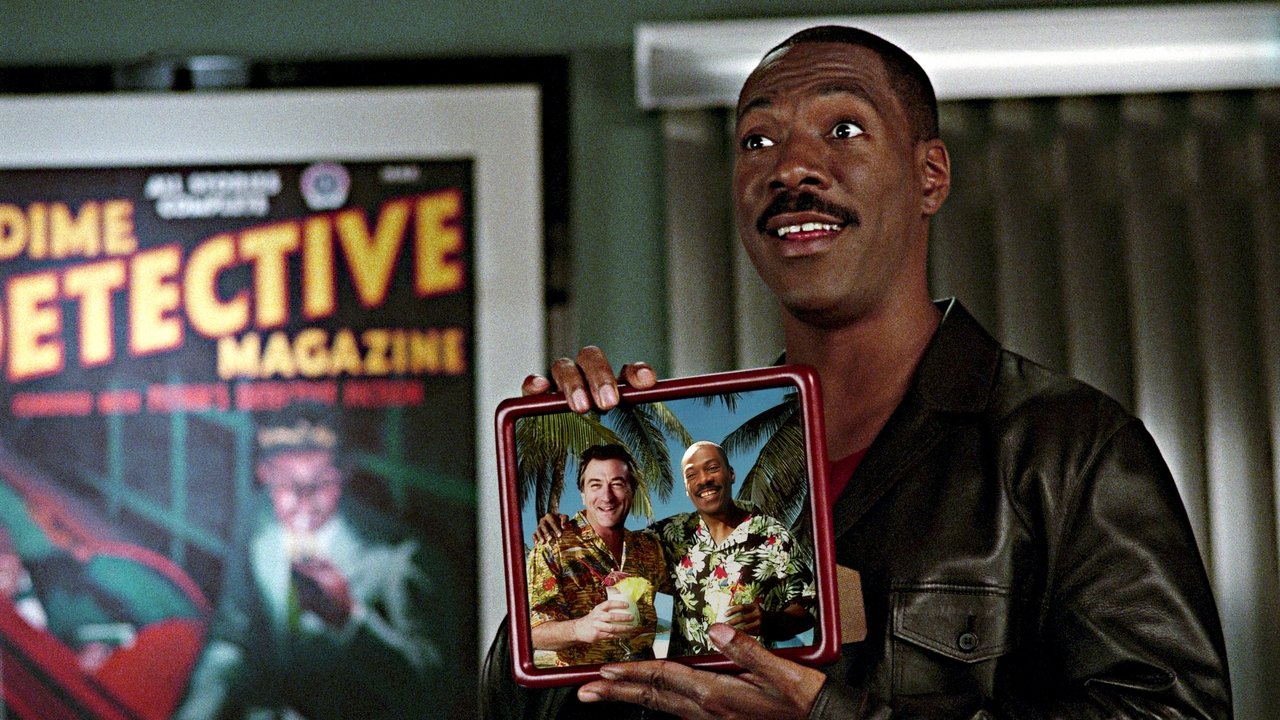
What holds up surprisingly well is the critique of the "performative" nature of modern life. In 2002, the idea of a cop caring more about his "lighting" than his backup felt like a joke; today, in the era of TikTok and body cams, it feels like a prophecy. There’s a scene where Rene Russo’s character is redesigning Mitch’s apartment to look "more like a cop's place," replacing his actual interests with "manly" clutter. It’s a sharp jab at how media sanitizes reality, even if the movie itself is a heavily sanitized product.
Ultimately, Showtime didn't set the box office on fire, and it's rarely mentioned in the pantheon of De Niro or Murphy's greatest hits. It sits in that middle ground of "cable TV staples"—the kind of movie you stop on when you're flipping channels at a hotel and realize you've watched forty minutes of it without meaning to. It’s a loud, brightly lit reminder of a time when Hollywood thought throwing $85 million at two legends and some car flips was a guaranteed win. It’s not a win, but it’s a perfectly pleasant way to spend an hour and a half if you're feeling nostalgic for the days when Eddie Murphy’s sweaters were very, very colorful.
It’s a functional comedy that survives on the fumes of its stars' charisma. While the satire is a bit toothless and the action is standard-issue for the era, the William Shatner scenes alone make it worth a look for any student of early-2000s studio filmmaking. It's the cinematic equivalent of a burger from a chain restaurant: you know exactly what you're getting, it's a bit overpriced, and you'll forget you ate it by tomorrow morning, but the first few bites are decent enough.
Keep Exploring...
-
Shanghai Noon
2000
-

Failure to Launch
2006
-
Osmosis Jones
2001
-

Miss Congeniality 2: Armed and Fabulous
2005
-
Blue Streak
1999
-

Mystery Men
1999
-

The Mexican
2001
-

Sahara
2005
-

Fred Claus
2007
-
Lake Placid
1999
-

Eight Legged Freaks
2002
-
Bulletproof Monk
2003
-
National Security
2003
-
Shanghai Knights
2003
-
Taxi
2004
-
Shoot 'Em Up
2007
-

Hudson Hawk
1991
-
Taxi 2
2000
-
Jackass: The Movie
2002
-
Taxi 3
2003