Signs
"Fear is finding out you aren't alone."

The most terrifying thing about the year 2002 wasn’t a multi-legged creature from the Pleiades; it was the grainy, low-resolution footage of a birthday party in Brazil. If you were around then, you know exactly the clip I mean. That jagged, shaky-cam glimpse of a green figure darting across a suburban alleyway did more for the "found footage" genre than almost anything since The Blair Witch Project. It tapped into a very specific, post-9/11 brand of American anxiety—the feeling that the world could change forever while you were busy eating a sandwich in your living room.
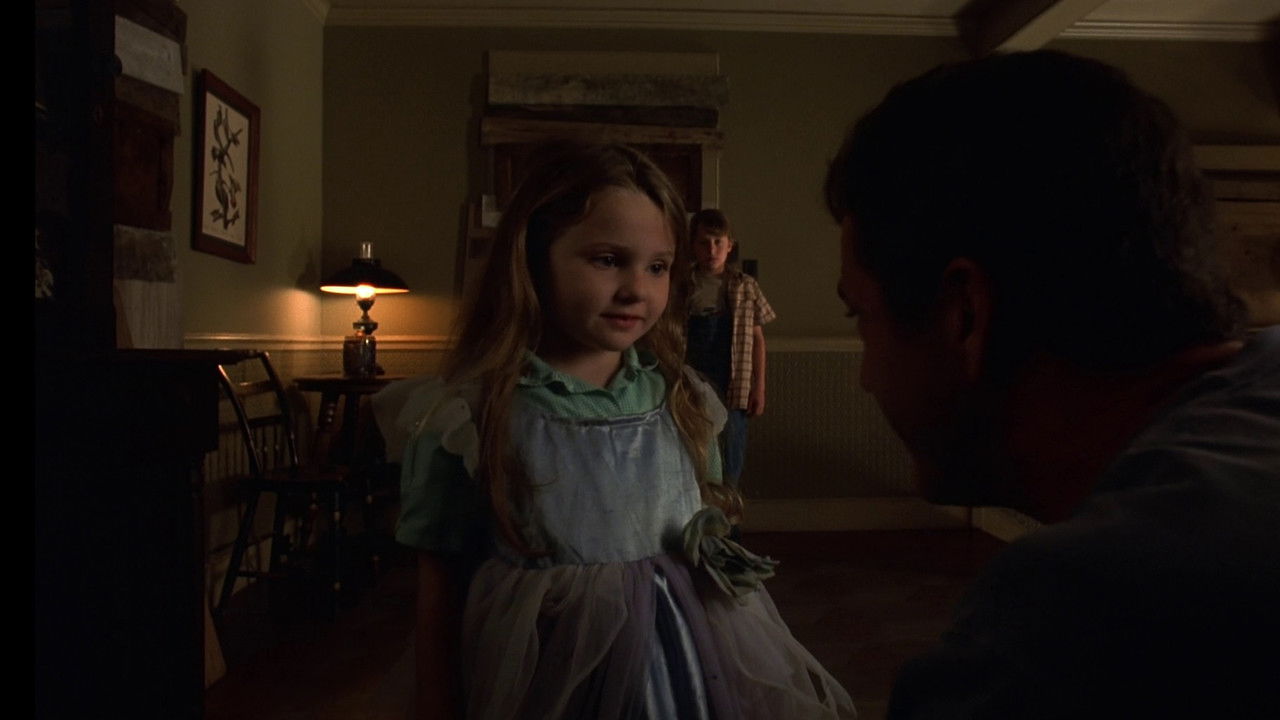
I recently rewatched this on a humid Tuesday night while drinking a lukewarm Grape Nehi that had lost most of its carbonation, and honestly, the lack of fizz only added to the mounting dread. M. Night Shyamalan’s Signs isn't a movie about a planetary invasion; it’s a chamber piece about a family experiencing a collective nervous breakdown while the news anchor tells them the sky is falling.
The Gospel of the Kitchen Sink
In the early 2000s, we were still transitioning from the tactile grit of the 90s to the sleek, often hollow digital landscapes of the future. Signs sits firmly in the former. Instead of showing us the White House exploding or Will Smith punching an ET in the face, Shyamalan keeps the camera locked on a farmhouse in Bucks County. This is "kitchen sink" sci-fi, where the stakes aren't measured in megatons, but in whether or not Abigail Breslin’s character, Bo, thinks the water tastes "old."
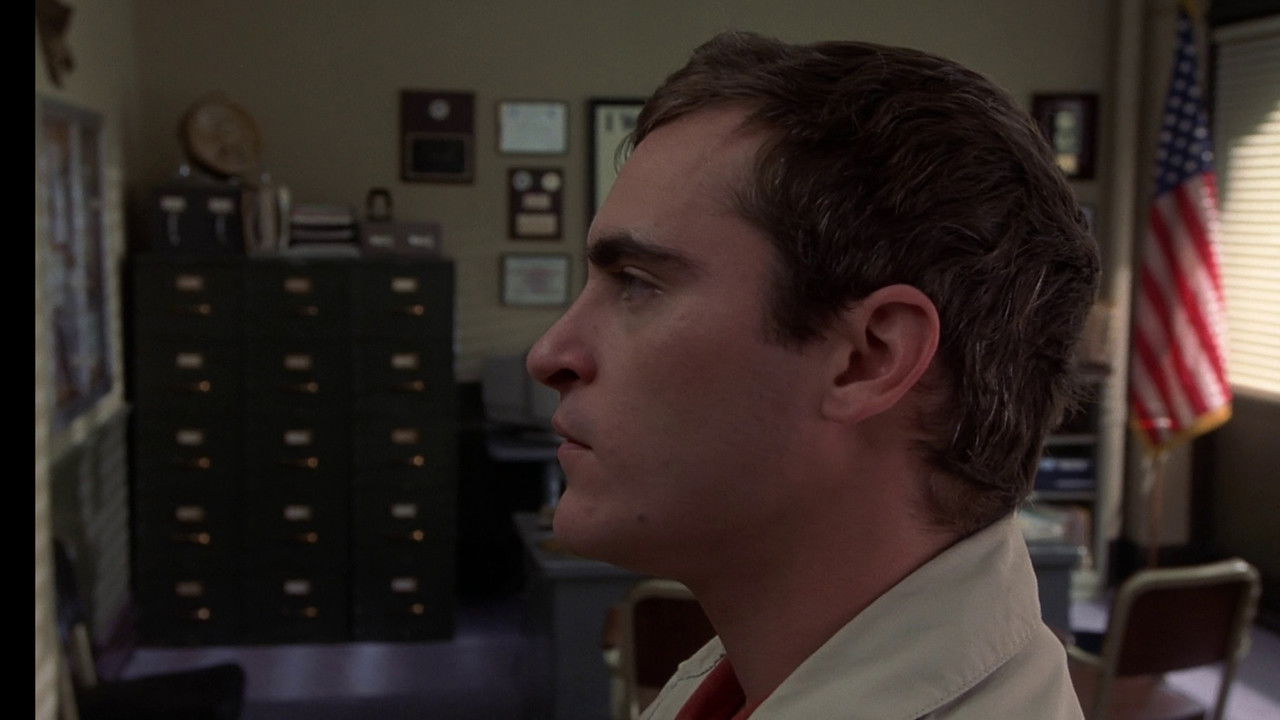
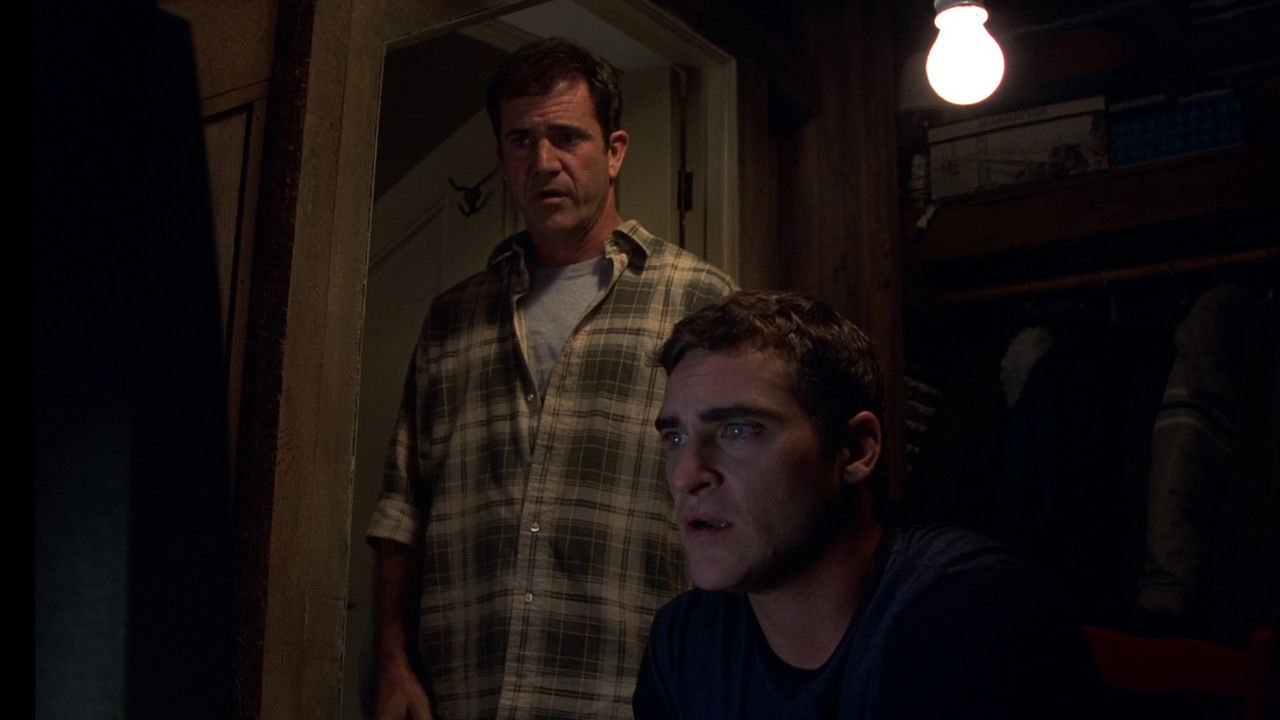
Mel Gibson delivers what might be his most disciplined performance as Graham Hess, a man who has traded his priest’s collar for a heavy coat of cynical grief. There’s a stillness to him here that feels miles away from Lethal Weapon. Opposite him, a young Joaquin Phoenix plays Merrill, the younger brother whose claim to fame is a minor-league strikeout record. Their chemistry is built on the kind of weary silence that only exists between people who have already lost everything once before. When Merrill sees the alien on the news and sinks to the floor, it’s not just a jump scare—it’s the realization that his sanctuary has been breached.
Practical Corn and Digital Shadows
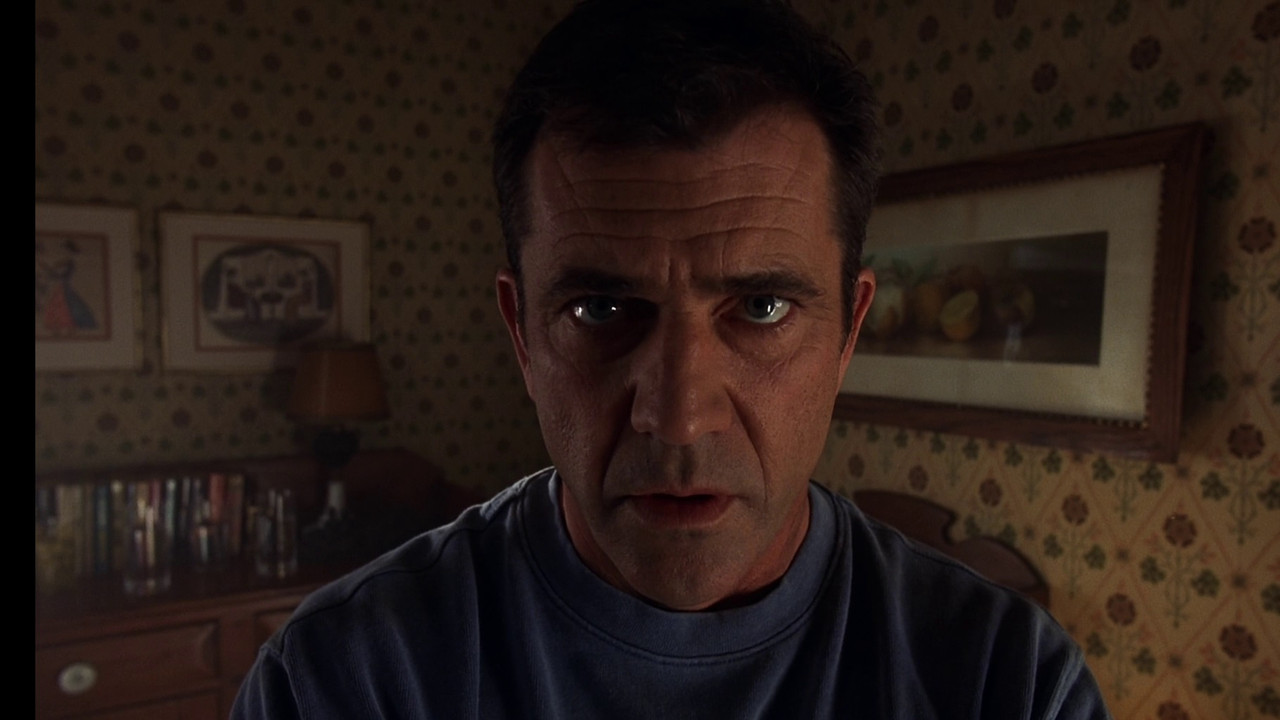
One of the reasons Signs still feels so grounded is the production's refusal to lean entirely on the burgeoning CGI of the era. To prepare for the film, the crew actually grew 175 acres of corn, ensuring the stalks were the perfect height to obscure the horizon. There is a weight to those fields that digital rendering simply couldn't have achieved in 2002. When Graham runs through the rows and his flashlight catches a leg disappearing into the leaves, the terror is physical because the environment is real.
Of course, we have to talk about the "water" of it all. The aliens aren't actually colonizing a planet made of poison; they’re a narrative metaphor for a test of faith, and people who get hung up on the chemistry are missing the bonfire for the sparks. Looking back, the CGI alien reveal in the climax hasn't aged quite as gracefully as the rest of the film—it has that slightly rubbery, early-digital sheen—but the sound design more than makes up for it. The clicking noises, the heavy thuds on the roof, and James Newton Howard’s three-note score (inspired by the jagged tension of Bernard Herrmann) do the heavy lifting that pixels couldn't.
A Monster of a Success
It’s easy to forget just how much of a juggernaut this movie was. Off a $72 million budget, it raked in over $400 million globally. It was the kind of "watercooler movie" that dominated the culture for months. People were genuinely afraid of their own backyards. This was Shyamalan at the absolute zenith of his powers, following up The Sixth Sense and Unbreakable with a film that felt like Hitchcock directing a Spielberg script.
The trivia surrounding the production highlights the meticulousness of that peak-Shyamalan era. He famously banned the cast and crew from using the word "aliens" on set, preferring "intruders" to keep the performances focused on the home-invasion aspect. He also made the cast live in the farmhouse during rehearsals to build that lived-in, claustrophobic family dynamic. It shows. When Rory Culkin’s Morgan is having an asthma attack in the basement, you aren't thinking about spaceships; you're thinking about a kid who can't breathe.
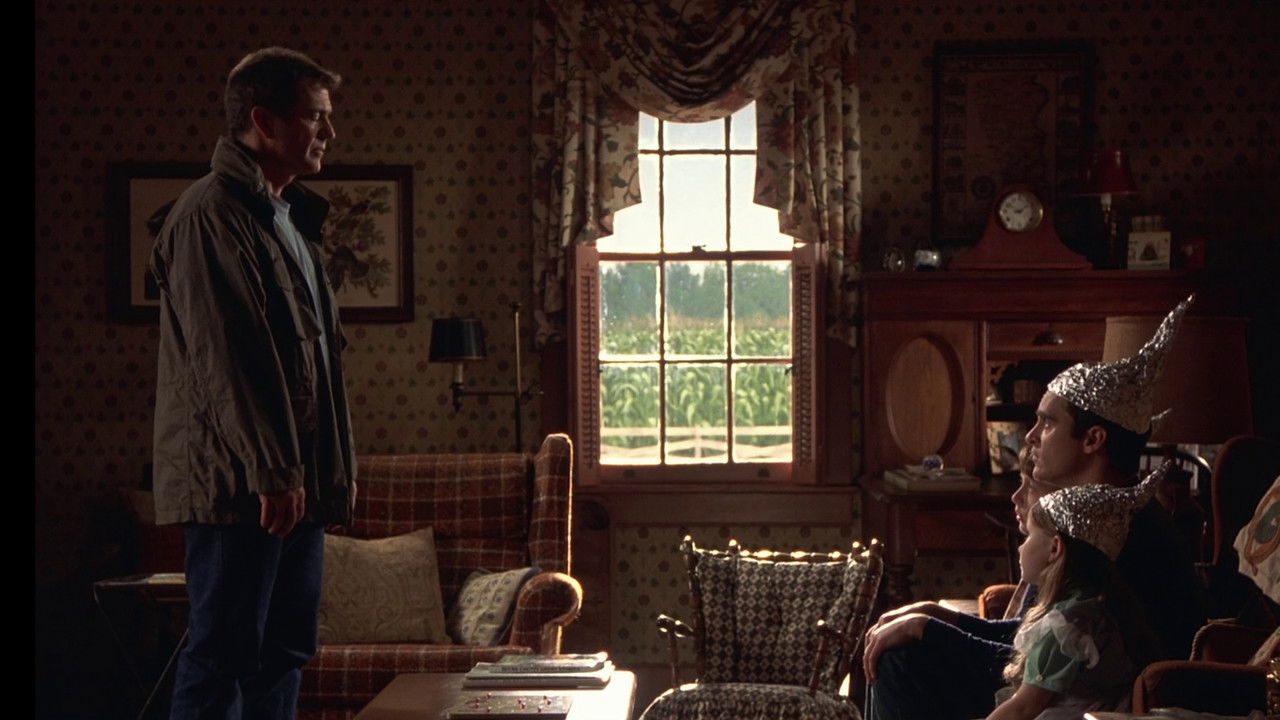
The film serves as a perfect time capsule of a moment when we were terrified of the "other" but still looked to the heavens for some kind of meaning. Whether you buy into the coincidences-as-miracles ending or not, there’s no denying the sheer craftsmanship of the tension. It’s a movie that understands that the scariest thing isn't what’s behind the door, but the sound of it trying to turn the handle. Put on your tin foil hat, keep a glass of water nearby, and just try to ignore the clicking on the roof.
Stuff You Didn't Notice
Box Office Behemoth: Signs was the sixth highest-grossing film of 2002, outperforming even the first Men in Black sequel and Red Dragon. The Hitchcock Connection: The opening titles are a direct homage to the Saul Bass style used in Psycho and North by Northwest. No CGI Corn: Shyamalan insisted on real crop circles. They didn't use any digital trickery for the overhead shots of the fields; it was all manual labor and landscaping. Director's Cameo: Shyamalan’s role as Ray Reddy is his most substantial acting turn in his own films, playing the man who accidentally caused the death of Graham’s wife. * The Sound of Fear: The clicking language of the aliens was created by recording various animals, including goats and birds, and then manipulating the pitch and speed.
Keep Exploring...
-
The Village
2004
-
Unbreakable
2000
-
Glass
2019
-
The Sixth Sense
1999
-
The 6th Day
2000
-
Conspiracy Theory
1997
-
The Forgotten
2004
-
The Jacket
2005
-
The Bourne Identity
2002
-
Flightplan
2005
-
I Am Legend
2007
-
The Bourne Ultimatum
2007
-
Disturbia
2007
-
Edge of Darkness
2010
-
Outbreak
1995
-
Knowing
2009
-
Rise of the Planet of the Apes
2011
-
Super 8
2011
-
Gravity
2013
-
Dawn of the Planet of the Apes
2014