Spider
"The mind is a very sticky place."
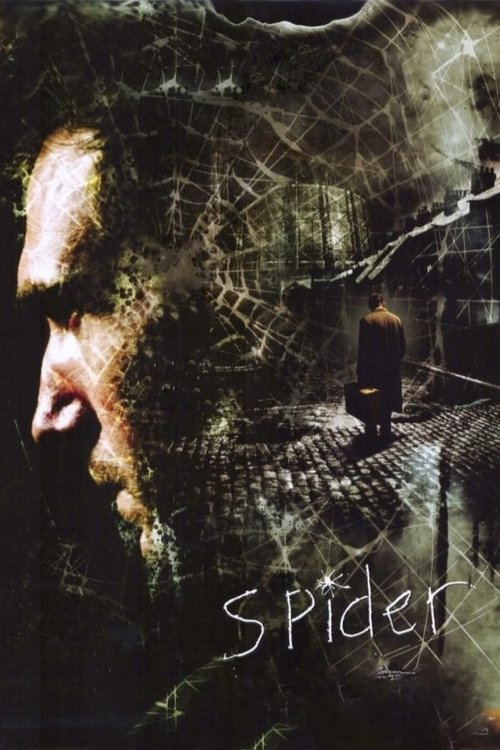
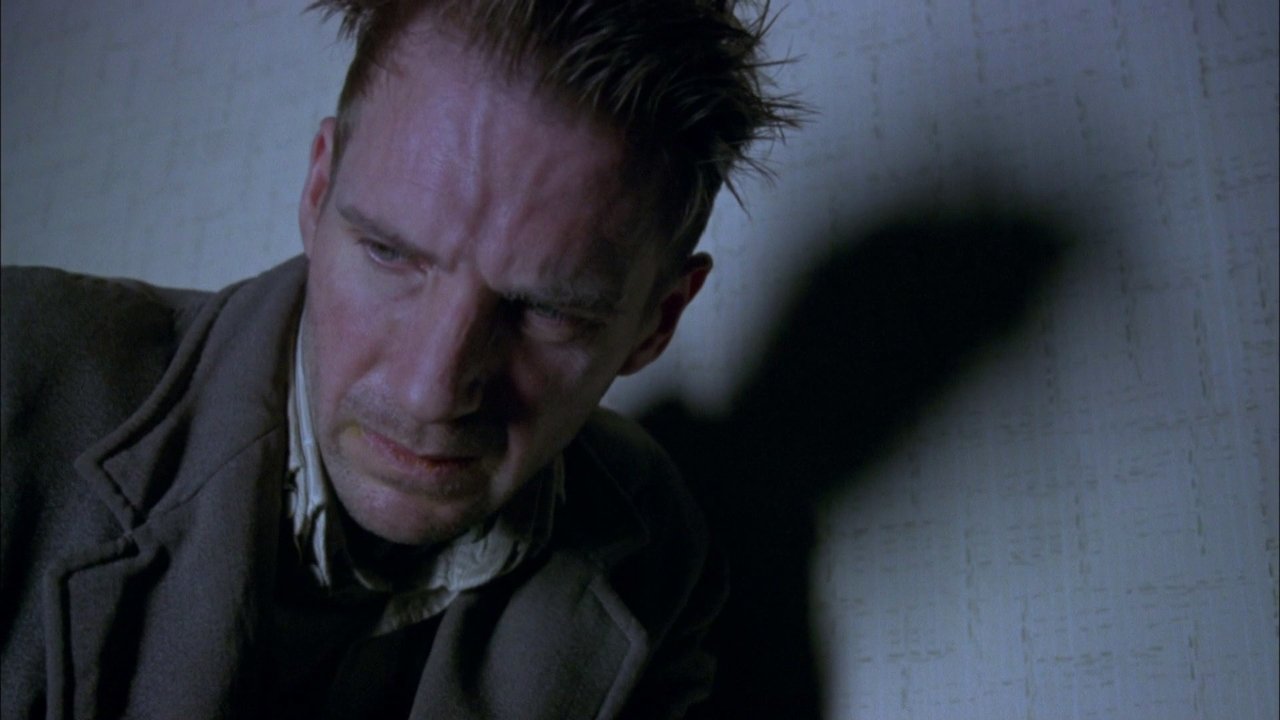
The first thing I noticed about Spider wasn't the plot or the prestige of the director—it was the sound of the pencil. Ralph Fiennes spends a significant portion of this movie hunched over a tiny, grime-streaked notebook, scribbling in a private shorthand that looks like a swarm of angry ants. The scratch-scratch-scratch of that graphite is the heartbeat of the film. It’s obsessive, rhythmic, and deeply unsettling. While watching the opening credits, I spent three minutes trying to pick a piece of popcorn out of my back molar with a toothpick, and the frustration of that tiny, trapped thing felt perfectly aligned with the protagonist’s mental state.

Released in 2002, Spider arrived at a strange crossroads for David Cronenberg. For decades, the man was the king of "body horror"—the guy who gave us exploding heads in Scanners and Jeff Goldblum turning into a literal insect in The Fly. But by the turn of the millennium, Cronenberg was trading physical gore for psychological decay. Spider is the peak of that transition. It’s not a movie where things jump out of the shadows; it’s a movie where the shadows themselves feel like they’re breathing down your neck.
The Man Who Wasn't There
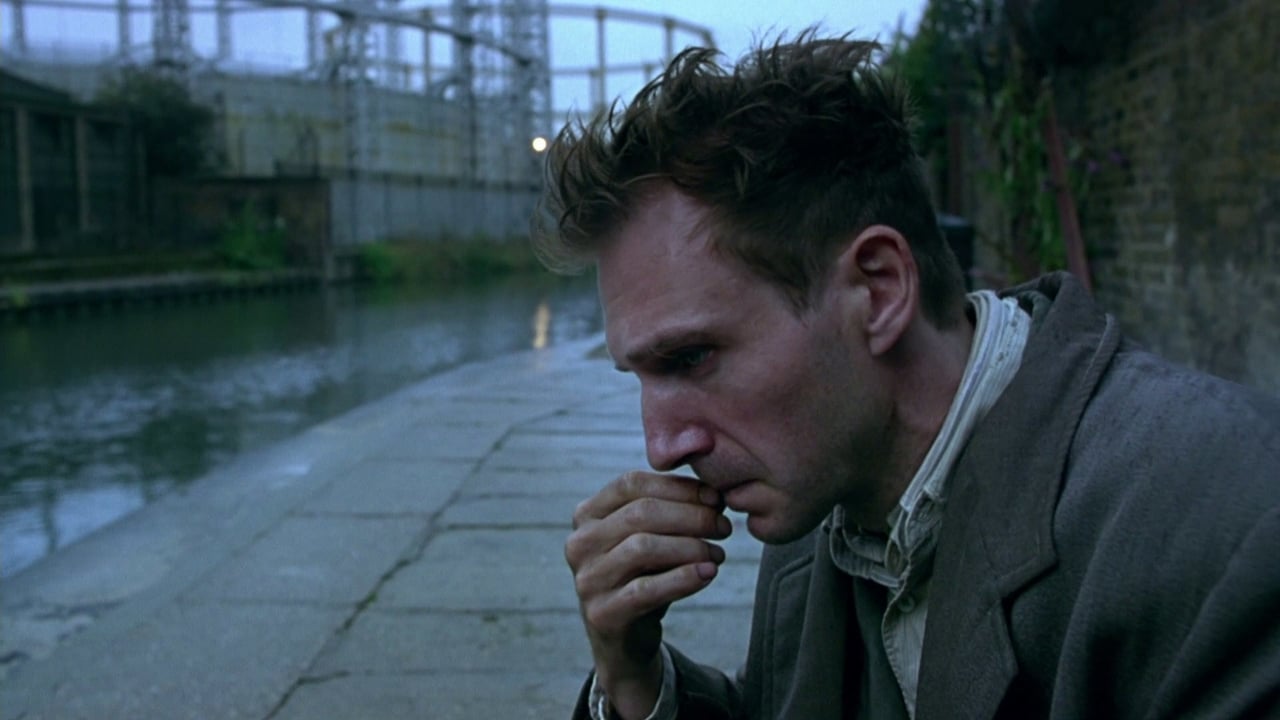
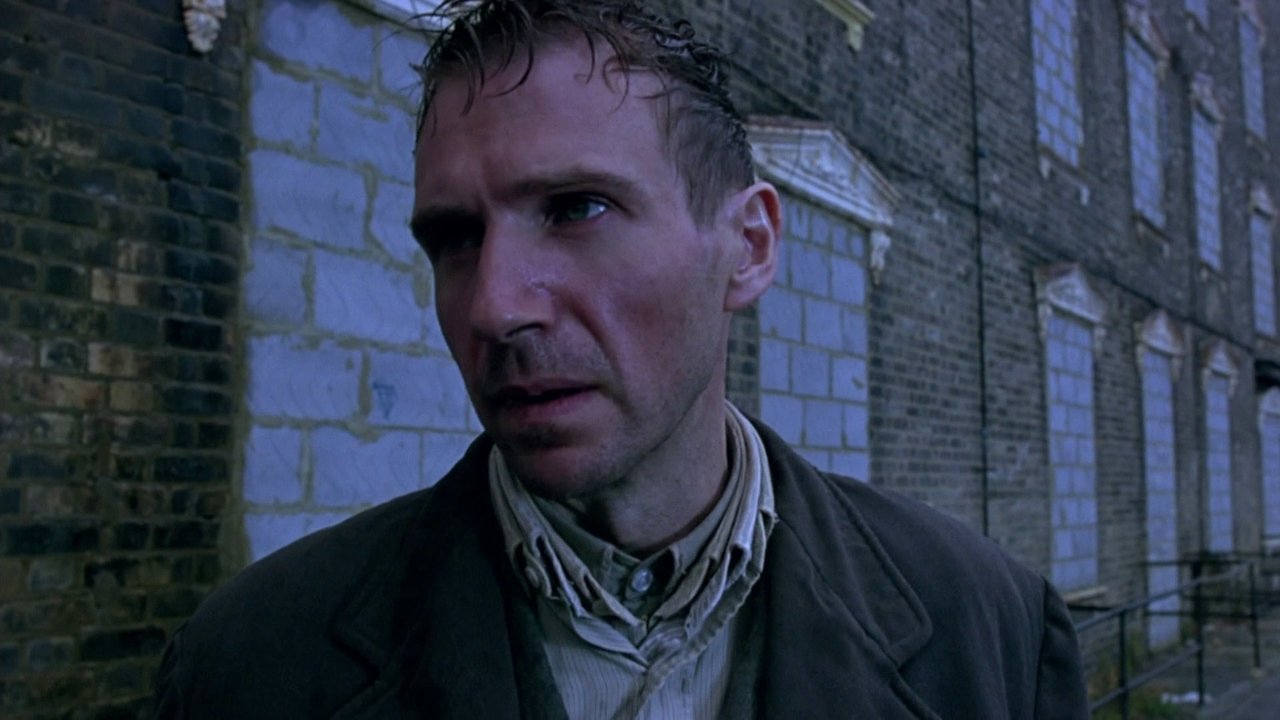
The story follows Dennis "Spider" Cleg, a man recently released from a psychiatric institution into a bleak London halfway house. Spider doesn't really talk; he mumbles, he frets, and he wears four shirts at once because he’s perpetually cold (or perhaps just trying to keep his soul from leaking out). Ralph Fiennes is unrecognizable here. If you only know him as the romantic lead in The English Patient or the sharp-tongued M in James Bond, seeing him looking like he’s been living in a dumpster and surviving exclusively on damp biscuits is a shock to the system.
It’s a performance of total subtraction. He’s not "acting" in the traditional sense; he’s reacting to ghosts. As Spider wanders the foggy, industrial streets of his childhood neighborhood, the film does something brilliant: it lets the adult Spider walk right into his own memories. He stands in the corner of the kitchen while his younger self eats dinner. He watches his father, played with a menacing, soot-covered grit by Gabriel Byrne, flirt with a local woman. It’s a drama that uses the logic of a ghost story to explore how trauma freezes us in time.
The Miranda Richardson Magic Trick
The secret weapon of Spider, however, isn't Fiennes—it's Miranda Richardson. In a move that could have been gimmicky but ends up being profound, she plays three different roles: Spider's saintly mother, a foul-mouthed prostitute named Yvonne, and the stern landlady of the halfway house.
Because we are seeing the world through Spider’s fractured lens, his perception of women is fundamentally broken. One moment his mother is an angel in an apron; the next, his brain replaces her with a "scarlet woman" because his psyche can’t reconcile his father’s infidelity. Richardson is a chameleon, shifting her accent and posture so seamlessly that it takes a minute for your brain to catch up to the fact that you're looking at the same actress. It’s the kind of subtle, high-wire acting that usually cleans up at the Oscars, but Spider was far too quiet and "weird" for the Academy in 2002.
The film feels like a relic of that early-2000s indie boom where directors were still shooting on grain-heavy film stock, giving everything a textured, tactile feel. There’s no CGI here, no digital polish. Everything looks damp, brown, and smelling of coal smoke. It’s a "Modern Cinema" era film that feels like it was unearthed from a Victorian basement.
Why You’ve Probably Never Seen It
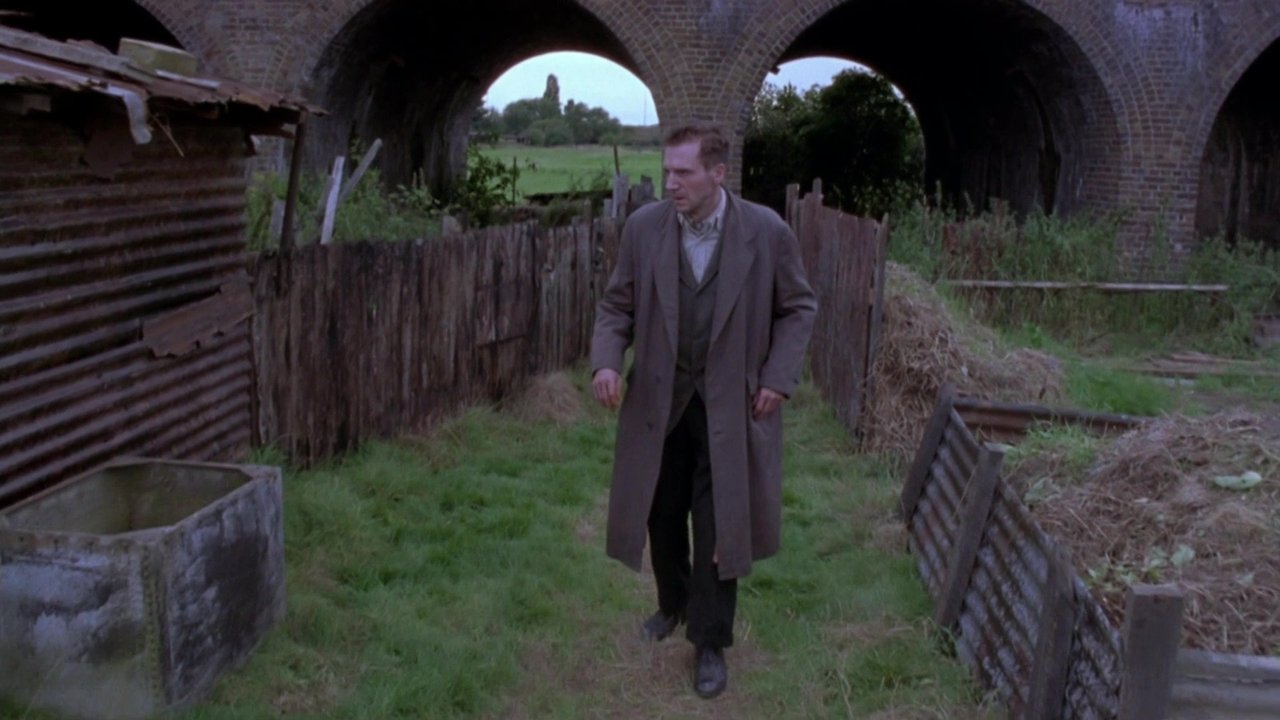
Despite the heavy hitters involved, Spider basically vanished. It made less than $6 million at the box office and never became a staple of the "Best Movies of the 2000s" lists. Part of that is the marketing—how do you sell a movie about a mumbling man who builds webs out of string in his bedroom? It’s not exactly a Friday night crowd-pleaser.
Also, it was overshadowed by the 9/11 shift in cinema. By 2002, audiences were gravitating toward the escapism of the burgeoning franchise era (the first Spider-Man and Star Wars: Episode II both landed that year). A claustrophobic study of schizophrenia wasn’t exactly what the world was craving. But looking back at it now, the obscurity is its strength. It feels like a secret. It’s a movie that demands you lean in, listen to the muttering, and try to solve a mystery where the detective and the criminal are the same broken man.
I’ll be honest: this movie is about as cheerful as a funeral in a rainstorm, but it’s also one of the most honest depictions of how memory betrays us. It doesn't use the flashy "twist" mechanics of A Beautiful Mind or Shutter Island. Instead, it just sits with you in the fog until you realize the exit has been blocked the whole time.
Spider is a masterclass in atmosphere and restraint. It’s a reminder that David Cronenberg doesn't need a budget of millions or a gallon of fake blood to make your skin crawl—he just needs a good actor and a very sharp pencil. If you’re tired of the loud, over-explained thrillers of the current streaming era, seek this one out on a rainy Tuesday. Just maybe don't wear four shirts while you do it.
Keep Exploring...
-
The Constant Gardener
2005
-
Crash
1996
-

A History of Violence
2005
-
Breakdown
1997
-
Kiss the Girls
1997
-
Wild Things
1998
-
Arlington Road
1999
-

The Gift
2000
-
Gosford Park
2001
-
Joy Ride
2001
-
The Pledge
2001
-
K-19: The Widowmaker
2002
-
The Forgotten
2004
-
Caché
2005
-

Revolver
2005
-
The Jacket
2005
-
Inland Empire
2006
-
Tell No One
2006
-
Eastern Promises
2007
-
In the Valley of Elah
2007