Spider-Man
"The foundational blueprint for the modern superhero epic, delivered with a dork's heart."
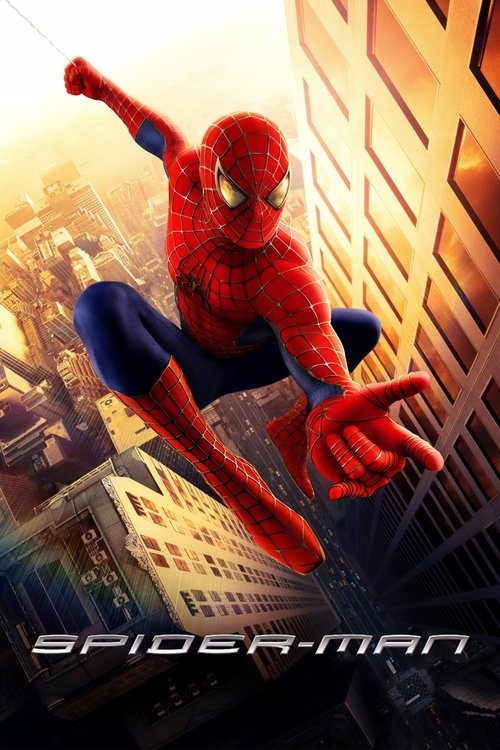
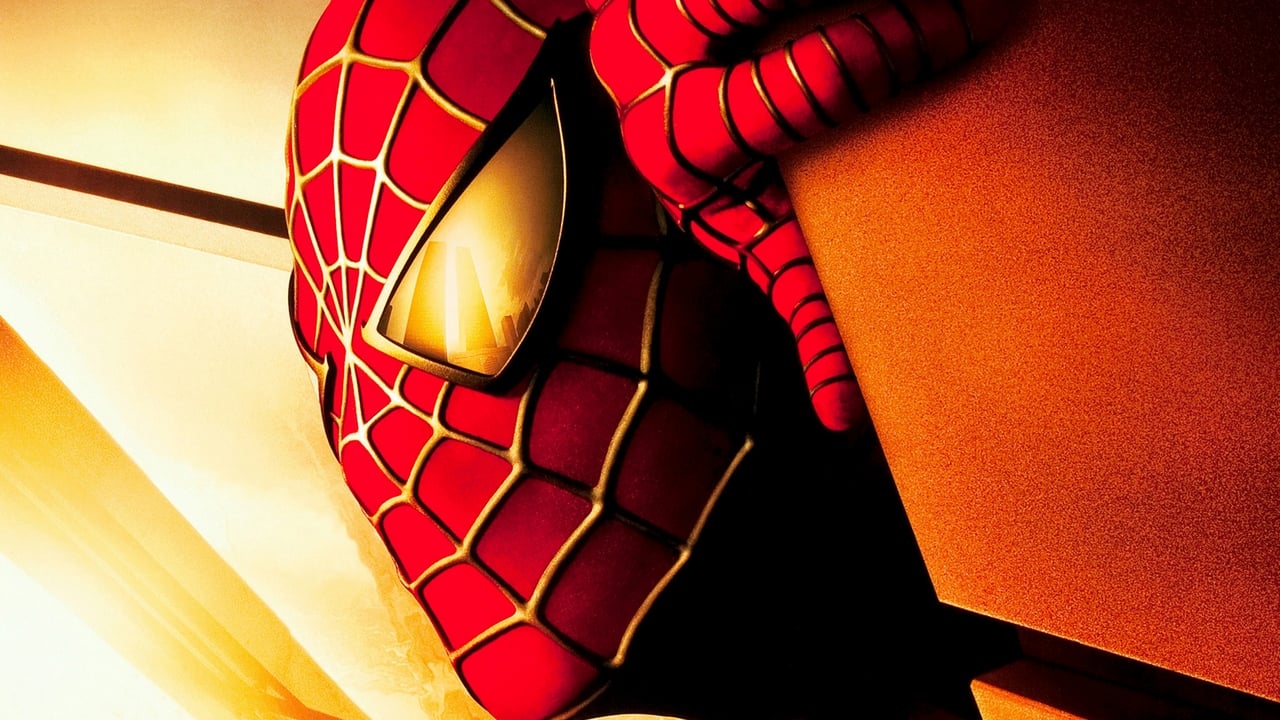
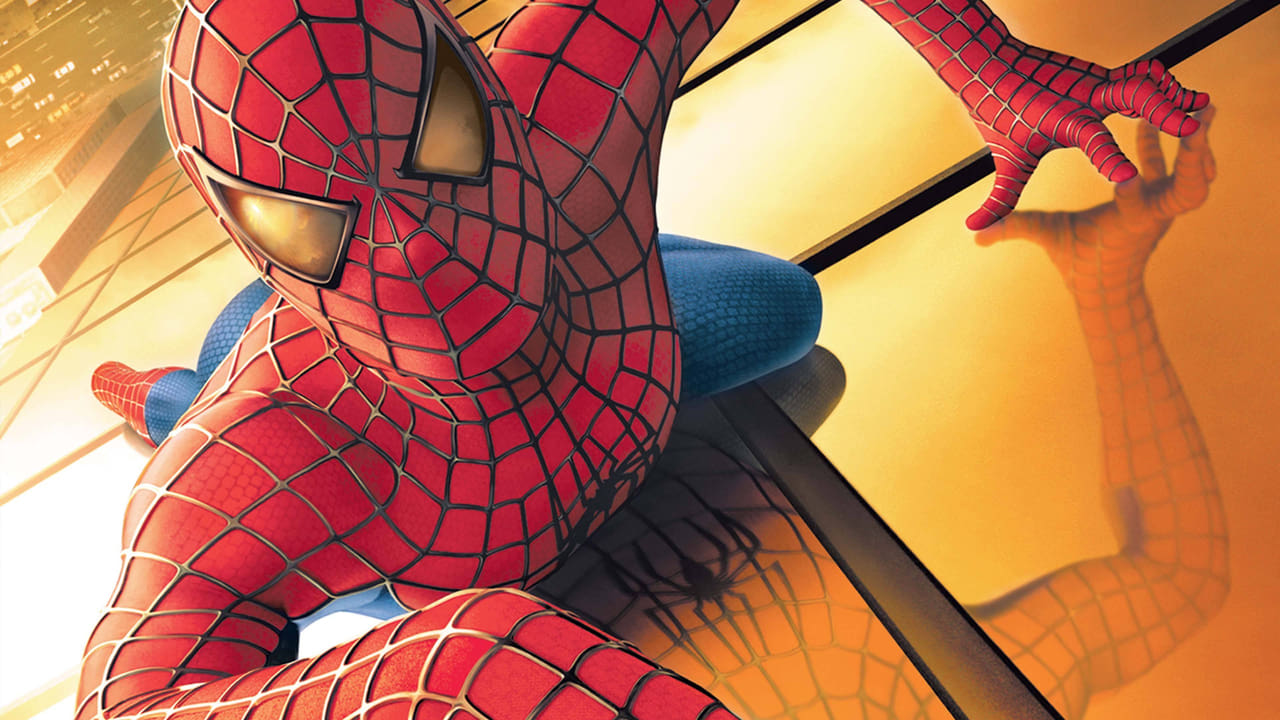
The sight of Tobey Maguire's Peter Parker staring at his own newly-defined abs in a bathroom mirror is the exact moment the 21st-century blockbuster was born. I remember watching this in a theater where the air conditioning had failed, sitting next to a guy who was aggressively whistling every time Kirsten Dunst appeared on screen, and yet, I was totally transported. Before the MCU turned every movie into a mandatory homework assignment, and before Batman decided he needed to be a growling nihilist, Sam Raimi gave us a superhero movie that actually felt like a comic book come to life—bright, earnest, and unashamedly dorky.
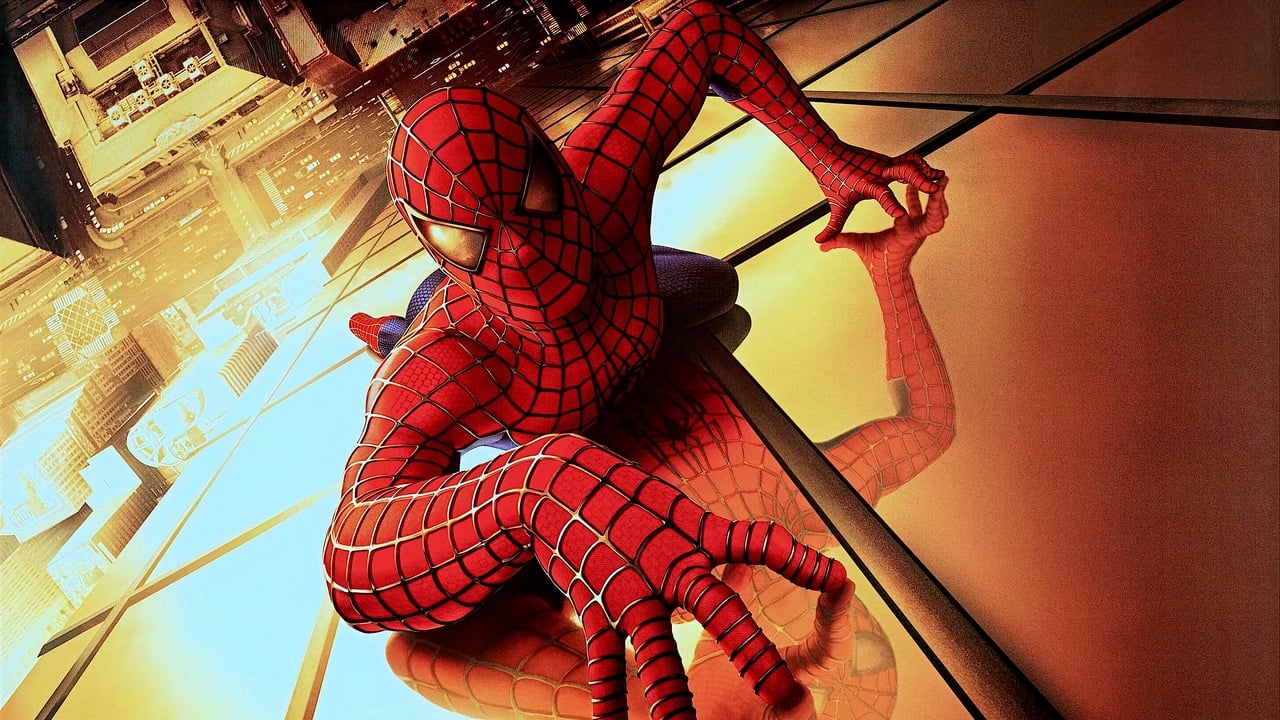
The Raimi Touch and the Tray Catch
Coming off the DIY gore of Evil Dead and the suspense of A Simple Plan, Sam Raimi was an inspired, if slightly left-field, choice for a $139 million tentpole. He brought a kinetic energy that felt revolutionary in 2002. Think about the "Spider-Sense" sequence in the school hallway: the way the camera zooms, the slight distortion, and the heightened sound of a fly buzzing. It’s pure Raimi. It’s also surprisingly grounded.
One of my favorite bits of trivia from this era of filmmaking—the transition where practical effects were still fighting the good fight against CGI—is the cafeteria scene. When Peter catches Mary Jane’s lunch on a tray, there’s no digital trickery involved. They used sticky glue on the tray, and Tobey Maguire actually caught all those items. Apparently, it took 156 takes to get it right. That level of dedication to a three-second gag is exactly why this movie feels so much more "real" than the weightless digital brawls we get today. The film balances its massive budget with these small, human moments that anchor the spectacle.
A Villain in a Power Rangers Suit
If there’s one thing that generates a bit of a chuckle in retrospect, it’s the Green Goblin’s wardrobe. Let’s be real: the Green Goblin looks like a rejected Power Rangers villain who accidentally wandered onto the wrong set. It’s a rigid, emerald motorcycle suit that completely obscures the most expressive face in Hollywood.
Thankfully, the man inside the suit is Willem Dafoe (who later brought his intensity to The Lighthouse). Willem Dafoe understood the assignment perfectly, playing Norman Osborn with a Shakespearean madness that transcends the plastic mask. He famously insisted on performing about 90% of his own stunts, which gives the action a bone-crunching weight. When he and Spidey are throwing hands in that burning building at the end, you can feel the impact. It’s not just two polygons clashing; it’s a terrifying man in a mask trying to dismantle a teenager.
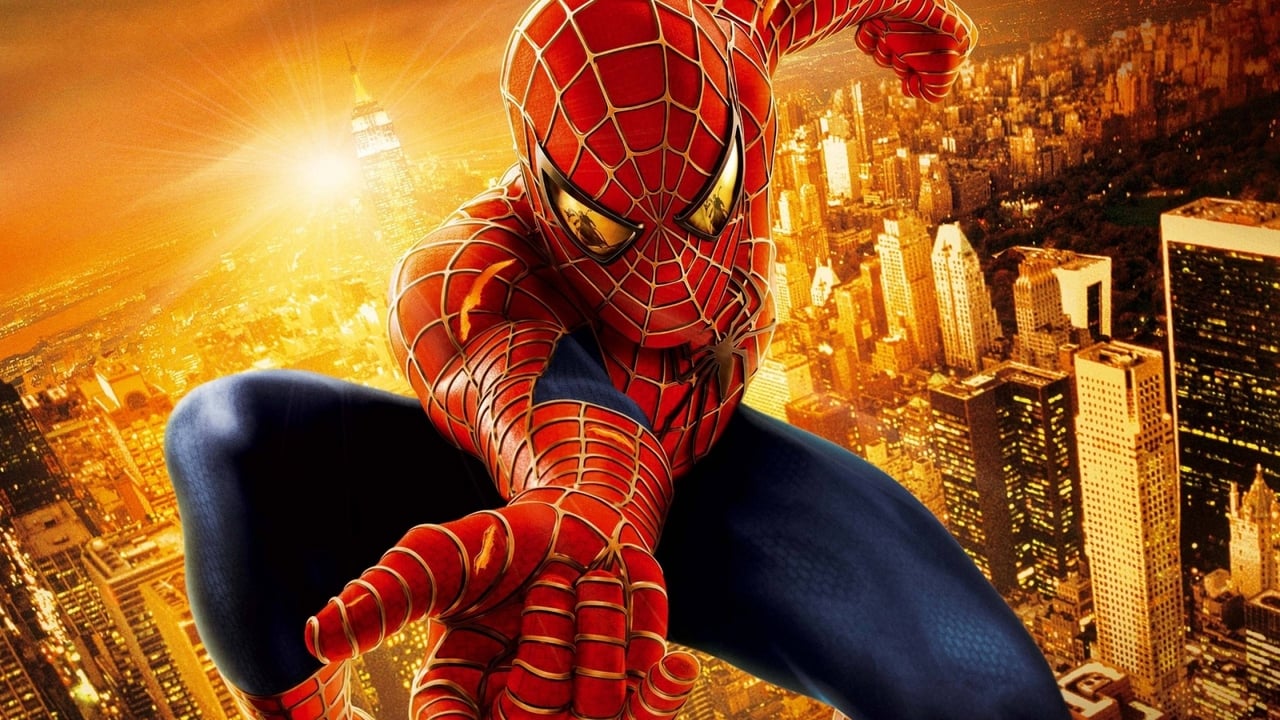
The casting across the board is just "chef’s kiss." James Franco brings a brooding, rich-kid insecurity to Harry Osborn, and Cliff Robertson delivers the "Great Power" speech with such quiet dignity that it never feels like a greeting card slogan. Even Rosemary Harris as Aunt May feels like she stepped right out of a 1960s John Romita Sr. drawing.
Gravity, Pixels, and the 2002 Vibe
Looking back from a 2024 perspective, the CGI web-swinging is the most obvious tell of its age. There are moments where Spider-Man looks like a slightly stiff rubber doll being flung across a digital Manhattan. But honestly? It doesn't matter. The feeling of those swings—the swooping camera angles and the triumphant Danny Elfman score—captures the joy of flight better than most modern films with ten times the processing power.
There’s also an undeniable post-9/11 soul to this movie. Filmed partly before the attacks, the production famously had to scrub a teaser trailer that featured a helicopter caught in a web between the Twin Towers. By the time it hit theaters in May 2002, the scene where New York citizens start throwing trash at the Goblin to protect Spider-Man ("You mess with one of us, you mess with all of us!") hit a very specific, raw emotional chord. It turned the film into a celebration of New York resilience, helping it shatter records with a then-unheard-of $114.8 million opening weekend. Adjusting for inflation, that’s about $200 million today. People didn't just want to see a movie; they needed a hero who stood for the neighborhood.
The Legacy of the Web
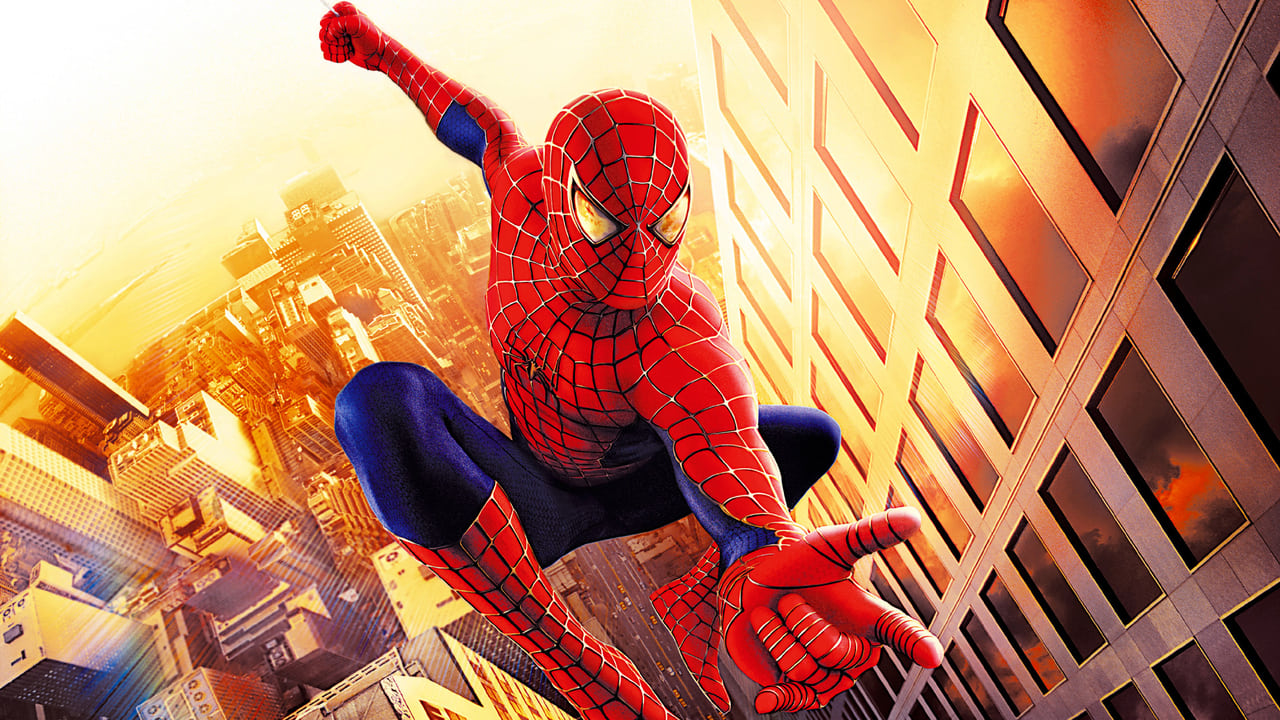
What makes Spider-Man hold up so well is that it’s a character study masquerading as an action flick. Screenwriter David Koepp, who penned Jurassic Park, keeps the focus on Peter's choice to be good despite the world treating him like a punching bag. It’s a film about the burden of responsibility, not just the cool factor of having sticky fingers.
The DVD era was just kicking into high gear when this released, and I remember spending hours pouring over the bonus features, watching how they built the mechanical spider-legs for the suit and seeing Sam Raimi geek out over the source material. That passion is baked into every frame. It’s a film that respects its audience, its history, and the simple power of a well-told origin story.
Spider-Man remains the gold standard for how to introduce a legend to the silver screen. It’s colorful, slightly campy, and deeply emotional in all the right ways. Whether you're here for the iconic upside-down kiss or the sheer joy of watching a dorky kid find his footing, it delivers a high-flying experience that paved the way for everything we see in theaters today. It's a spin worth taking again and again.
Keep Exploring...
-
Spider-Man 2
2004
-
Spider-Man 3
2007
-

The Lost World: Jurassic Park
1997
-
Darkman
1990
-
Face/Off
1997
-
Men in Black
1997
-
Armageddon
1998
-
The Matrix
1999
-

X-Men
2000
-
Minority Report
2002
-

The Matrix Reloaded
2003
-
X2
2003
-

Star Wars: Episode III - Revenge of the Sith
2005
-
Transformers
2007
-
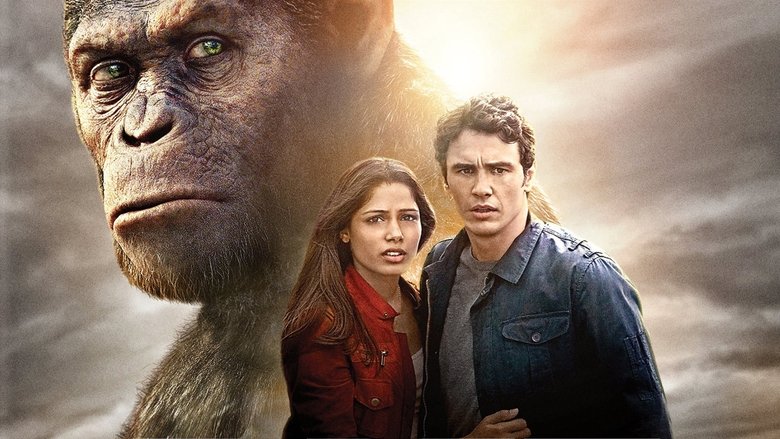
Rise of the Planet of the Apes
2011
-

War of the Worlds
2005
-
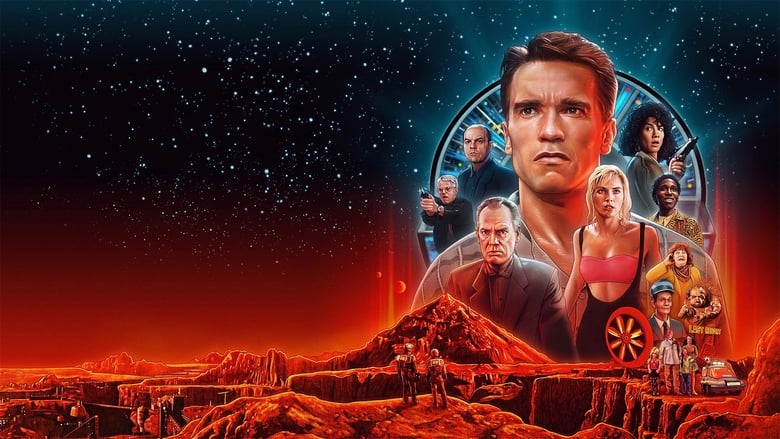
Total Recall
1990
-
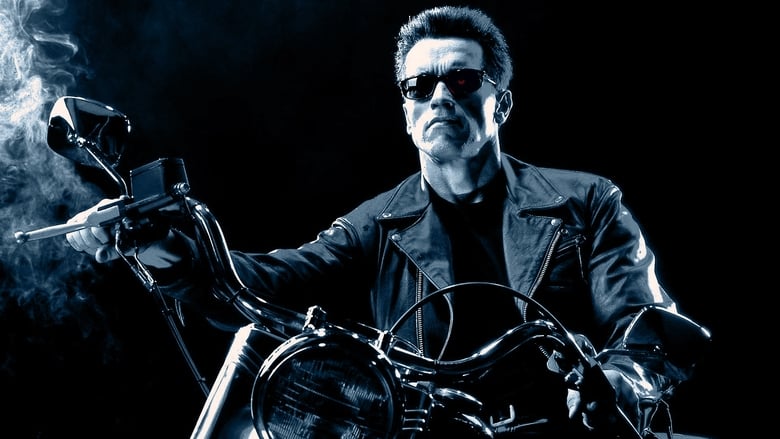
Terminator 2: Judgment Day
1991
-
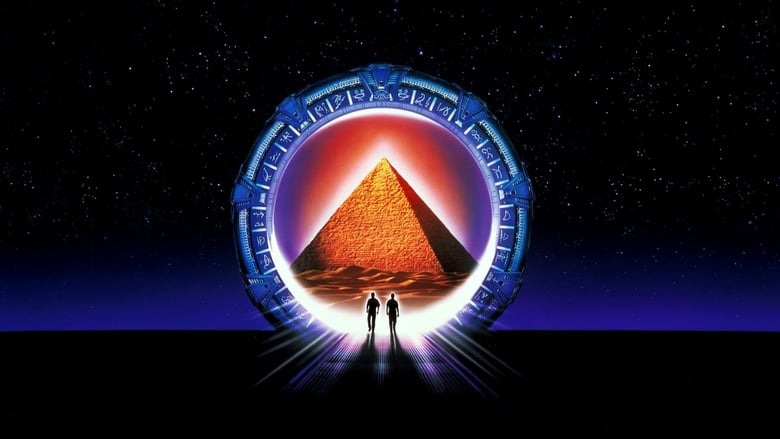
Stargate
1994
-
Outbreak
1995