Spirit: Stallion of the Cimarron
"Wildness is a state of mind."
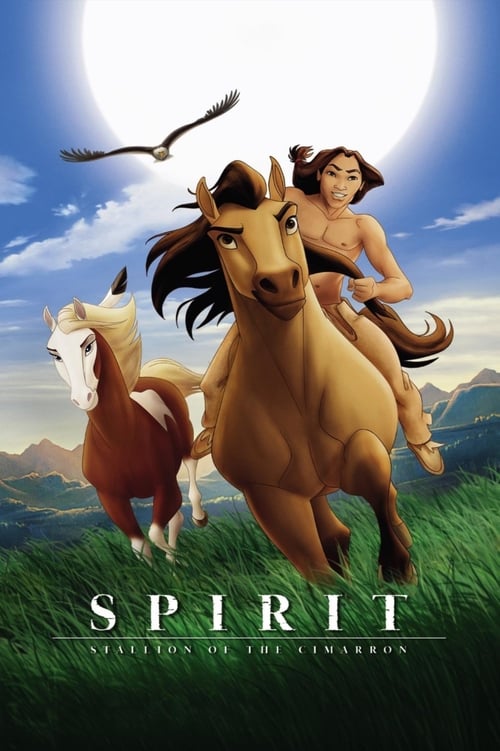
In the early 2000s, the animation industry was suffering from a massive identity crisis. Pixar had just proven with Monsters, Inc. that pixels were the future, and DreamWorks itself had essentially nuked the "sincere fairy tale" genre with the cynical, fart-joke-fueled success of Shrek. Traditional hand-drawn animation was being ushered toward the exit door like a guest who stayed too long at the party. I remember watching Spirit: Stallion of the Cimarron for the first time while eating a bowl of slightly stale Cheerios on a rainy Tuesday morning, expecting a typical "talking animal" romp. Instead, I found a film that felt like a stubborn, beautiful protest against where movies were heading.
The Bold Silence of the Frontier
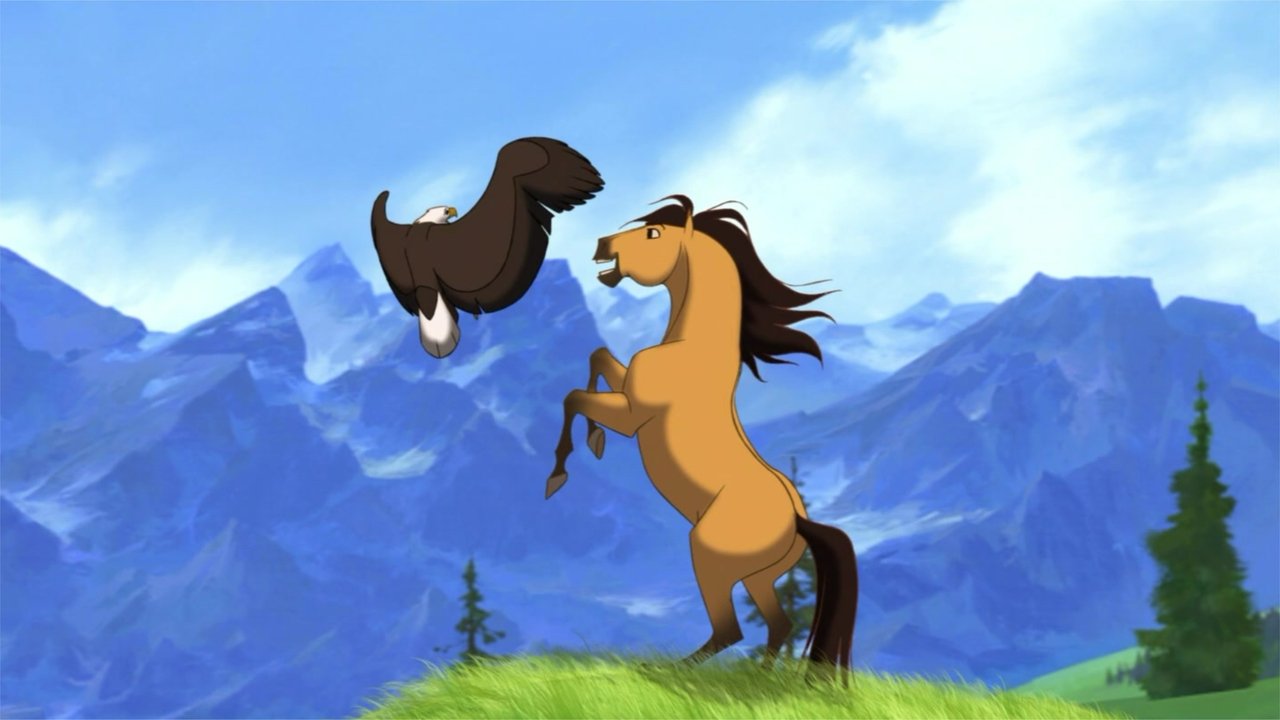
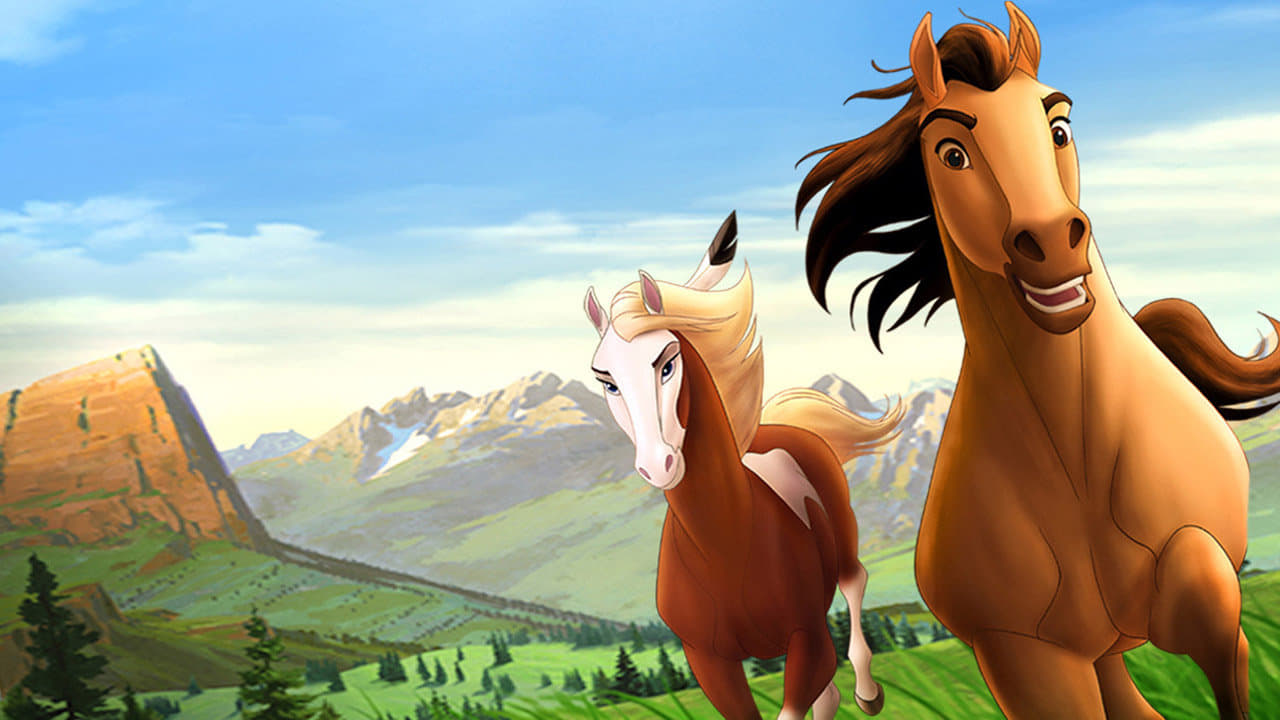
The most radical thing about Spirit isn't the sweeping vistas or the Hans Zimmer score—it’s the silence. In an era where every animated sidekick was required by law to have the motor-mouth of a stand-up comedian, directors Kelly Asbury and Lorna Cook made a staggering choice: the horses don’t talk. There are no moving muzzles, no wisecracking donkeys, and no celebrity-voiced musical numbers sung by the livestock.
While Matt Damon provides a soulful interior monologue as Spirit, the horse communicates primarily through neighs, snorts, and some of the most expressive facial animation ever put to film. It’s a "silent movie" sensibility that trusts the audience to understand complex emotions through a flick of an ear or a flared nostril. This choice elevates the film from a mere "kids' movie" to a philosophical drama about the fundamental desire for sovereignty. When Matt Damon’s narration occasionally steps back and lets the animation breathe, the film taps into a primal, wordless language that feels incredibly sophisticated for a PG-rated feature.
A Collision of Two Worlds
Looking back from our era of total CGI saturation, Spirit represents a fascinating technological bridge. It’s a "Tradigital" hybrid, blending hand-drawn characters with 3D backgrounds and complex mechanical objects like the steam locomotive. At the time, critics were split on whether this looked "seamless," but today, there's a painterly texture to the Cimarron vistas that feels far more timeless than the plastic-look of early 2000s 3D.
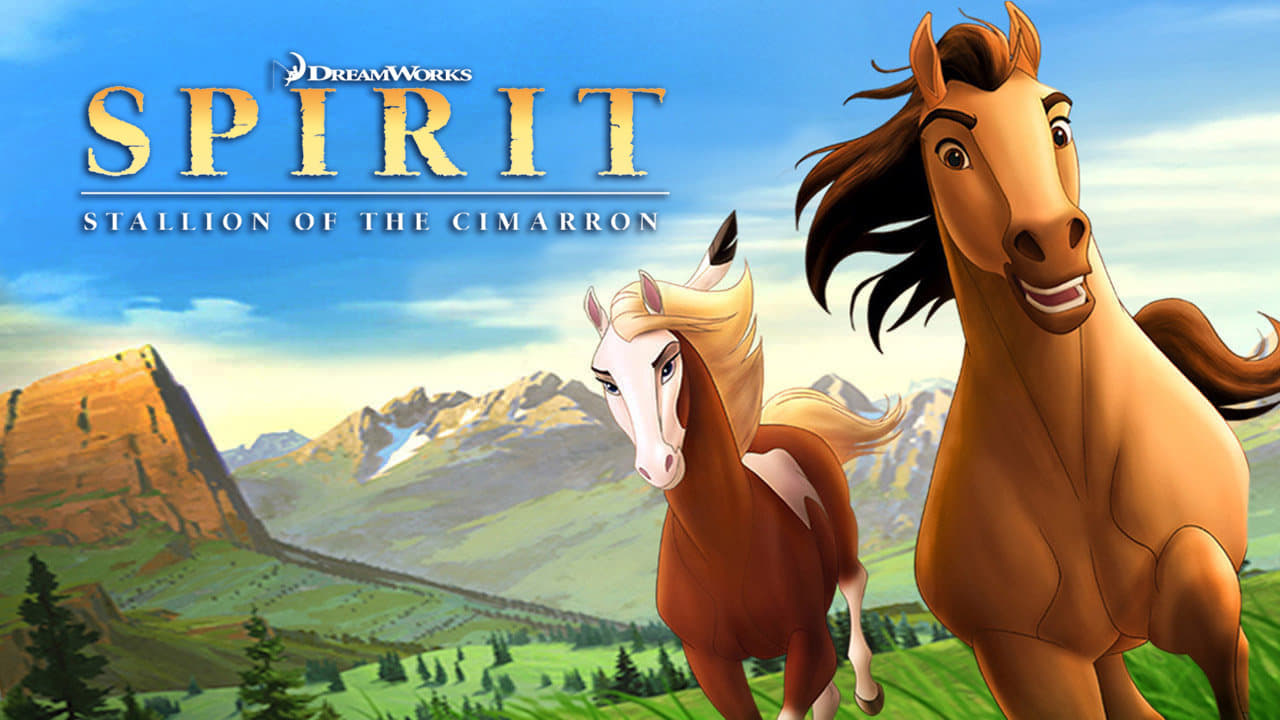
The story functions as a Western seen through the eyes of the occupied rather than the occupier. We see the "civilizing" of the West not as progress, but as a series of cages, ropes, and iron tracks. James Cromwell is pitch-perfect as The Colonel, a man who isn't a mustache-twirling villain, but rather a chilling personification of Manifest Destiny—he truly believes that anything wild is simply something that hasn't been broken yet. Opposite him, Daniel Studi provides a gentle, grounded voice for Little Creek. The relationship between Spirit and Little Creek is the emotional spine of the film, built on a mutual recognition of spirit rather than a master-and-pet dynamic. Some people at the time argued that "animated horses are just for girls who own a lot of Breyer models," but that dismissive take misses the film's gritty, almost existential focus on the cost of freedom.
The Legend of the "Un-broken" Production
The path to the screen was almost as rocky as the terrain Spirit traverses. The production team actually brought a real three-year-old Kiger Mustang named Donner into the studio to serve as a live model, ensuring the animators understood the specific weight and "thrum" of a horse in motion. You can feel that weight in the sequence where Spirit attempts to outrun a falling locomotive—a scene that pushed 2002 CGI to its absolute limits.
Interestingly, the soundtrack we all know—dominated by the raspy, earnest vocals of Bryan Adams—was almost entirely different. Initially, country legend Garth Brooks was set to write and perform the songs, but he backed out when he couldn't get the creative control he wanted. Adams stepped in and created a sonic landscape that is inextricably linked to the early 2000s. Whether you find his power ballads soaring or a bit "much," there’s no denying that "Here I Am" captures the film's defiant heartbeat perfectly.
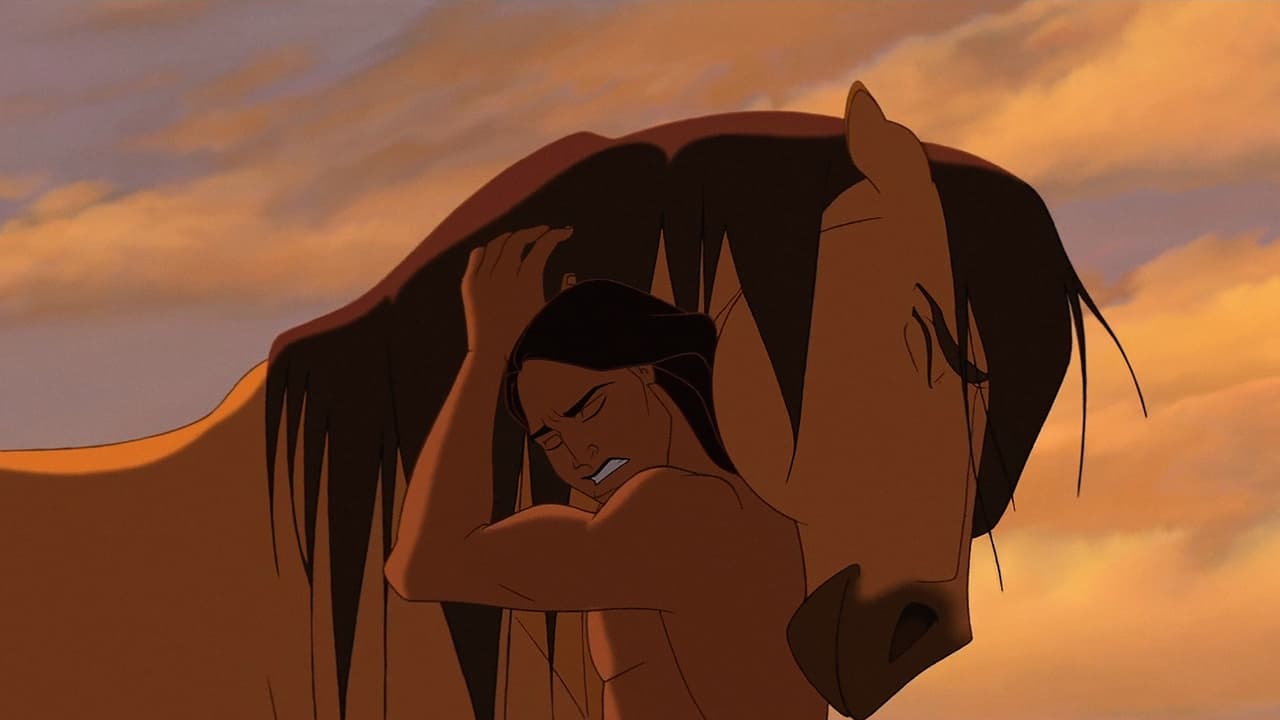
The film didn't set the box office on fire in 2002, overshadowed by the burgeoning dominance of 3D franchises. However, its life on DVD transformed it into a genuine cult classic. It’s a movie that parents realized they actually liked watching with their kids because it didn't treat them like idiots. It respected the intelligence of its audience by suggesting that some things—like the wind, or the soul of a wild animal—should never be "tamed" for the sake of a comfortable narrative.
Spirit: Stallion of the Cimarron remains a gorgeous anomaly in the DreamWorks catalog. It’s a film that prioritizes atmosphere and visual storytelling over pop-culture references, resulting in a Western drama that has aged remarkably well. While the internal monologue can occasionally feel a bit redundant, the sheer artistry of the animation and the sincerity of its themes make it a vital piece of cinema from the turn of the millennium. It’s a reminder that sometimes the most powerful way to tell a story is to just shut up and let the characters run.

Keep Exploring...
-
Shrek 2
2004
-
Anastasia
1997
-
Treasure Planet
2002
-
The Lion King II: Simba's Pride
1998
-
Rango
2011
-

The Cat Returns
2002
-
The Prince of Egypt
1998
-
Tarzan
1999
-
The Iron Giant
1999
-
Dinosaur
2000
-
Hercules
1997
-

The Emperor's New Groove
2000
-
The Road to El Dorado
2000
-
Atlantis: The Lost Empire
2001
-
Brother Bear
2003
-

Sinbad: Legend of the Seven Seas
2003
-

The Polar Express
2004
-
Bridge to Terabithia
2007
-
Meet the Robinsons
2007
-
Whisper of the Heart
1995