Spy Kids 2: The Island of Lost Dreams
"Ray Harryhausen meets a digital sugar rush."
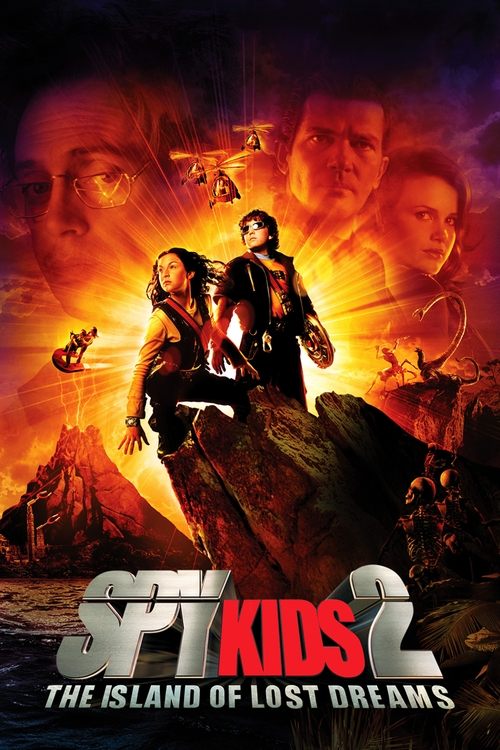
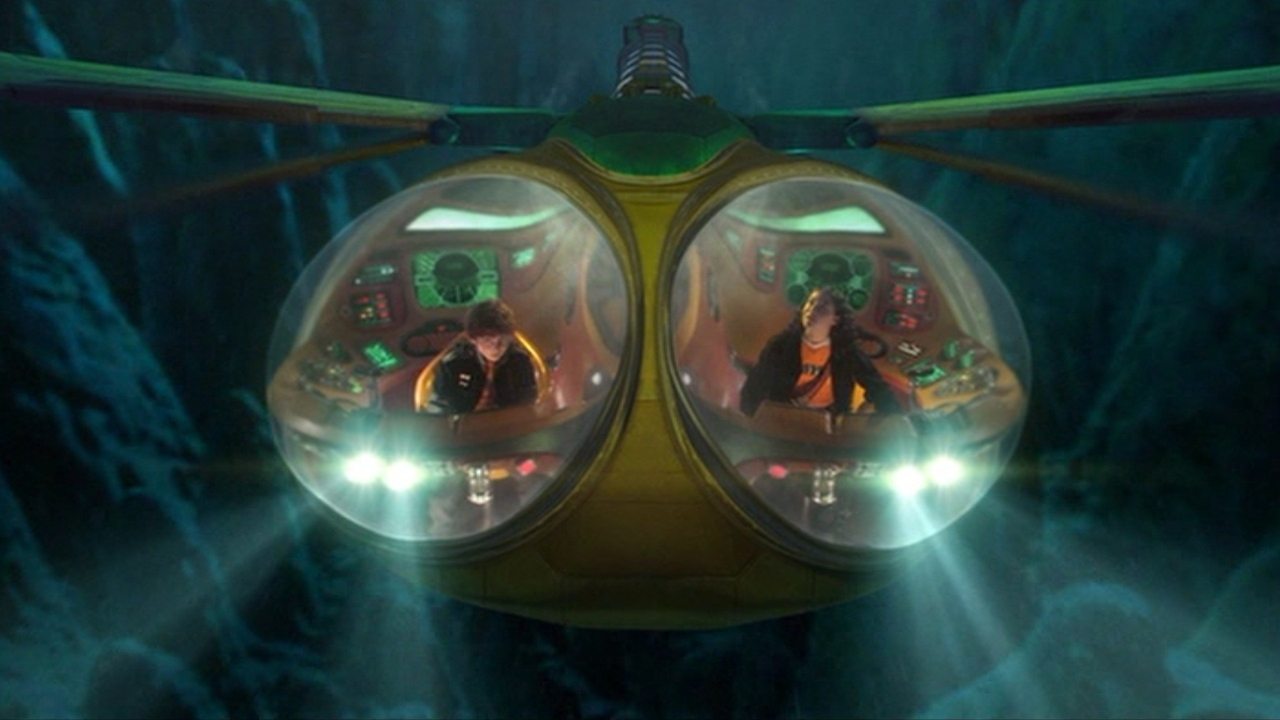
In the summer of 2002, Robert Rodriguez decided to turn his Austin, Texas film studio into a backyard playground, and the result was a sequel that manages to be more inventive, weirder, and significantly more existential than its predecessor. Spy Kids 2: The Island of Lost Dreams doesn’t just double down on the gadgets and kid-centric heroics of the original; it pivots into a tribute to classic creature-feature cinema, filtered through a saturated, early-digital lens that feels like a time capsule of the Y2K era.
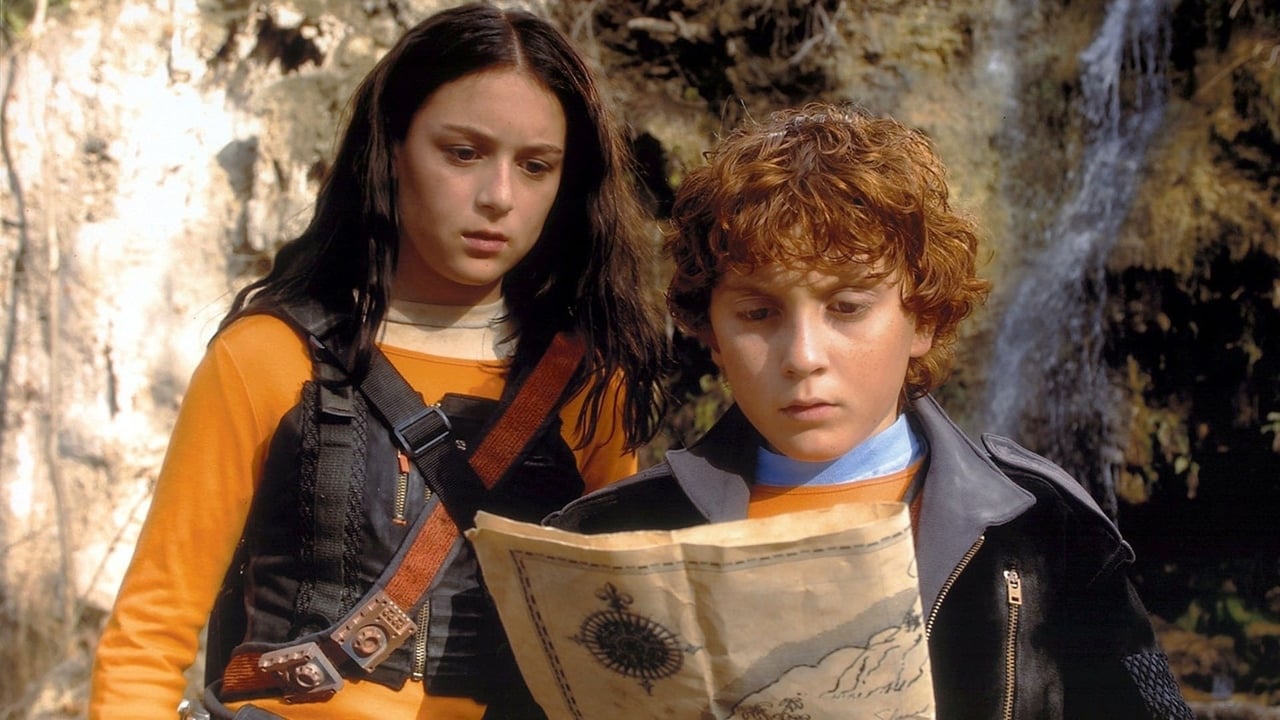
I rewatched this recently on a laptop with a slightly sticky "E" key while my neighbor was loudly practicing the tuba, and honestly, the chaotic brass soundtrack of my apartment block blended perfectly with the film’s frenetic energy. It’s a movie that thrives on a bit of sensory overload.
The One-Man Cinematic Orchestra
To understand why this film feels so distinct, you have to look at the credits. Rodriguez didn’t just direct; he wrote, shot, edited, scored, and produced it. This is a $38 million "home movie" made by a man who had just discovered the joys of digital filmmaking. Following in the footsteps of George Lucas and Attack of the Clones, Rodriguez ditched traditional film stock for the Sony HDW-F900.
Looking back, the digital transition is palpable. There’s a specific "crunchiness" to the 2002-era CGI that might look dated to modern eyes spoiled by 4K textures, but here, it works as an aesthetic choice. The creature designs—spider-monkeys, slather-beasts, and bull-frogs—feel like digital cousins to the stop-motion skeletons of Jason and the Argonauts. By stripping Alexa PenaVega (Carmen) and Daryl Sabara (Juni) of their high-tech gadgets early on, Rodriguez forces the story to rely on physical comedy and "wits," which is really just a clever excuse to let his imagination run wild on a volcanic island.
The Gospel According to Steve Buscemi
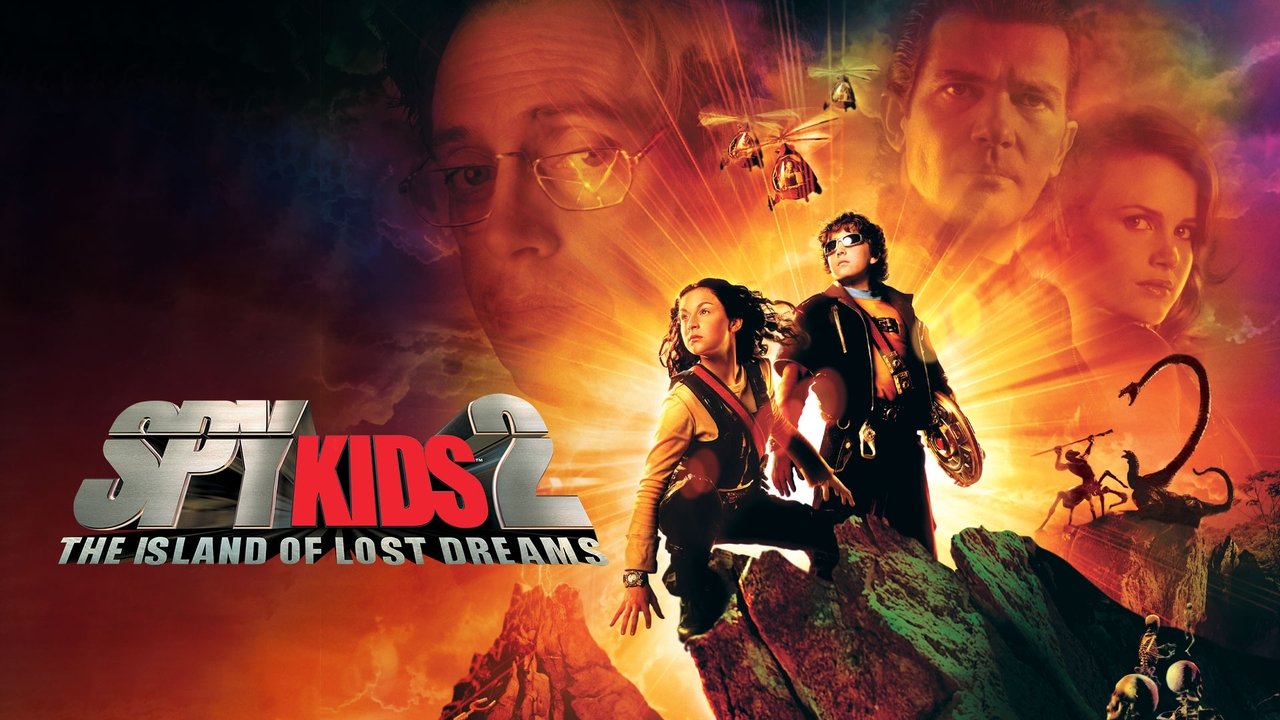
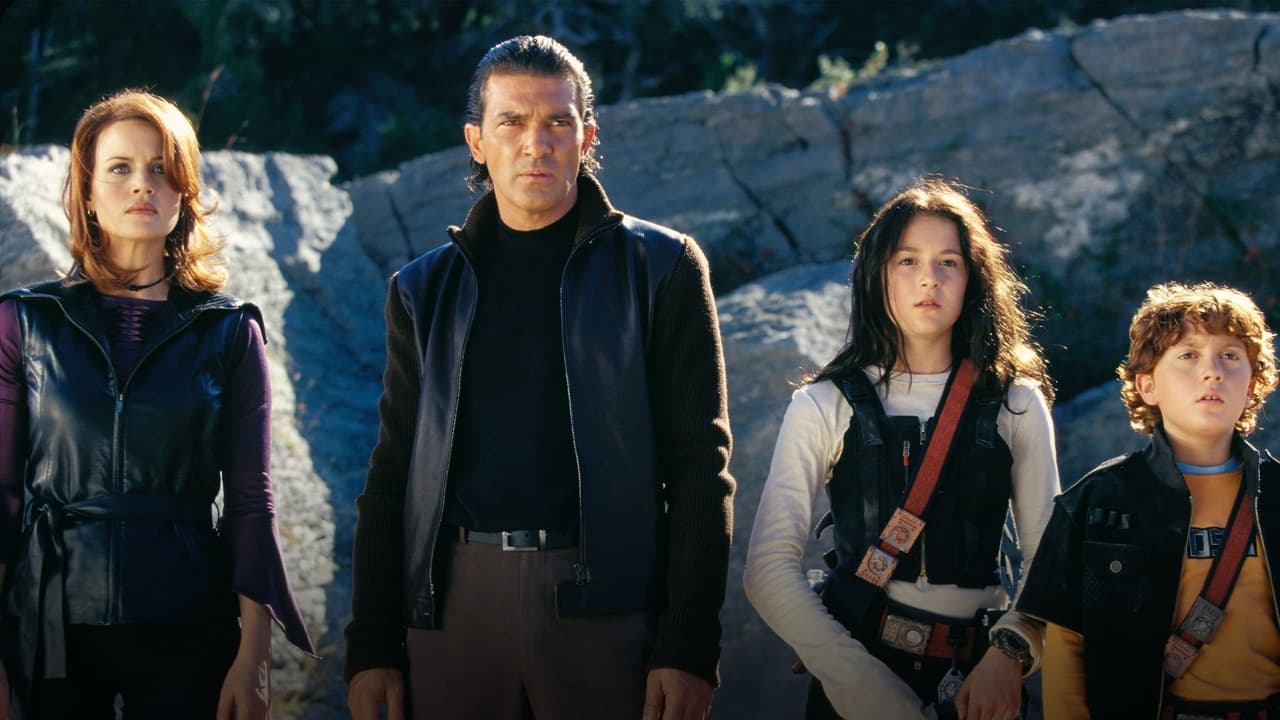
While the kids are the stars, the adult cast is clearly having the time of their lives. Antonio Banderas and Carla Gugino return as the coolest parents in cinematic history, but the film is nearly stolen by the newcomers. Mike Judge (yes, the Beavis and Butt-Head creator) shows up as the head of the OSS, and we get the legendary Steve Buscemi as Romero, the reclusive scientist living among his accidental genetic abominations.
It is a genuine highlight of 21st-century blockbuster cinema that a "kids' movie" contains one of the most hauntingly profound lines ever written. When Romero is asked why he stays hidden, he replies: "Do you think God stays in heaven because he, too, lives in fear of what he's created?" This is a film where a child flies via pigtail-propellers, yet it pauses for a moment of sheer existential dread. It’s that kind of tonal whiplash that makes Rodriguez’s work so much more interesting than the assembly-line family films of the current era.
Action, Pacing, and the Digital Backlot
The action choreography in Island of Lost Dreams is less about "realistic" stunts and more about the rhythm of a Saturday morning cartoon. The sequence involving the "Giggles" siblings (the rival spy kids played by Matt O'Leary and Emily Osment) fighting Carmen and Juni on a magnetic rock is a masterclass in using early-2000s green screen to create a sense of verticality.
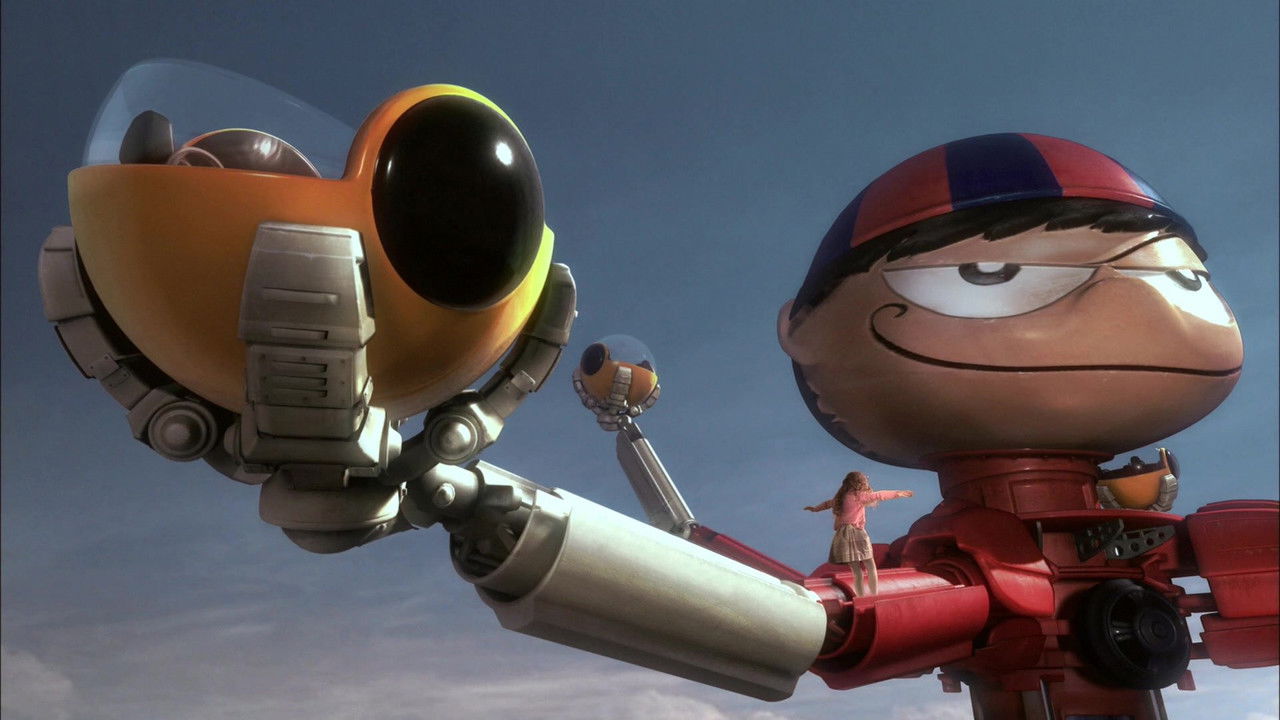
The pacing is relentless. Rodriguez edits with a percussive style, ensuring that even when the CGI looks a little rubbery, the momentum never stalls. The film was a massive hit, pulling in nearly $120 million, and it’s easy to see why. It captured a moment when Hollywood was moving away from the gritty practicalities of the 90s and into a world where anything could be rendered on a computer—for better or worse. It’s basically a high-budget home movie made by a genius with a green screen.
The film also marks a pivotal moment in franchise formation. This was the era where "The Spy Kids Collection" became a brand, complete with McDonald's toys and cereal tie-ins. Yet, despite the corporate pressure, the movie feels deeply personal. From the Spanish guitar flairs in the score to the inclusion of the Cortez grandparents (played by Ricardo Montalbán and Holland Taylor), it’s a film that celebrates family and heritage as much as it celebrates jetpacks.
Spy Kids 2: The Island of Lost Dreams is a vibrant, messy, and endlessly creative artifact of the digital revolution. While the visual effects have aged into a sort of "retro-digital" charm, the heart of the film—the chemistry between Alexa PenaVega and Daryl Sabara—remains fully intact. It’s a rare sequel that manages to expand its world while maintaining the quirky, DIY spirit of its creator. If you can handle the saturated colors and the occasional bit of 2002-era cheese, it’s a fantastic reminder of a time when blockbusters felt a little more experimental.
Keep Exploring...
-
Spy Kids
2001
-
Osmosis Jones
2001
-

Night at the Museum
2006
-
Teenage Mutant Ninja Turtles II: The Secret of the Ooze
1991
-
Journey to the Center of the Earth
2008
-
Teenage Mutant Ninja Turtles
1990
-
Jimmy Neutron: Boy Genius
2001
-
Machete
2010
-

Puss in Boots
2011
-
Teenage Mutant Ninja Turtles
2014
-

Mystery Men
1999
-
Shrek the Third
2007
-
Austin Powers: The Spy Who Shagged Me
1999
-
Men in Black
1997
-
Aliens in the Attic
2009
-
Bean
1997
-

George of the Jungle
1997
-
Men in Black II
2002
-
Johnny English
2003
-
Shark Tale
2004