Star Trek: Nemesis
"Echoes of a captain, shadows of a clone."

I remember sitting in a half-empty theater in December 2002, nursing a lukewarm Sprite and a bag of popcorn that was roughly 40% unpopped kernels, watching the Star Trek: The Next Generation crew take what felt like a very forced victory lap. My brother was sitting next to me, incessantly clicking a retractable pen during the talky bits, and remarkably, that rhythmic click-clack had more narrative tension than the first forty minutes of Star Trek: Nemesis.
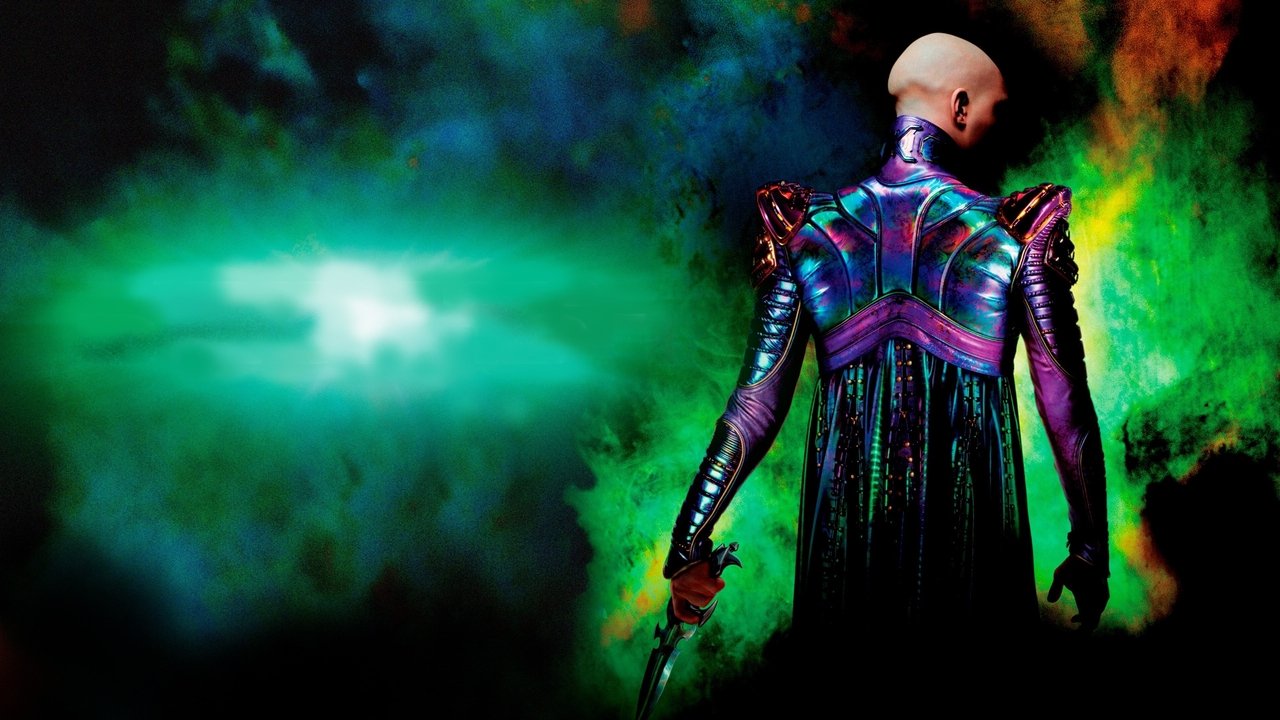
Looking back, Nemesis is a fascinating relic of early-2000s franchise anxiety. It arrived at a moment when Hollywood was pivoting hard toward "darker, edgier" reboots and the high-octane spectacle of The Matrix (Lilly and Lana Wachowski). It felt like the producers looked at our beloved, tea-sipping diplomats and decided they needed to be action heroes who drove dune buggies and engaged in telepathic violations. The result is a film that’s half-Shakespearean tragedy and half-generic space shooter—a "forgotten" finale that effectively mothballed the franchise for seven years.
The Director Who Called Geordi "Laverne"
One of the most legendary (and cringeworthy) bits of trivia regarding this production is that director Stuart Baird, an acclaimed film editor (The Omen, Die Hard), reportedly didn't know anything about Star Trek. He famously referred to LeVar Burton as "Laverne" and didn't realize that Michael Dorn’s Worf was a character with decades of backstory. This disconnect is palpable on screen.
There’s a strange sterility to the Enterprise-E here. In the best TNG episodes, the ship felt like a home; here, it feels like a cold, dimly lit set. Stuart Baird was hired to "inject pace" and "action sensibility," which in the 2002 playbook meant cutting out the character-driven "fluff." Screenwriter John Logan (who would later pen Gladiator and Skyfall) reportedly wrote a much longer, more soulful script that leaned into the family dynamics of the crew. Much of that ended up on the cutting room floor to make room for a desert chase sequence that feels like a producer’s fever dream after seeing 'Mad Max' for the first time. Watching Patrick Stewart zoom across a desert in a dune buggy named the "Argo" is the exact moment the "Next Gen" era jumped the shark.
The Birth of a Villain
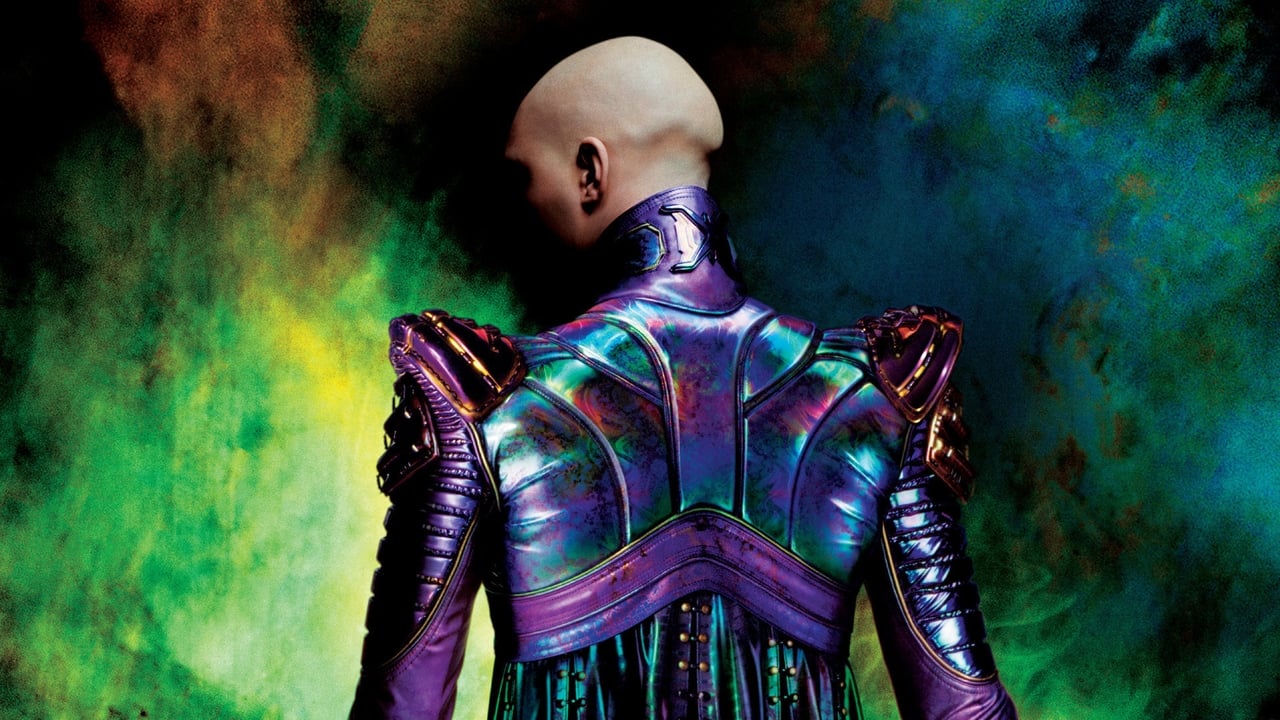
If Nemesis has a saving grace, it’s the introduction of a very young, very wiry Tom Hardy as Shinzon. Long before he was breaking Batman’s back or grunting through Mad Max: Fury Road, Hardy was cast because he looked vaguely like a young Patrick Stewart. Watching it now, his performance is the most interesting thing in the movie. He’s doing a high-wire act, trying to mimic Stewart’s cadence while injecting a sense of desperate, terminal illness into the character.
The central conceit—that Shinzon is a clone of Picard raised in the dilithium mines of Remus—is classic sci-fi "Nature vs. Nurture." When Picard and Shinzon share a dinner, the tension is legitimately there. Hardy holds his own against Stewart, which is no small feat for a relative newcomer at the time. However, the film fumbles the payoff. Instead of a philosophical debate about who Picard might have become under different circumstances, the movie defaults to Shinzon being a generic madman with a "Thalaron radiation" superweapon. Shinzon’s Reman makeup looks like a Nosferatu cosplayer who got lost on the way to a goth club, and while it’s visually striking, it robs the character of the humanity needed to make the "mirror image" theme land.
Gravity and Grinding Metal
Where the film actually earns its "Action" tag is in the final forty minutes. If you’re a fan of ship-to-ship combat, the battle in the Bassen Rift is one of the best-staged sequences in the franchise's history. This was the era where CGI was finally allowing for massive scale without the clunkiness of early 90s digital effects. The Scimitar is a terrifyingly over-designed predator of a ship, and the way it hunts the Enterprise while cloaked feels genuinely oppressive.
The standout moment—the one that everyone remembers—is the "Ramming Speed" maneuver. Watching the Enterprise physically collide with the Scimitar is a masterclass in visual weight and sound design. You can feel the groan of the hull and the screech of tearing titanium. It’s a brutal, physical piece of action choreography that feels far more visceral than the phaser-spamming we usually get. Jeffrey L. Kimball’s cinematography captures the flickering lights and smoky corridors of a dying ship with a grit that reflected the post-9/11 cinematic shift toward "realism."
However, this action comes at a heavy price: the death of Lt. Commander Data. While Brent Spiner gives his usual nuanced performance (playing both Data and the "lesser" prototype B-4), the sacrifice feels like a truncated version of Spock’s death in The Wrath of Khan. It’s a beat the film hasn't quite earned, and it leaves the audience feeling more hollow than heartbroken.
Star Trek: Nemesis is a movie caught between two worlds. It wants to be a sophisticated character study about the roads not taken, but it’s trapped in a 2002 studio mandate to be a summer blockbuster. It’s a film where the quiet moments are often better than the loud ones, but the loud ones are so loud they drown everything else out. It remains a fascinating "What If?"—a glimpse at a franchise trying to find its footing in a digital, action-heavy new century and tripping over its own feet.
If you can ignore the lore-breaking dune buggy and the fact that the crew barely gets a goodbye, there is a solid, dark sci-fi thriller buried in here. It's the "forgotten" Trek movie for a reason, but seeing a baby-faced Tom Hardy try to out-act a legendary Patrick Stewart makes it worth a look for the curious cinephile. Just don't expect the grand, emotional farewell this crew actually deserved.


Keep Exploring...
-
Star Trek: Insurrection
1998
-
Star Trek: Generations
1994
-
Star Trek: First Contact
1996
-
The Saint
1997
-
Final Fantasy: The Spirits Within
2001
-

Paycheck
2003
-
Sky Captain and the World of Tomorrow
2004
-

U.S. Marshals
1998
-
Escape from L.A.
1996
-
Executive Decision
1996
-
Race to Witch Mountain
2009
-
Armageddon
1998
-

Jurassic Park III
2001
-
Planet of the Apes
2001
-

The Matrix Reloaded
2003
-
The Matrix Revolutions
2003
-
The Island
2005
-

X-Men: The Last Stand
2006
-

Starship Troopers
1997
-
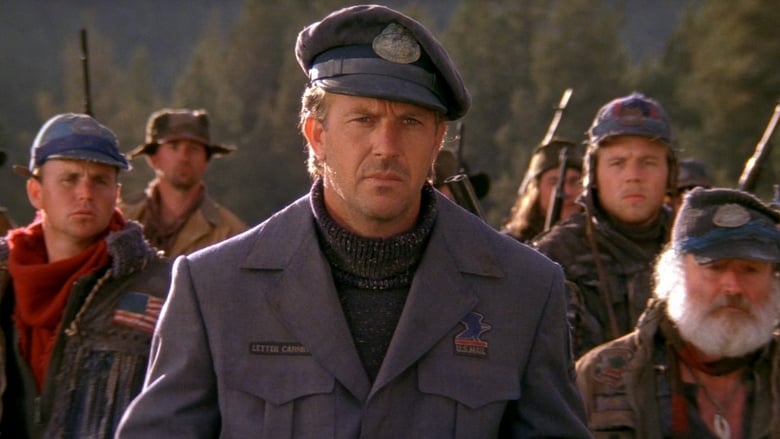
The Postman
1997