Star Wars: Episode II - Attack of the Clones
"The digital dawn of a galaxy at war."
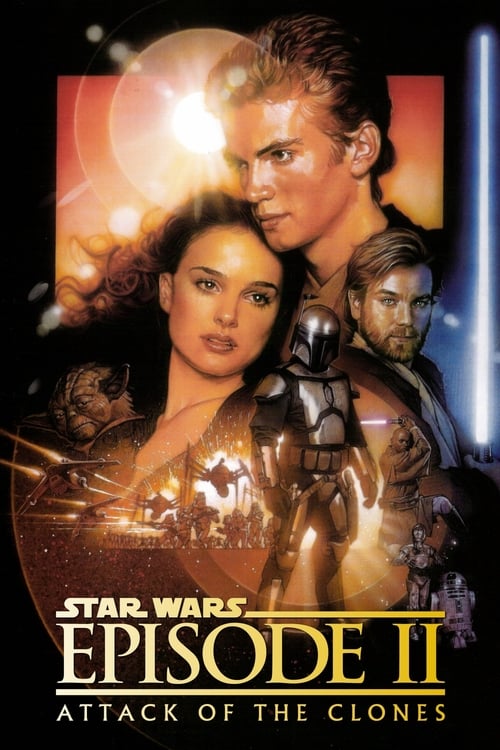
Imagine telling a cinematographer in 1980 that one day, they wouldn't need a single roll of physical film to capture a galaxy far, far away. In 2002, George Lucas didn't just imagine it; he bet the farm on it. Star Wars: Episode II - Attack of the Clones is the ultimate "middle child" of a trilogy—it's awkward, it’s going through a massive growth spurt, and it’s obsessed with new technology that it hasn’t quite mastered yet. It’s also the moment where the Star Wars franchise pivoted from the tactile, lived-in puppets of the 70s to the sleek, digital "everything-is-possible" era that defines modern blockbusters today.
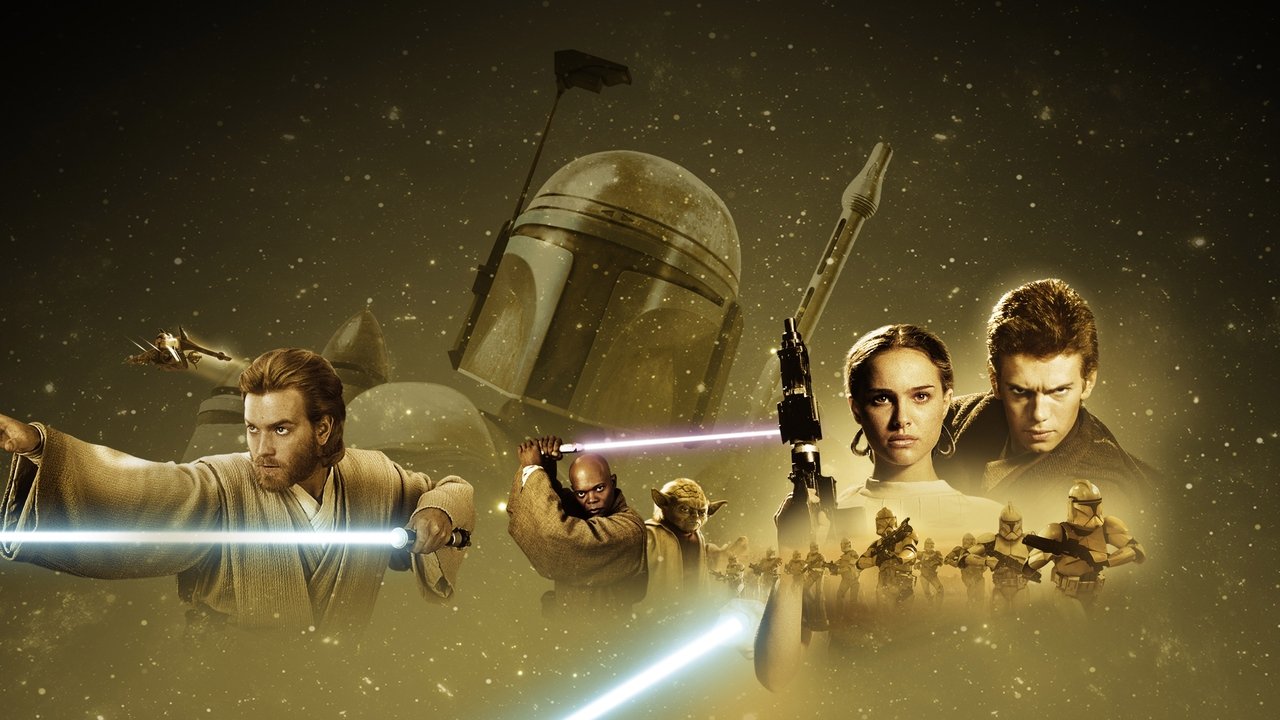
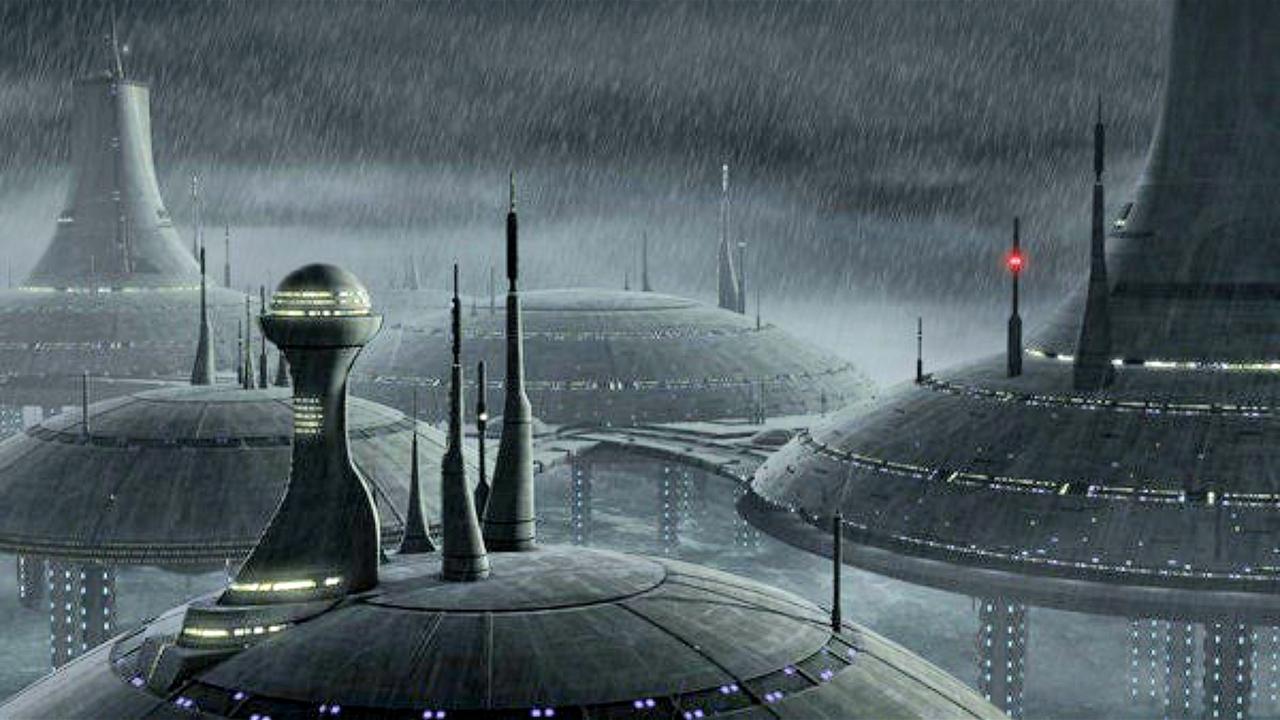
I rewatched this on a slightly cracked iPad while eating a bag of blue-raspberry gummy bears, and I’m convinced the neon-blue dye on my tongue made the Coruscant chase sequence look 20% more vibrant.
The Digital Frontier and the Pixelated Pope
George Lucas has always been more of a tinkerer than a traditional dramatist, and Attack of the Clones was his laboratory. This was the first major motion picture shot entirely on digital high-definition cameras (the Sony HDW-F900). At the time, it was a revolutionary middle finger to the establishment. Looking back, you can see the growing pains. Some of the greenscreen work has that "actors floating in a soup of CGI" vibe, but the sheer ambition of the world-building is still staggering.
When Ewan McGregor’s Obi-Wan Kenobi arrives on the water world of Kamino, we’re treated to a masterpiece of atmosphere. The rain, the sleek white corridors, and the elegantly creepy cloners represent the era’s CGI at its peak. McGregor is doing heavy lifting here, essentially acting against a tennis ball on a stick for half the movie, yet he manages to channel the wit and poise of Alec Guinness (the original Obi-Wan from A New Hope) better than anyone had a right to expect.
Action, Sound, and Seismic Charges
If there is one thing this film excels at, it’s the "Symphony of the Set Piece." The duel between Obi-Wan and Jango Fett (Temuera Morrison) in the pouring rain is a masterclass in action clarity. There’s a physical weight to Jango’s gadgets—the grappling hooks, the flamethrowers, the jetpack—that balances out the digital sheen.
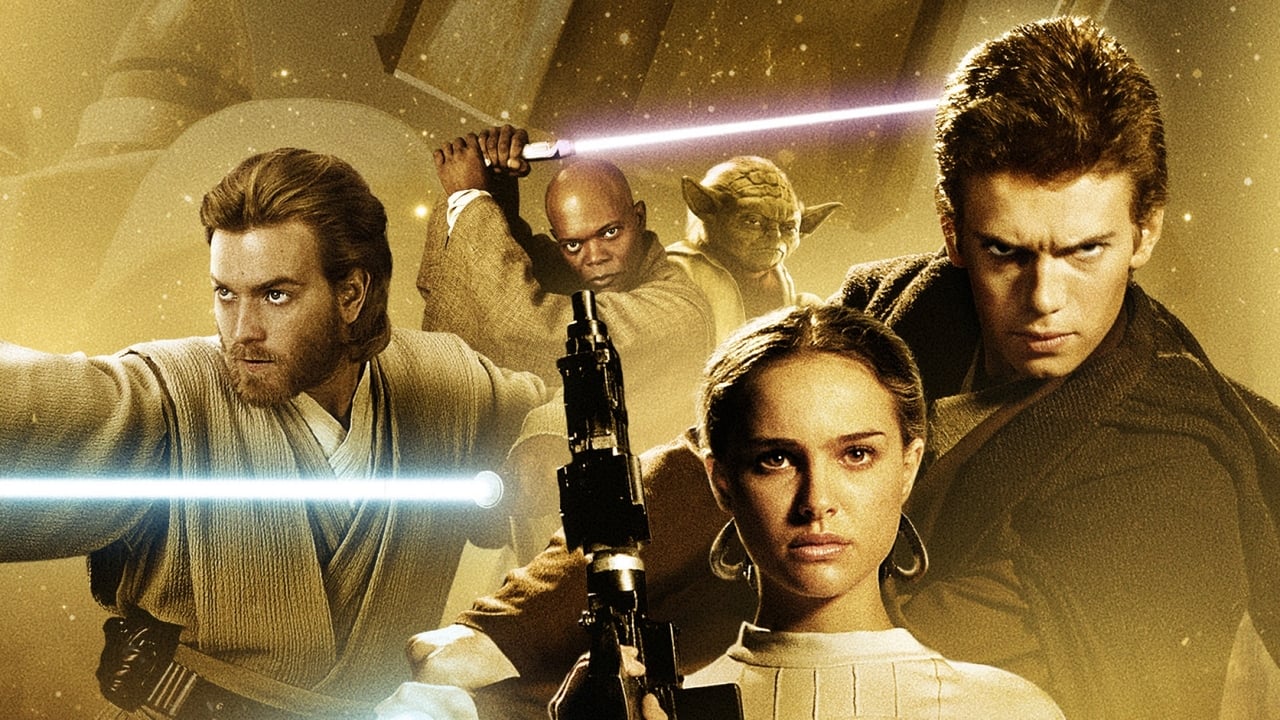
But the real MVP isn't an actor; it’s sound designer Ben Burtt. When Jango Fett drops those seismic charges in the asteroid belt, the film utilizes a "sonic bomb" effect—a second of pure, terrifying silence followed by a metallic, world-shaking BONG. It’s a moment that demands a high-end sound system and remains one of the most satisfying auditory experiences in cinema history.
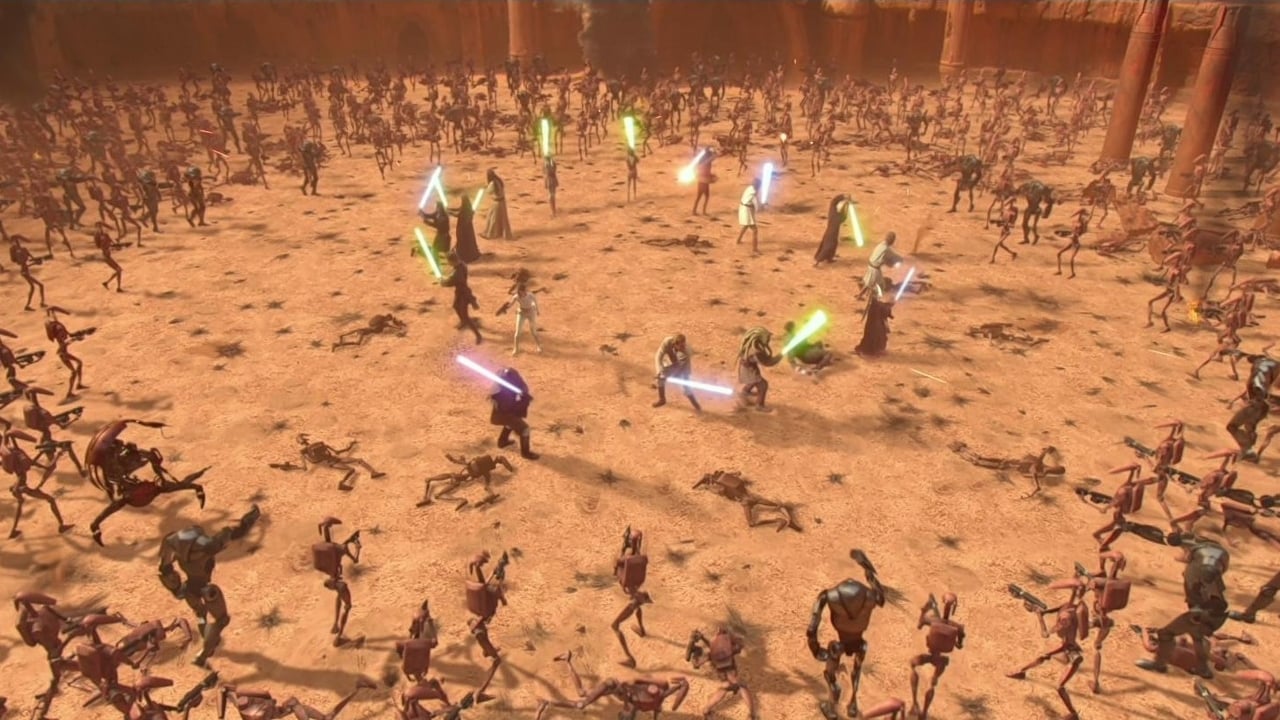
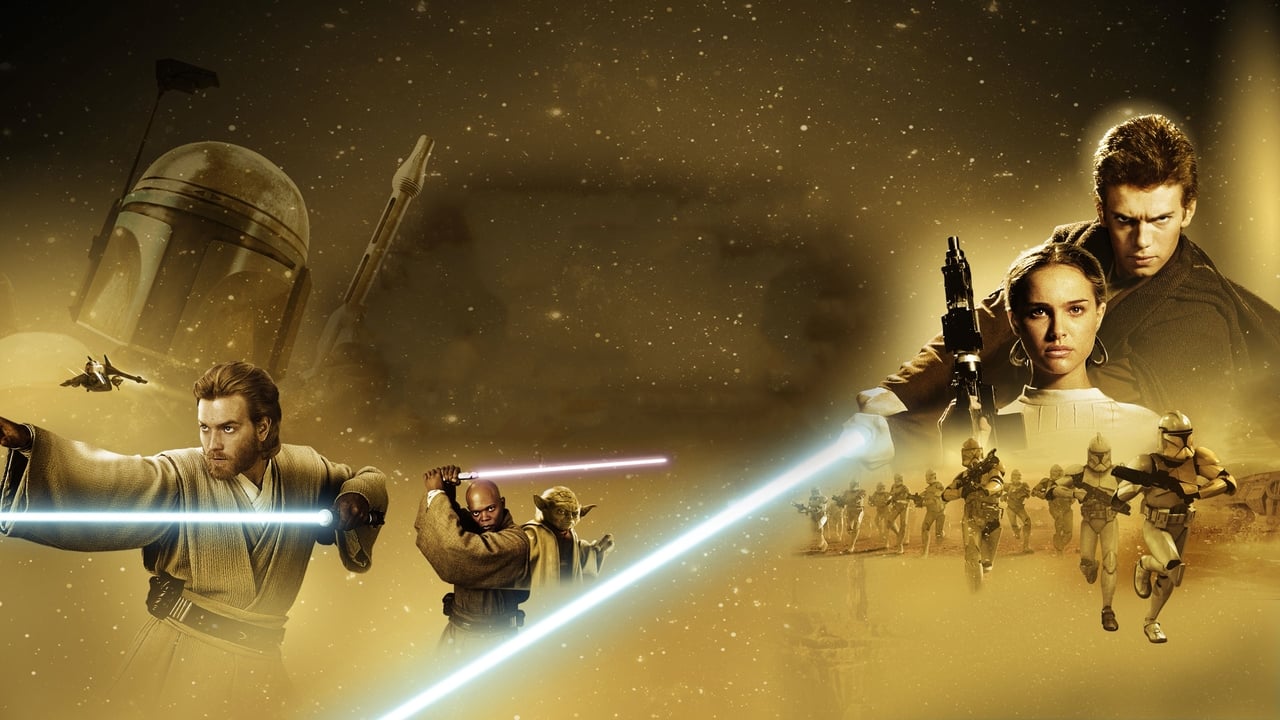
Of course, the climax in the Geonosis arena is where the $120 million budget really screams at you. It’s basically a Ray Harryhausen monster movie injected with super-soldier serum. Seeing Samuel L. Jackson lead a battalion of Jedi into a desert coliseum was the peak of "cool" for every kid in 2002. Then, the film gives us the moment that caused actual riots in theaters: a CGI Frank Oz-voiced Yoda finally drawing a lightsaber. While the "spinning top" fighting style is polarizing now, the sheer cultural dopamine hit of seeing the diminutive master go toe-to-toe with Christopher Lee’s Count Dooku was an all-timer.
The Sand in the Gears
We have to talk about the Bantha in the room: the romance. Hayden Christensen was handed a nearly impossible task. He had to play a brooding, hormonal teenager who is also a space Jesus, using dialogue that sounds like it was translated from ancient Sumerian into Binary and then back into English. The infamous "I don't like sand" monologue is the stuff of internet legend, but Anakin Skywalker’s flirting techniques are essentially a war crime.
Poor Natalie Portman does her best as Padmé Amidala, but the chemistry often feels like two mannequins being pushed together by an invisible child. It’s a fascinating look at the "Lucas Style"—he’s so focused on the grand political tragedy of a Republic falling into fascism that he forgets how actual humans talk when they’re in love. In a post-9/11 world, the film’s focus on "security vs. liberty" and the creation of a standing army felt incredibly pointed, even if the execution was occasionally buried under layers of awkward flirting.
Stuff You Didn't Notice
The Digital Face-Swap: Christopher Lee was 79 years old during filming. While he was a world-class fencer in his youth, most of the Dooku/Yoda fight involved digital face-replacement where Lee’s head was mapped onto a much younger stuntman. A Familiar Clang: When Jango Fett enters his ship, the Slave I, he bangs his head on the closing door. This was a deliberate homage to the famous "clumsy stormtrooper" who hit his head on a door in the 1977 original. The Travel Brochure: The beautiful lakeside retreat where Anakin and Padmé hide out is the Villa del Balbianello in Italy. It’s the same location used in the James Bond film Casino Royale (2006). The Clone King: To save time and money, they never actually made a physical suit of Clone Trooper armor for this movie. Every single trooper you see on screen is a 100% digital creation.
Attack of the Clones is a magnificent, messy, and essential piece of blockbuster history. It’s the bridge between the old world of practical effects and the new world of digital dominance, and like any bridge, it occasionally creaks under the pressure. It’s a film that works best when it stops talking and starts moving—whether that’s a chase through the neon bowels of Coruscant or a grand-scale war in the red dust of Geonosis. the romantic dialogue has the structural integrity of wet cardboard, but the spectacle is undeniable. It’s the kind of movie that reminds you why we go to the cinema: to see things we’ve never seen before, even if they occasionally come with a side of awkward sand metaphors.
Keep Exploring...
-

Star Wars: Episode III - Revenge of the Sith
2005
-
Star Wars: Episode I - The Phantom Menace
1999
-
Star Wars
1977
-
Return of the Jedi
1983
-
Star Wars: The Force Awakens
2015
-
Star Wars: The Last Jedi
2017
-
Star Wars: The Rise of Skywalker
2019
-
The Empire Strikes Back
1980
-
Jumper
2008
-

The Lost World: Jurassic Park
1997
-
Armageddon
1998
-

X-Men
2000
-

Jurassic Park III
2001
-
Planet of the Apes
2001
-

The Matrix Reloaded
2003
-
Spider-Man 3
2007
-
Transformers
2007
-

Iron Man 2
2010
-
Spy Kids
2001
-
Spy Kids 2: The Island of Lost Dreams
2002