Stuart Little 2
"Big city, tiny pilot, and an impossibly high ceiling."
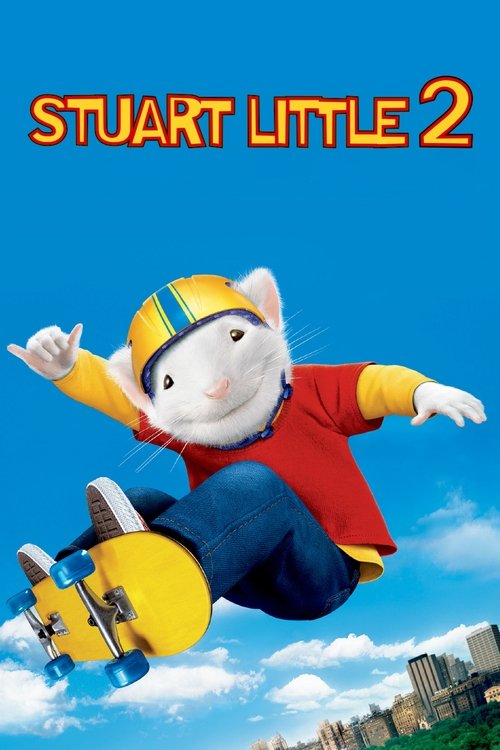
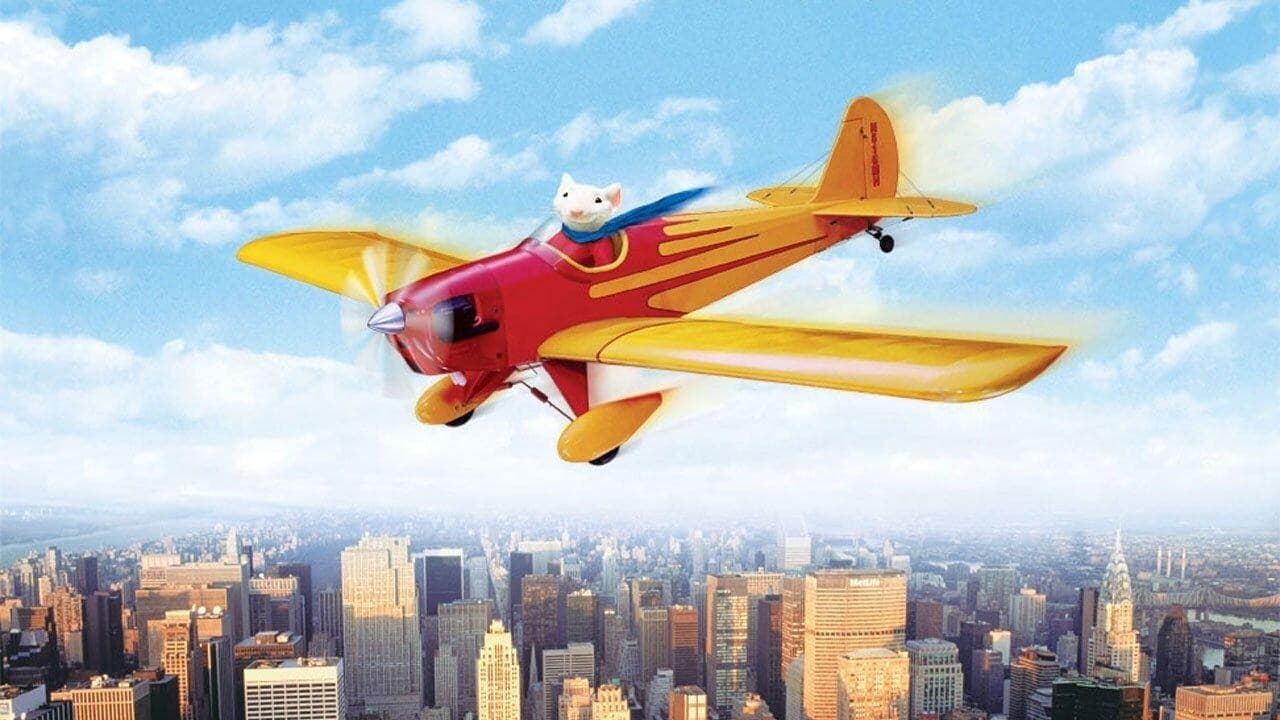
There is a specific kind of early-2000s magic that occurs when a studio decides to throw $120 million at a movie that barely clocks in at 78 minutes. Watching Stuart Little 2 today feels like stumbling upon a beautifully preserved miniature in a dusty attic; it is a film that has no business being as technically polished or emotionally sincere as it is. I sat down to rewatch this while nursing a lukewarm Sprite and a slightly stale bagel, and within ten minutes, I found myself completely unironically invested in whether a computer-generated mouse could successfully land a model airplane on a Fifth Avenue bus.
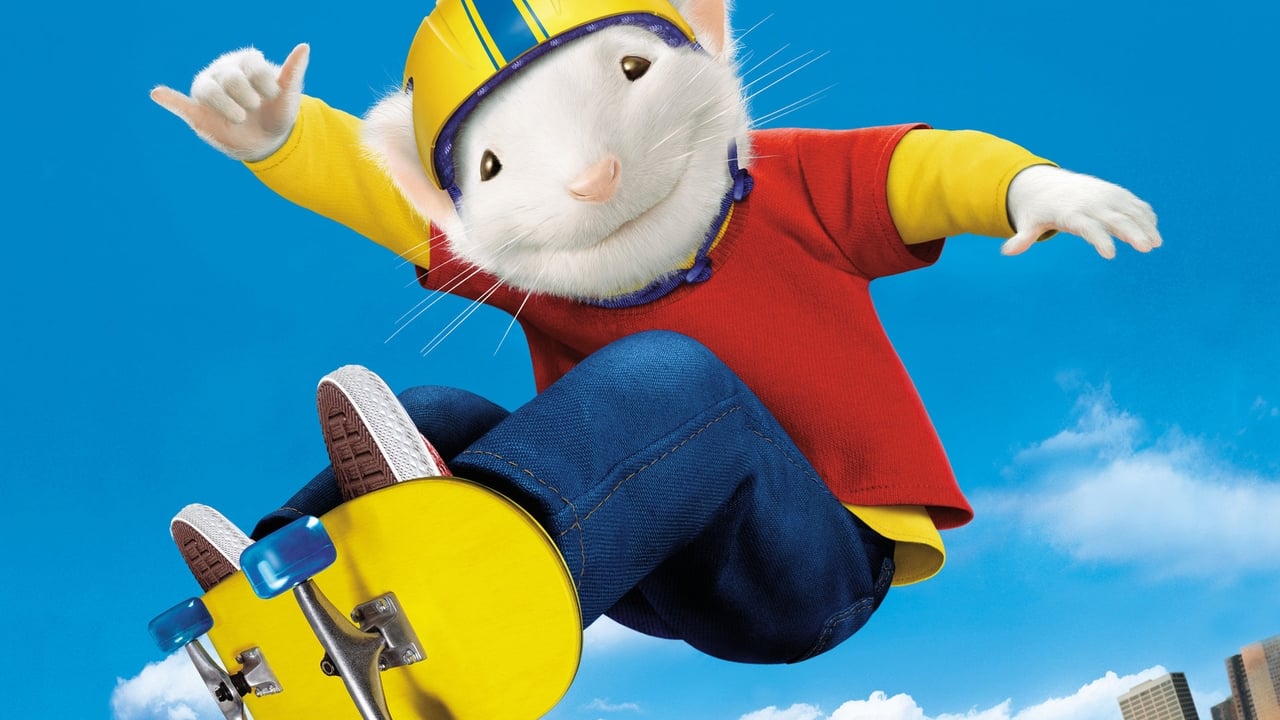
Released in the sweet spot of the CGI revolution, this sequel manages to sidestep the "uncanny valley" trap that claimed so many of its contemporaries. While the first film was a charming domestic comedy, the sequel—penned by Bruce Joel Rubin (the same mind behind Ghost and Jacob’s Ladder, oddly enough)—pivots hard into a classic adventure structure. It understands that for a creature three inches tall, Manhattan isn’t just a city; it’s an infinite, dangerous frontier.
Pixels with a Heartbeat
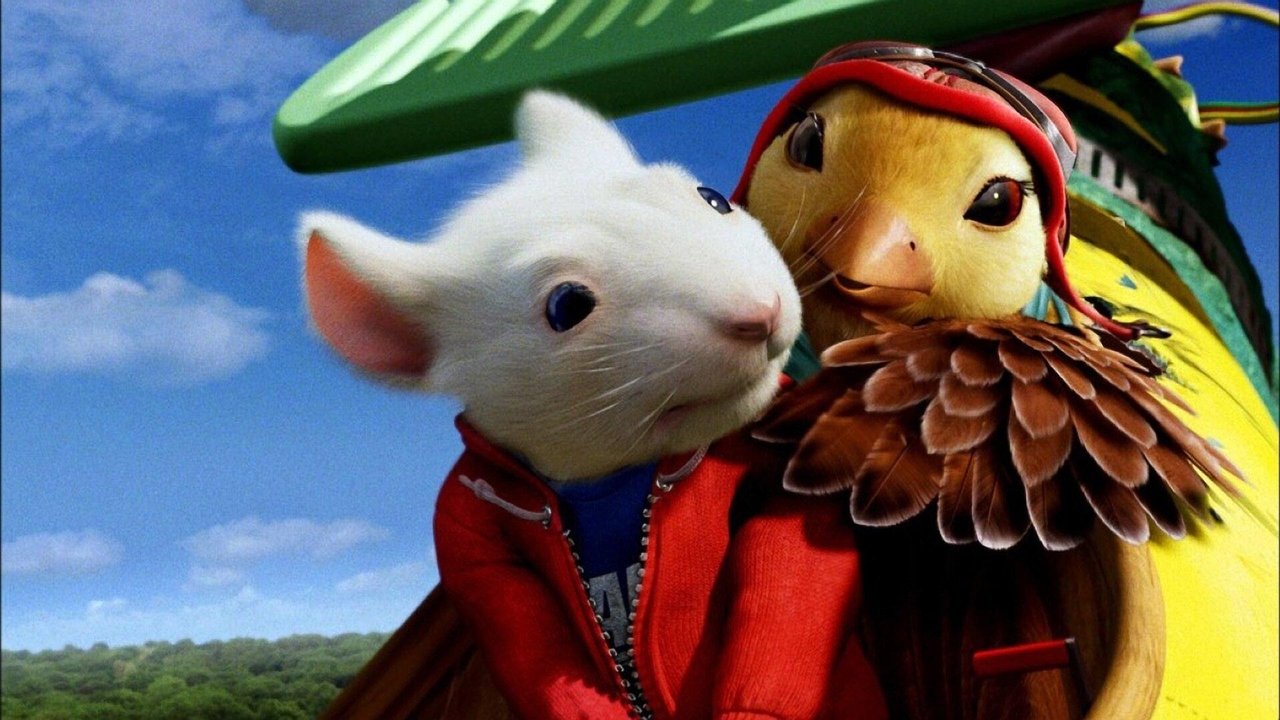
Looking back at the turn of the millennium, we often mock the rubbery, floaty digital effects of the era. However, Stuart Little 2 is the exception that proves the rule. Sony Pictures Imageworks clearly treated this as their Sistine Chapel. The way the light hits Stuart’s white fur, the physics of his tiny clothes, and the expressive, soul-searching eyes voiced by Michael J. Fox (of Back to the Future fame) still hold up remarkably well. Hot take: Stuart’s character model is more convincing than half the digital heroes in modern $200 million blockbusters.
Director Rob Minkoff, who previously gave us The Lion King, brings a genuine sense of scale to the proceedings. He uses "mouse-eye view" cinematography to turn a kitchen sink into a treacherous waterfall and a sidewalk into a canyon. There’s a sequence involving a runaway soccer ball that feels more harrowing than most car chases I’ve seen recently. It’s a testament to the era’s obsession with pushing what was possible with silicon and code, and unlike the "perfect" but sterile CGI of the 2020s, there’s a tactile, hand-crafted warmth here.
The Overqualified Little Family
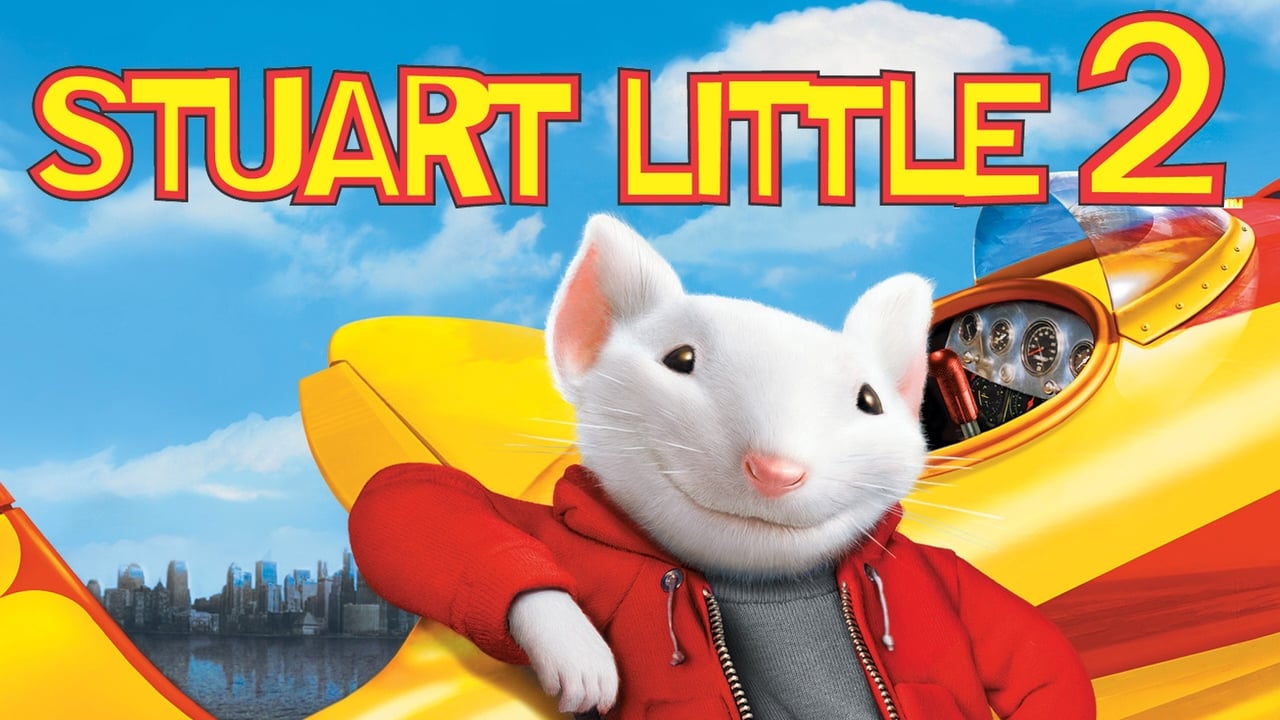
One of the greatest joys of the Stuart Little franchise is the sheer caliber of the human cast. Geena Davis and Hugh Laurie play the Little parents with a heightened, 1950s-sitcom earnestness that feels perfectly pitched for this world. This was Hugh Laurie before House made him a household name for being a cynical curmudgeon, and seeing him as a bumbling, affectionate dad is a delightful trip through a time portal. They don't wink at the camera; they treat the fact that their son is a mouse with the same gravity they treat Jonathan Lipnicki’s George getting his first crush.
The addition of Margalo the bird, voiced by Melanie Griffith, adds a layer of "noir-lite" to the adventure. She’s the femme fatale with a heart of gold, under the thumb of the Falcon—a villain voiced by James Woods with such menacing, gravelly intensity that he feels like he wandered in from a Scorsese flick. The Falcon is essentially a feathered mob boss running a protection racket in Central Park. That level of commitment to a "family film" antagonist is why this movie has such a dedicated cult following among those of us who grew up with the DVD.
A Legacy of Miniature Wonder
Speaking of DVDs, Stuart Little 2 was a staple of the "special features" era. I remember spending hours on the interactive menus, which were almost as sophisticated as the movie itself. It was part of that transition where film literacy was being handed to kids through "making-of" featurettes that explained fur-shading algorithms and blue-screen compositing.

The film is also a fascinating time capsule of a pre-9/11 and immediate post-9/11 New York. It presents a version of the city that is bright, clean, and endlessly adventurous—a storybook Manhattan where the greatest danger is a mean bird or a lost ring. It’s a comfort watch in the truest sense, devoid of the cynical meta-humor that would eventually infect the genre after Shrek changed the landscape.
Stuff You Might Have Missed:
To get the feathers right on the Falcon and Margalo, the animators had to invent entirely new "grooming" software because bird feathers behave differently than mammal fur. The film’s budget was so high ($120M) that it actually cost more per minute of screentime than most of the Lord of the Rings movies. Hugh Laurie and Geena Davis both stayed in their "Little" personas between takes to keep the energy light for the child actors. The model airplane Stuart flies was inspired by a 1930s racing plane called the Gee Bee R-1. * Steve Zahn, who voices the cat Snowbell, ad-libbed nearly 40% of his lines, providing the perfect comedic foil to Stuart's sincerity.
Ultimately, Stuart Little 2 is a masterclass in how to do a sequel right: keep the heart, raise the stakes, and don't overstay your welcome. It’s a brisk, gorgeous, and surprisingly emotional adventure that respects its audience’s intelligence. Whether you’re a CGI nerd or just looking for a hit of early-2000s whimsy, this one deserves a spot on your shelf. It’s proof that sometimes, a little really does go a long way.
Keep Exploring...
-
Stuart Little
1999
-
Mr. Peabody & Sherman
2014
-
The Haunted Mansion
2003
-
Antz
1998
-

Flushed Away
2006
-

Open Season
2006
-

Bee Movie
2007
-
Mirror Mirror
2012
-
The Lion King 1½
2004
-
Sky High
2005
-
Last Action Hero
1993
-
Jingle All the Way
1996
-

Bolt
2008
-
Night at the Museum: Battle of the Smithsonian
2009
-
Night at the Museum: Secret of the Tomb
2014
-
Penguins of Madagascar
2014
-
Hercules
1997
-

Asterix and Obelix vs. Caesar
1999
-

George of the Jungle
1997
-
Osmosis Jones
2001