Sweet Home Alabama
"High fashion, low country, and the divorce from hell."
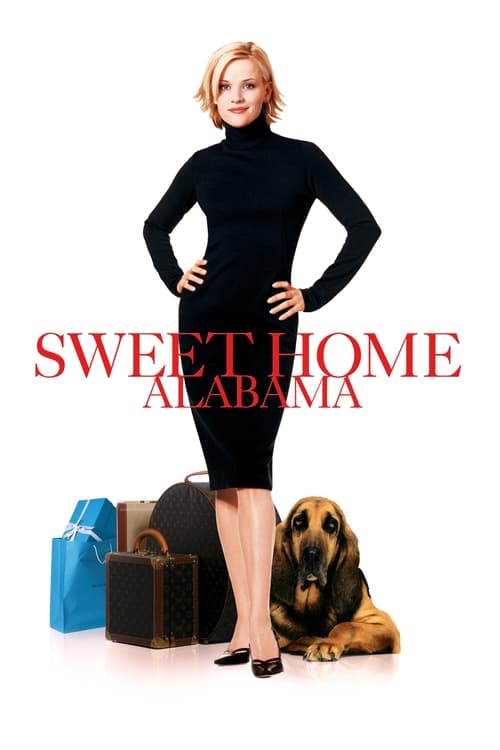
Before the world decided everything needed to be a gritty reboot or a multiversal crossover, the early 2000s belonged to the romantic comedy. There was a specific, high-gloss sheen to these movies—a time when mid-rise jeans were the law of the land and Reese Witherspoon was the undisputed queen of the box office. Walking into Sweet Home Alabama feels like wrapping yourself in a warm, slightly overpriced cashmere blanket. It’s a film that knows exactly what it is, and what it is is a 108-minute masterclass in star-driven charisma. I actually watched this most recently on a flight where the person in front of me had reclined their seat so far I was essentially watching the screen with my chin pinned to my chest, but even with a cramped neck, the charm of Pigeon Creek, Alabama, still managed to win me over.

The Power of the "It" Girl
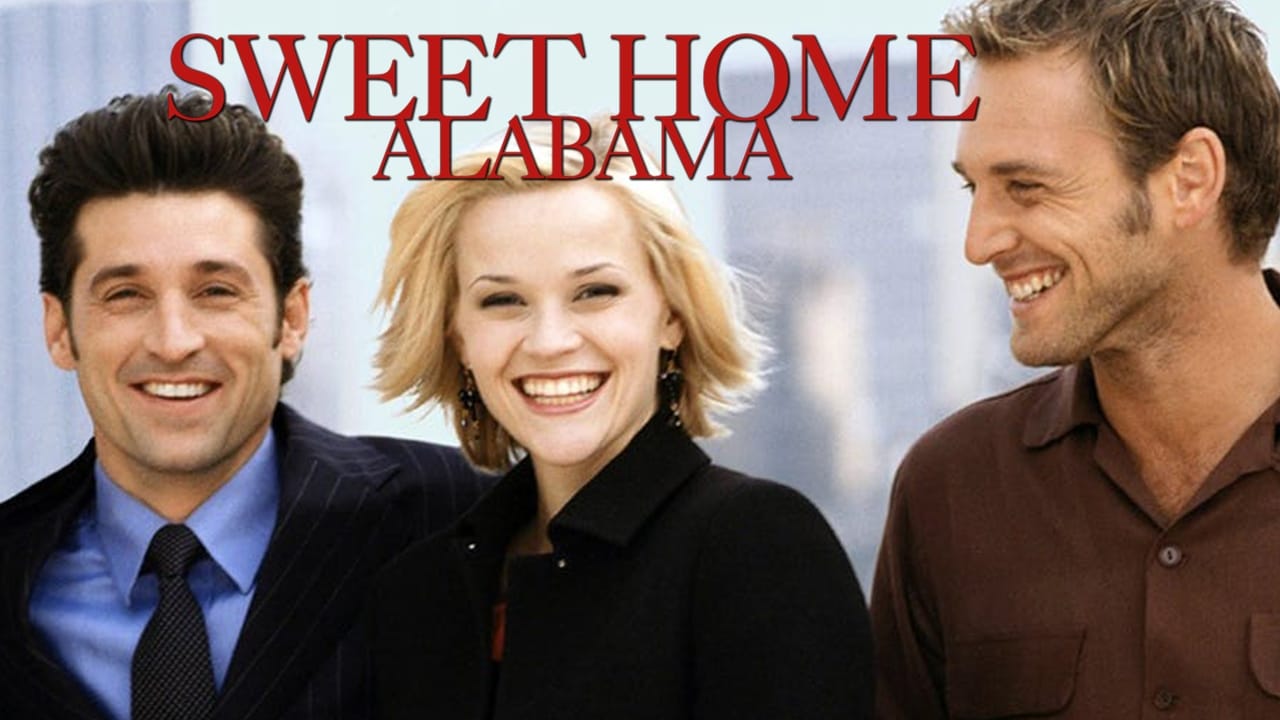
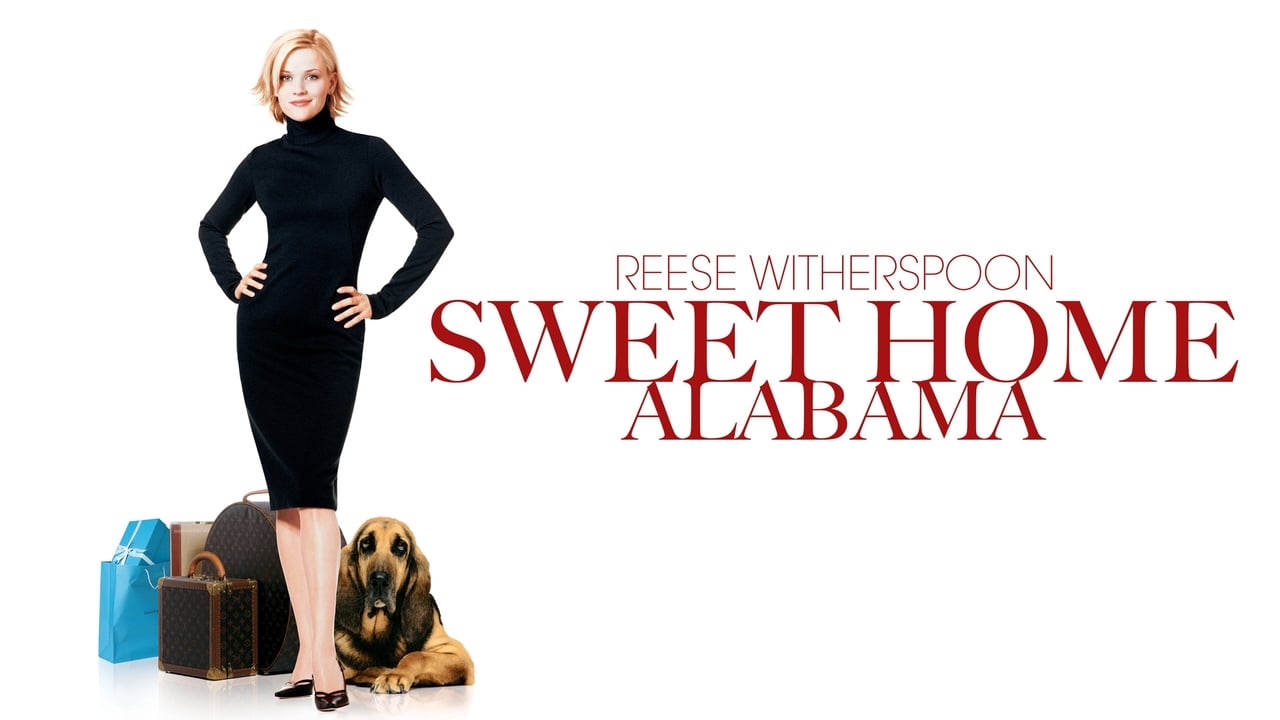
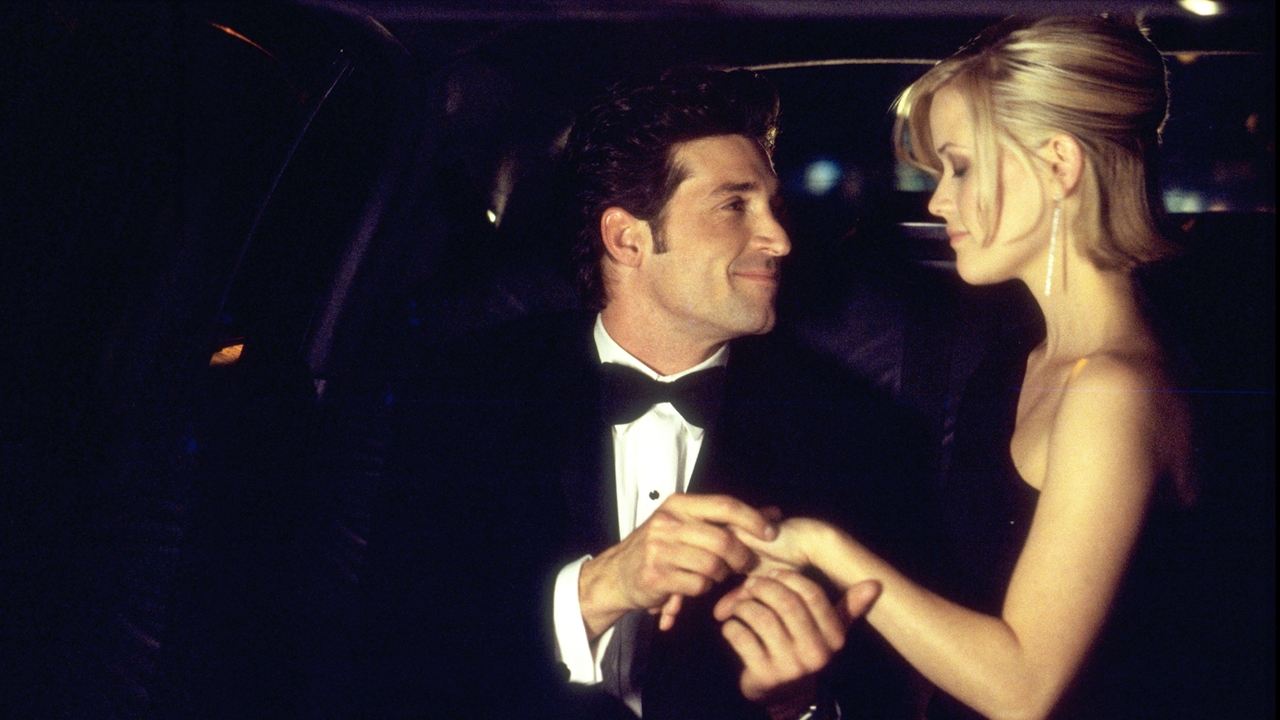
By 2002, Reese Witherspoon had already conquered the world with Legally Blonde, and Sweet Home Alabama was the victory lap that proved she could carry a movie on pure, unadulterated pluck. She plays Melanie Carmichael, a rising New York fashion designer who lands the ultimate "I’ve made it" trophy: a proposal from the city’s most eligible bachelor, Andrew (Patrick Dempsey). The problem? She’s still technically married to her high school sweetheart, Jake (Josh Lucas), back in the South.
The chemistry between Witherspoon and Lucas is the engine that keeps this thing from stalling out. While Patrick Dempsey is essentially a human golden retriever who somehow deserved better than being dumped at the altar, it’s the friction between Melanie and Jake that provides the spark. Josh Lucas does a lot of heavy lifting with just a squint and a smirk, playing the "forgotten" husband with enough soul that you actually root for him to ruin Melanie’s perfectly curated New York life. It’s a classic city-versus-country setup, but it works because the film doesn't treat Alabama like a joke—mostly.
A Time Capsule of Post-9/11 New York
Looking back, there’s a fascinating historical weight to this film that I didn't appreciate at the time. Released just a year after the September 11 attacks, Sweet Home Alabama was the very first film allowed to shoot at Tiffany & Co. in New York City since Audrey Hepburn graced the windows in 1961. The proposal scene in the darkened jewelry store isn't just a rom-com trope; it was a deliberate attempt to showcase a resilient, romantic New York. Apparently, the production had to navigate incredibly tight security to get those shots, but the result is one of the most iconic "big gesture" moments of the era.
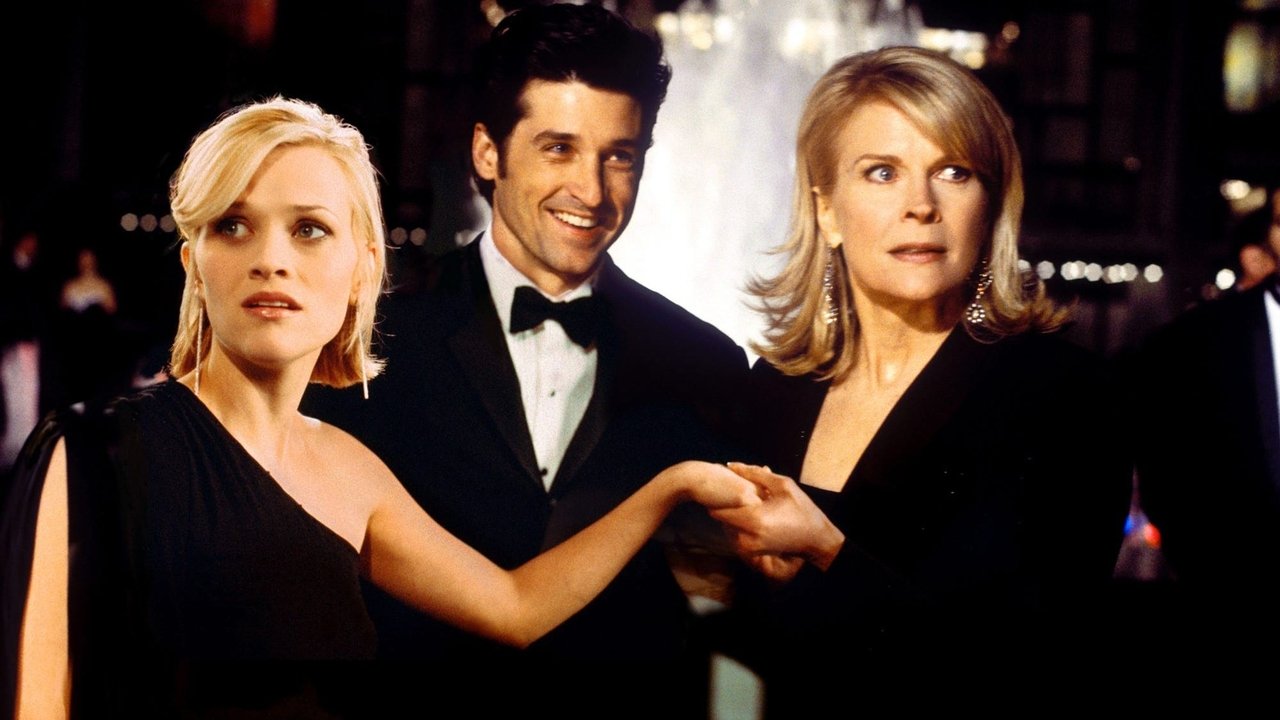
The film also captures that Y2K-era obsession with the DVD experience. If you owned the disc back in the day, you probably remember the alternate ending that was ultimately scrapped after test screenings. In the original version, Melanie returns to the wedding reception after a lightning strike, leading to a much darker, weirder punchline that honestly would have tanked the movie's "happily ever after" vibe. The version we got—the one where Candice Bergen gets a well-deserved punch to the face—is exactly the kind of crowd-pleasing resolution 2002 demanded. The Civil War reenactment scenes are peak 2002 'let’s not think too hard about this' energy, but they serve the purpose of grounding the film in its specific, albeit idealized, Southern setting.
Box Office Lightning in a Bottle
It’s easy to forget how much of a juggernaut this movie was. With a modest $30 million budget, it absolutely demolished the box office, pulling in over $35 million in its opening weekend alone. That was a record for a female-led romantic comedy at the time, eventually grossing over $180 million worldwide. It signaled a shift where "chick flicks" weren't just niche counter-programming; they were the main event.
The production itself was a bit of a Hollywood trick, though. While the title and the heart of the story are firmly in Alabama, most of the "Southern" scenes were actually filmed in Georgia. The town of Crawfordville stood in for Pigeon Creek, proving that as long as you have enough Spanish moss and a couple of Coors Light neon signs, the audience will follow you anywhere. Director Andy Tennant, who previously gave us the delightful Ever After, knows exactly when to lean into the sentiment and when to let Candice Bergen (as the icy Mayor of New York) chew the scenery. Bergen is a delight here, playing the kind of high-society villain that you love to hate, providing the perfect foil to the down-home sincerity of Melanie’s parents, played by Mary Kay Place and Fred Ward.
At the end of the day, Sweet Home Alabama succeeds because it respects the tradition of the genre while giving its lead actress room to breathe. It’s a movie about the tension between who we want to be and where we came from, wrapped in a glossy, Hollywood-friendly package. Is it predictable? Absolutely. But in an era where movies often feel like homework for a larger franchise, there’s something genuinely refreshing about a story that just wants you to go home, grab a drink, and realize that your first love might actually be your best one. It’s comfort food for the soul, best served with a side of nostalgia and a very large diamond.
Keep Exploring...
-
Hitch
2005
-

The Bounty Hunter
2010
-

Legally Blonde
2001
-
It Takes Two
1995
-

EverAfter
1998
-

Fool's Gold
2008
-
Legally Blonde 2: Red, White & Blonde
2003
-

Enchanted
2007
-
My Best Friend's Wedding
1997
-
Shakespeare in Love
1998
-
The Wedding Singer
1998
-

There's Something About Mary
1998
-
American Pie
1999
-

She's All That
1999
-
Chocolat
2000
-
American Pie 2
2001
-

Shallow Hal
2001
-
The Princess Diaries
2001
-
About a Boy
2002
-
Freaky Friday
2003