Sympathy for Mr. Vengeance
"In the game of revenge, everyone loses."

The first time I sat down to watch Sympathy for Mr. Vengeance, I was trying to balance a bowl of dangerously spicy Jjamppong on my lap. About forty minutes in, a particularly grim plot twist made me jump, sending a splash of bright red seafood broth onto my favorite white hoodie. Usually, I’d be annoyed, but looking at the screen—saturated in emerald greens and deep, bruised purples—the stain felt like a strangely appropriate piece of immersive theater.
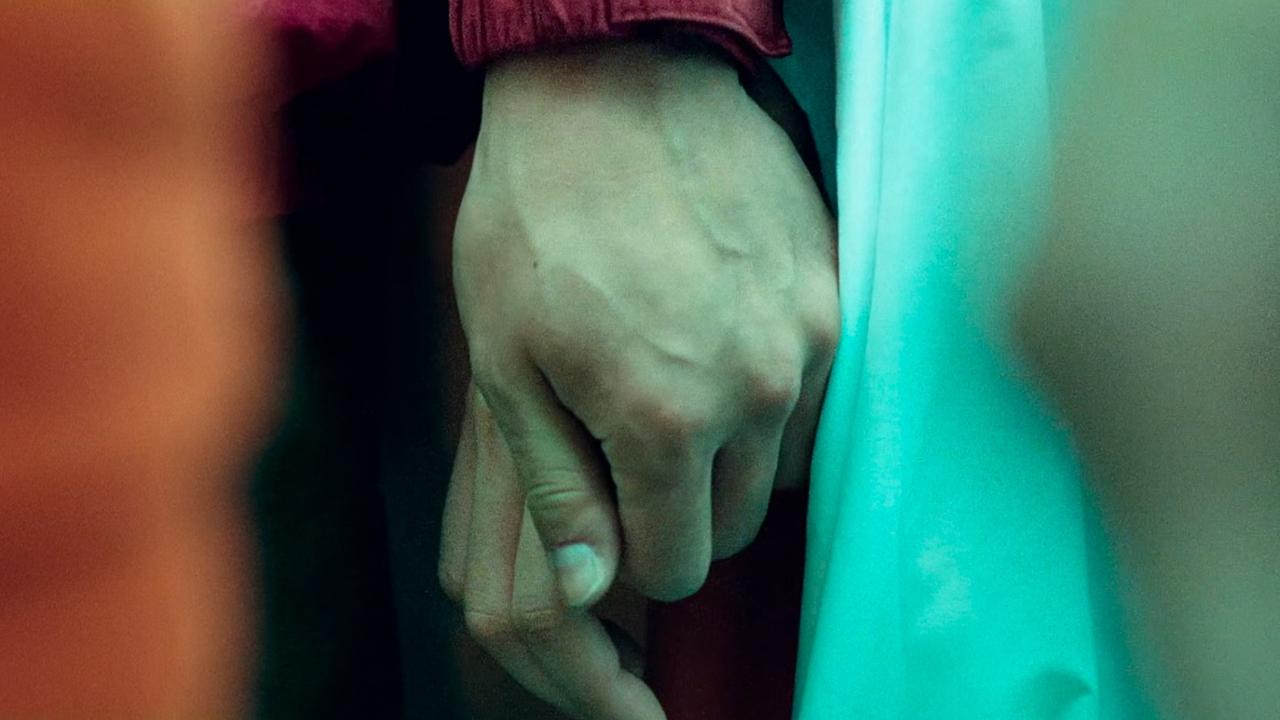
Long before Oldboy became a dorm-room staple and Parasite conquered the Oscars, Park Chan-wook was already dismantling the machinery of the action-thriller. This film, the opening salvo of his "Vengeance Trilogy," is a far colder, leaner beast than its more famous siblings. It doesn’t offer the operatic highs of a hallway hammer fight; instead, it offers the hollow, echoing thud of a bad decision meeting an inevitable consequence.
The Sound of Silence and the Weight of Choice
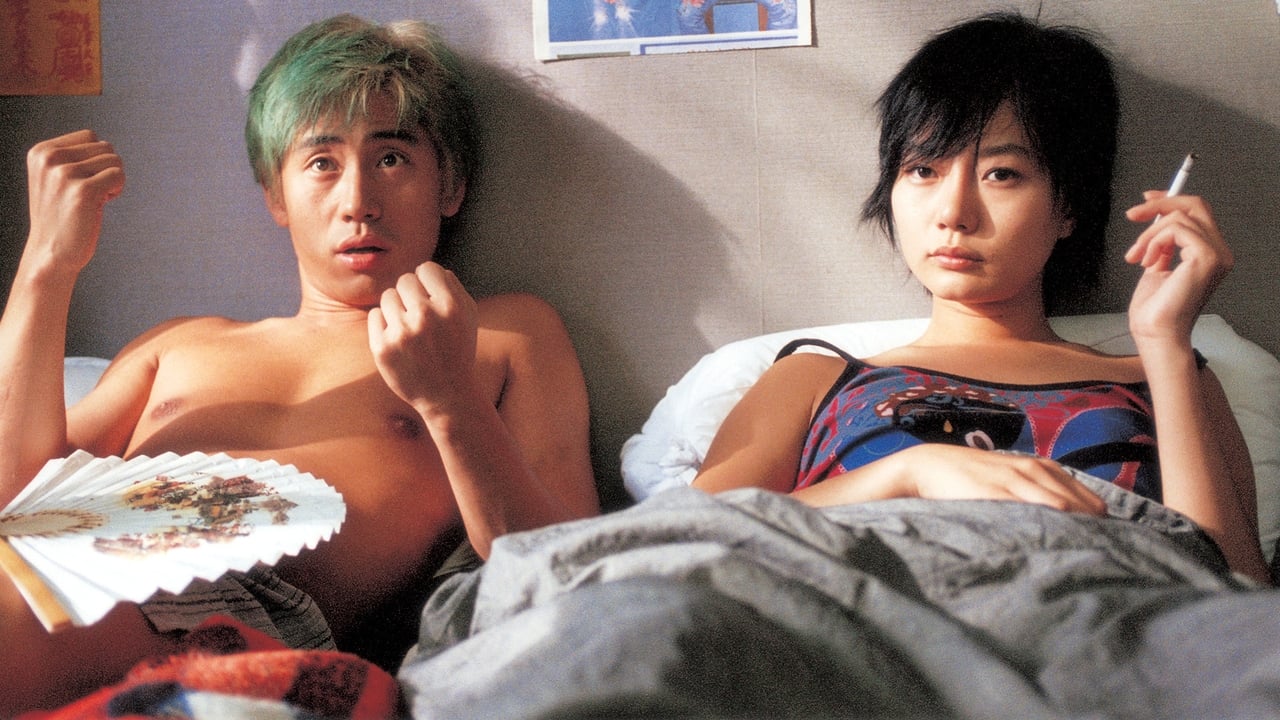
We start with Ryu (Shin Ha-kyun), a deaf-mute factory worker with shock-green hair and a dying sister (Im Ji-eun). He needs a kidney; he doesn't have the money. It’s a classic setup for a tragedy, but Park frames it with a clinical, almost detached eye. Because Ryu cannot hear, the film’s soundscape is fascinatingly isolated. We hear the industrial hum of the factory and the muffled vibrations of the world, making his eventual descent into kidnapping and ransom feel like a silent movie that has suddenly, violently, curdled.
When Ryu and his anarchist girlfriend Yeong-mi (Bae Doona) decide to kidnap the daughter of a wealthy executive, Dong-jin (Song Kang-ho), they aren't "villains" in the traditional sense. They are desperate people trapped in a system that has already discarded them. This is where the "Indie" spirit of the film shines. Produced on a relatively modest $4 million budget, the film avoids expensive spectacle in favor of claustrophobic tension. Every dollar is visible in the grime of Ryu’s apartment and the sterile, hauntingly quiet corridors of the hospitals.
Action as an Act of Desperation
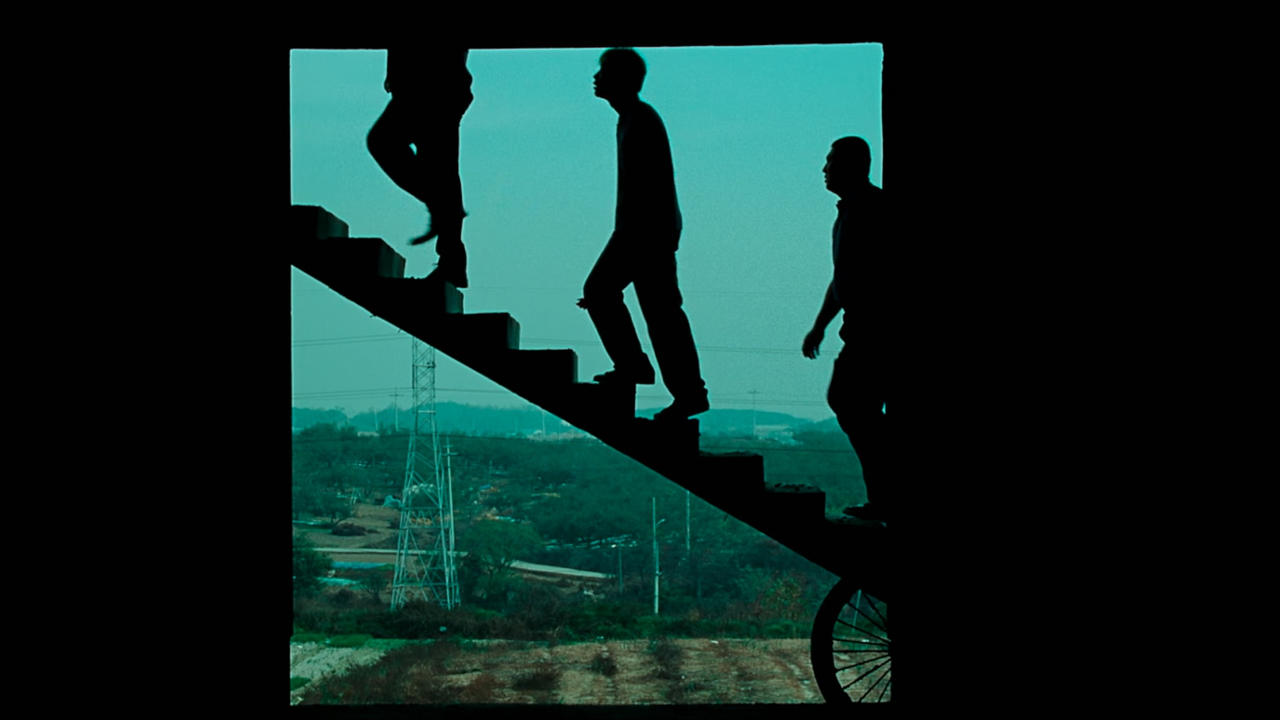
If you’re coming to this expecting the choreographed "gun-fu" that dominated the early 2000s post-Matrix era, you’re in for a shock. The action here isn't meant to be "cool." It is clumsy, agonizing, and deeply personal. When the violence finally erupts, it’s not a celebration of skill, but a messy, painful struggle for survival.
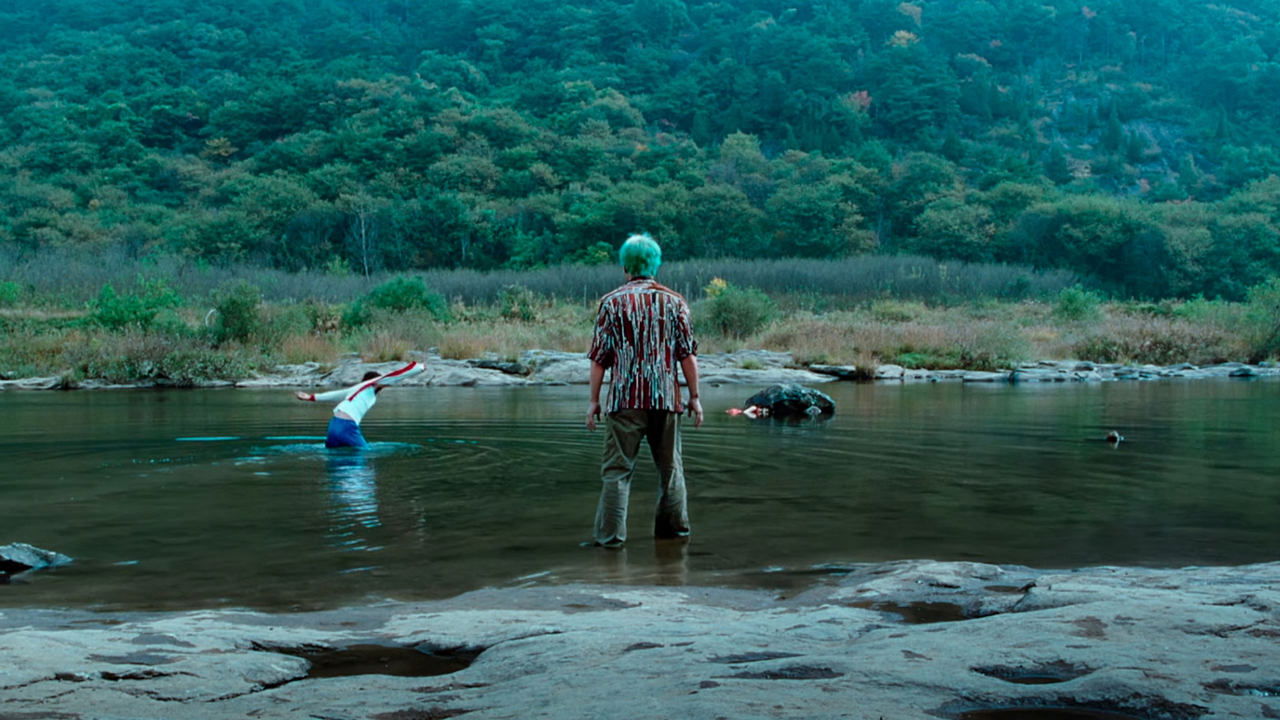
There is a sequence involving a river that is shot with such agonizing stillness that it becomes harder to watch than any high-speed car chase. Park Chan-wook uses long takes and wide shots to let the horror breathe. By the time Song Kang-ho enters his own spiral of retribution, the film has shifted from a kidnapping thriller into a grim moral ledger where every "eye for an eye" leaves the world progressively darker. The original marketing tagline "Revenge was never this sweet" is easily the most deceptive piece of advertising in cinema history. There is nothing sweet here; it’s a mouthful of copper and salt.
A Masterclass in Modern Grimness
Looking back from a post-9/11 perspective, this film captured a specific global anxiety about the breakdown of communication and the failure of institutions. It feels less like a product of the early 2000s and more like a timeless fable about the circular nature of hate. Park Chan-wook was essentially using this film as a calling card to prove that South Korean cinema could take the tropes of the Western noir and sharpen them into a razor blade.
The performances are what anchor the misery. Shin Ha-kyun manages to convey a world of yearning and heartbreak without uttering a single word, while Song Kang-ho—long before he was the lovable dad in Parasite—delivers a performance of terrifying, quiet focus. You watch his face transform from a grieving father into a man who has hollowed himself out to make room for his mission. It’s a transformation that feels grounded and horrifyingly real.
The trivia surrounding the production highlights Park’s uncompromising vision. Despite coming off the massive commercial success of Joint Security Area, he chose to make a film so bleak and uncompromising that it actually struggled at the domestic box office. It was the international festival circuit, specifically the growing cult obsession with "Extreme Asia" cinema on DVD, that allowed Sympathy for Mr. Vengeance to find its rightful place as a foundational text of modern thrillers. It proved that you didn't need a massive budget to create a cinematic earthquake; you just needed a story that wasn't afraid to hurt its audience.
This isn't a film you watch for a "fun" Friday night, but it is one you watch to remember what cinema is capable of when it stops trying to please you. It is a beautifully shot, expertly acted descent into the basement of the human soul. Just make sure you aren't wearing a white hoodie when you watch it—the metaphorical stains are much harder to get out than the seafood broth.
Keep Exploring...
-
Oldboy
2003
-
Thirst
2009
-

Lady Vengeance
2005
-
Run Lola Run
1998
-
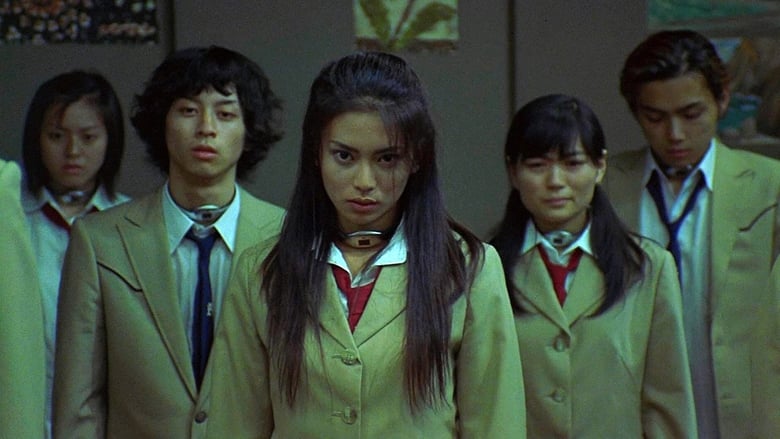
Battle Royale
2000
-
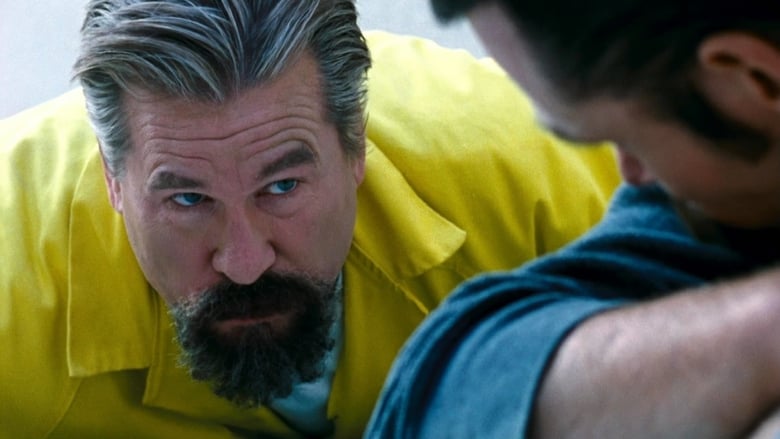
Felon
2008
-

Blood and Bone
2009
-

Undisputed III: Redemption
2010
-
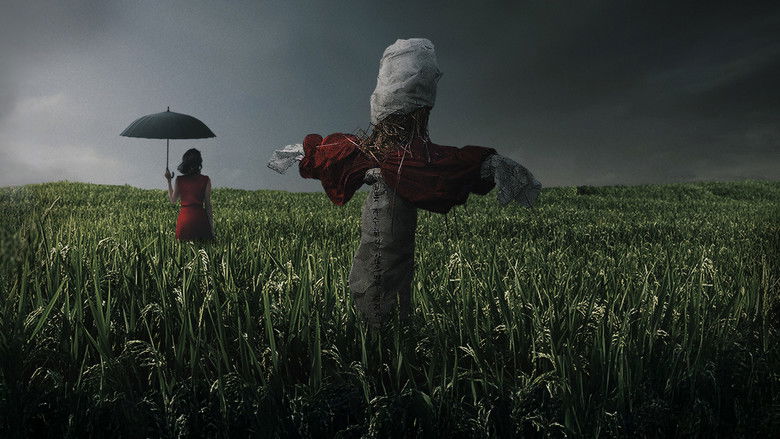
Memories of Murder
2003
-

Enemy of the State
1998
-

The Negotiator
1998
-
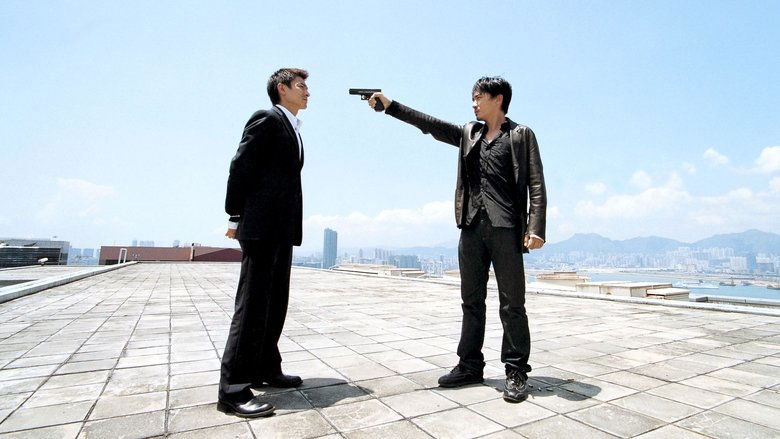
Infernal Affairs
2002
-
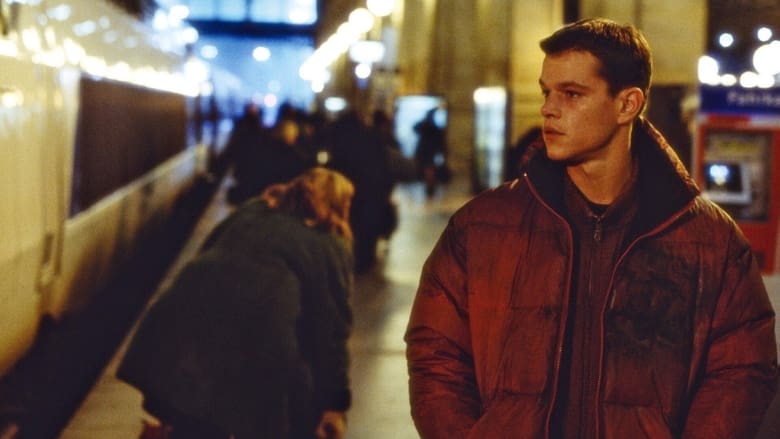
The Bourne Identity
2002
-

The Count of Monte Cristo
2002
-
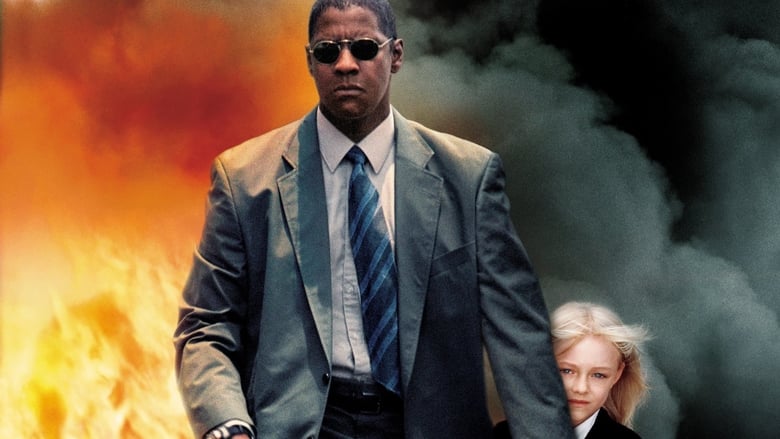
Man on Fire
2004
-

The Bourne Supremacy
2004
-
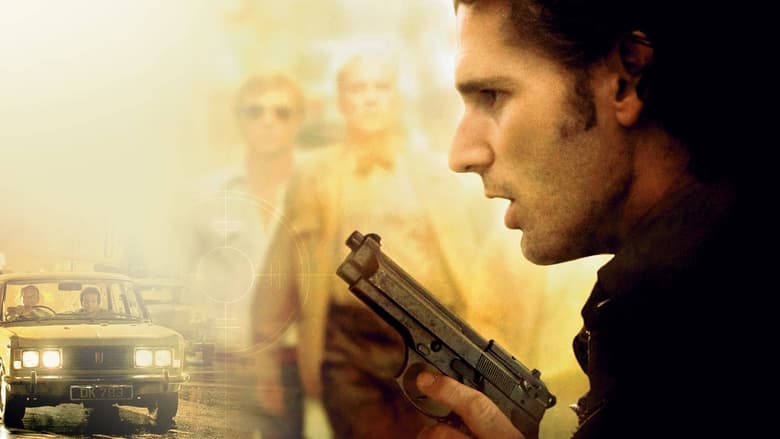
Munich
2005
-
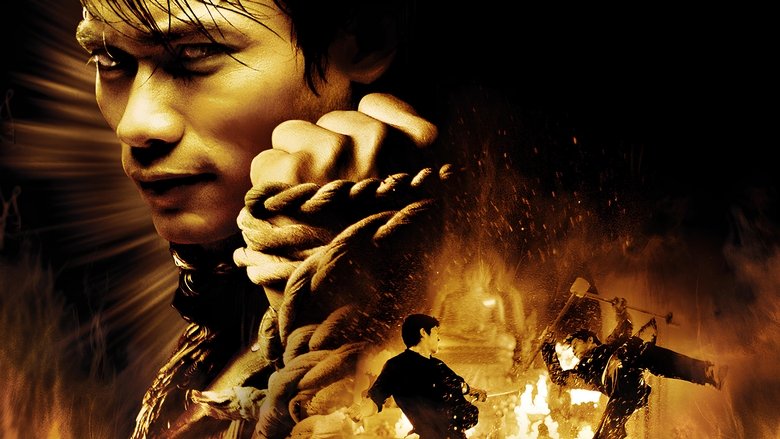
The Protector
2005
-
Blood Diamond
2006
-
Children of Men
2006