Talk to Her
"Silence is the most intimate language."
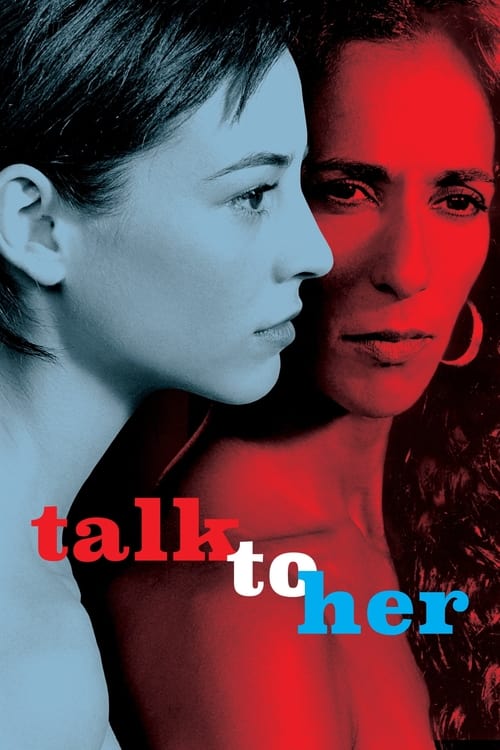
The curtain rises on two women dancing on a stage littered with wooden chairs, stumbling blindly while a man tries to clear a path for them. It’s a piece by Pina Bausch, and in the audience, two men who don't know each other are moved to tears. This is how Pedro Almodóvar welcomes us into the world of Talk to Her (2002). It’s a film that feels like a fever dream you’d have after spending too much time in a museum—lush, slightly disturbing, and impossibly beautiful.
I recently revisited this on a Tuesday night while my upstairs neighbor was apparently practicing for a professional bowling tournament, the heavy thud-roll-thud of their life providing a bizarre percussion to Almodóvar’s quiet, mournful frames. Somehow, the domestic noise only highlighted how much this movie relies on the sounds of silence and the things we say when no one is listening.
The Art of the One-Sided Conversation
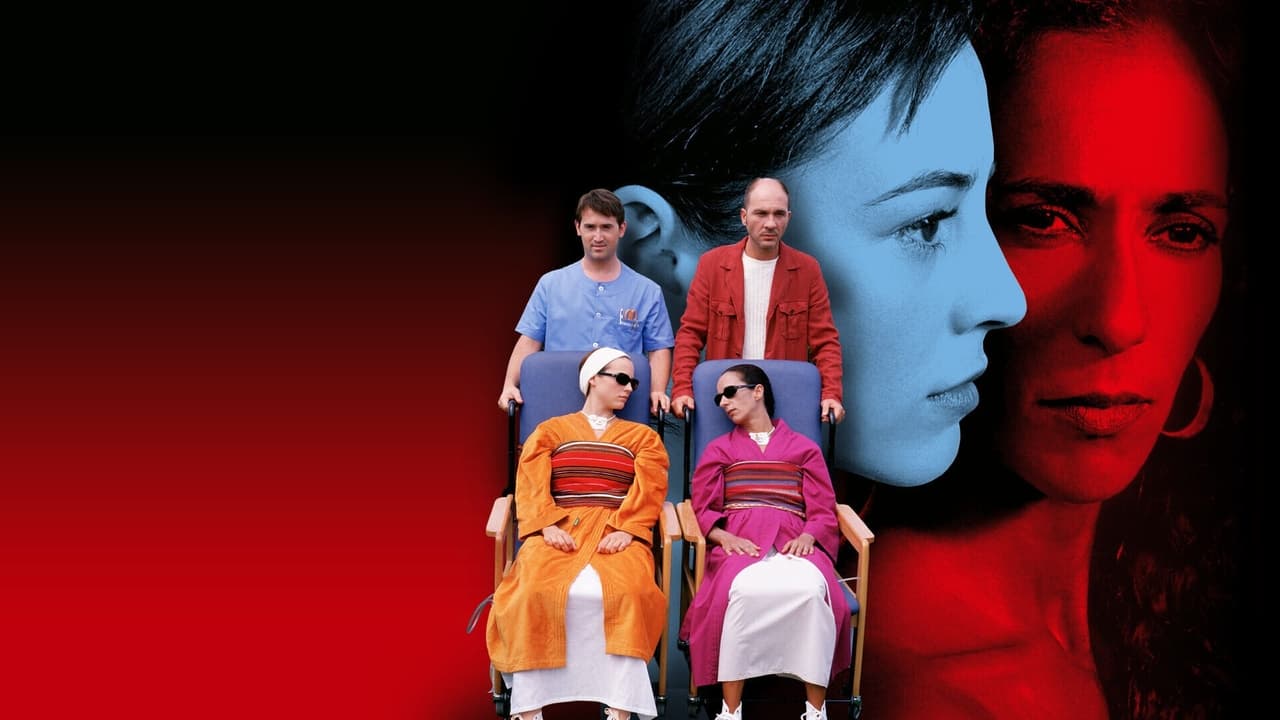
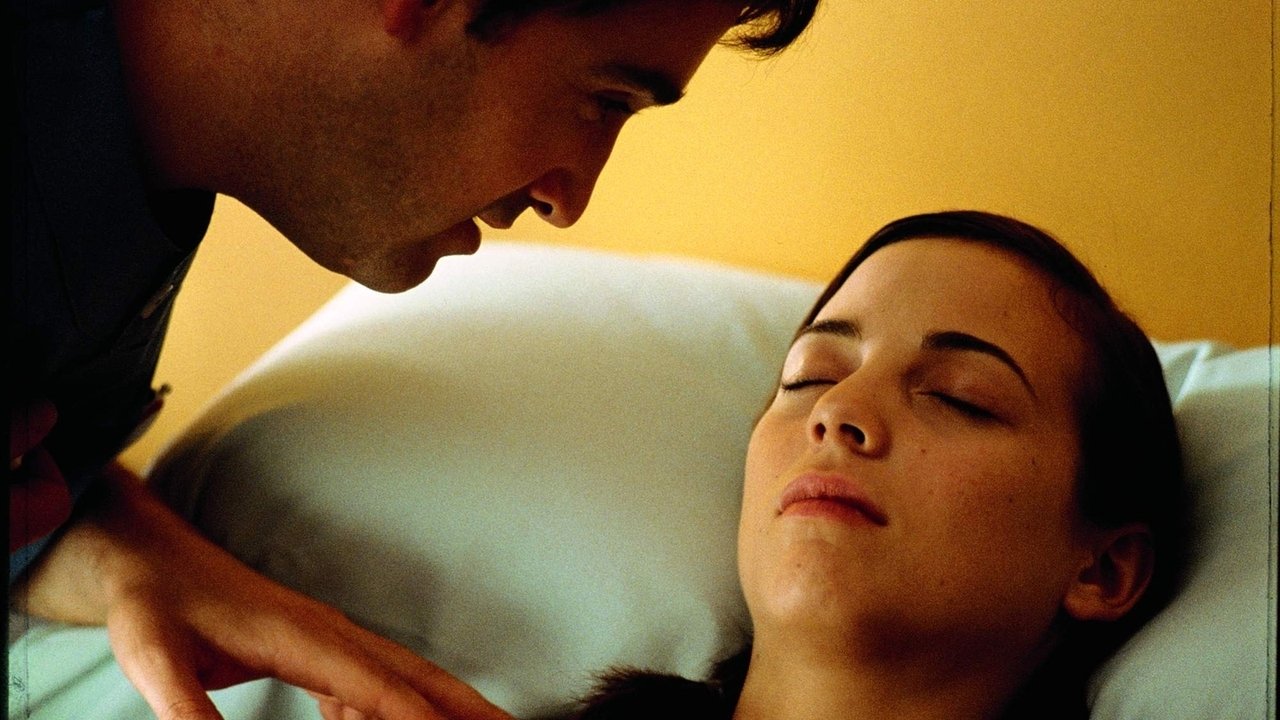
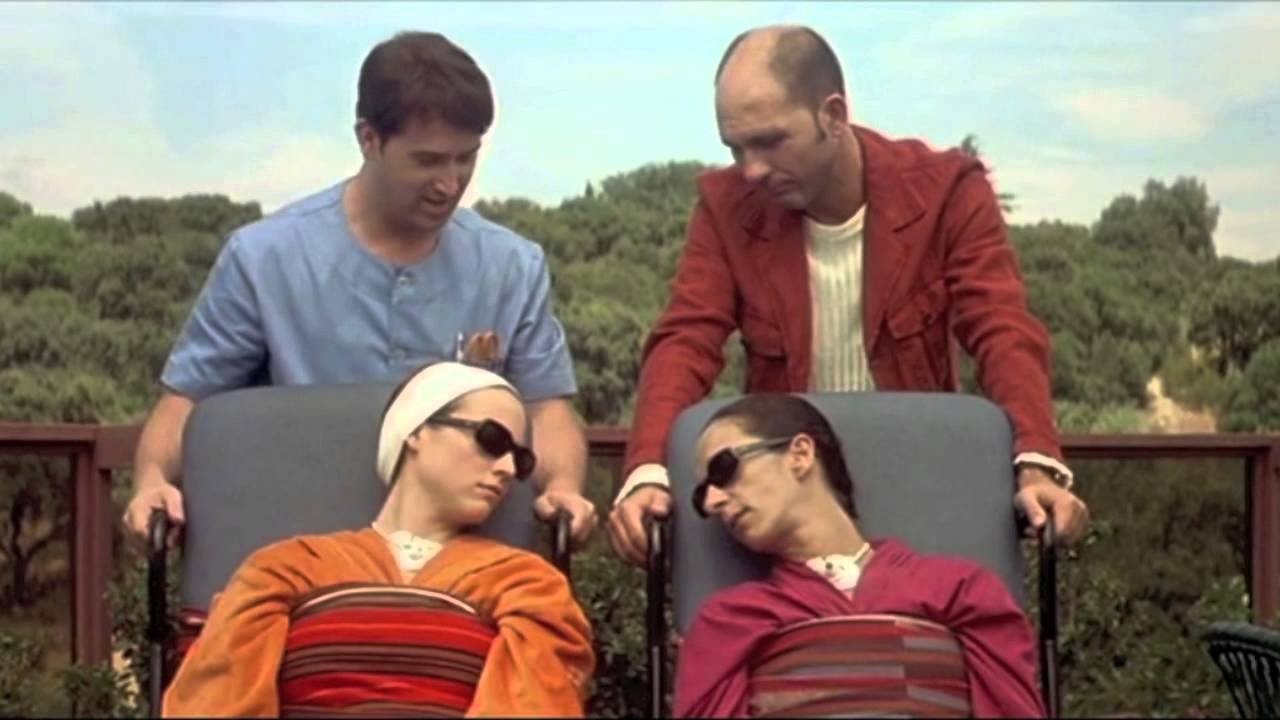
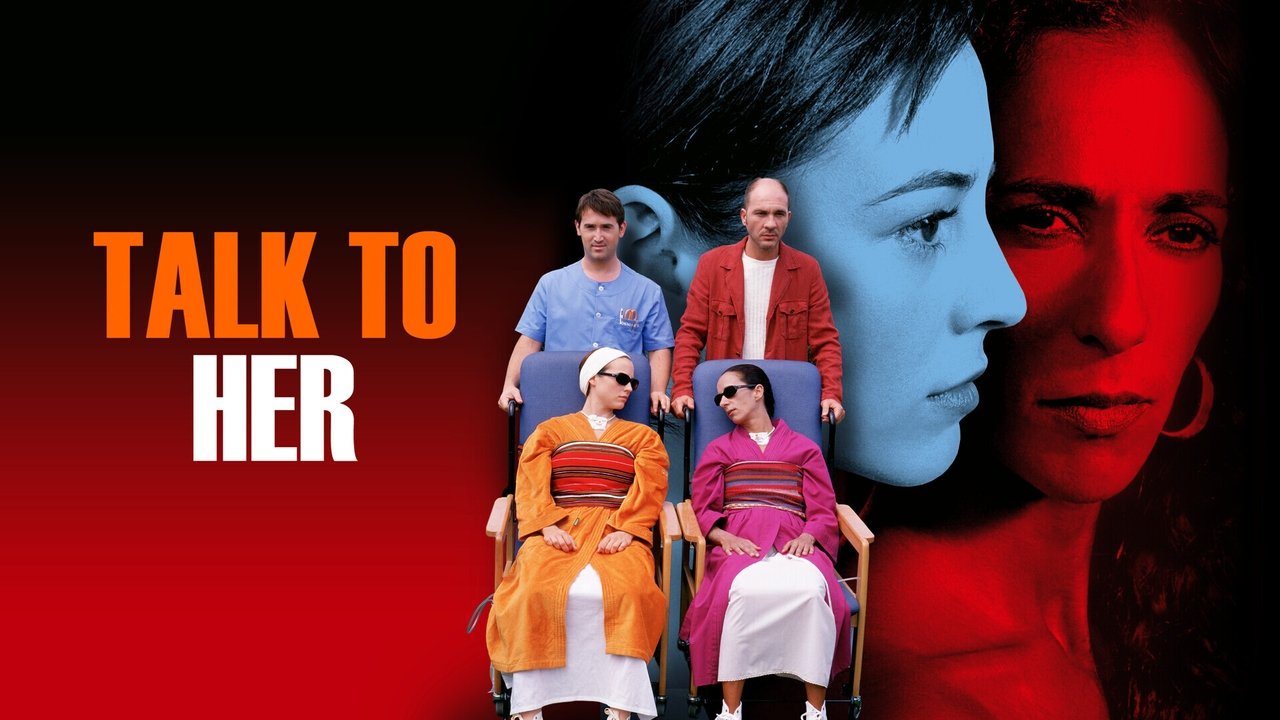
In the early 2000s, while Hollywood was busy perfecting the CGI of Spider-Man or the scale of The Lord of the Rings, Almodóvar was doing something much more radical with a camera and a handful of primary colors. He was asking us to empathize with a protagonist who, on paper, should be a villain. Javier Cámara plays Benigno, a soft-spoken, oddly gentle nurse who has spent his entire life caring for others—first his mother, and now Alicia (Leonor Watling), a beautiful dance student lying in a deep coma.
Benigno doesn’t just "care" for Alicia; he lives through her. He talks to her about the movies he sees, the gossip of the day, and his most private thoughts. Across the hall is Marco, played with a heavy-lidded, soulful exhaustion by Darío Grandinetti. Marco is a journalist whose girlfriend, a fierce bullfighter named Lydia (Rosario Flores), is also in a coma following a tragic accident in the ring. While Marco struggles with the crushing silence of the hospital room, Benigno thrives in it. To Benigno, the lack of a response isn't a wall; it's an invitation.
A Silent Film Within a Film
One of the most daring things Almodóvar does here—and honestly, making a silent film about a man shrinking until he can live inside his girlfriend's vagina is exactly the kind of unhinged energy we need more of—is the inclusion of "The Shrinking Lover." It’s a black-and-white silent movie that Benigno watches and then "narrates" to the comatose Alicia.
It’s a masterstroke of storytelling. It allows Almodóvar to bypass the "ick" factor of Benigno’s obsession by masking it in the language of classic cinema and surrealism. It’s a reminder of the DVD era’s glory days, when finding a "hidden" short film inside a feature felt like discovering a secret. Looking back, the cinematography by Javier Aguirresarobe (who also shot The Road and The Others) is just staggering. Every frame is saturated with "Almodóvar Red"—that deep, bruised crimson that suggests both passion and a crime scene. It’s a film that looks expensive because it’s so intentional, even though the budget was a relatively modest $6.5 million.
The Ethics of Care and Loneliness
As the story progresses, the friendship between Benigno and Marco becomes the film’s real heartbeat. It’s a rare look at male intimacy—two men bonded by their shared role as guardians of women who cannot speak back. But the film takes a turn that forces you to question everything you’ve felt for Benigno. It’s a moral labyrinth. Can a gesture be both an act of ultimate devotion and a horrific violation?
The performances are so nuanced that they keep you from looking away. Javier Cámara is particularly incredible; he gives Benigno a guileless, childlike quality that makes his actions all the more confusing to process. You want to hug him and call the police on him at the same time. Meanwhile, Geraldine Chaplin (yes, Charlie’s daughter) shows up as a ballet teacher, adding a layer of grounded, artistic grace to the melodrama.
Cool Details
Apparently, the singer who performs the haunting "Cucurrucucú Paloma" at the party scene is the legendary Caetano Veloso. Almodóvar was such a fan that he stopped the movie’s momentum just to let Veloso finish the song. It’s a sequence that serves no "plot" purpose, but it’s the soul of the film.
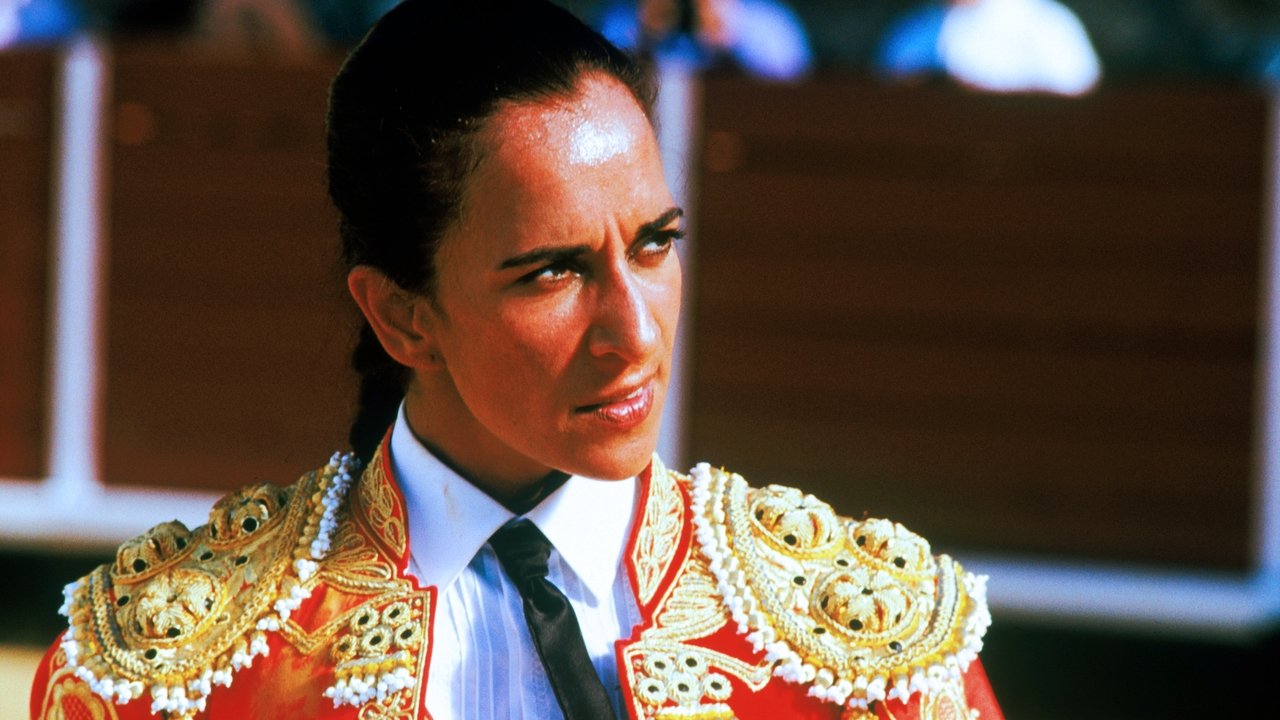
Another weird tidbit: Rosario Flores, who plays the bullfighter Lydia, comes from one of Spain’s most famous musical dynasties. Her casting brought a certain "royalty" to the screen that Spanish audiences would have recognized immediately, though for those of us watching from a couch in the suburbs, she’s just a remarkably striking presence who looks like she could actually take down a bull.
Talk to Her is the kind of cinema that stays in your teeth. It’s provocative, visually arresting, and deeply human, even when the humans involved are doing things that are hard to forgive. It captures that specific turn-of-the-century transition where "world cinema" was becoming truly global, proving that a story about two guys in a Spanish hospital could be as gripping as any blockbuster. It’s a gorgeous, uncomfortable, and ultimately unforgettable experience that demands you sit still and listen.
Keep Exploring...
-

Volver
2006
-
Bad Education
2004
-
All About My Mother
1999
-
A Dog's Will
2000
-

Millennium Actress
2002
-
The Skin I Live In
2011
-

My Name Is Khan
2010
-
Amour
2012
-
Laurence Anyways
2012
-
Julieta
2016
-

Three Colors: Red
1994
-
10 Things I Hate About You
1999
-

A Walk to Remember
2002
-

Brokeback Mountain
2005
-

Pride & Prejudice
2005
-
Atonement
2007
-

The Way He Looks
2014
-
The Sea Inside
2004
-

EverAfter
1998
-
Blast from the Past
1999