The Bourne Identity
"A hero who doesn't know he's a weapon."
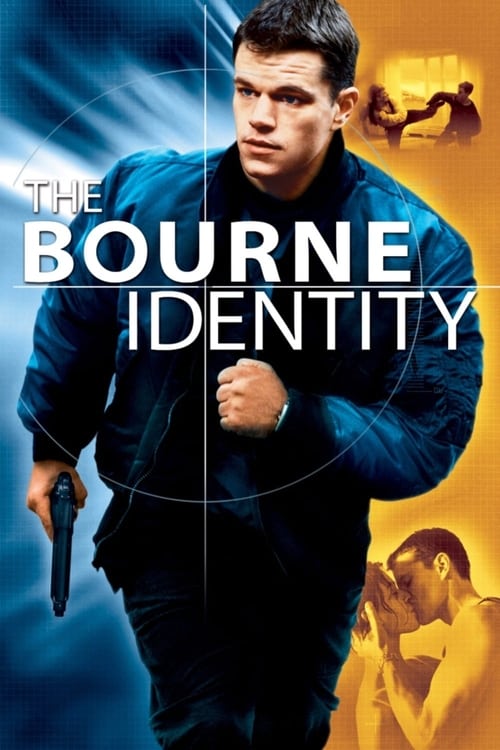
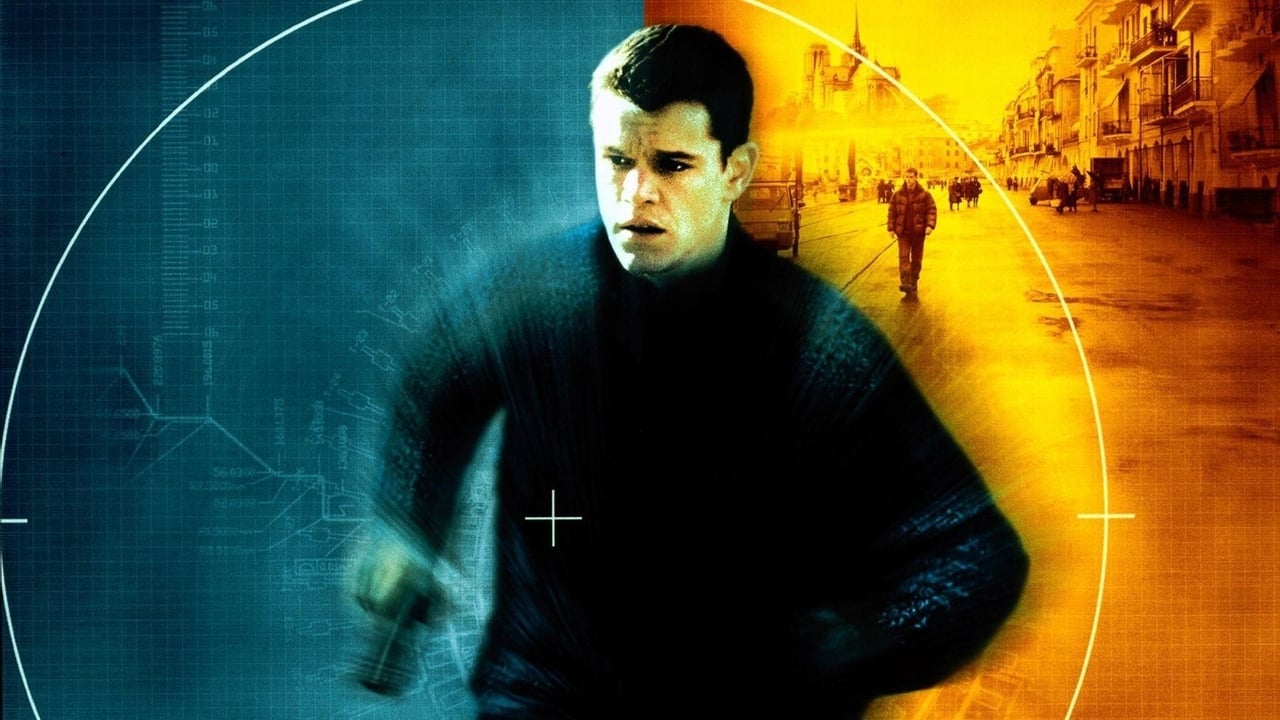
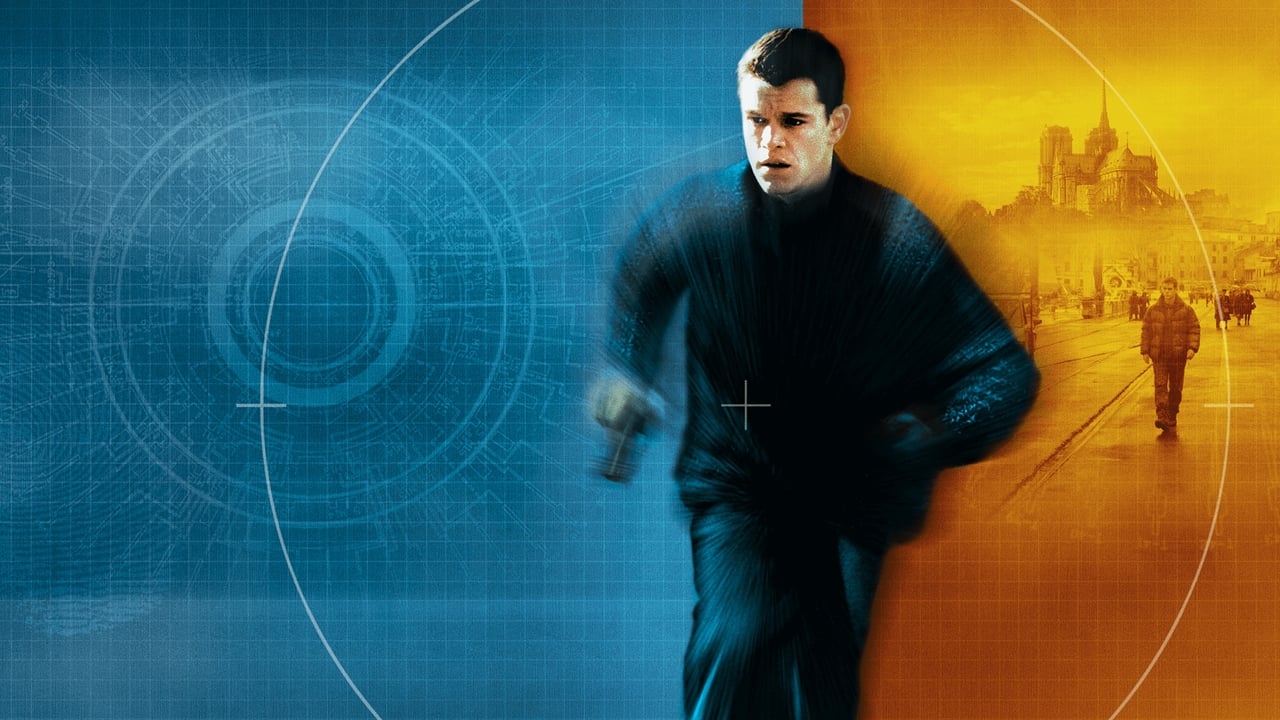
Before 2002, the phrase "action star" usually conjured images of Arnold Schwarzenegger’s bicep-bulging bravado or Pierce Brosnan’s impeccably pressed suits. Nobody was looking at the boyish, earnest lead of Good Will Hunting and thinking, "Yeah, that guy could dismantle a security team with a ballpoint pen." Then came the opening sequence of The Bourne Identity—a man pulled from the Mediterranean with two bullets in his back and a laser-projected bank account number in his hip—and the entire landscape of the 21st-century blockbuster shifted on its axis.
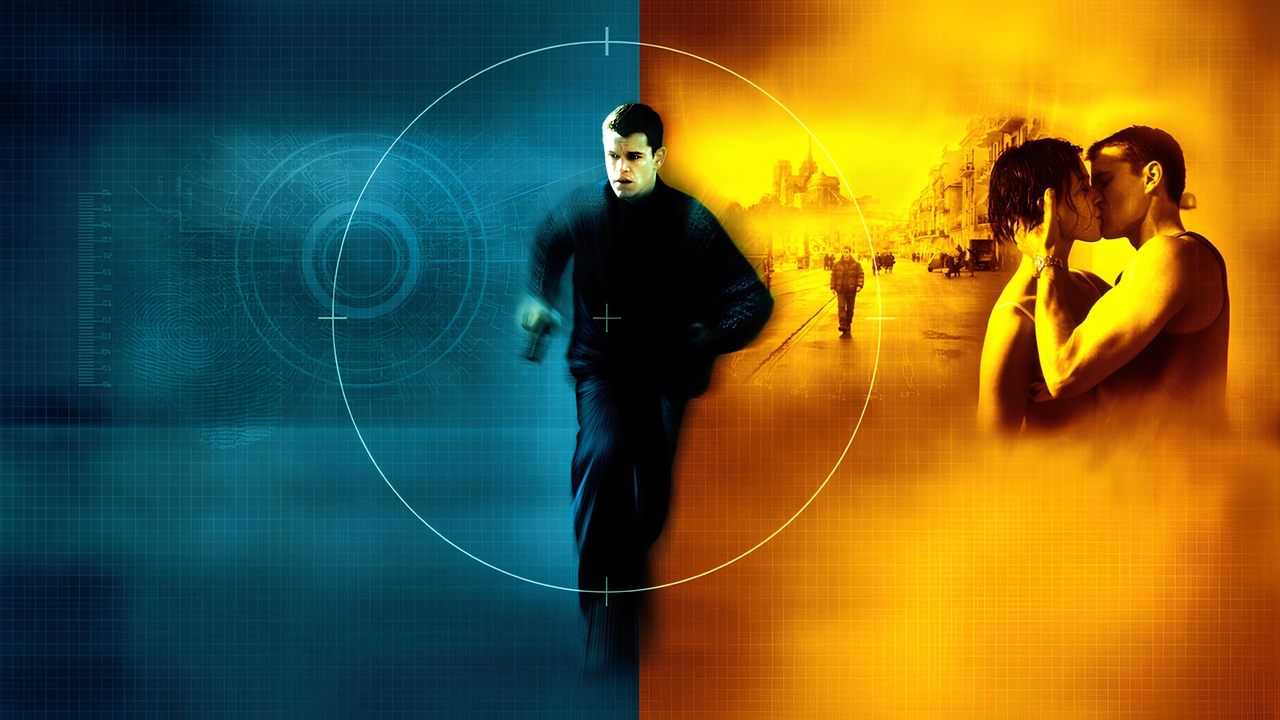
I recently rewatched this on a flight where the person next to me was aggressively peeling a hard-boiled egg, and remarkably, the tension on screen was still enough to distract me from the sulfurous aroma. That is the power of Doug Liman’s vision; it’s a film that demands your attention because it feels like it’s happening in the room with you, not in some glossy, untouchable Hollywood vacuum.
The Death of the Invincible Spy
The early 2000s were a weird time for movies. We were moving away from the neon-soaked, high-concept excess of the 90s and into a post-9/11 reality where the world felt smaller, scarier, and much more cynical. The Bourne Identity captured that mood perfectly. Instead of a hero with a quip for every occasion, we got Jason Bourne—a man suffering from profound amnesia who is genuinely terrified by his own muscle memory.
Matt Damon’s performance is the anchor. He plays Bourne with a wide-eyed, frantic confusion that makes his sudden bursts of hyper-competence feel grounded rather than cartoonish. When he realizes he can speak multiple languages or take down two armed police officers in a park, he doesn't smirk. He looks like he’s about to throw up. It’s a brilliant subversion of the genre. James Bond had to spend the next five years in a stylistic identity crisis because of this movie.
The cinematography by Oliver Wood also deserves a massive shout-out. This was the birth of the "shaky-cam" aesthetic that would later be pushed to its limits by Paul Greengrass in the sequels, but here, it’s used with more restraint. It creates a sense of frantic, documentary-style urgency. You aren’t just watching a fight; you’re trying to keep up with it.
Practical Chaos and the Mini Cooper
If there is one thing that has aged like a fine wine in this film, it’s the commitment to practical stunts. In an era where we were starting to see the "CGI revolution" take over (think Star Wars: Episode II released the same year), Doug Liman insisted on doing things the hard way. The Paris car chase is a masterclass in geography and physics. Seeing that beat-up red Mini Cooper bounce down stairs and weave through Parisian traffic feels heavy and dangerous in a way that modern digital chases rarely do.
The combat, too, was a revelation. Matt Damon spent months training in Kali, a Filipino martial art that emphasizes using an opponent's energy and surroundings against them. It’s messy, fast, and brutal. Clive Owen, playing the silent, lethal "Professor," provides a perfect foil—a mirror image of what Bourne would be if he hadn't lost his memory. The scene in the field where they finally square off is chillingly quiet, punctuated only by the crack of a rifle and the rustle of dry grass.
Behind the scenes, the production was notoriously chaotic. Doug Liman reportedly clashed with Universal Pictures constantly. He was a director coming from the indie world (Swingers), and he treated this $60 million project like a guerrilla film. He even bought his own boat to film the opening scenes because he was frustrated with the studio’s logistics. At one point, Tony Gilroy was faxing rewritten script pages to the set while they were filming. Usually, that’s a recipe for a disaster, but here, the frantic energy behind the camera somehow translated into the propulsive tension on screen.
The Legacy of the Treadstone Trap
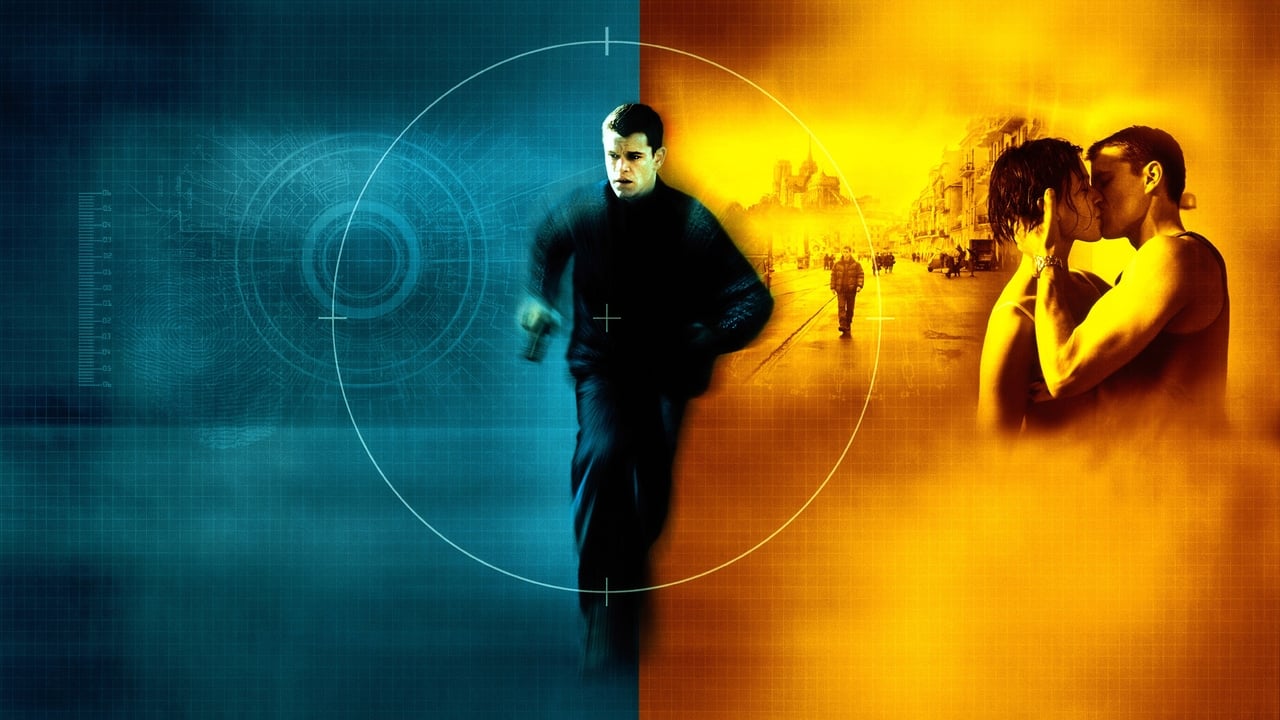
Looking back, it’s fascinating to see how many future stars were packed into this thing. You have Brian Cox and Chris Cooper essentially inventing the "grumpy old men in a dark room with monitors" trope that would dominate the genre for the next decade. Then there’s Franka Potente as Marie. In most action movies of the time, the female lead was either a damsel or a fellow super-spy. Marie is just a person—a cynical, broke traveler who gets caught in the crossfire. Her chemistry with Damon gives the film an emotional stakes that the sequels sometimes lacked.
The film was a massive hit, grossing over $214 million worldwide, but its true success was cultural. It proved that audiences wanted their action heroes to be vulnerable and their spy craft to be gritty. It paved the way for the Daniel Craig era of Bond and the darker, more "realistic" superhero films that followed. Even with its mid-2000s tech—all those chunky CRT monitors and Nokia brick phones—it doesn't feel like a relic. It feels like a blueprint.
The Bourne Identity remains a high-water mark for the modern action thriller because it respects the audience’s intelligence. It doesn't over-explain its plot, and it doesn't rely on digital trickery to create excitement. It’s a lean, mean, and deeply human story about a man trying to find his soul while his past tries to put a bullet in his head. If you haven't revisited it lately, do yourself a favor and dive back in—the water is still just as cold and the stakes are just as high.
Keep Exploring...
-
The Bourne Supremacy
2004
-
The Bourne Ultimatum
2007
-

Mr. & Mrs. Smith
2005
-
The Bourne Legacy
2012
-
Jason Bourne
2016
-
Unbreakable
2000
-
Rise of the Planet of the Apes
2011
-
Infernal Affairs
2002
-
Oldboy
2003
-

Mystic River
2003
-
The Talented Mr. Ripley
1999
-
Dawn of the Planet of the Apes
2014
-
In the Line of Fire
1993
-
Conspiracy Theory
1997
-
Basic
2003
-

Ghost
1990
-
The Fugitive
1993
-
Primal Fear
1996
-

The Game
1997
-

Enemy of the State
1998