The Count of Monte Cristo
"Justice is a dish best served cold."
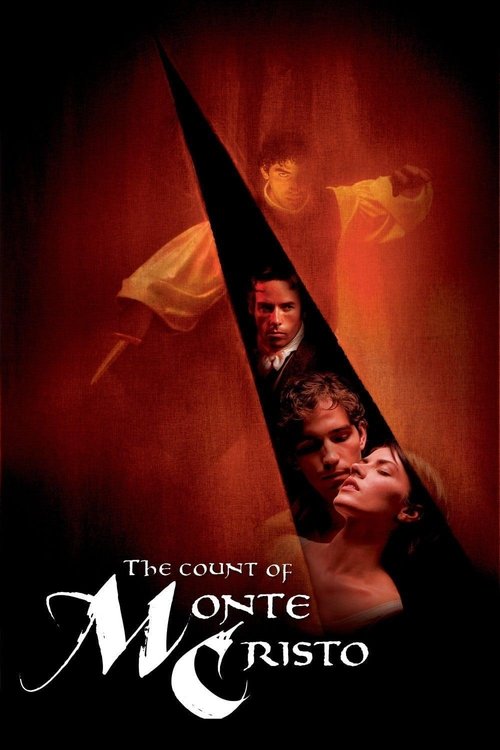
There is a specific, razor-sharp satisfaction in watching a man lose everything, only to spend a decade sharpening his spite like a shiv. Most adaptations of Alexandre Dumas’ 1,200-page behemoth trip over their own period-accurate lace, but Kevin Reynolds—a director who knows a thing or two about high-stakes survival after the beautiful disaster of Waterworld (1995)—decided to strip the engine down for parts. The result is a 2002 thriller that feels less like a dusty history lesson and more like a proto-superhero origin story fueled by pure, unadulterated bile. It’s an era-defining piece of "Modern Classic" swashbuckling that arrived right as Hollywood was starting to trade physical grit for green-screen gloss.
I watched this recently on a portable DVD player during a localized blackout while eating a room-temperature sleeve of Saltines, which, honestly, strangely added to the "starving in a dungeon" ambiance of the second act.
The Anatomy of a Backstab
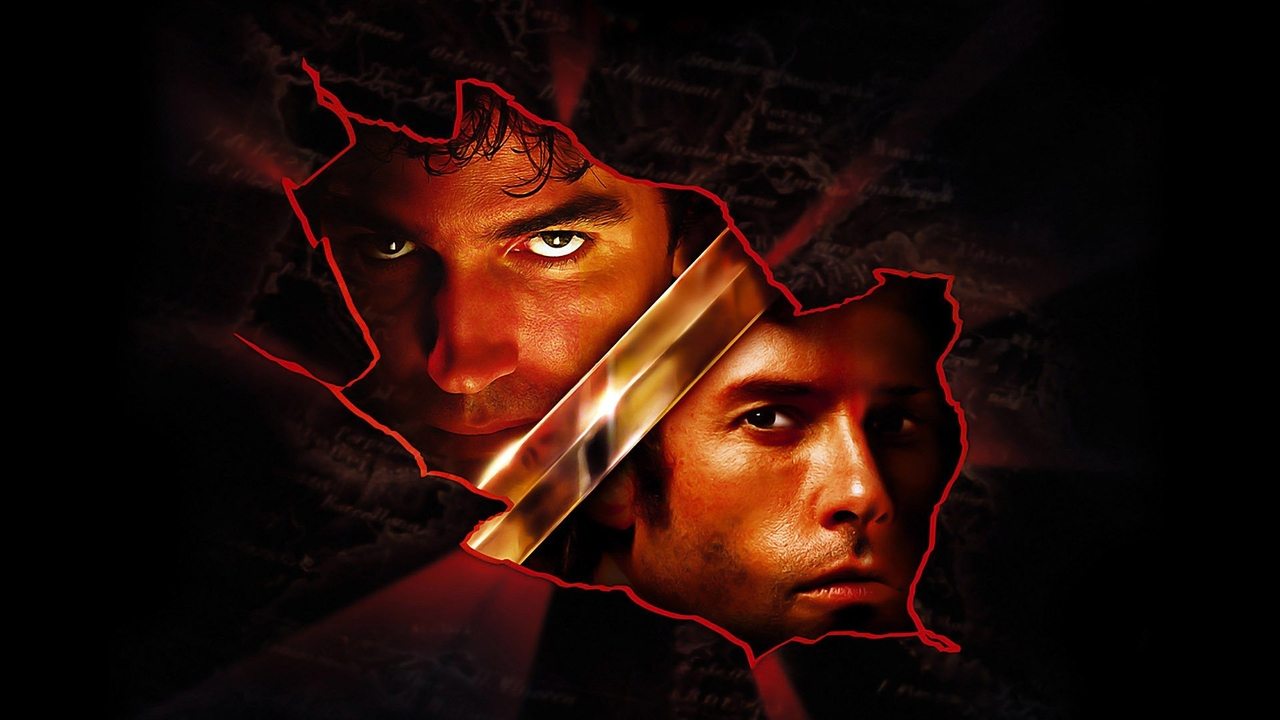
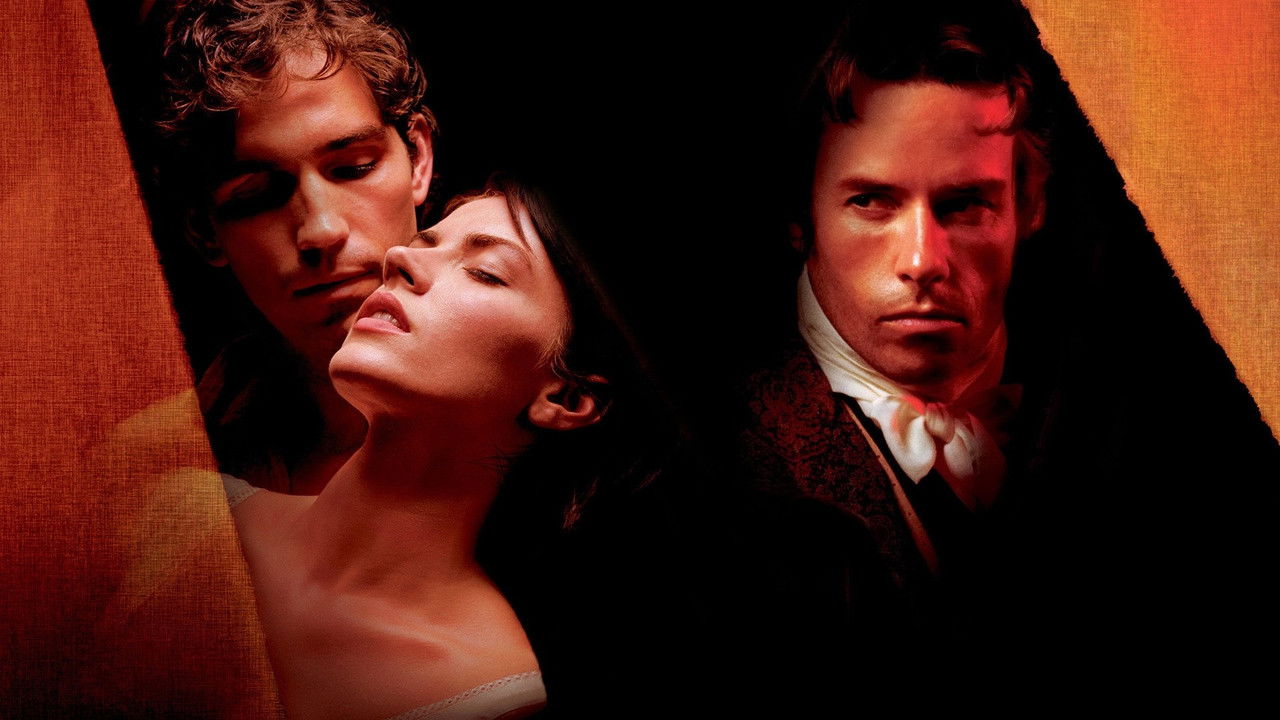
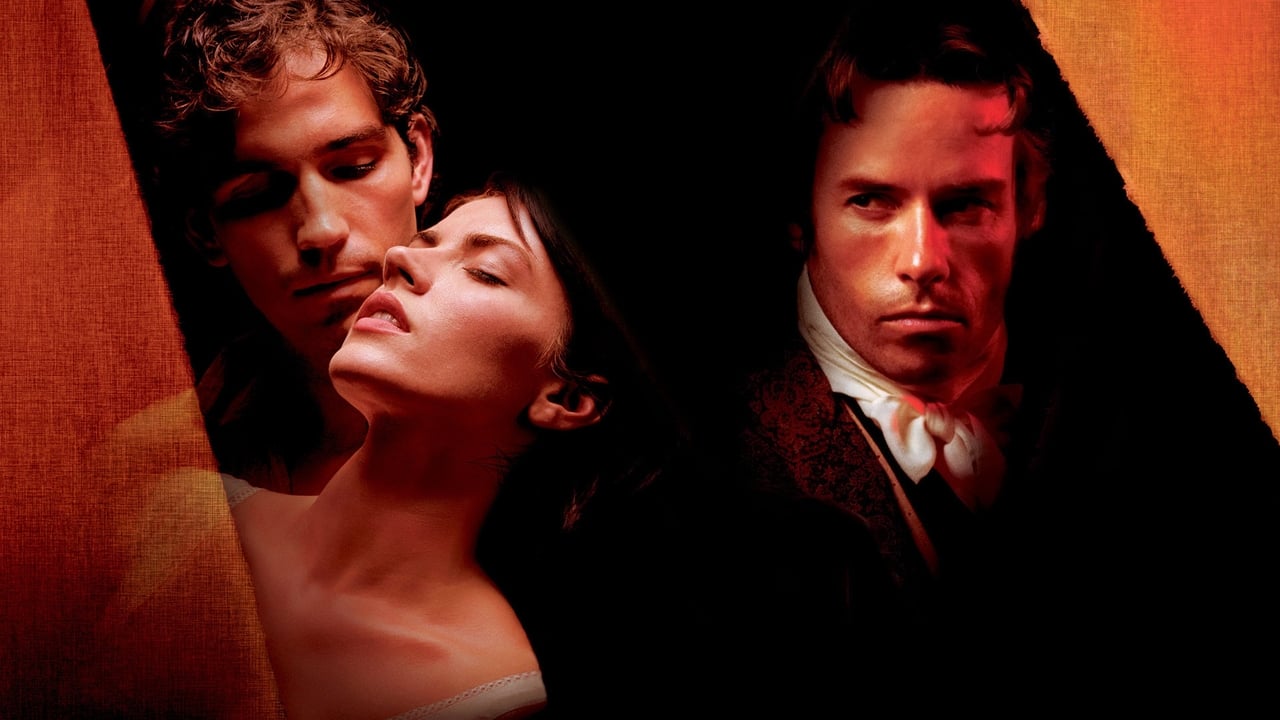
The film’s early momentum relies entirely on the chemistry—and subsequent rot—between Edmond Dantés and Fernand Mondego. Jim Caviezel plays Dantés with a wide-eyed, puppyish innocence that makes his eventual fall physically painful to watch. He’s the guy who thinks the world is fair because he’s honest. Opposite him, Guy Pearce is essentially the patron saint of being a petty, insecure jerk. As Mondego, Pearce doesn’t just betray his friend; he does it with a sneering, aristocratic boredom that makes you want to reach through the screen and adjust his cravat with a garrote.
When the betrayal lands, the film shifts into a somber, claustrophobic nightmare. The Chateau d'If isn't just a prison; it’s a tomb where the living are forgotten. The introduction of Michael Wincott as the sadistic Warden Dorleac adds a layer of grime that the early 2000s did so well. Wincott’s voice sounds like a gravel truck backing over a cello, and he uses it to remind Dantés that "God is not here." It’s heavy stuff for a PG-13 adventure, leaning into a darkness that feels earned rather than edgy.
A Masterclass in Mentorship
If the first act is about the breaking of a man, the second is about the forging of a weapon. The arrival of Abbé Faria, played by the legendary Richard Harris in one of his final roles before Harry Potter and the Sorcerer's Stone (2001), turns a bleak prison drama into a high-stakes education. The bond between the two men is the soul of the film. While the script by Jay Wolpert takes massive liberties with the source material (merging characters and streamlining the labyrinthine plot), it keeps the emotional core: the idea that knowledge is the only thing that can truly set a man free.
The practical nature of the production shines here. The dirt under the fingernails looks real because it probably was. In an era where we were just starting to see the "CGI-ification" of everything, The Count of Monte Cristo feels tactile. When they dig, they’re moving actual earth. When they fight, the swords have a weight that digital effects can't replicate. The training montages aren't just for show; they build the transition of Jim Caviezel from a broken prisoner into a cold, calculating aristocrat. By the time he escapes, he isn't Dantés anymore. He’s something much more dangerous.
The Cold Arithmetic of Revenge
The final act is where the "Action" and "Thriller" tags really kick in. Once Dantés dons the mantle of the Count, the film becomes a series of escalating psychological traps. The cinematography by Andrew Dunn shifts from the muddy, suffocating browns of the prison to the cold, blinding golds and whites of the French nobility. It’s a visual representation of the Count’s detachment. He isn't enjoying his wealth; he's using it as a lure.

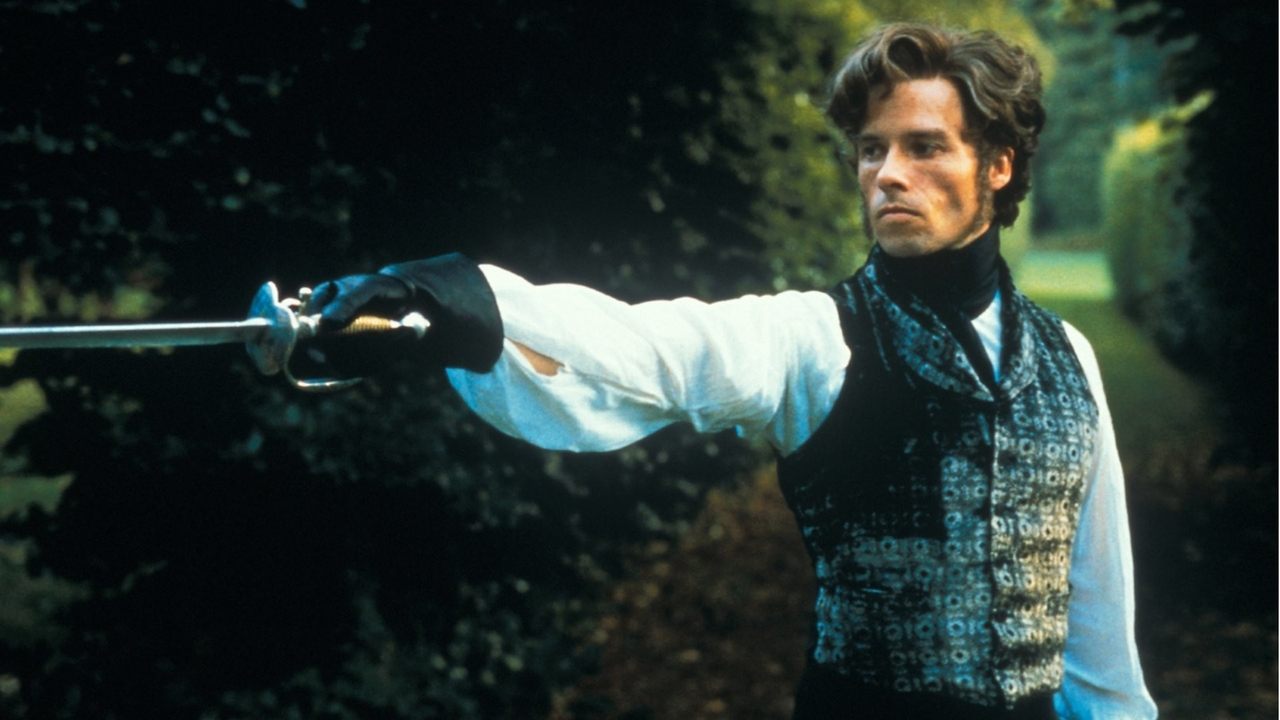
The action choreography deserves a shout-out for its clarity. In a post-Matrix (1999) world, many films were trying to incorporate wire-fu where it didn't belong. Reynolds avoids this, opting for grounded, brutal fencing. The final duel between Jim Caviezel and Guy Pearce is a masterclass in narrative stakes. Every parry feels like an insult returned; every thrust is a decade of misery seeking an exit. Also, keep your eyes peeled for a very young, baby-faced Henry Cavill as Albert Mondego. Before he was the Man of Steel, he was the unsuspecting pawn in a game of 4D chess played by his "real" father.
Apparently, Jim Caviezel was so committed to the physicality of the role that he insisted on doing many of his own stunts, including the harrowing underwater escape sequence. It’s that level of commitment that keeps the film from feeling like a mere costume piece. It’s a movie about the cost of vengeance—the way it hollows you out until there’s nothing left but the mission.
This is the kind of mid-budget, high-concept adventure that Hollywood has largely forgotten how to make. It respects the intelligence of its audience while delivering the "Prepare for adventure" promise of its tagline. While purists might balk at the happy-ish ending that deviates from Dumas' more ambiguous conclusion, the sheer charisma of the cast and the "just right" pacing make it an essential watch for anyone who likes their revenge stories served with a side of historical opulence. It’s a film that understands that the only thing more satisfying than a well-placed sword thrust is a well-placed secret.
Keep Exploring...
-
United 93
2006
-

Robin Hood: Prince of Thieves
1991
-
Kingdom of Heaven
2005
-
Munich
2005
-
Undisputed II: Last Man Standing
2006
-
The Last Castle
2001
-
Infernal Affairs
2002
-
The Protector
2005
-

Star Trek VI: The Undiscovered Country
1991
-
Bound by Honor
1993
-
Red Cliff
2008
-
Crimson Tide
1995
-
Walking Tall
2004
-
Serenity
2005
-
Mesrine: Killer Instinct
2008
-
Mesrine: Public Enemy #1
2008
-
Cell 211
2009
-
Batman: Year One
2011
-
Risen
2016
-
Hotel Mumbai
2019