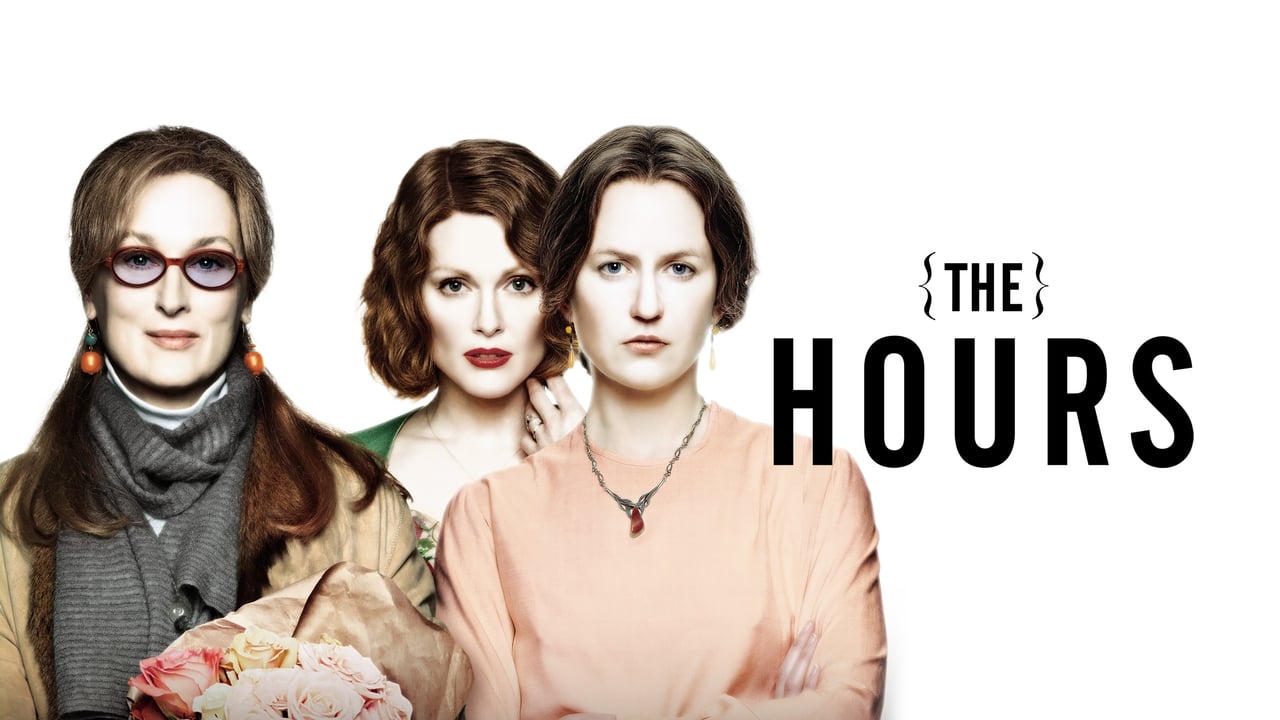
The Hours
"One day. Three lives. No way out."
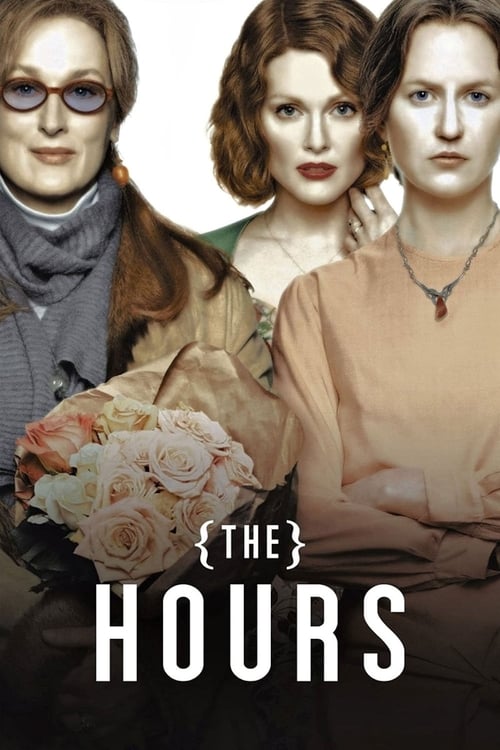
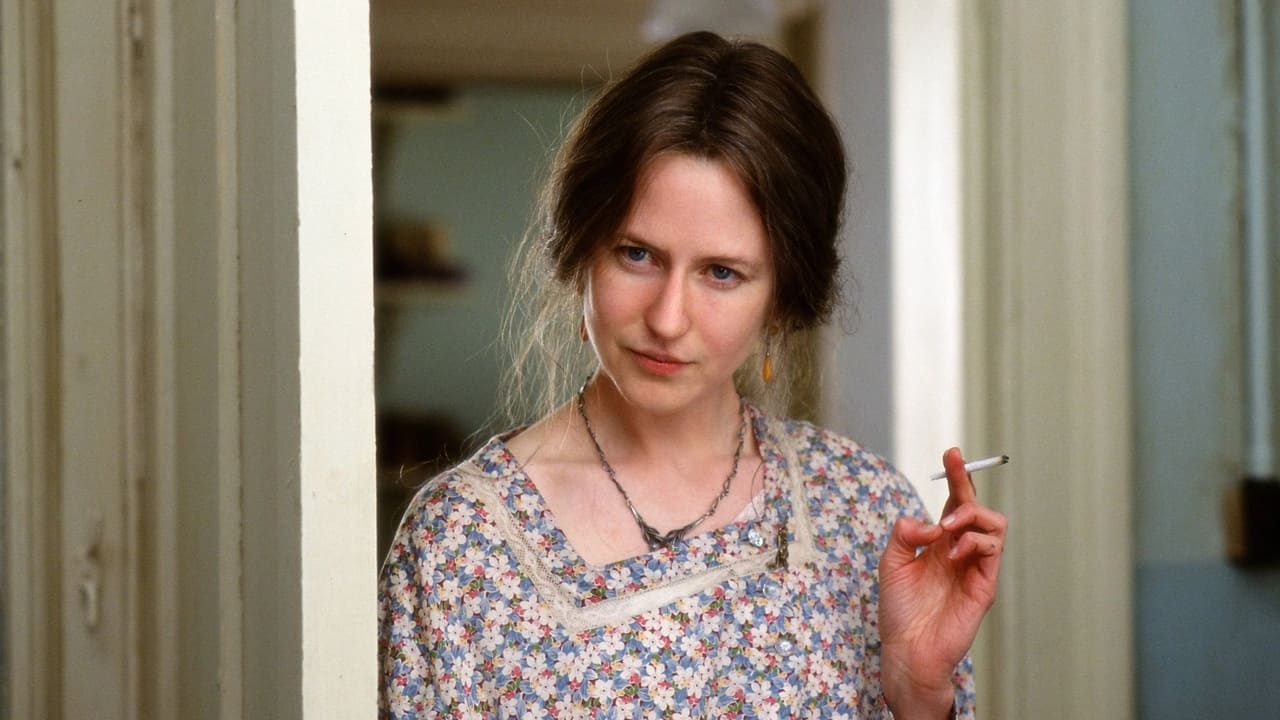
Nicole Kidman’s prosthetic nose had its own publicist in 2002. At least, it felt that way. Before the film even hit screens, that latex bridge was the center of a massive media cycle, signaling to the world that this was "Serious Acting" with a capital S. In the early 2000s, we were at the peak of the Miramax-driven prestige era, where a mid-budget drama could become a genuine cultural event. Looking back, The Hours managed a feat that seems impossible today: it took a dense, internal Pulitzer-winning novel about existential dread and suicide and turned it into a $108 million global box office smash.
I recently rewatched this on a rainy Tuesday while my neighbor was loudly assembling IKEA furniture through the shared wall; the rhythmic hammering synced up with the score so perfectly it felt like a hidden director’s cut. Even without the percussive assistance of a Swedish bookshelf, the film remains a staggering example of how to weave three disparate timelines into a single, breathless narrative.
Three Women, One Ghost
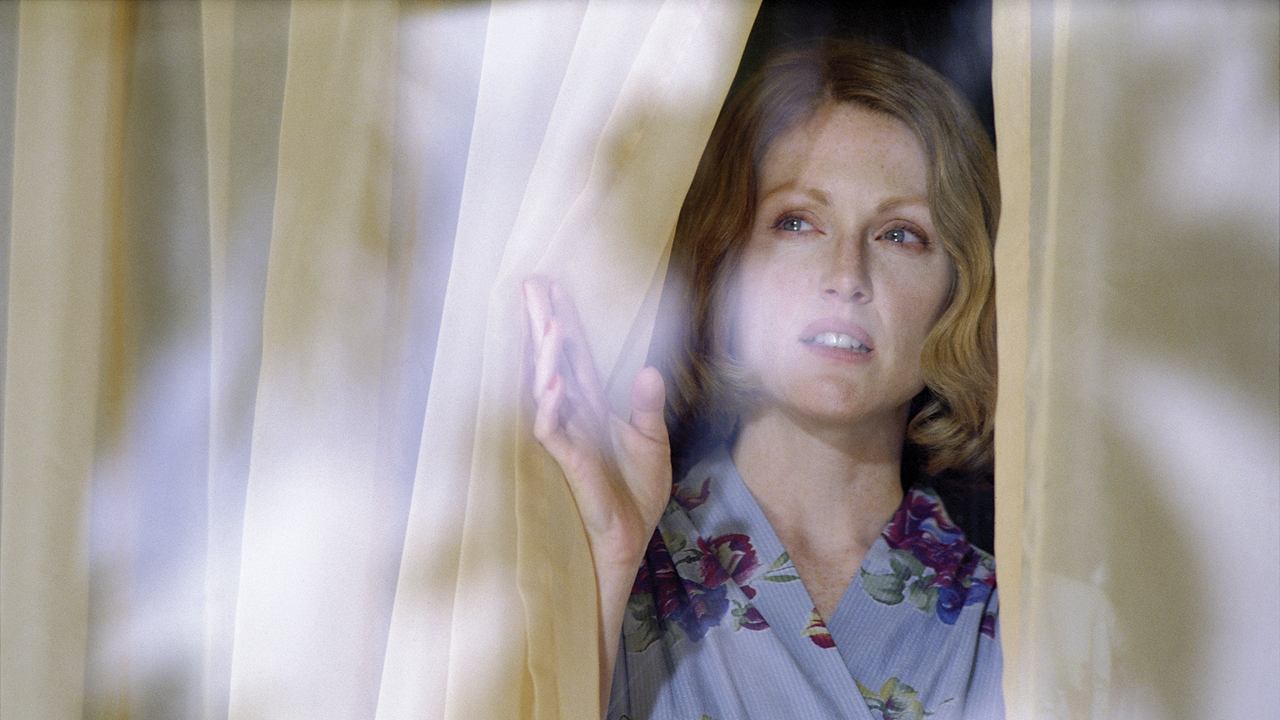
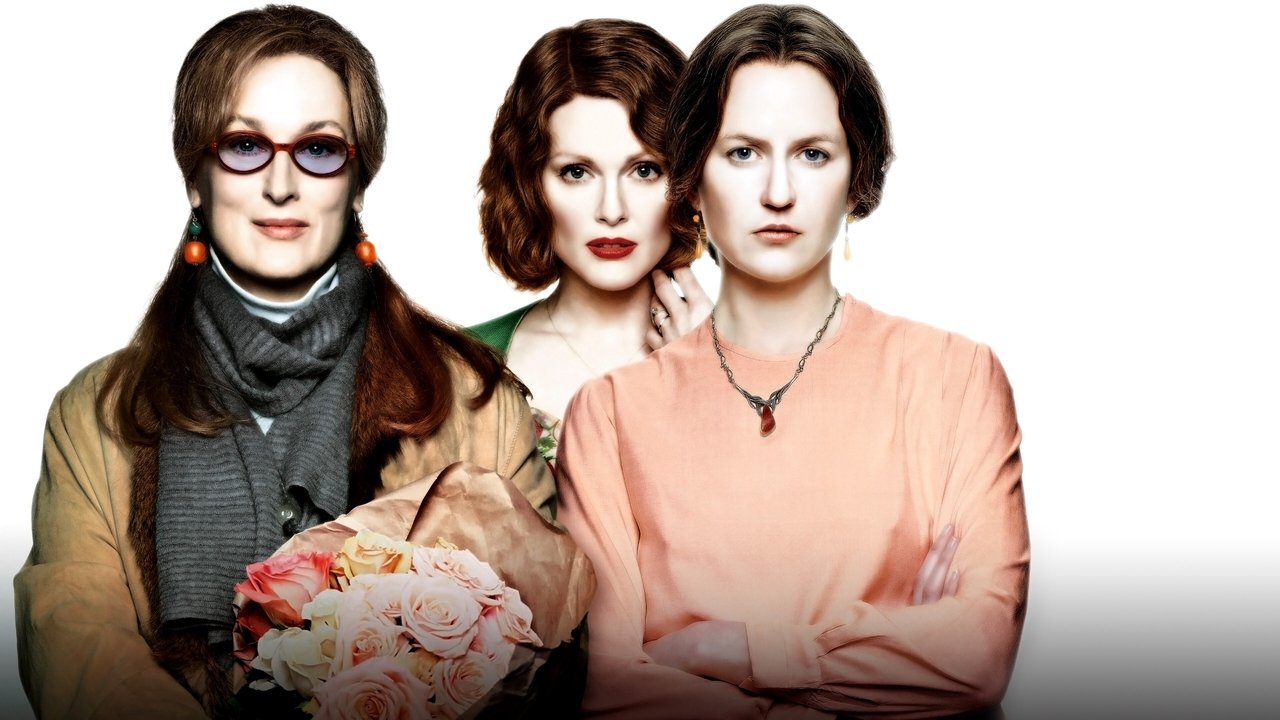
The film splits its soul between three eras. In 1923, Nicole Kidman plays Virginia Woolf as she struggles to write Mrs. Dalloway while her husband, played by the perpetually underrated Stephen Dillane, hovers with well-meaning but suffocating concern. In 1951, Julianne Moore is Laura Brown, a suburban housewife who is basically slow-motion screaming inside a Technicolor prison. Finally, in 2001, Meryl Streep is Clarissa Vaughan, a New York editor throwing a party for her dying friend, Richard (Ed Harris).
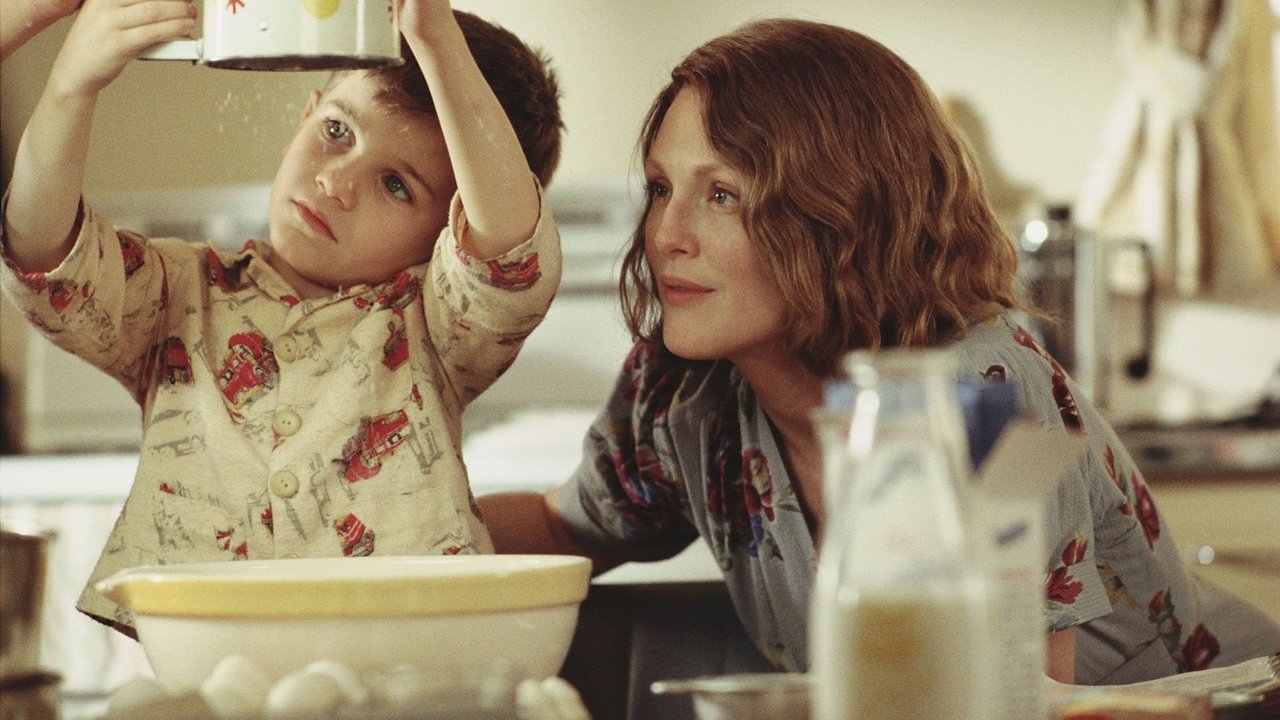
Director Stephen Daldry, coming off the massive success of Billy Elliot, does something brilliant with the editing. He doesn't just cut between time periods; he let them bleed into one another. A basin of water in 1923 becomes a flower vase in 2001. It creates this sense that these women are all breathing the same air, just decades apart. Julianne Moore is the MVP here for me. Her performance is so quiet, so brittle, that you feel like a loud cough might actually shatter her. Watching her bake a cake feels more high-stakes than most modern superhero climaxes because she makes domesticity look like a hostage situation.
The Blockbuster of the "Prestige" Era
It’s easy to forget how much of a juggernaut this movie was. With a modest $25 million budget, it pulled in over four times its cost at the box office. That’s a "blockbuster" result for a film where the biggest action sequence is a woman deciding whether or not to check into a hotel. This was the era of the DVD "Special Edition," and I remember the bonus features going into obsessive detail about Nicole Kidman’s transformation. Beyond the nose, she actually learned to write with her right hand to match Woolf’s penmanship, despite being a natural lefty.
The film also captures that specific, somber New York energy of the early 2000s. Released just over a year after 9/11, Meryl Streep’s segment feels heavy with a very contemporary kind of grief. The "Modern Cinema" era was transitioning from the irony of the 90s into a more earnest, sometimes gloomy exploration of mortality, and The Hours was the vanguard. It’s a movie that trusts the audience to handle ambiguity, which feels like a relic in our current age of over-explanation.
The Pulse of Philip Glass
We have to talk about the music. Philip Glass (who also scored Candyman and The Truman Show) provides a soundtrack that is essentially one long, looping heartbeat. Some people find his minimalist style annoying—it occasionally sounds like a typewriter having a panic attack—but I think it’s the glue that holds the movie together. Without that driving, repetitive piano, the jumps between 1923 and 2001 might have felt jarring. Instead, the music suggests that time isn't a line, but a circle.
The supporting cast is equally stacked. Miranda Richardson shows up for about ten minutes and nearly steals the movie from Kidman, and John C. Reilly plays the "oblivious husband" archetype with a heartbreaking lack of malice. It’s an ensemble that reminds you why we used to go to the movies just to see people talk in rooms. There’s no CGI, no green screen, just raw, messy human emotion captured on high-quality film stock before the digital revolution fully took over.
The Hours isn't exactly a "fun" watch, but it is an incredibly satisfying one. It’s a film that respects your intelligence and rewards your attention, proving that drama doesn't need to be loud to be powerful. Whether you’re here for the A-list power-trio of Moore, Streep, and Kidman, or you just want to see how a prosthetic nose won an Oscar, it’s a journey that lingers long after the credits roll. It’s a reminder that sometimes the most heroic thing a person can do is simply decide to keep living.
Keep Exploring...
-
The Reader
2008
-
Billy Elliot
2000
-
Moulin Rouge!
2001
-
Donnie Brasco
1997
-

The Man in the Iron Mask
1998
-
Big Daddy
1999
-
The Talented Mr. Ripley
1999
-
Chocolat
2000
-
Remember the Titans
2000
-

Traffic
2000
-
Save the Last Dance
2001
-
8 Mile
2002
-
About a Boy
2002
-

About Schmidt
2002
-
Chicago
2002
-
Panic Room
2002
-

Cheaper by the Dozen
2003
-
Mystic River
2003
-
Closer
2004
-
Mean Girls
2004