The Lord of the Rings: The Two Towers
"A soggy, mud-caked triumph that proved digital magic could have a soul."
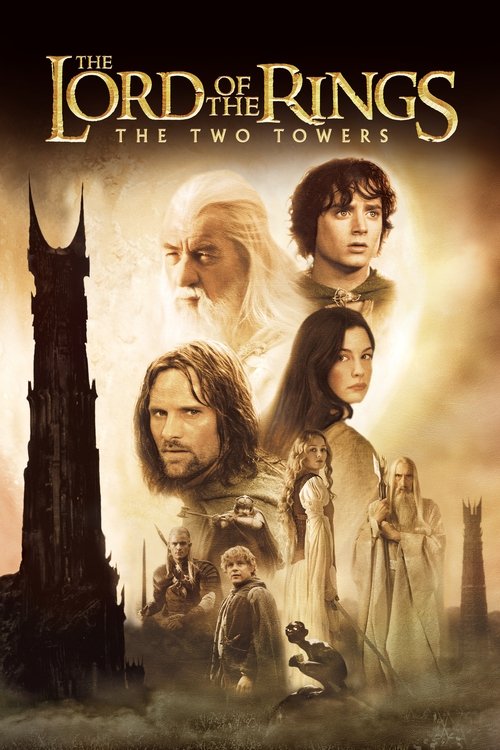
I remember sitting in a theater in December 2002, wearing a wool sweater that was about two sizes too small. The wool was digging into my armpits the entire time, and honestly, that low-grade physical discomfort weirdly synchronized with the grit on screen. While The Fellowship of the Ring was all about the "long walk" and the wonder of discovery, The Two Towers is the moment where the mud gets under your fingernails and the stakes stop being theoretical. It’s a middle chapter that refuses to act like a bridge, functioning instead as the definitive blueprint for how to stage a fantasy war.
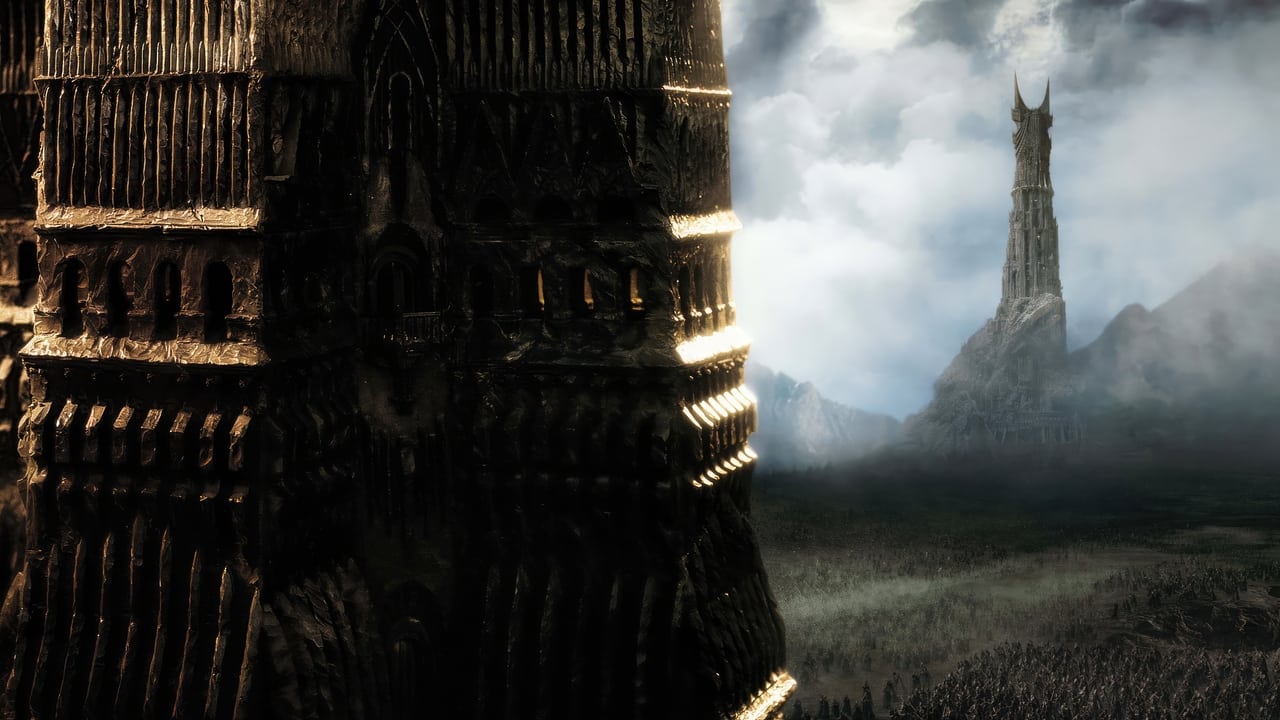
The Birth of the Digital Actor
Looking back, we really didn't know what we were in for with Gollum. Before this, "digital characters" usually meant Jar Jar Binks—bright, bouncy, and clearly not occupying the same physical space as the actors. But when Andy Serkis (whom I’m convinced should have a shelf full of Oscars for this) crawled onto that screen, the game changed. This wasn't just a tech demo; it was a performance.
The DVD culture of the early 2000s—specifically those massive four-disc Extended Edition box sets—was my film school. I spent hours watching the "Appendices" and learning how Weta Digital turned Serkis’s movements into the shivering, pathetic, yet dangerous creature we see. They called it "motion capture," but it felt like alchemy. To me, Gollum still holds up better than half the CGI monsters in today’s $200 million sequels because he has weight. When he coughs, his chest harrows out; when he cries, his eyes actually look wet. Gollum is the only time a computer-generated character has ever made me feel genuinely uncomfortable and pitying at the same time.
Bone-Crunching Action and Helm’s Deep
If you want to talk about action choreography, you have to talk about the Siege of Helm’s Deep. It’s a forty-minute masterclass in escalation. Peter Jackson (who previously gave us the delightfully gross Dead Alive) brings a horror director's sensibility to the carnage. It’s not "clean" action. It’s wet, it’s dark, and you can practically smell the wet Orc hide.
What kills me about this sequence is the scale. They didn't just copy-paste a bunch of digital soldiers and call it a day. They built a massive section of the fortress at a scale that allowed Viggo Mortensen and John Rhys-Davies to actually stand on it. When the rain starts falling, it’s not just a filter—those actors are miserable, and you can see it in their eyes. There’s a specific bit of trivia I love: those thousands of Uruk-hai chanting before the wall? The sound team recorded a stadium full of cricket fans in New Zealand stamping their feet and shouting to get that rhythmic, terrifying boom. It’s that level of obsessive detail that makes the sequence feel like a historical documentary of a war that never happened.
A Fellowship Divided
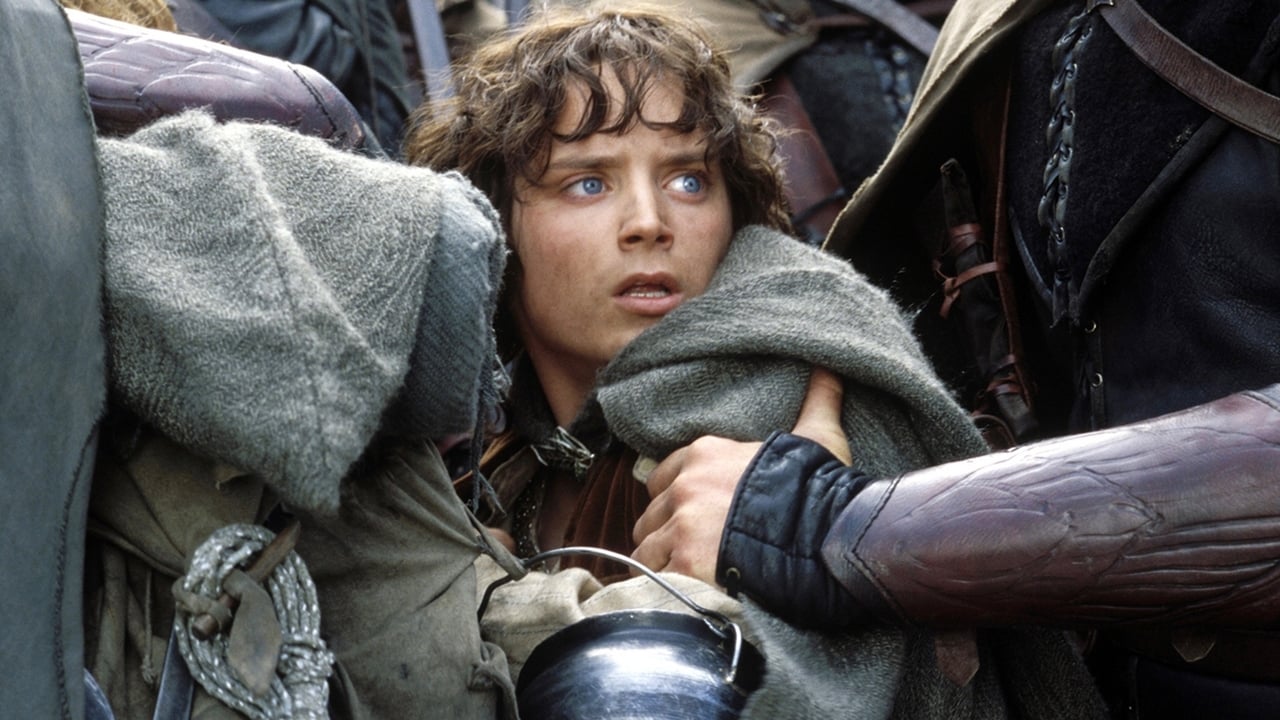
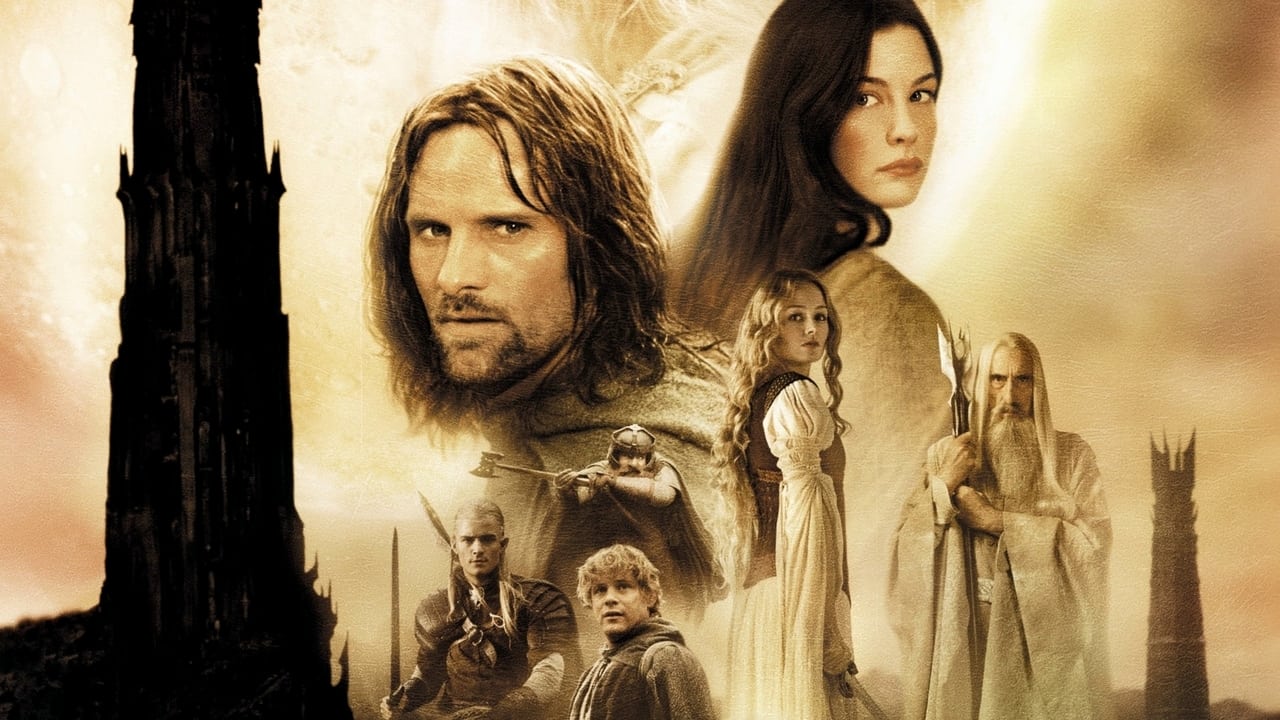
While the action is the engine, the performances are the oil. Viggo Mortensen’s Aragorn is arguably the peak of the "reluctant hero" trope. Watching him track Merry (Dominic Monaghan) and Pippin (Billy Boyd) through the plains of Rohan, you believe every ounce of his exhaustion. Apparently, Viggo actually broke two toes kicking a helmet in that scene where he thinks the Hobbits are dead—that scream of anguish you hear is 100% genuine physical pain. Watching an actor break his foot for the sake of a take is the kind of commitment we rarely see in the era of green-screen warehouses.
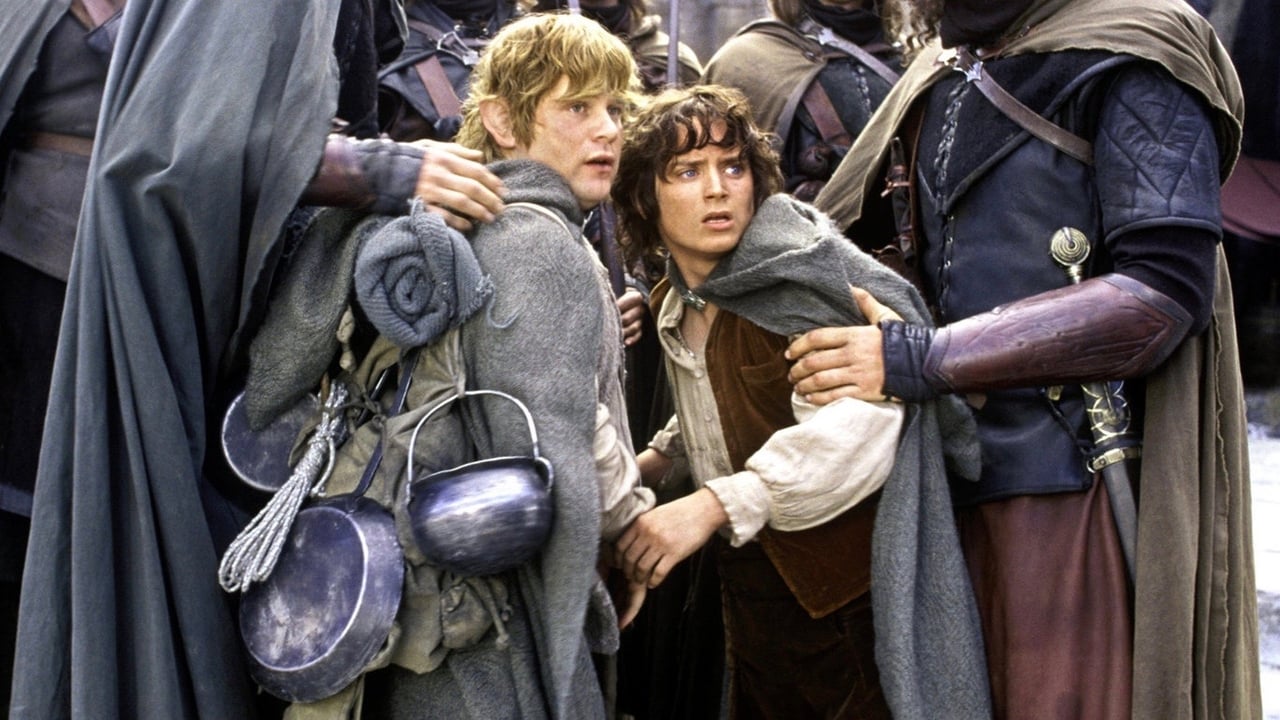
Then there’s the pairing of Elijah Wood and Sean Astin. In this film, the "adventure" part of the quest dies, replaced by a grueling trek through the Dead Marshes. Sean Astin as Samwise Gamgee becomes the emotional heart of the entire trilogy here. His "there's some good in this world" speech near the end feels like it was written specifically to heal a post-9/11 audience. It’s earnest in a way that modern movies are often too cynical to attempt.
The Cultural Juggernaut
Financially, The Two Towers was a monster, pulling in over $926 million worldwide on a budget that seems laughable today ($79 million!). It proved that the success of the first film wasn't a fluke. It turned New Zealand into a global tourism hub and made Peter Jackson the most powerful man in Hollywood for a decade. It also solidified the "December release" as the home for the epic blockbuster, a tradition that Avatar and the Star Wars sequels would later feast upon.
But beyond the box office, it’s the sound design and Howard Shore’s score that stay with you. The Rohan theme—with that lonely, soaring Hardanger fiddle—is enough to make me want to buy a horse and ride into a hopeless battle. It’s an auditory landscape that feels ancient.
The Final Stand
The film isn't perfect—the pacing in the middle with the Ents (the tree people) can feel a bit like watching... well, trees grow. I could have handled about ten minutes less of Treebeard’s slow-talking "Hoom-hom" routine. But even that contributes to the sense of a world that has its own rhythms, independent of the human characters' frantic needs.
The Two Towers manages to be both a sprawling epic and a dirty, intimate character study. It’s the rare blockbuster that respects its audience enough to be bleak, knowing that the eventual triumph will taste better for it. If you haven't revisited it lately, do yourself a favor: grab the biggest bowl of popcorn you can find, turn the lights off, and let the rain of Helm's Deep wash over you. Just maybe wear a sweater that actually fits.
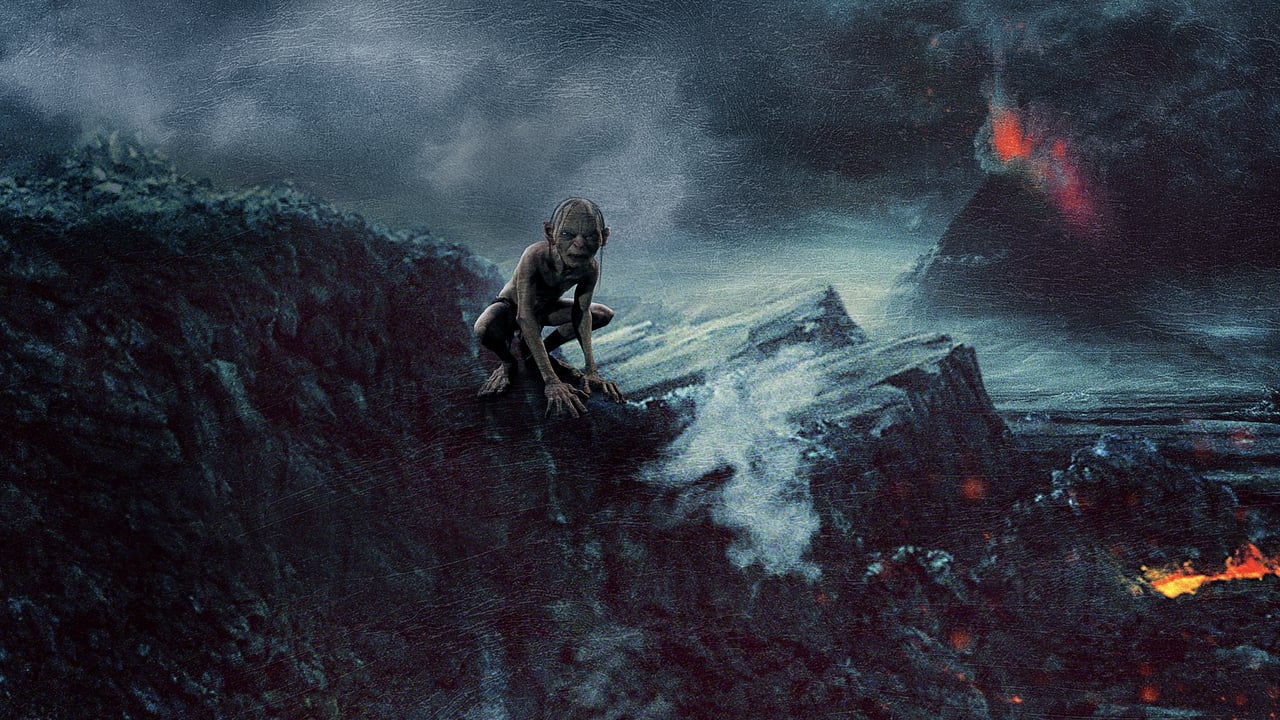
The film ends not with a resolution, but with a promise of a harder road ahead. As the camera pans over the mountains toward the smoldering glow of Mount Doom, you realize you aren't just watching a movie; you've been drafted into a journey. It’s a rare feat to make the middle of a story feel like the most important place in the world. This is cinema at its most ambitious and its most rewarding.
Keep Exploring...
-

The Lord of the Rings: The Return of the King
2003
-
The Lord of the Rings: The Fellowship of the Ring
2001
-

The Hobbit: The Desolation of Smaug
2013
-
The Hobbit: An Unexpected Journey
2012
-
The Hobbit: The Battle of the Five Armies
2014
-
Pirates of the Caribbean: The Curse of the Black Pearl
2003
-

King Kong
2005
-
Avatar
2009
-
How to Train Your Dragon 2
2014
-

Pirates of the Caribbean: Dead Man's Chest
2006
-
The Mummy
1999
-
Shrek
2001
-
The Incredibles
2004
-

Star Wars: Episode III - Revenge of the Sith
2005
-
Pirates of the Caribbean: At World's End
2007
-
Harry Potter and the Philosopher's Stone
2001
-
Harry Potter and the Chamber of Secrets
2002
-
Harry Potter and the Prisoner of Azkaban
2004
-
Harry Potter and the Goblet of Fire
2005
-
Casino Royale
2006