The Mothman Prophecies
"The more you look, the less you see."
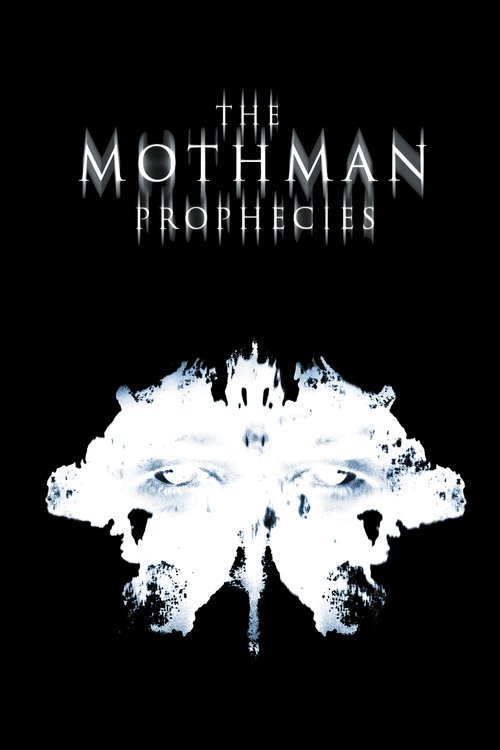
There is a specific kind of dread that only exists at 3:00 AM when the house is too quiet and the reflection in your window looks just a little bit too much like a stranger standing behind you. Most horror movies try to break that silence with a loud bang or a masked killer jumping out of a closet. But The Mothman Prophecies doesn't want to jump-scare you. It wants to sit next to you in the dark and whisper things that make you lose your mind.
I watched this recently on a Tuesday night while my neighbor was outside power-washing his driveway at an ungodly hour. The persistent, low-frequency hum of his machine actually blended perfectly into the movie’s soundscape, creating this accidental 4D experience of sheer, vibrating anxiety. It’s that kind of movie—it bleeds into your actual environment.
The Sound of the Unseen
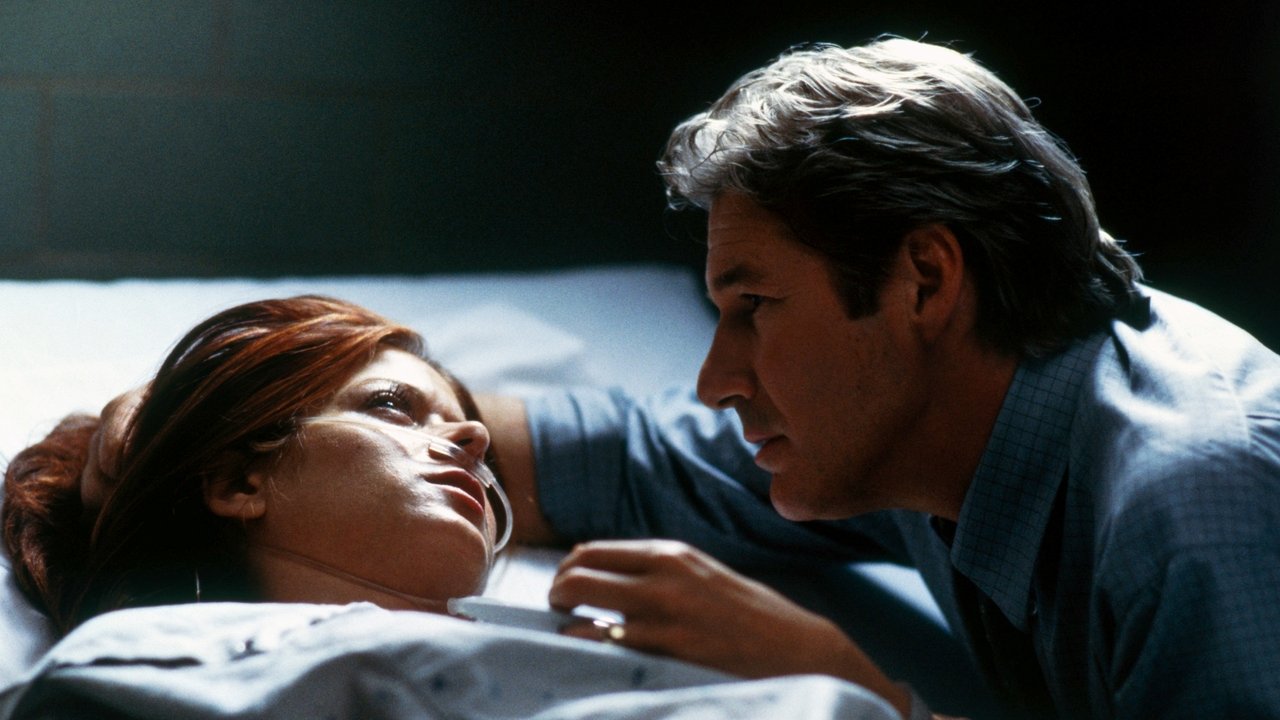
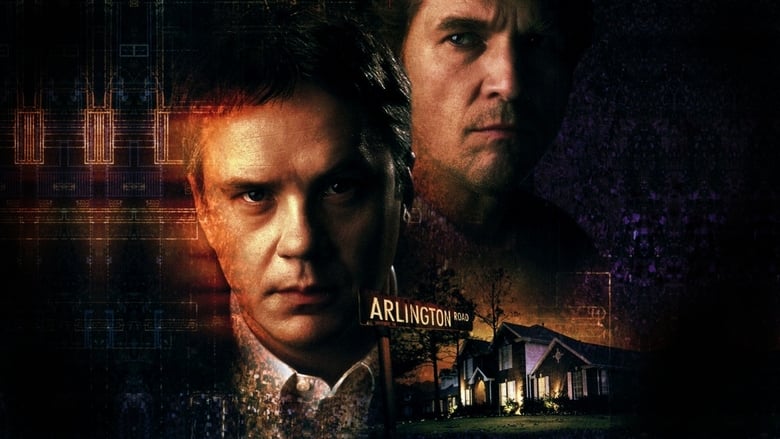
Directed by Mark Pellington, who previously gave us the equally paranoid Arlington Road, this film is a masterclass in making "nothing" feel like "everything." Based on the 1975 book by John Keel, the story follows Richard Gere as John Klein, a top-tier journalist who loses his wife (Debra Messing) to a bizarre brain tumor following a car accident where she claimed to see a "winged shape." Two years later, Klein finds himself inexplicably 400 miles away in Point Pleasant, West Virginia, with no memory of how he drove there in ninety minutes.
This was 2002, a time when horror was pivoting. We were moving away from the meta-slasher vibes of the 90s and toward the "cursed technology" of The Ring. But while The Ring focused on a girl in a well, The Mothman Prophecies focused on the idea that the universe is just fundamentally broken and we are too small to understand the instructions.
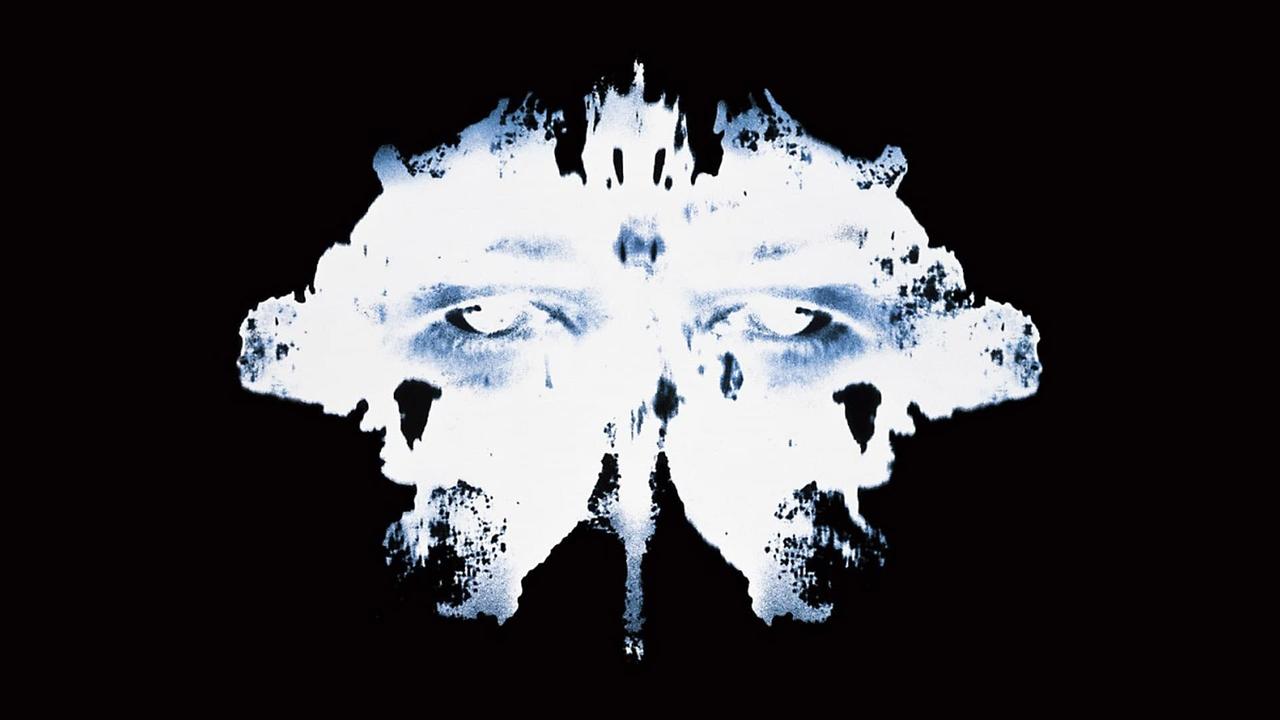
The "creature" here isn't a guy in a rubber suit. It’s a smudge on a photograph, a light in the sky, or a voice on the other end of a phone line that sounds like a swarm of bees trying to mimic human speech. The sound design by Tom Hajdu and the score are the real stars here. They use these low, guttural drones that trigger a physical "fight or flight" response. If you have a good sound system, this movie is basically a two-hour panic attack in 5.1 surround sound.
Grief and the Graying of Richard Gere
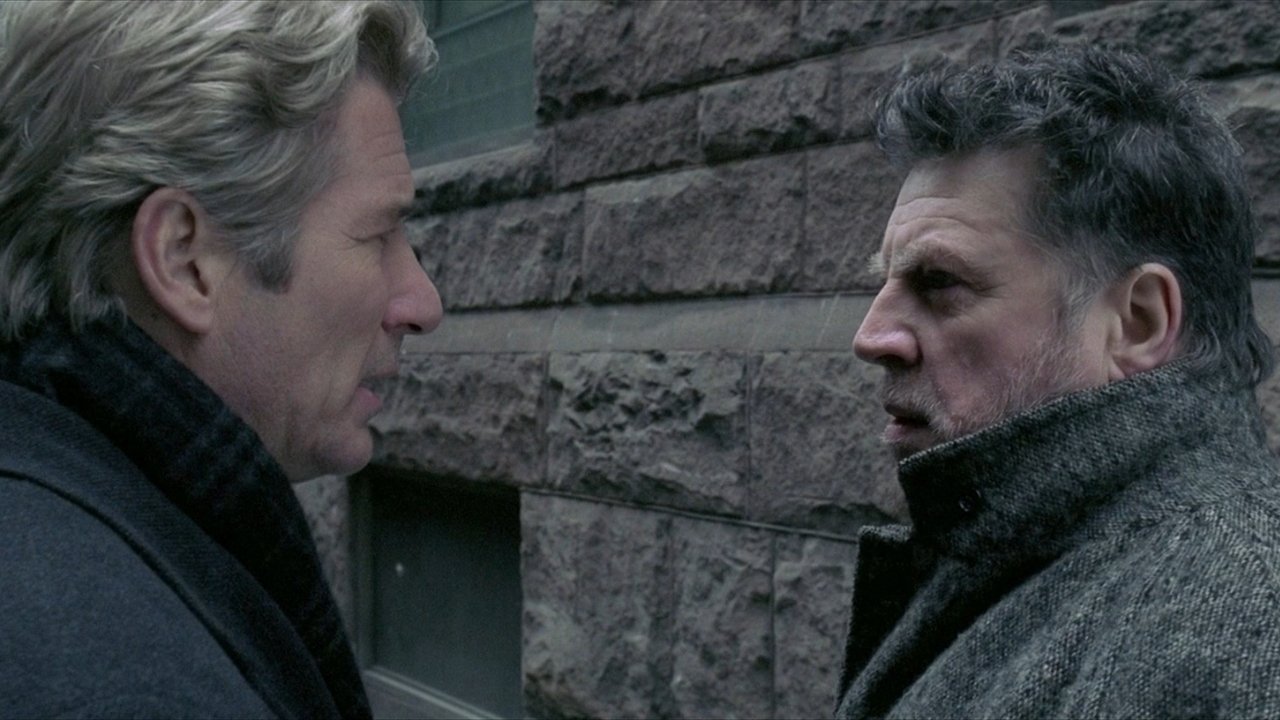
Richard Gere is an actor who often relies on his effortless charisma, but here, he lets that charisma curdle into obsession. He’s "Gere-ing" at a level 10—squinting at shadows, looking disheveled in a very expensive overcoat, and slowly losing his grip on the logic that defined his career. He’s joined by Laura Linney, playing Connie Mills, a local cop who serves as the audience’s tether to reality. Their chemistry isn't romantic; it’s two people trying to hold onto a life raft while the ocean turns into static.
However, the MVP is Will Patton as Gordon Smallwood. Will Patton has always been one of those "that guy" actors who elevates everything he touches, but his performance as a man being mentally dismantled by "the entities" is genuinely heartbreaking. There’s a scene where he describes how the Mothman told him the exact number of people who would die in a plane crash, and the sheer, exhausted terror in his eyes is worth the price of admission alone. He doesn't look like a guy in a horror movie; he looks like a guy who hasn't slept in three weeks because he’s afraid the sky is going to fall.
Why It Slips Through the Cracks
Why don't we talk about this movie more? It made a decent profit back in the day, but it’s largely been swallowed by the shadow of the MCU and the "Elevated Horror" boom of the 2010s. I think it’s because The Mothman Prophecies is fundamentally unsatisfying in a way that’s intentional but difficult for general audiences. It doesn't give you a monster to shoot. It doesn't give you a clear "win."
Looking back, the film captures a very specific post-9/11 anxiety—the feeling that the world is governed by forces we can’t see, and that tragedy is often preceded by omens we only recognize once it’s too late. The climax on the Silver Bridge is a staggering piece of filmmaking, utilizing practical effects and scale models that feel much more "real" and weighted than the CGI-heavy disasters we see today. It’s a sequence that stays with you, especially when you realize it’s based on a real-life catastrophe.
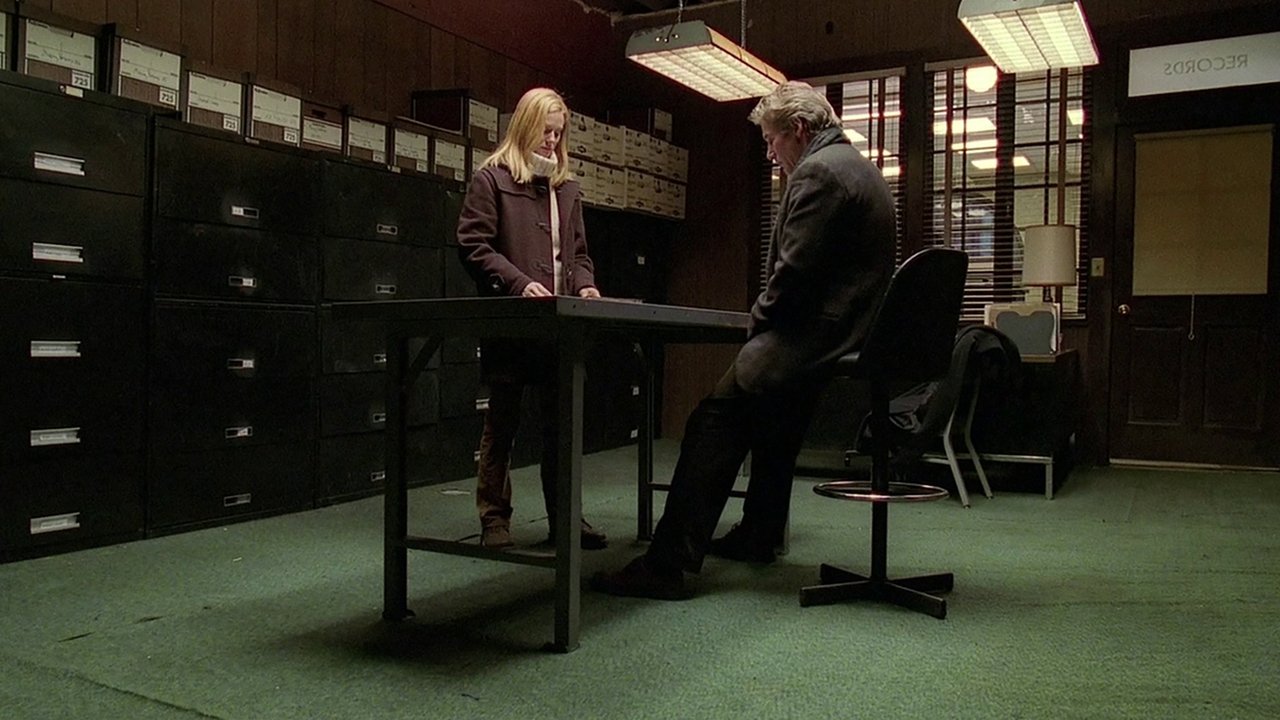
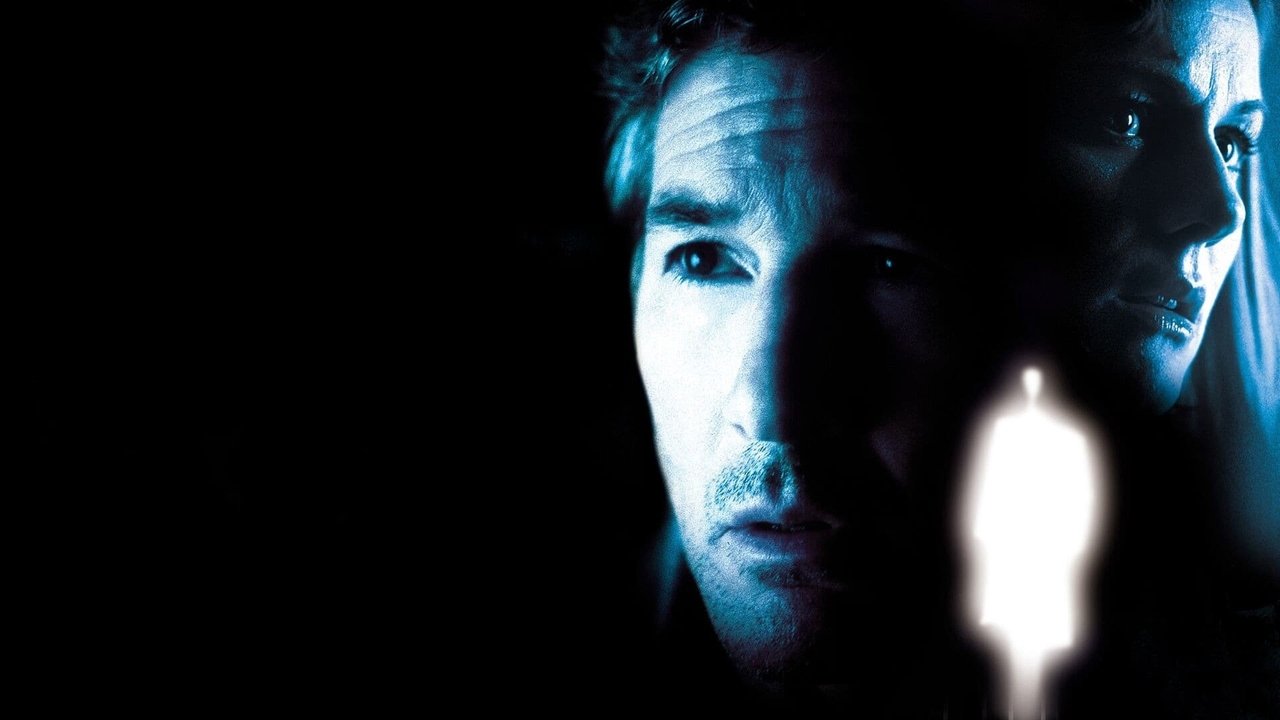
It’s a "Modern Cinema" relic that feels older than it is, perhaps because it eschews the bright, digital sheen of the era for Fred Murphy’s cinematography, which is full of sickly greens, deep reds, and shadows that seem to swallow the actors whole. It’s a movie that demands you pay attention to the corners of the frame.
If you’re looking for a film that provides easy answers or a cathartic ending, this isn't it. But if you want something that will make you look twice at the shadow your coat makes on the wall tonight, The Mothman Prophecies is a hidden gem waiting to be rediscovered. It’s a moody, atmospheric trip into the "What If?" of the supernatural that prioritizes feeling over explanation. Just maybe don't answer the phone for an hour or two after the credits roll.
Keep Exploring...
-
Arlington Road
1999
-

The Gift
2000
-
Inland Empire
2006
-
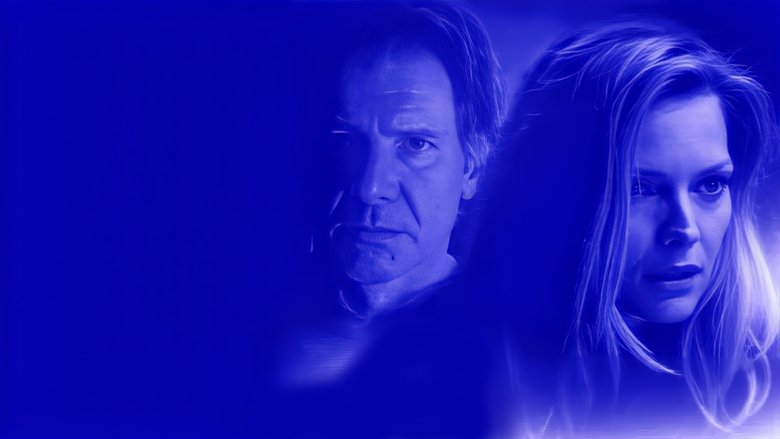
What Lies Beneath
2000
-
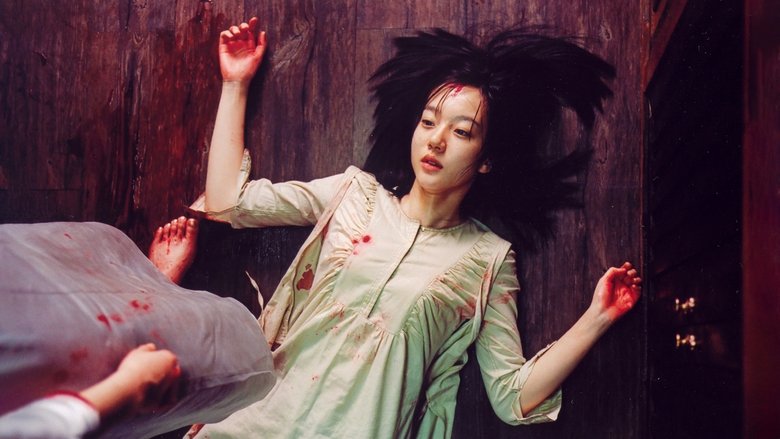
A Tale of Two Sisters
2003
-
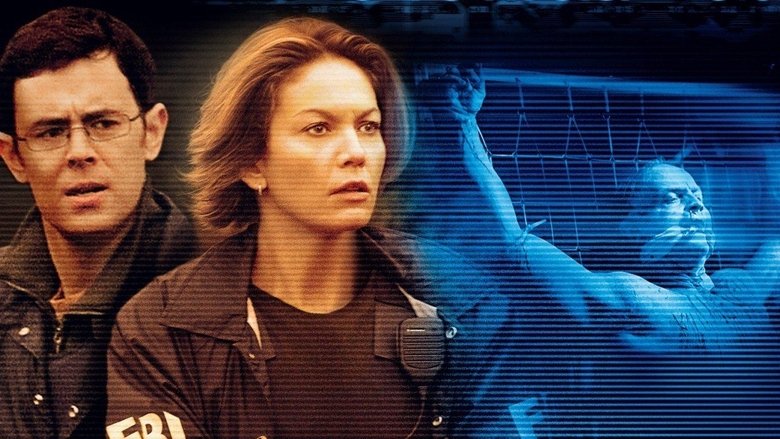
Untraceable
2008
-
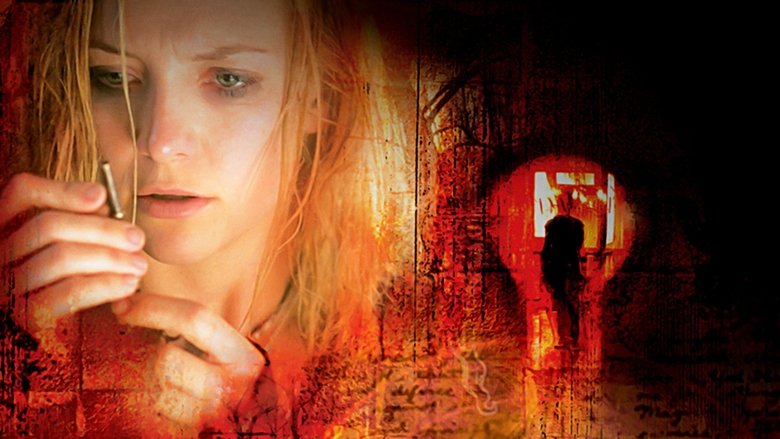
The Skeleton Key
2005
-
Session 9
2001
-
Amistad
1997
-
Breakdown
1997
-
Kiss the Girls
1997
-
Wild Things
1998
-

Stir of Echoes
1999
-
Gosford Park
2001
-
Joy Ride
2001
-
Original Sin
2001
-
The Pledge
2001
-
Solaris
2002
-
The Forgotten
2004
-
Broken Flowers
2005