The Pianist
"In the silence of ruins, music remains."
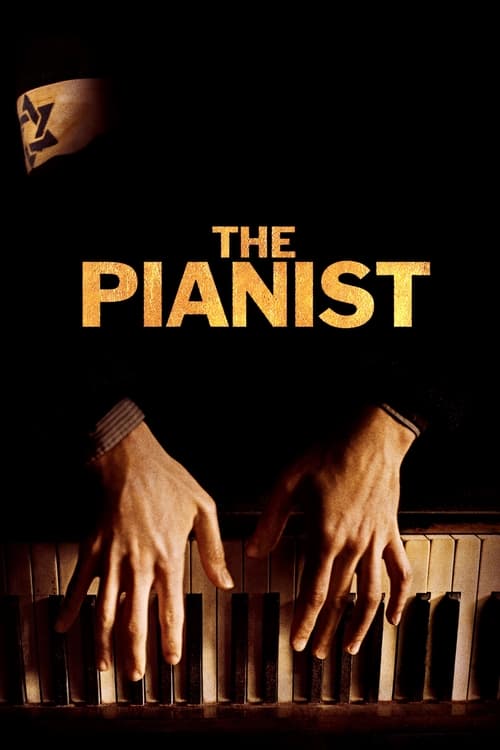
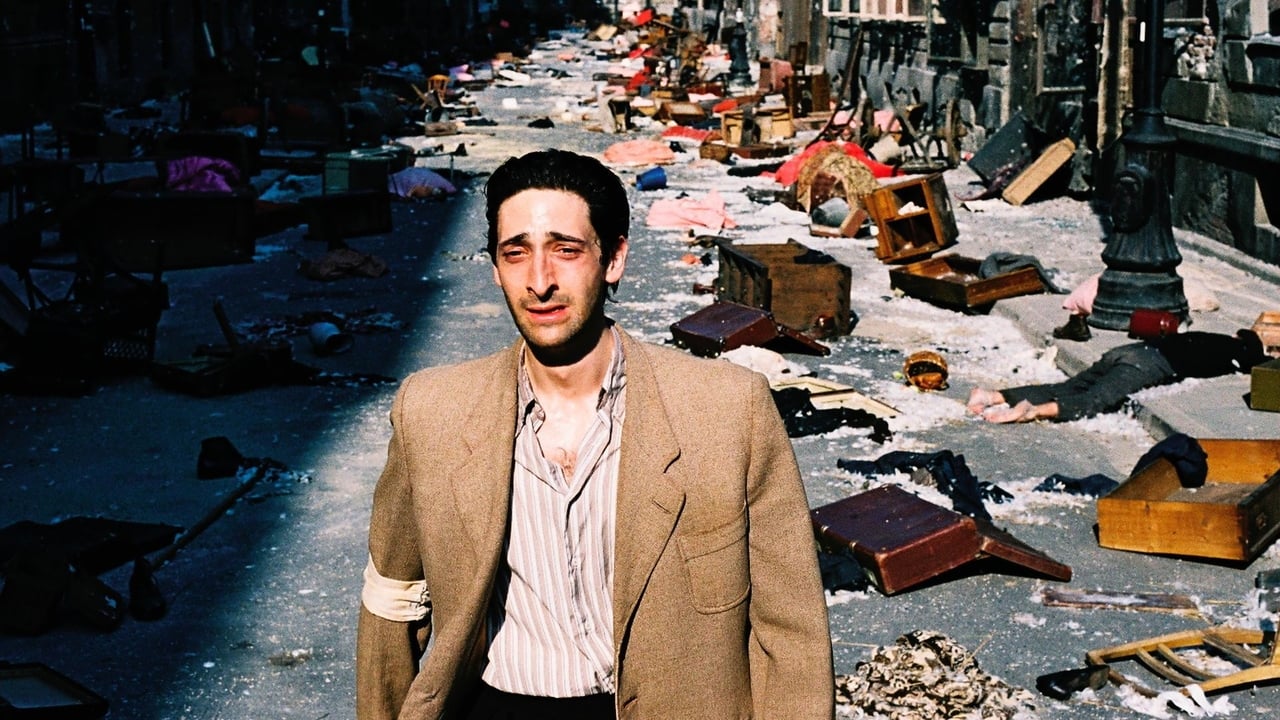
I first watched The Pianist on a laptop with a dying battery while huddled under three blankets because my furnace had given up in the dead of a Midwestern February. There was something strangely appropriate about the shivering; as the screen showed Władysław Szpilman scrounging for a tin of pickles in a frozen, skeletal Warsaw, my own minor discomfort felt like a distant, ghostly echo of the film’s suffocating atmosphere. It’s a movie that doesn’t just ask for your attention—it drains your warmth.
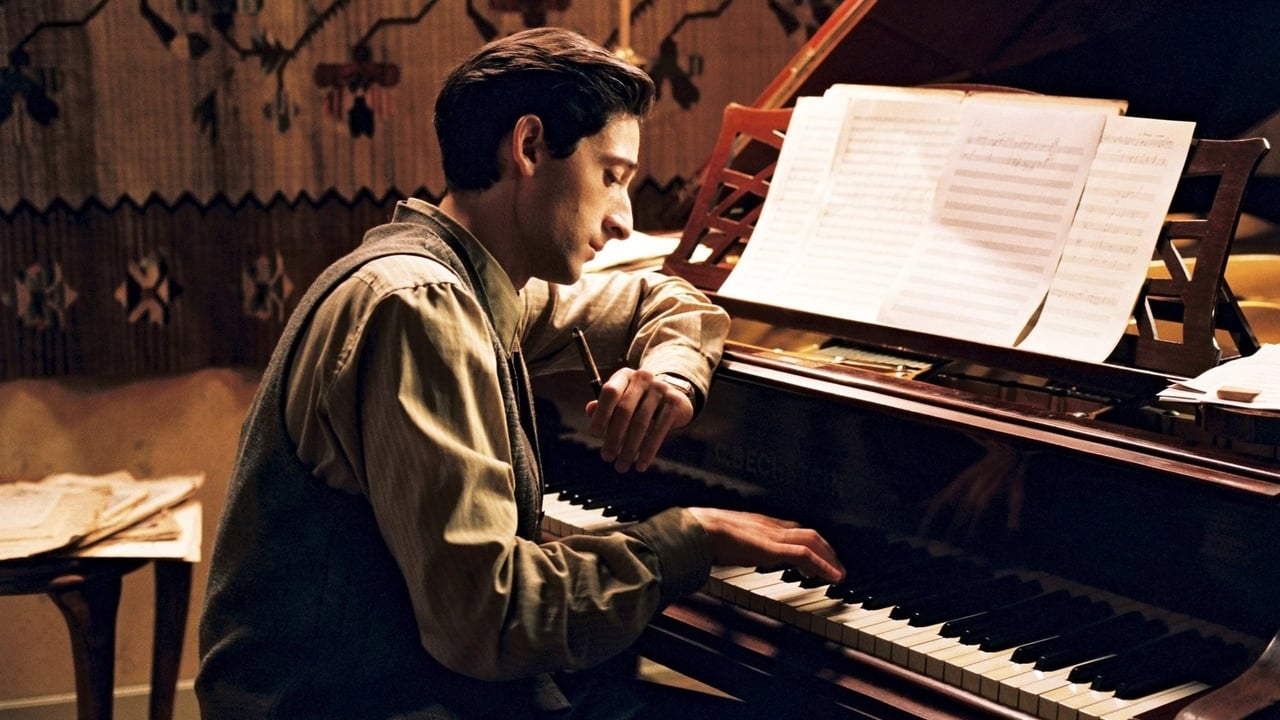
Released in 2002, The Pianist arrived at the height of the "Prestige Era," that window between the indie explosion of the 90s and the franchise takeover of the 2010s. This was when the "awards movie" still felt like a cultural event. While Hollywood was busy digitizing its spectacles with the early Star Wars prequels, Roman Polanski went in the opposite direction, utilizing hauntingly tactile production design and a devastatingly grounded performance from Adrien Brody to create something that felt painfully analog and permanent.
The Anatomy of a Survivor
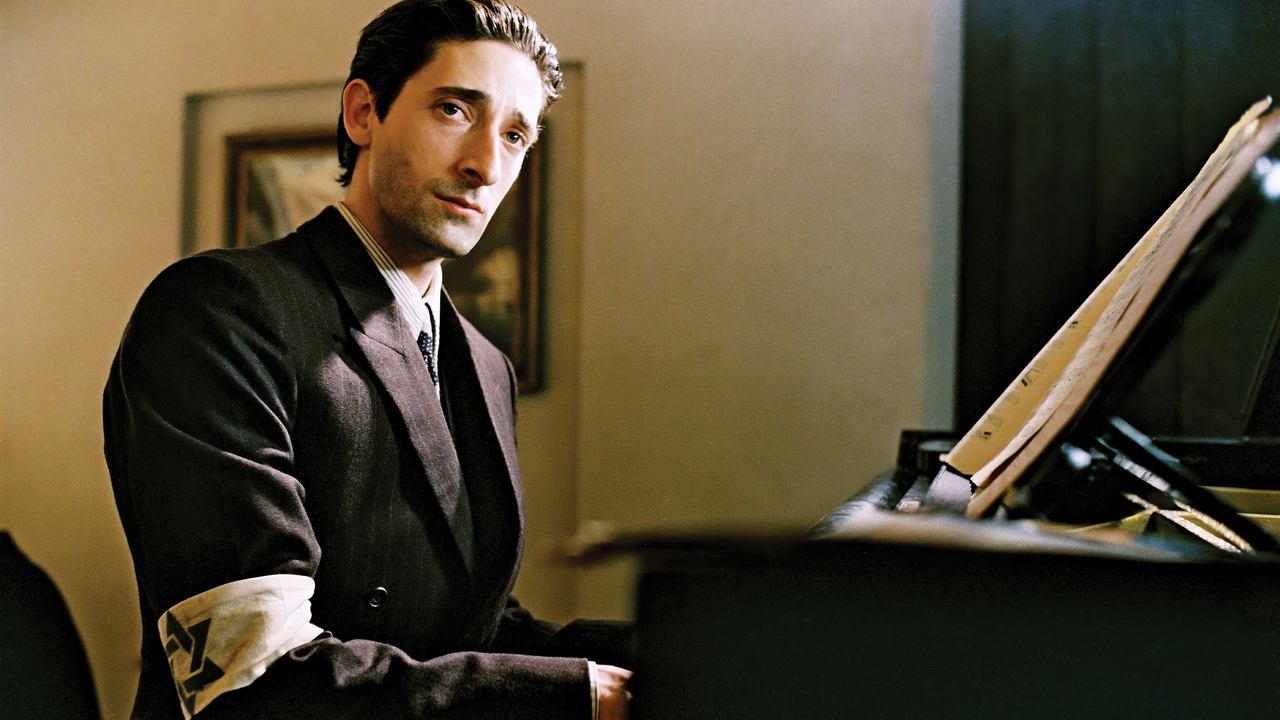
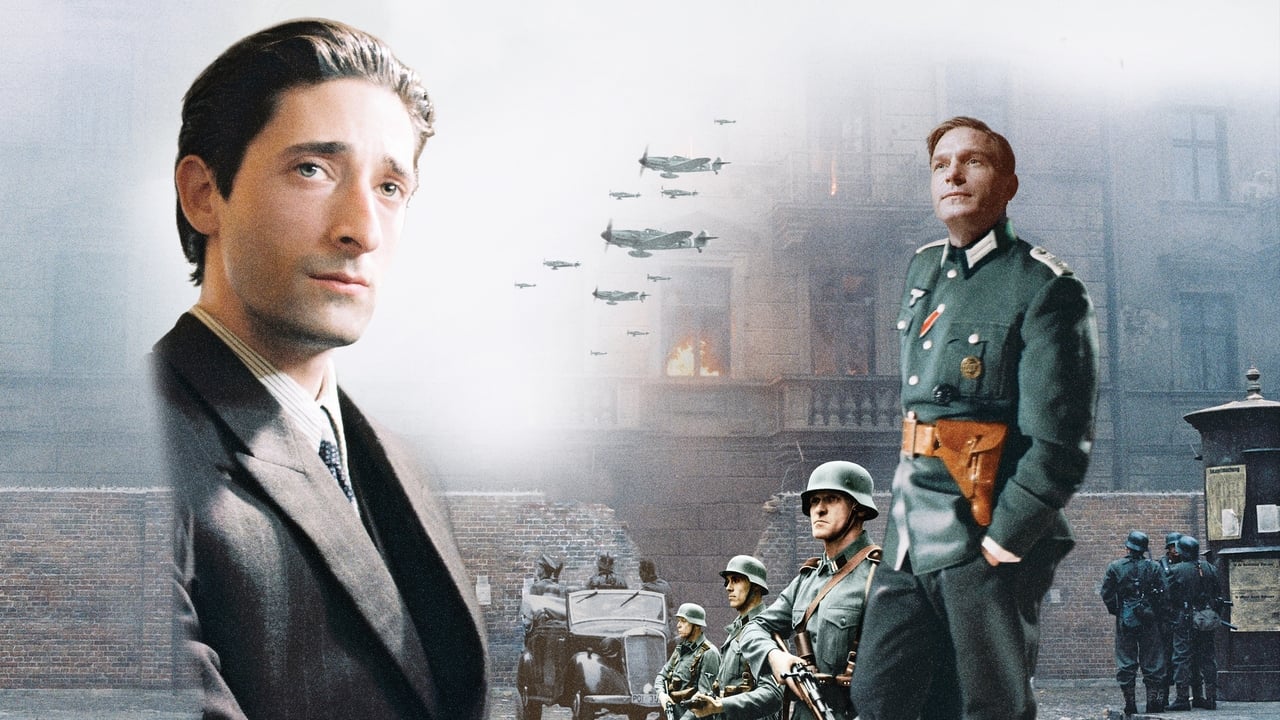
What struck me immediately upon this rewatch is how little Władysław Szpilman resembles a traditional "movie hero." Adrien Brody doesn’t play him as a symbol of resistance or a saintly martyr. He plays him as a man who is simply there. In the first act, we see the Szpilman family—including Frank Finlay as the dignified father and Maureen Lipman as the mother—navigating the creeping indignities of the Nazi occupation with a mix of disbelief and desperate normalcy.
Brody’s physical transformation remains one of the most committed feats of the early 2000s. Apparently, to prepare for the role of a man who loses everything, Brody didn't just diet; he gave up his apartment, sold his car, and disconnected his phones to experience the psychological weight of true isolation. He ended up losing 31 pounds, and you can see it in the way his skeletal frame begins to haunt the screen. The movie treats the act of opening a can of pickles with more unbearable tension than most modern heist films, because by that point, we are so invested in his basic caloric survival that every metal scrape feels like a gunshot.
A Director’s Exorcism
There is a coldness to the direction that I didn’t quite appreciate when I was younger. Roman Polanski famously turned down the chance to direct Schindler’s List because the subject matter was too close to his own trauma—he escaped the Krakow ghetto through a hole in a fence as a child after his mother was taken to Auschwitz. You can feel that lived-in, unsentimental perspective in every frame. There are no soaring strings to tell you when to cry; instead, the camera often remains stationary, watching horrors unfold from a distance, much like Szpilman watches the uprising from a window.
The cinematography by Paweł Edelman (who would become Polanski's long-term collaborator) captures a city being hollowed out. The transition from the vibrant, crowded cafes of the opening to the grey, moonscape ruins of the finale is a masterclass in visual storytelling. They shot most of the ruin sequences at an old Soviet military hospital and barracks in East Germany that were slated for demolition, which explains why the destruction feels so "heavy" compared to the weightless CGI cities we see today. It’s a film that understands that rubble should look like it actually weighs a ton and smells like dust and rot.
The Grace of the Score
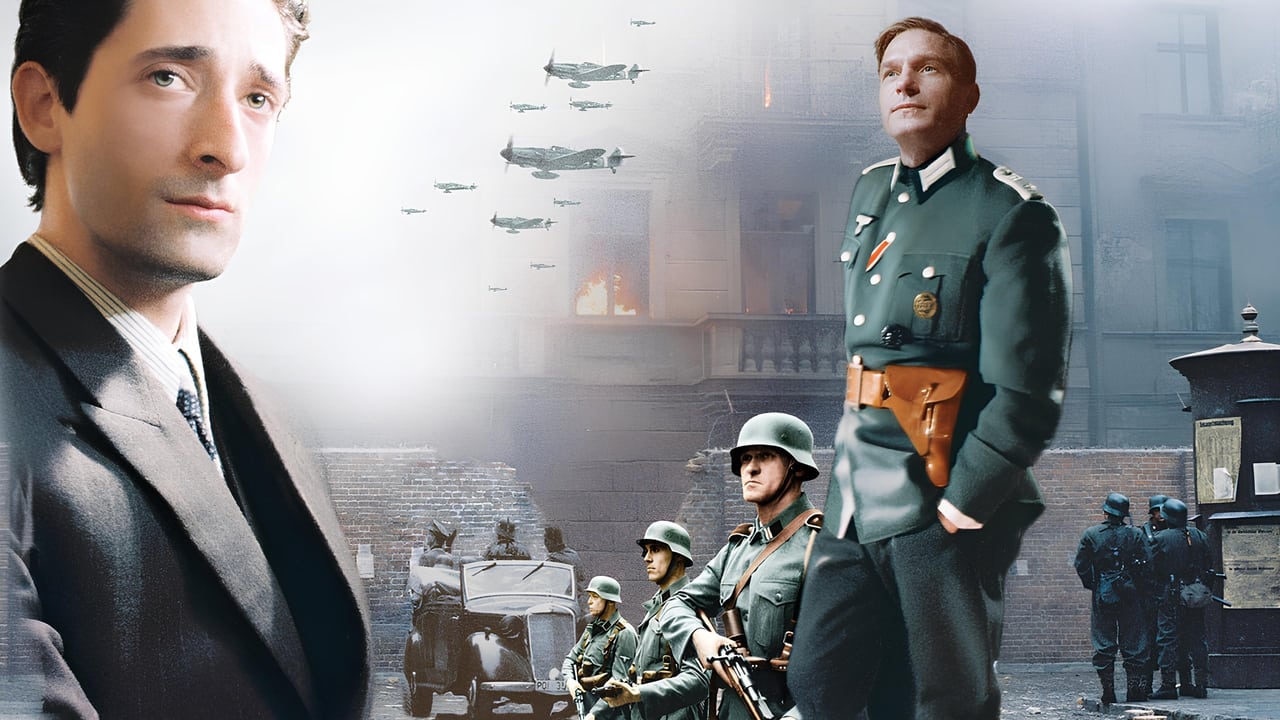
Despite the grimness, the film is anchored by the music of Frédéric Chopin and the somber, evocative score by Wojciech Kilar. The scene where Szpilman finally plays for the German officer, Thomas Kretschmann (as Captain Wilm Hosenfeld), is arguably the most powerful five minutes of cinema from the entire decade. It’s the moment where the "Pianist" finally returns to the "Man." Brody actually learned to play the pieces himself, practicing four hours a day to ensure the finger movements were authentic, and that dedication pays off in the sheer soul-aching clarity of that performance.
The film swept the 75th Academy Awards, taking home Best Director, Best Adapted Screenplay for Ronald Harwood, and making Adrien Brody the youngest person to ever win Best Actor—a record he still holds. Looking back, it’s easy to see why. In an era where we were beginning to lean into digital escapism, The Pianist stood as a reminder of what cinema can do when it stares directly into the sun without blinking.
The credits roll in silence, and you’re left with the image of a man who survived not because of grand bravery, but through a series of terrifying, random coincidences and the sliver of humanity found in a piece of music. It is a grueling watch, certainly, but one that rewards you with a profound sense of the resilience of the human spirit. I find myself thinking about Szpilman every time I hear a Chopin nocturne, and honestly, I don't think I'll ever look at a jar of pickles the same way again.
Keep Exploring...
-
Downfall
2004
-
The Boy in the Striped Pyjamas
2008
-
Saving Private Ryan
1998
-
Schindler's List
1993
-
Incendies
2010
-

The Imitation Game
2014
-

Braveheart
1995
-
Hotel Rwanda
2004
-
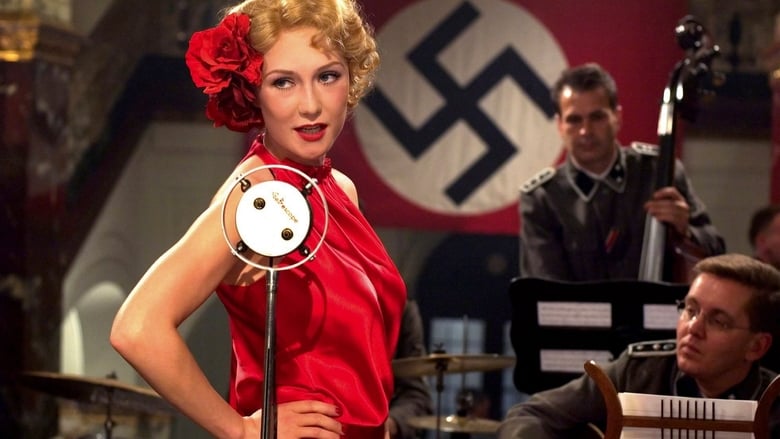
Black Book
2006
-
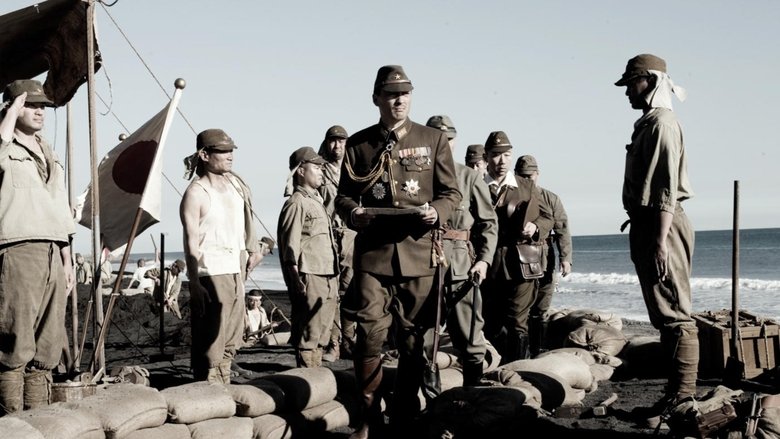
Letters from Iwo Jima
2006
-
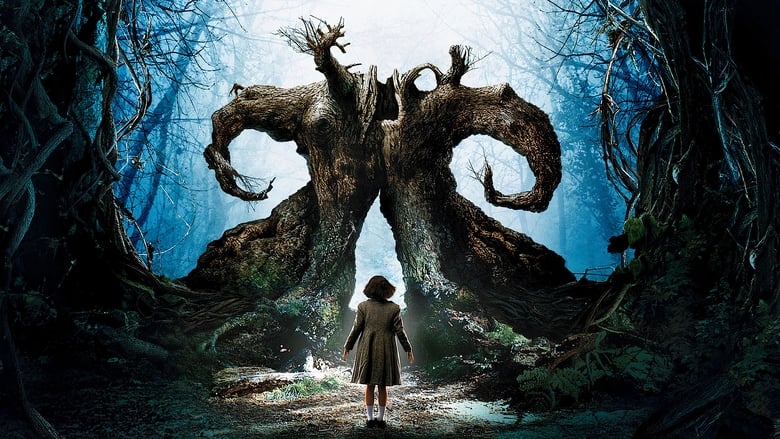
Pan's Labyrinth
2006
-
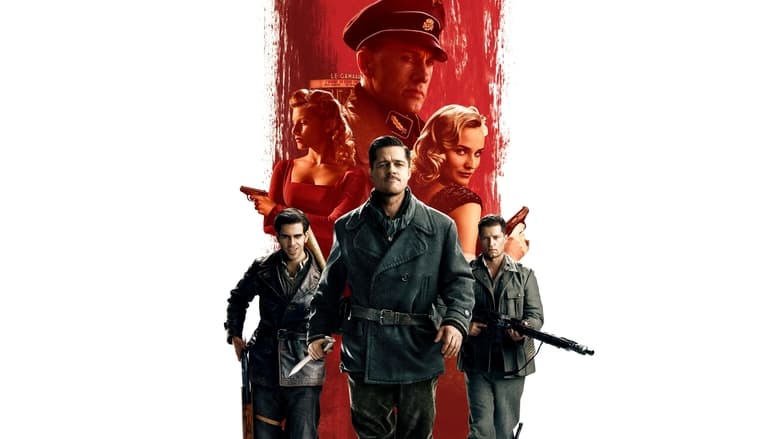
Inglourious Basterds
2009
-
The Thin Red Line
1998
-
Enemy at the Gates
2001
-
The Last Samurai
2003
-
Chinatown
1974
-
L.A. Confidential
1997
-
The Sixth Sense
1999
-
Mulholland Drive
2001
-

Legends of the Fall
1994