The Ring
"Your seven days are almost up."

The image of a grainy, black-and-white ladder leaning against a wall shouldn't be terrifying. Neither should a jar of flies or a woman brushing her hair in a mirror. But in 2002, Gore Verbinski (who later gave us the swashbuckling chaos of Pirates of the Caribbean) turned these mundane flickers of analog static into a death sentence. While the original Japanese film Ringu by Hideo Nakata relied on a slow-burn, existential dread, the American remake decided to drench everything in a sickly, pressurized Pacific Northwest gloom that hasn't lost an ounce of its chill.
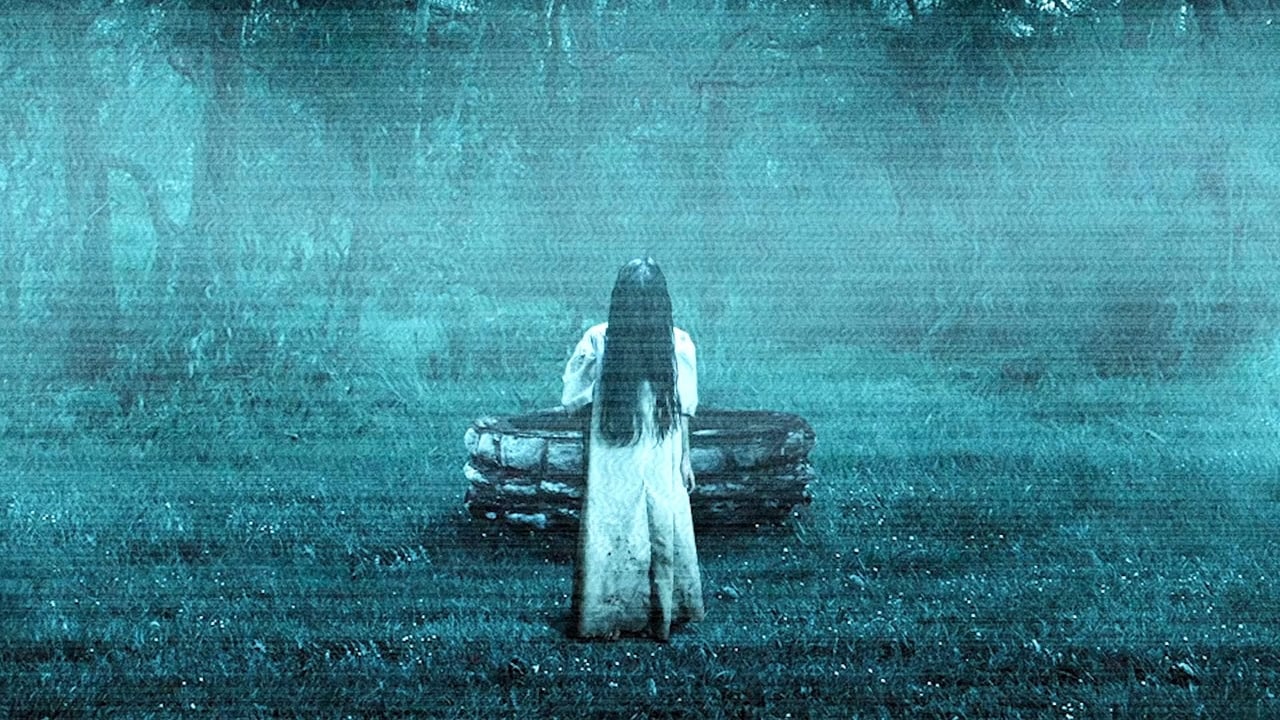
I recently rewatched this on a laptop with a screen so smudged I couldn't tell if Samara was crawling out of the well or if I just needed to buy some Windex, yet the movie still managed to raise the hair on my arms. It’s a film that captured a very specific moment in our technological history: the exact bridge between the clunky, physical era of VHS and the sleek, invisible dawn of the digital age.
The Blue-Hued Dread of the Pacific Northwest
What strikes me most about The Ring today isn't the jump scares—though the "closet girl" reveal still hits like a freight train—it’s the relentless atmosphere. Bojan Bazelli, the cinematographer, must have had a personal vendetta against the color red. The entire film is filtered through a cold, oceanic palette of slate blues, mossy greens, and overcast greys. It feels damp. You can almost smell the wet cedar and the stagnant well water coming off the screen.
Naomi Watts is the engine that makes this work. Fresh off her breakout in Mulholland Drive, she plays Rachel Keller not as a "scream queen," but as a tired, slightly cynical journalist. She’s someone who thinks she can solve a ghost story with logic and legwork. When she watches the cursed tape, the movie shifts from a mystery into a race against a clock that we, the audience, are also wearing. Watching her and Martin Henderson (as the tech-savvy ex, Noah) navigate the mystery feels grounded because they treat the supernatural like a puzzle to be dismantled.
Analog Ghosts in a Digital Shell
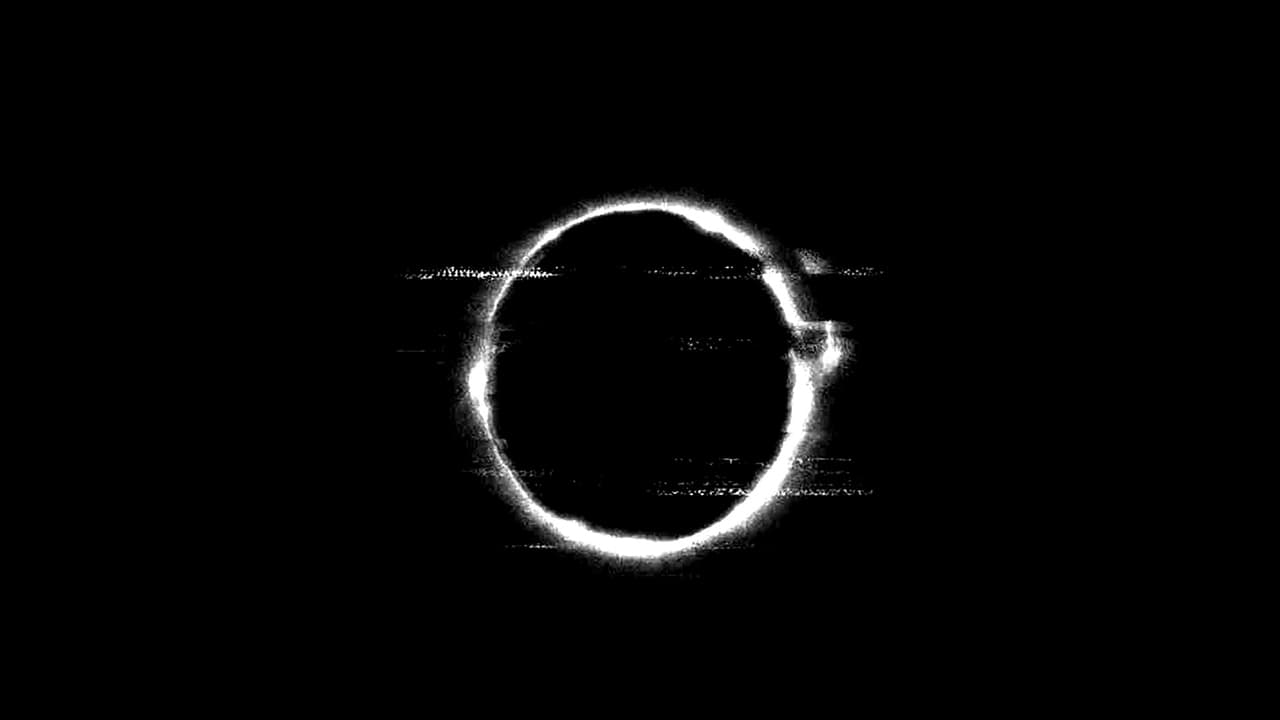
There is something inherently creepy about magnetic tape. It’s a physical medium that can be corrupted, overwritten, and degraded. The Ring is essentially a very high-stakes version of a chain email, but it uses the tactile nature of the VCR to make the curse feel "real." In 2002, we were all transitioning to DVD, and the VHS tape was becoming a relic. Gore Verbinski tapped into that "found footage" anxiety, making the cursed video look like a piece of experimental student film gone horribly wrong.
The production spared no expense in making that video iconic. It’s a masterclass in surrealist horror, featuring imagery that feels like it was plucked from a nightmare's subconscious. Interestingly, the film was a massive gamble for DreamWorks. With a $48 million budget—hefty for horror at the time—it went on to rake in nearly $250 million worldwide. It didn't just succeed; it launched a decade-long obsession with J-Horror remakes, for better or worse.
One of my favorite bits of trivia is that Daveigh Chase, the young actress who played the terrifying, hair-draped Samara, also voiced the lead character in Disney’s Lilo & Stitch that same year. Playing a murderous well-ghost and a heartwarming Hawaiian orphan simultaneously is the ultimate career flex. It’s hard to look at Stitch the same way once you realize he shares a voice box with the girl who crawls out of TVs.
A Legacy of Static and Wet Hair
Looking back, The Ring holds up better than most of its contemporaries because it relies on practical ingenuity and psychological pressure rather than early-2000s CGI. When Samara finally emerges from the television in the finale, the jerky, unnatural movement was achieved by filming Daveigh Chase walking backward and then playing the footage in reverse. It creates an "uncanny valley" effect that a digital render simply couldn't replicate. Even the legendary Rick Baker lent his creature-design talents to the film, ensuring that the victims' distorted, water-logged faces looked genuinely horrific rather than cartoonish.
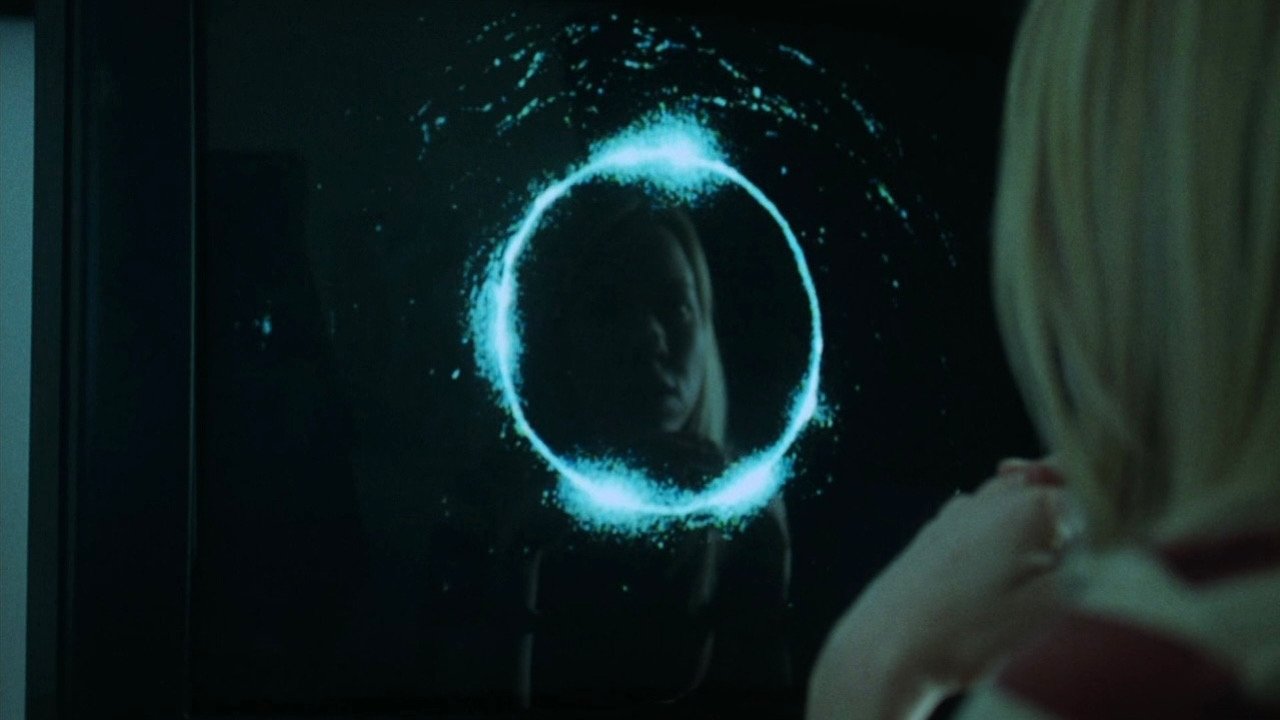
The film also captures a post-9/11 anxiety that was prevalent in early 2000s cinema—a feeling that the world is inherently broken, and that following the rules won't necessarily save you. Rachel does everything right, yet the resolution isn't a "win"; it’s a compromise. The "Ring" of the title refers to many things—the circle of light at the top of a well, the cyclical nature of the curse, and the literal ringing of a phone—but it mostly represents a trap with no exit.
The Ring remains the gold standard for the American J-Horror wave. It’s a beautifully shot, expertly paced thriller that understands that the most frightening things aren't always what’s in front of us, but the static-filled "nothing" that hides in between. It managed to make a generation of people afraid of their own televisions, and even in the age of 4K streaming, that grainy, blue-tinted dread still feels dangerously close. If your phone rings right after the credits roll, maybe just let it go to voicemail.
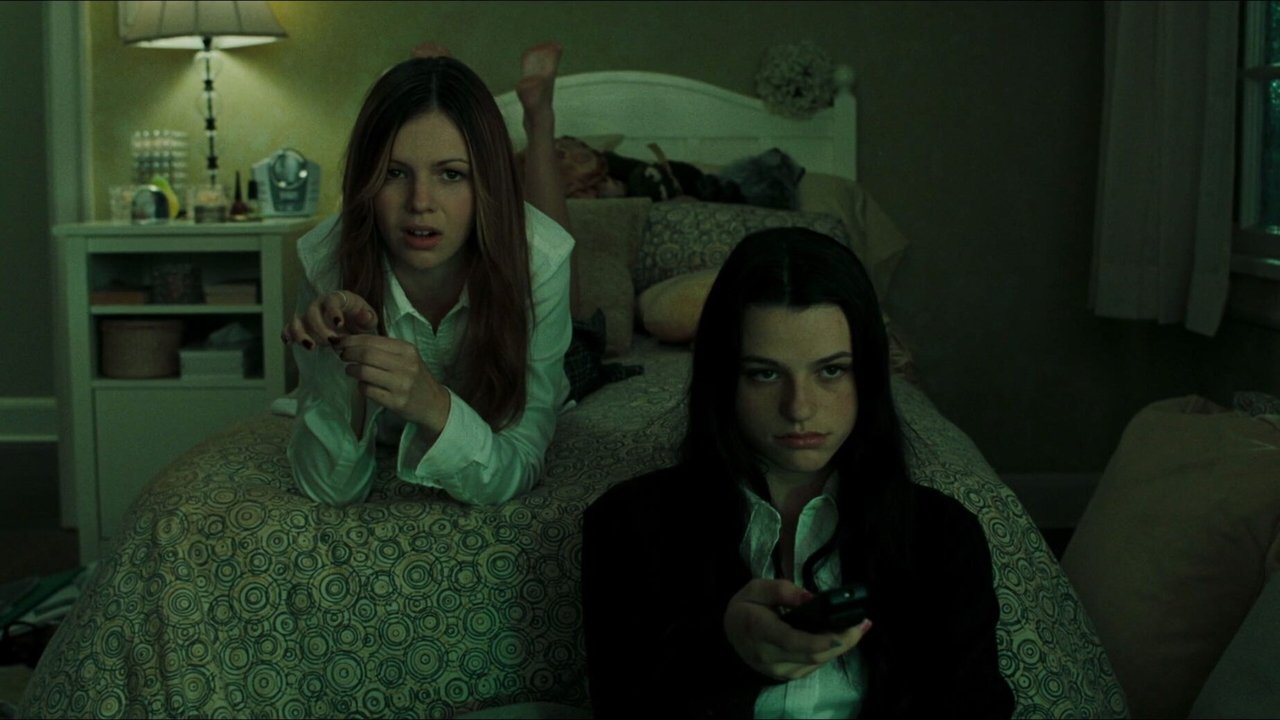
Keep Exploring...
-
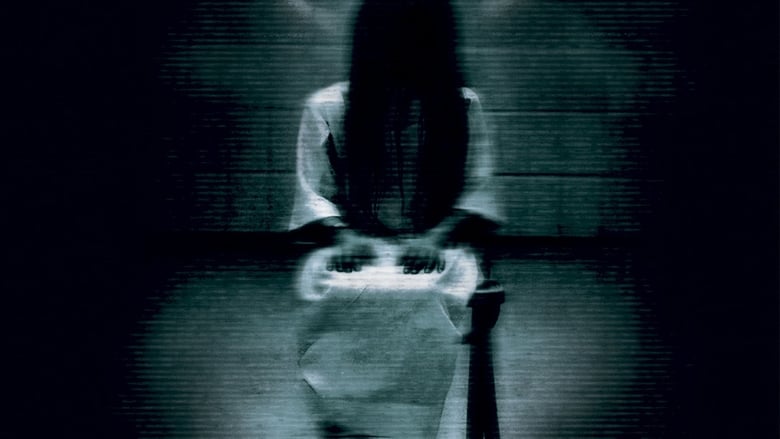
The Ring Two
2005
-
I Know What You Did Last Summer
1997
-

Scream 2
1997
-
Scream 3
2000
-
The Others
2001
-
The Grudge
2004
-
The Skeleton Key
2005
-
Final Destination 3
2006
-
1408
2007
-
The Blair Witch Project
1999
-
Saw
2004
-
Paranormal Activity
2007
-
MouseHunt
1997
-
Scream
1996
-
Final Destination 5
2011
-
Paranormal Activity 3
2011
-

Pirates of the Caribbean: Dead Man's Chest
2006
-
Pirates of the Caribbean: At World's End
2007
-

Stir of Echoes
1999
-
The Ninth Gate
1999