The Scorpion King
"Before he was a franchise savior, he was a desert legend."
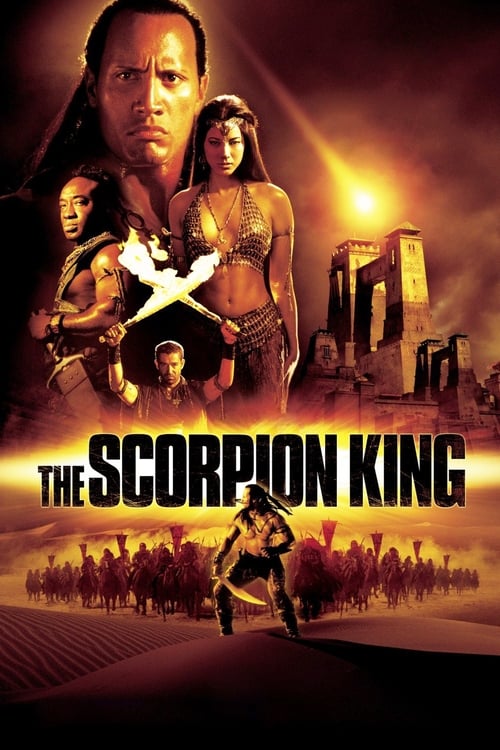
In 2002, the world was still recovering from the collective psychic trauma of seeing a half-human, half-arthropod Dwayne Johnson skittering out of a digital pyramid in The Mummy Returns. It was CGI so poorly rendered it looked like a PlayStation 1 character had wandered onto a movie set. Yet, somehow, from those murky 128-bit pixels, a movie star was born. The Scorpion King was the industry’s way of saying, "Sorry about the graphics—here is the real guy, and yes, he is mostly shirtless for 92 minutes."
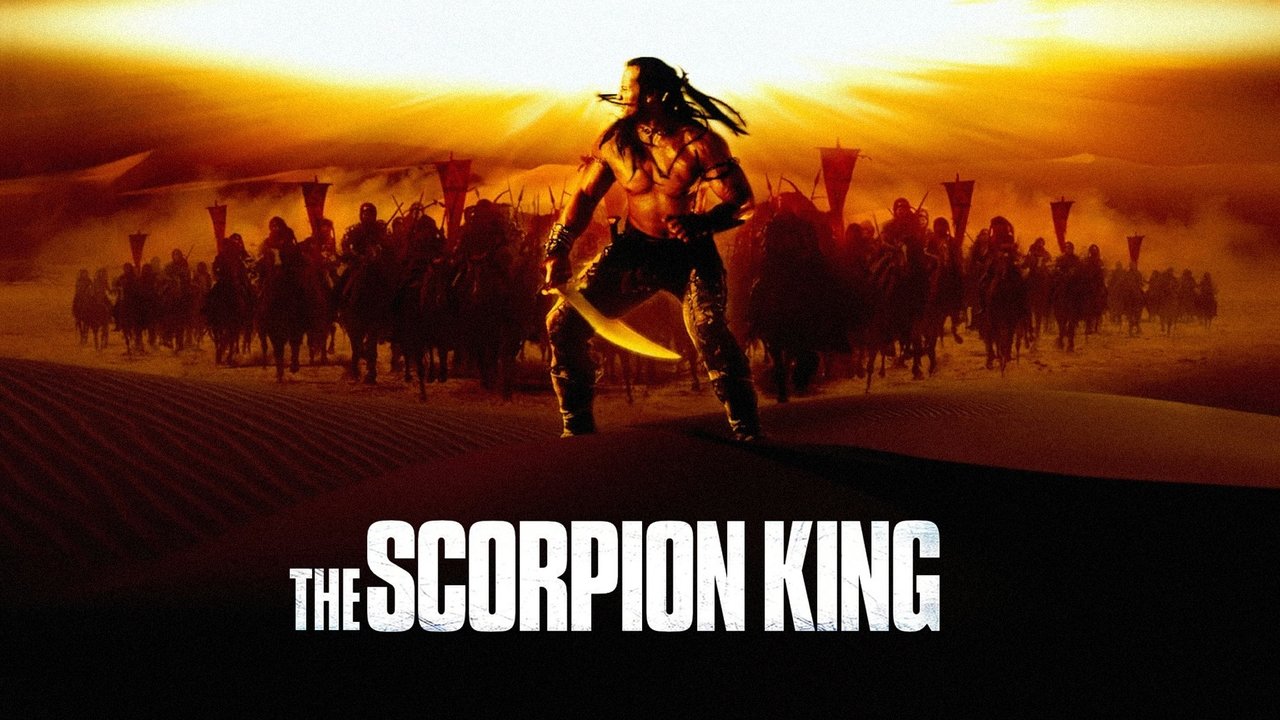
I recently rewatched this while eating a bag of slightly stale pretzels that I found in the back of my pantry, and honestly, the crunch of the pretzels matched the movie’s aesthetic perfectly. It’s dry, salty, and surprisingly satisfying if you don’t overthink the nutritional value.
The Birth of the People’s Leading Man
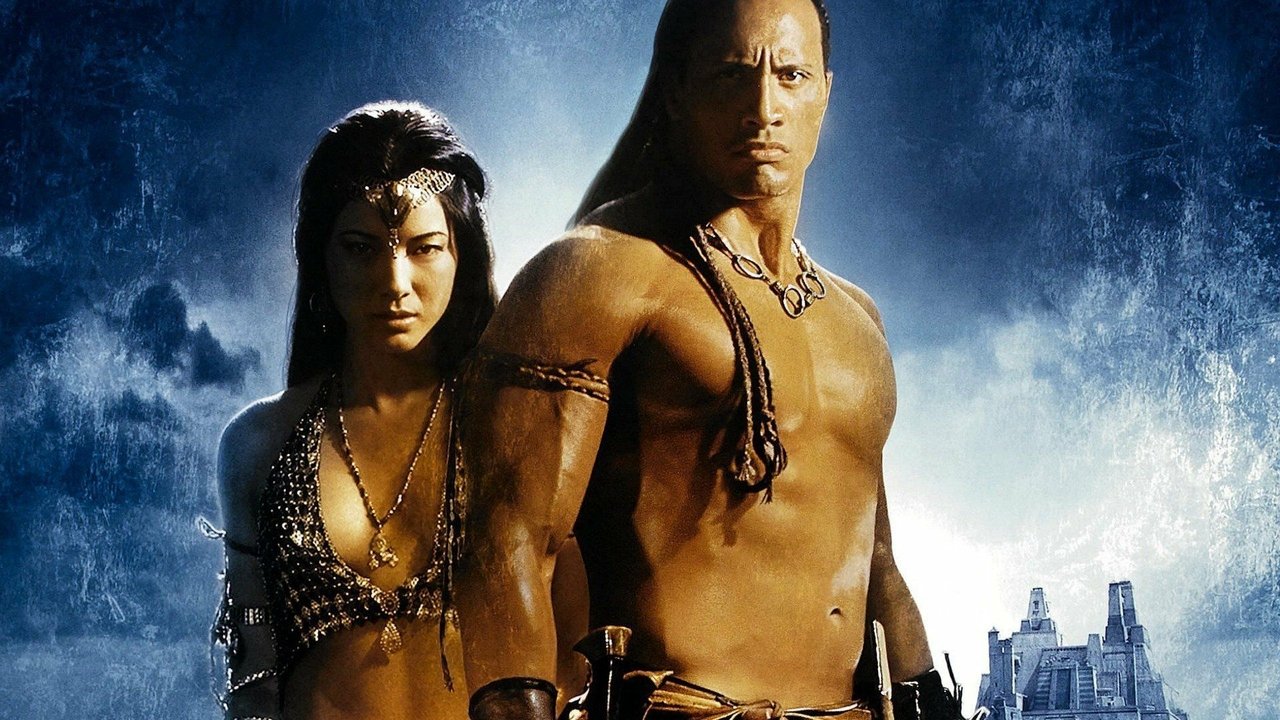
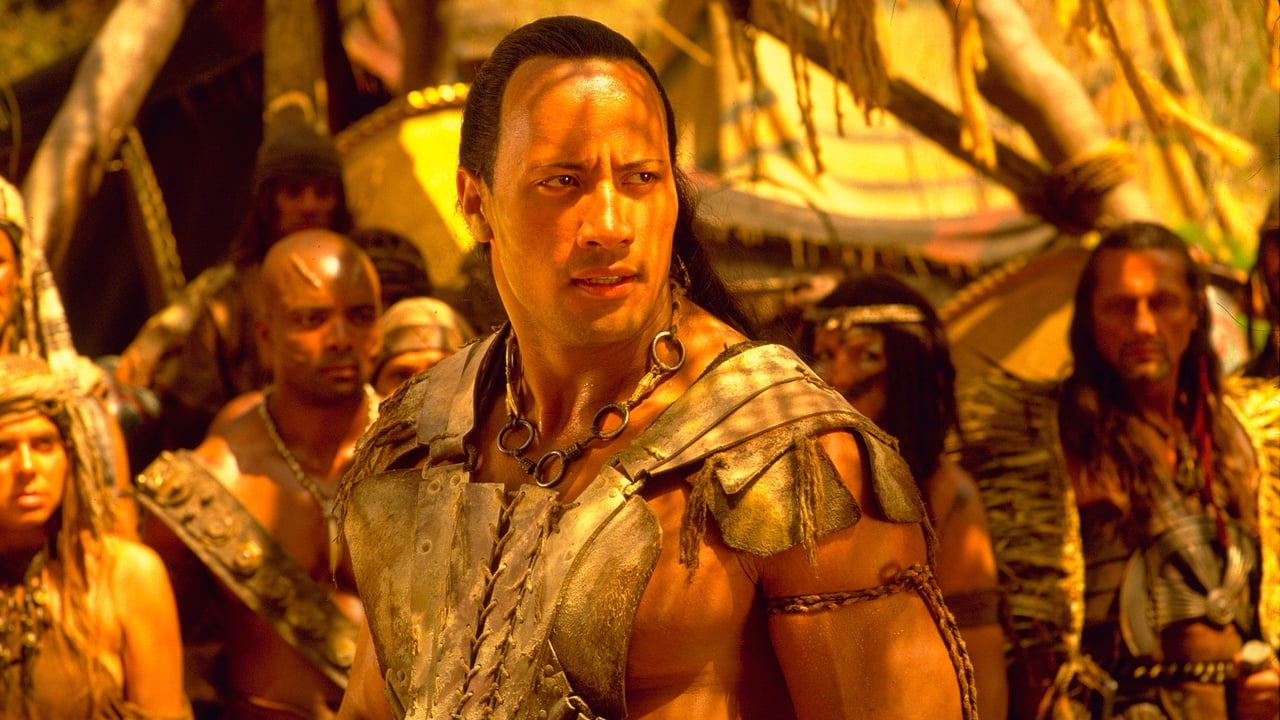
Looking back, The Scorpion King is a fascinating time capsule of the moment the "action hero" archetype began to shift. We were moving away from the grim, silent muscle-men of the 80s and toward something more... charismatic. This was Dwayne Johnson (still billed as "The Rock" at the time) proving he could carry a film without a wrestling ring. He plays Mathayus with a mix of genuine physical menace and that signature "People’s Eyebrow" charm that would eventually make him the highest-paid man in Hollywood.
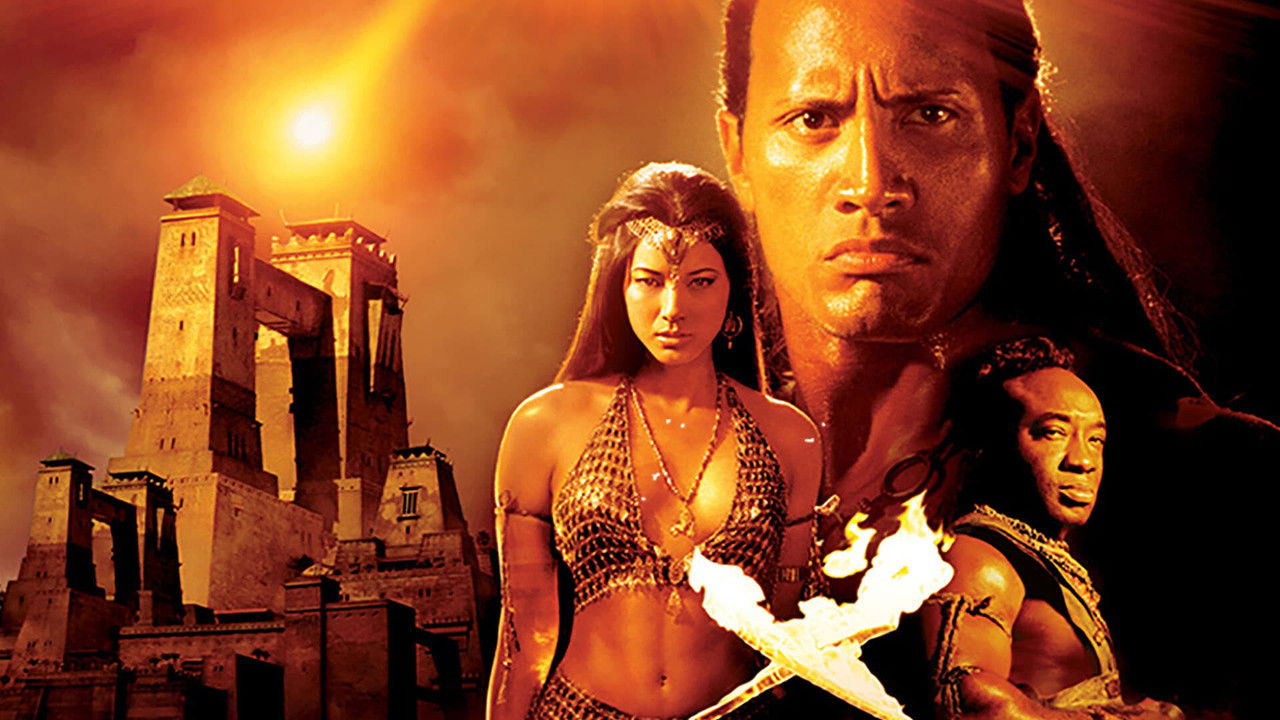
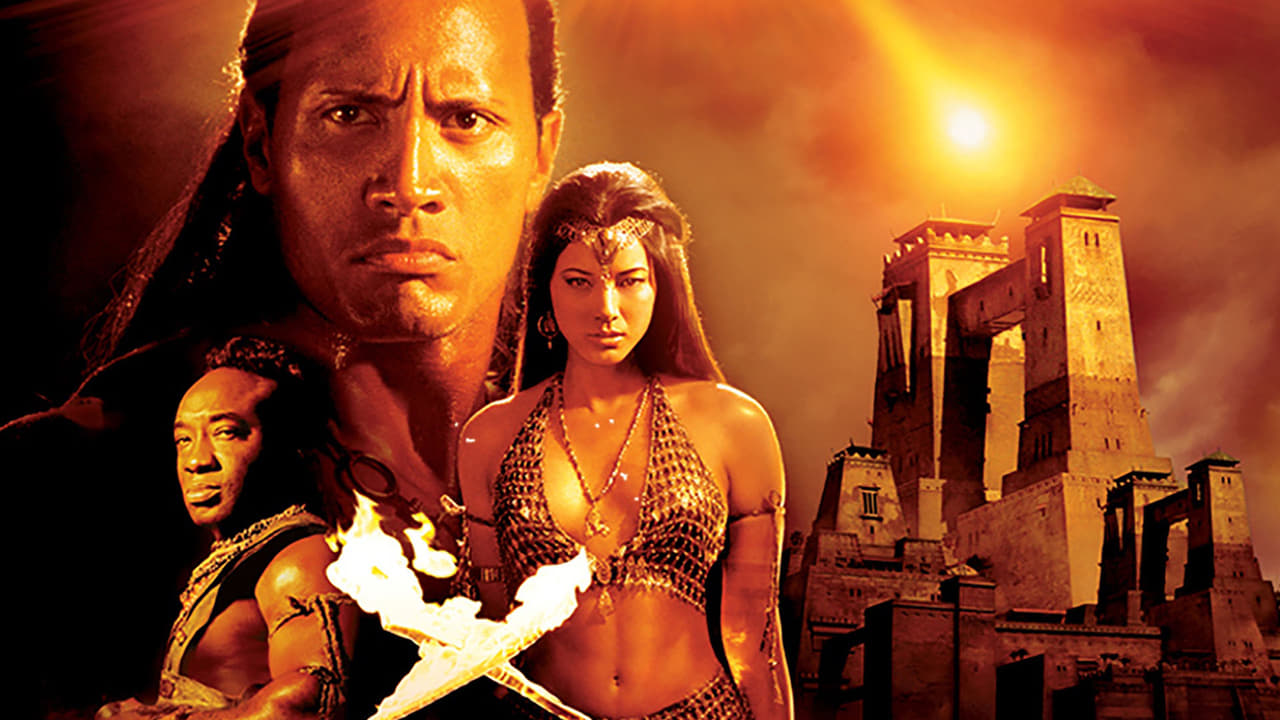
The plot is standard-issue sword-and-sandal stuff: a bad guy named Memnon (Steven Brand) is using a sorceress (Kelly Hu) to conquer the world, and Mathayus is the assassin sent to stop him. What makes it work isn’t the story—which is essentially a Conan the Barbarian cover band performance—but the sheer earnestness of the execution. Director Chuck Russell, who previously gave us the manic energy of The Mask, understands that this movie needs to move fast. There is no room for "thematic depth" when you have Michael Clarke Duncan as Balthazar, looking like he could bench press a literal pyramid, ready to engage in a bromantic rivalry with our hero.
Practical Sand and Early 2000s Grit
While the era was defined by a rush toward digital effects, The Scorpion King actually benefits from a surprising amount of practical work. Unlike the digital mess of the previous year’s Mummy sequel, the action here feels tactile. When Dwayne Johnson kicks a guy through a wooden table, you feel the splinters. The stunts are choreographed with a wrestling-adjacent flair—lots of big throws and high-impact falls—and the cinematography by John R. Leonetti keeps the desert sun looking suitably oppressive without resorting to the "muddy brown" filter that would plague later action films.
The soundtrack, however, is where the 2002 of it all really hits you. The movie is practically a music video for Godsmack’s "I Stand Alone." It captures that specific post-9/11 escapism where we just wanted to see a big, friendly guy hit things while nu-metal blared in the background. It’s a "pre-franchise" movie in the sense that it isn't trying to set up a cinematic universe (though a few direct-to-DVD sequels would follow); it’s just trying to be a fun Friday night at the multiplex.
Stuff You Didn’t Notice
The Big Payday: This film famously landed Dwayne Johnson a $5.5 million paycheck, which was a Guinness World Record for a first-time leading man. Not bad for a guy whose previous "acting" involved shouting about what he was cooking. The Accidental Knockout: During a fight scene, Dwayne Johnson accidentally knocked out Steven Brand for real. Johnson apparently felt terrible about it, but it certainly adds to the "physical reality" of their rivalry. Michael Clarke Duncan’s Stature: Even next to a pro wrestler, Duncan looked massive. The production had to be careful with camera angles so the 6’5” Duncan didn’t make the 6’5” Rock look like a middleweight. The Camel Drama: Apparently, the camels used on set were notoriously difficult. One camel in particular reportedly hated the crew so much it would wait until "Action" was called to deliberately ruin shots by sitting down or spitting. Director Pedigree: Chuck Russell wasn't just some journeyman; he directed A Nightmare on Elm Street 3: Dream Warriors*. You can see that horror sensibility in some of the more grotesque palace guards and the "fire ant" sequence, which remains a genuinely creepy bit of practical effects work.
At its core, The Scorpion King is a B-movie with an A-list budget and a triple-A personality at its center. It lacks the adventurous whimsy of the first Mummy film, and it’s about as deep as a puddle in a Sahara heatwave, but it never pretends to be anything else. It is a lean, mean, 92-minute delivery system for sword fights and stunt work. If you’re looking for a masterpiece, keep walking. If you’re looking for a film that feels like a cool glass of water in a crowded 2002 theater, this is your legend.
Keep Exploring...
-
DragonHeart
1996
-
10,000 BC
2008
-
Jack the Giant Slayer
2013
-
Dante's Peak
1997
-

The Perfect Storm
2000
-
Lara Croft: Tomb Raider
2001
-
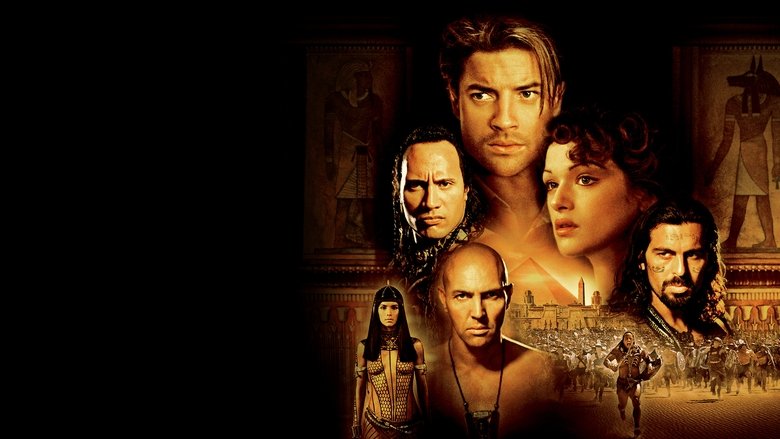
The Mummy Returns
2001
-

Lara Croft: Tomb Raider - The Cradle of Life
2003
-

Alexander
2004
-
King Arthur
2004
-
Poseidon
2006
-
Walking Tall
2004
-
The Rundown
2003
-
Small Soldiers
1998
-
Reign of Fire
2002
-
The Brothers Grimm
2005
-
Race to Witch Mountain
2009
-
Van Helsing
2004
-
Last Action Hero
1993
-
The Mummy: Tomb of the Dragon Emperor
2008