The Sum of All Fears
"The unthinkable happens. Then things get worse."
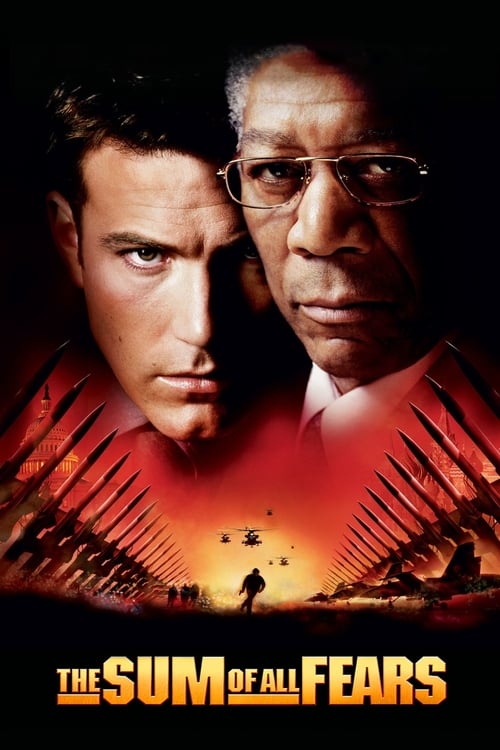
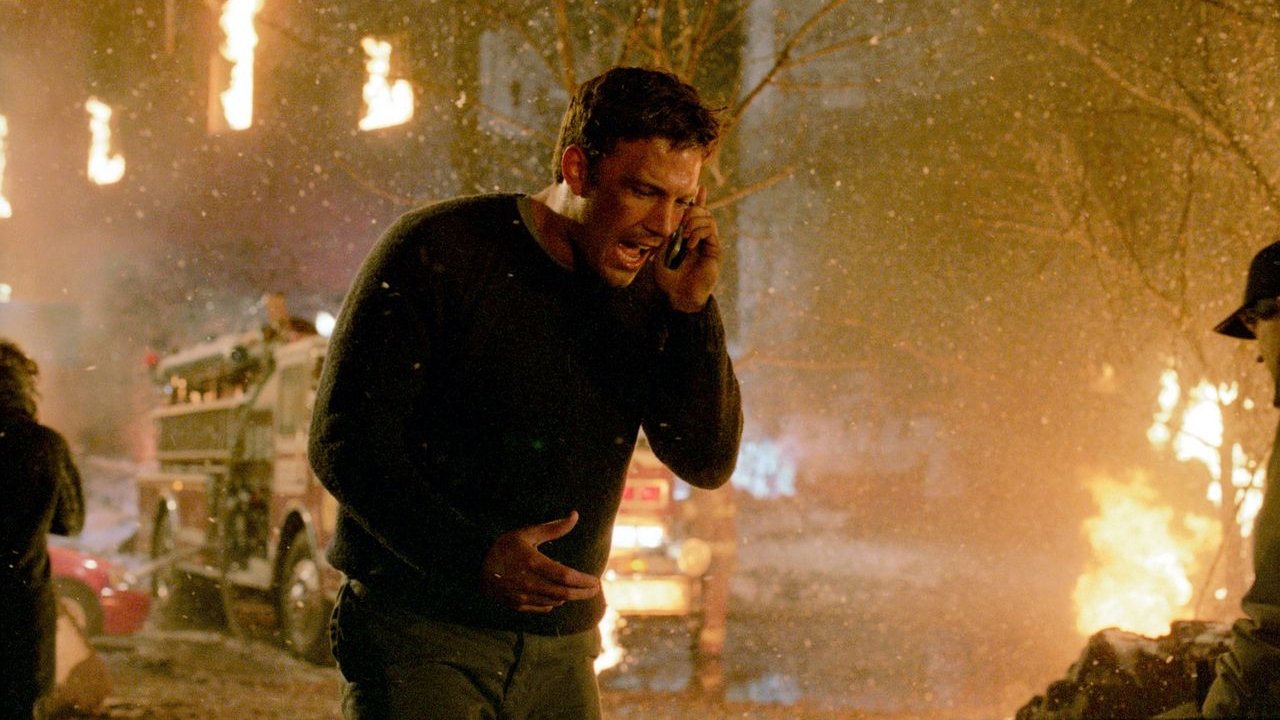
I vividly remember the first time I sat down with The Sum of All Fears. I was huddled on my sofa with a plate of lukewarm pizza, nursing a mild cold and looking for a standard Tom Clancy "Dad Movie" to pass the time. I expected the usual: Ben Affleck looking concerned in a suit, some tense submarine pings, and a last-minute save where the hero cuts the red wire. Instead, I watched a nuclear weapon detonate in the middle of Baltimore.
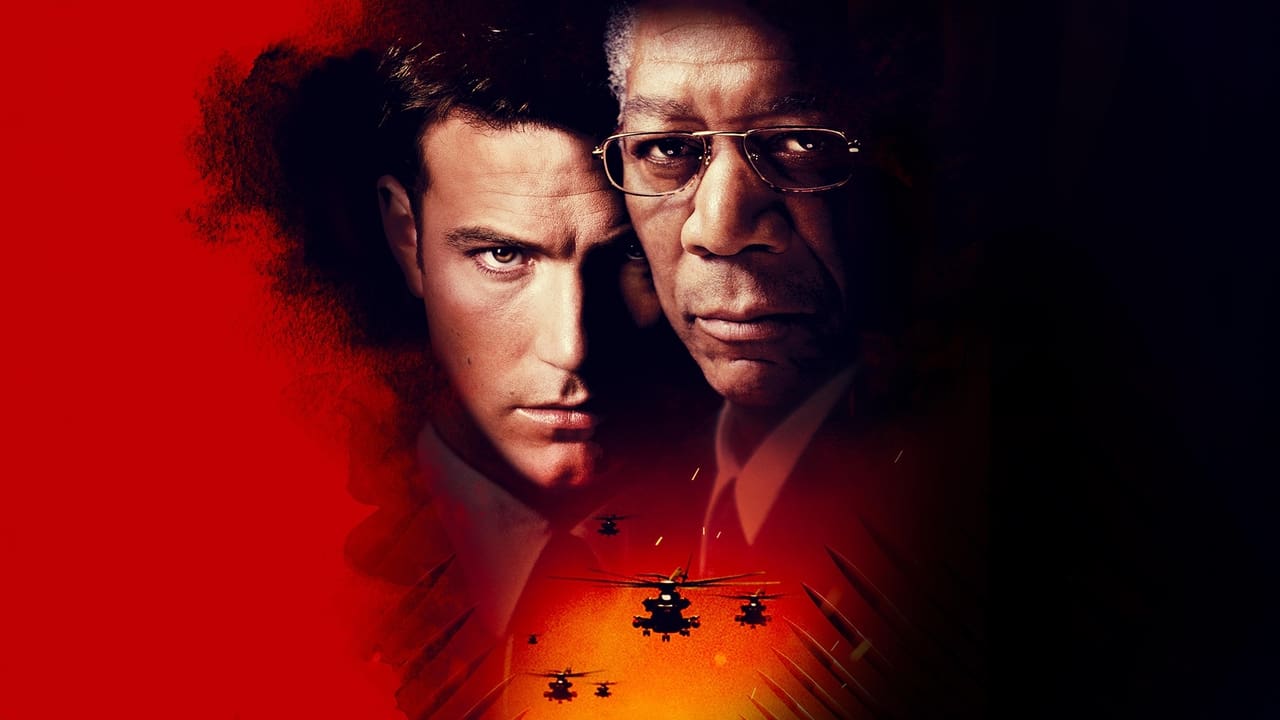
It was 2002. The world was still vibrating from the shock of 9/11, and seeing a mushroom cloud bloom over an American city—even in a Paramount production—felt like a punch to the solar plexus. Looking back, this film occupies a strange, slightly dusty corner of cinema history. It’s the "lost" Jack Ryan movie, the awkward bridge between the rugged gravitas of Harrison Ford and the gritty, modern reinventions we’ve seen recently on streaming.
The Impossible Reboot
In the early 2000s, Hollywood was obsessed with "youth-ifying" every franchise. After Harrison Ford moved on from Clear and Present Danger, the producers decided to take Jack Ryan back to his roots as a green CIA analyst. Enter Ben Affleck. At the time, Affleck was the quintessential "it" boy, and his Ryan is decidedly more jittery and boyish than his predecessors.
I’ll be honest: Ben Affleck plays Jack Ryan like a guy who just realized he left his oven on back in D.C. while the world is ending. He doesn’t have the weathered authority of Alec Baldwin or Ford, but that’s actually the point. He’s out of his depth. He’s the guy trying to tell a room full of generals that they’re wrong while they look at him like he’s the delivery boy. Opposite him, Morgan Freeman does exactly what you expect Morgan Freeman to do—he provides the gravitas. As DCI Bill Cabot, he’s the mentor we all wish we had, guiding Ryan through the corridors of power with that velvet voice.
The Specter of the Big Bang
Director Phil Alden Robinson (who also gave us the wonderful Field of Dreams) had a massive challenge here. He had to balance a complex political thriller about Neo-Nazis (the villains were changed from the book’s Palestinian terrorists to avoid contemporary sensitivity) with a ticking-clock action flick.
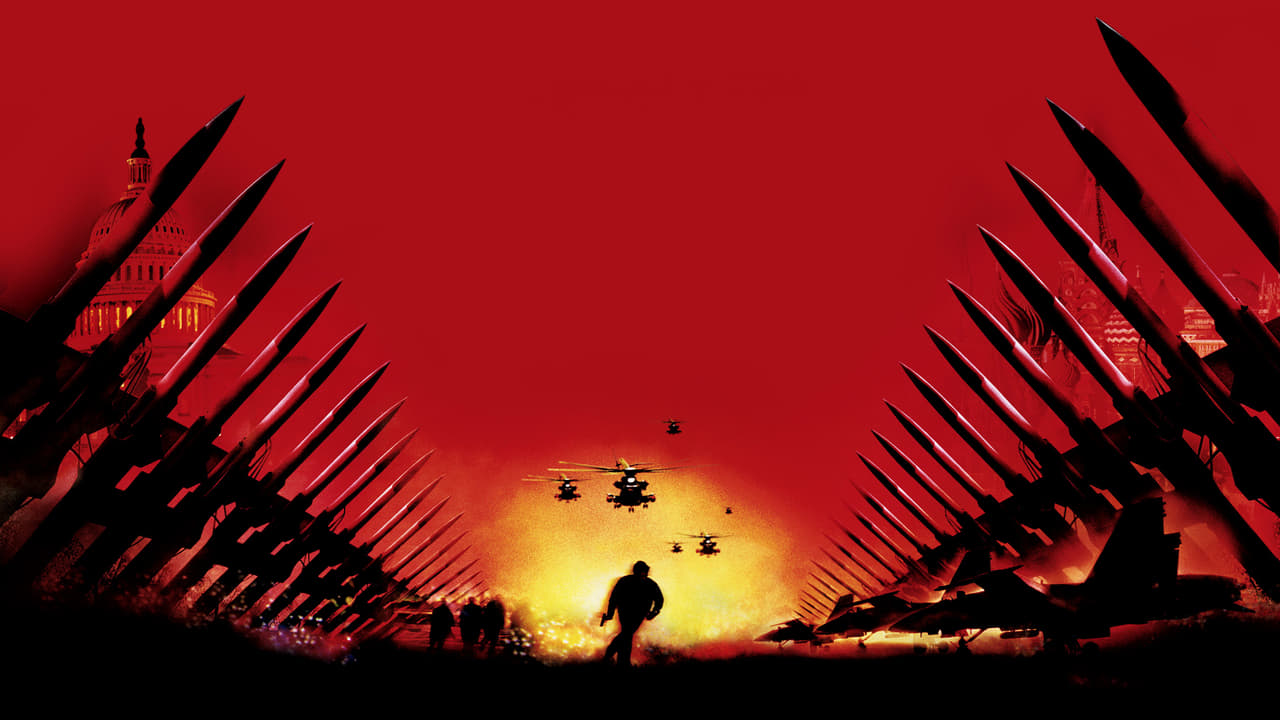
The centerpiece of the film—the stadium bombing—is a masterclass in tension. It doesn’t rely on the hyper-kinetic, "shaky-cam" style that Paul Greengrass would popularize with the Bourne series just a few months later. Instead, it’s all about the buildup. We see the bomb being transported in a nondescript vending machine; we see the mundane logistics of terror. When it finally goes off, the special effects—a mix of early 2000s CGI and massive practical sets—capture a sense of disorientation and ash-covered horror that felt uncomfortably real for the era.
I remember dropping my remote when the shockwave hit the President’s motorcade. It wasn't "fun" action; it was heavy, somber, and surprisingly bleak. The film doesn't shy away from the aftermath, showing the chaos of a hospital in the blast zone where Bridget Moynahan (as Cathy Muller) is trying to triage the impossible.
Why It Slipped Through the Cracks
So, why don’t we talk about The Sum of All Fears more? Part of it is the "Bourne Effect." 2002 was the year The Bourne Identity changed the DNA of the spy genre. Compared to Matt Damon’s kinetic, hand-to-hand fighting and European grit, Jack Ryan’s world of "Red Phones" and high-level briefings felt a bit like a relic of the Cold War.
The film is also trapped in a weird tonal vacuum. It’s too dark to be a popcorn blockbuster but too glossy to be a hard-hitting political drama. Plus, the villains—led by Alan Bates as the calculating Dressler—feel a bit like caricatures from a different movie. They’re "Movie Nazis," lacking the terrifying ambiguity that the best thrillers provide. However, Liev Schreiber almost steals the entire show as John Clark. He’s the shadowy operative we deserve, and I’ve always felt Liev Schreiber is the best John Clark we’ve ever had, even if he only got one shot at it.

The score by the legendary Jerry Goldsmith (who also did Star Trek: The Motion Picture and The Omen) is a standout. It’s operatic and melancholic, leaning into the tragedy of the situation rather than just pumping up the adrenaline. It’s a reminder of a time when film scores were allowed to have a distinct, melodic personality.
Ultimately, The Sum of All Fears is a fascinating time capsule. It captures a moment when Hollywood was trying to figure out how to tell stories about global catastrophe in a world that had just experienced one. It’s not a perfect movie—the pacing in the third act feels a bit rushed as Ryan somehow zips around a nuclear wasteland—but it’s a solid, well-crafted thriller that deserved more than to be forgotten. If you’re a fan of the "Ryan-verse" or just want to see a pre-Batman Affleck try to save the world, it’s well worth a retrospective spin.
I watched this again recently on a rainy Tuesday, and honestly, the "Red Phone" tension between James Cromwell’s President Fowler and the Russian leadership still gets my heart racing. It reminds me that sometimes, the scariest thing in a movie isn't a monster or a car chase—it’s two powerful men in a room, both of whom are too proud to admit they’re scared. It’s a "Dad Movie" with a dark, heavy soul, and I think that’s why I still kind of love it.
Keep Exploring...
-
Conspiracy Theory
1997
-
Volcano
1997
-
The Siege
1998
-
Payback
1999
-
The Last Castle
2001
-

Collateral Damage
2002
-
Basic
2003
-
The Hunted
2003
-

The Manchurian Candidate
2004
-
The Kingdom
2007
-

Paycheck
2003
-
Breakdown
1997
-
Behind Enemy Lines
2001
-
The Score
2001
-
Walking Tall
2004
-

Domino
2005
-
Undisputed II: Last Man Standing
2006
-

The Negotiator
1998
-
Backdraft
1991
-
Crimson Tide
1995