The Time Machine
"The past is gone. The future is hungry."
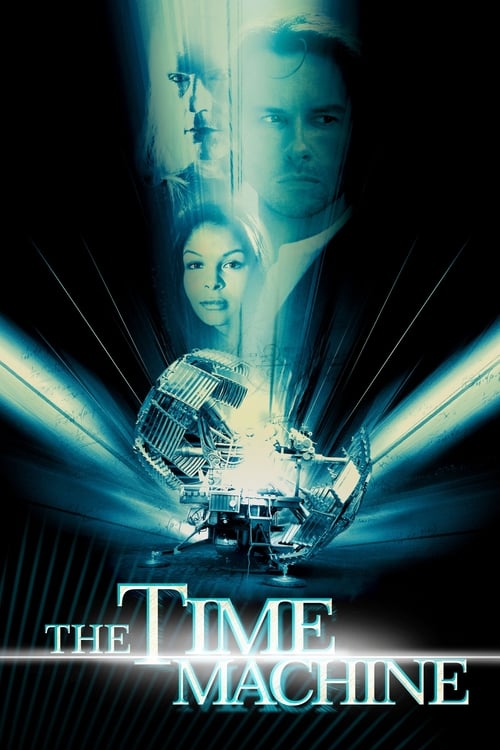
The ticking of a hundred clocks in a silent room has a way of making you feel the weight of every wasted second. It’s an effective, eerie opening for a film that tries to reinvent a foundational pillar of science fiction. I remember watching this for the first time on a flight to Chicago while the person next to me was aggressively snoring into a neck pillow, and even through that distraction, the sheer ambition of the set design grabbed me. It’s a movie that wants to be three different things at once: a Victorian tragedy, a CGI-heavy spectacle, and a creature-feature action flick. While it doesn't quite nail the landing, there’s a genuine heart to this 2002 adaptation that makes it a fascinating specimen of its era.
A Family Affair and a Broken Moon
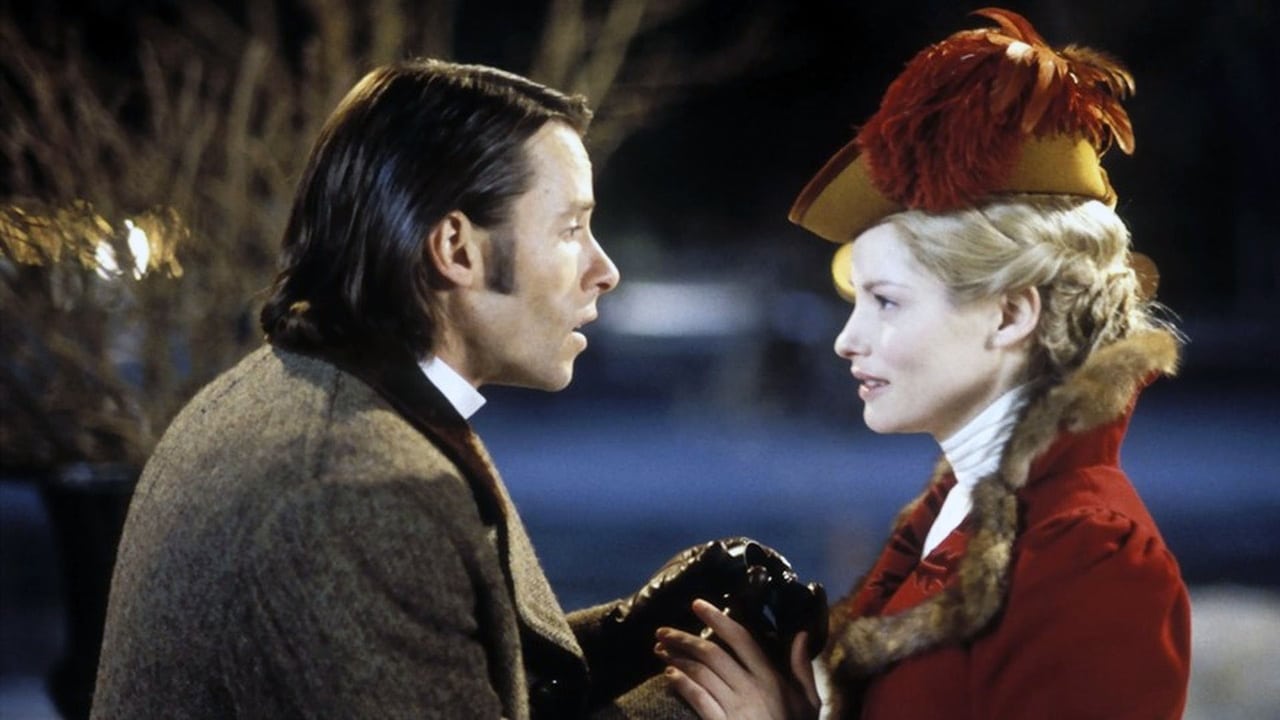
There’s a bit of Hollywood trivia that I’ve always found poetic: director Simon Wells is the great-grandson of H.G. Wells, the man who wrote the original 1895 novella. Talk about pressure. You can feel that lineage in the film’s first act, which trades the book’s intellectual curiosity for a much more visceral—er, let's say intense—emotional catalyst. Guy Pearce, fresh off the brain-scrambling success of Memento (2000), plays Alexander Hartdegen, a man driven to build a time machine not for science, but to undo a personal tragedy involving his fiancée, Sienna Guillory (Resident Evil: Apocalypse).
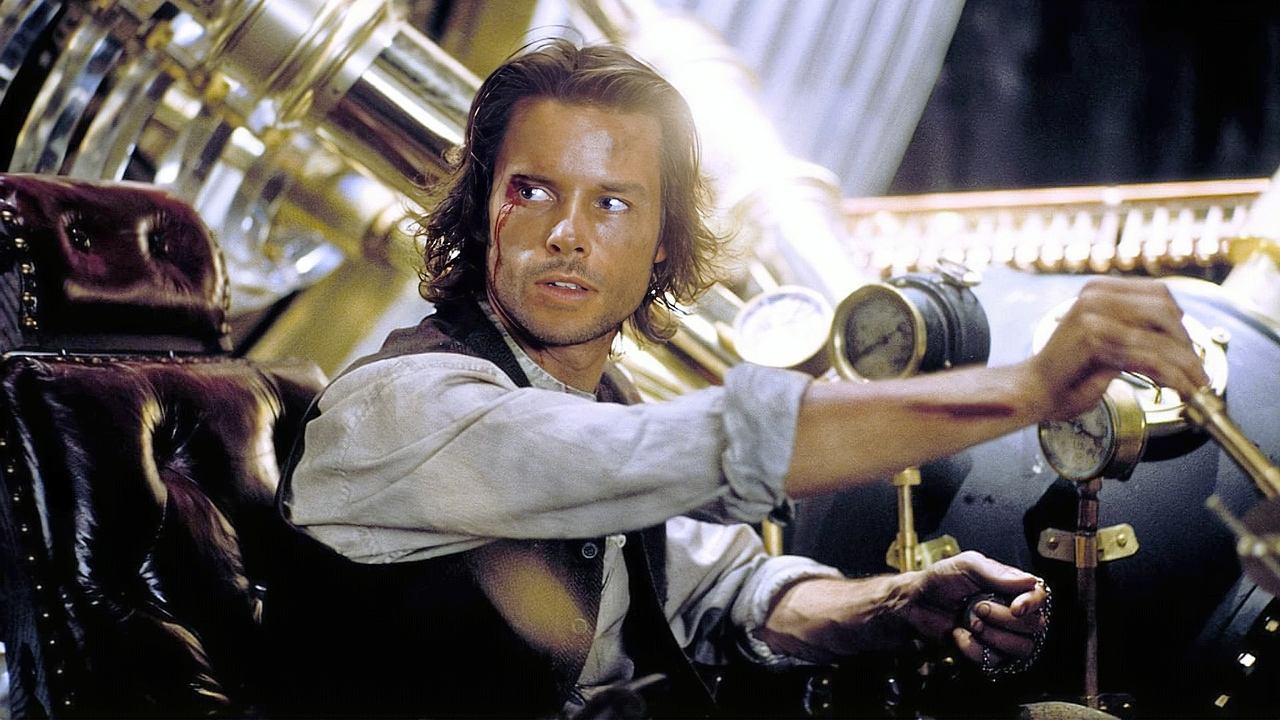
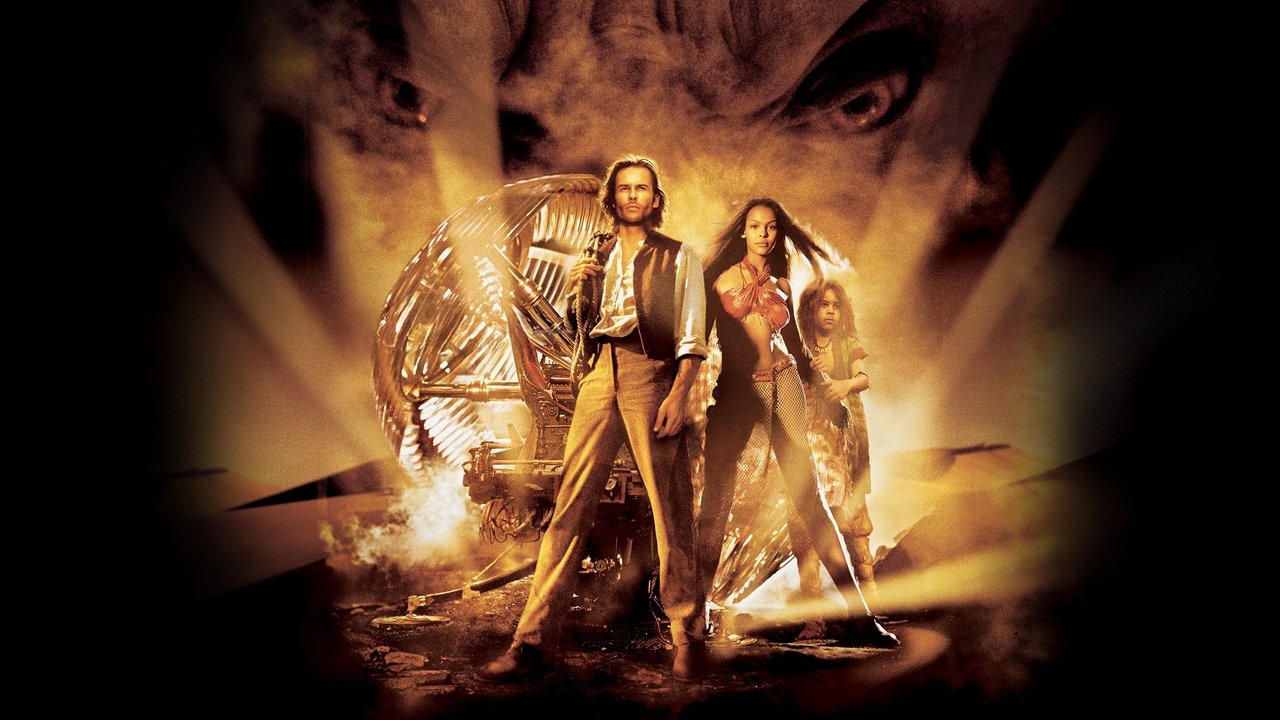
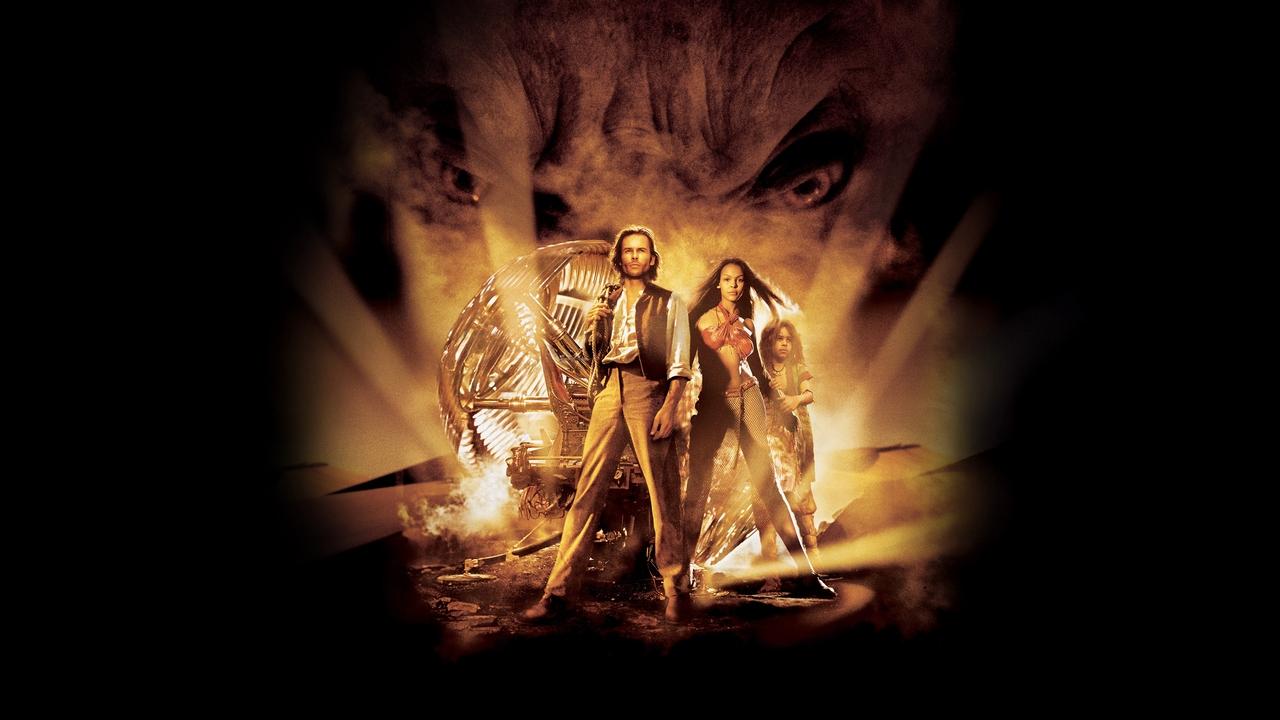
The machine itself is a gorgeous piece of practical craftsmanship—all spinning brass, shimmering glass, and Victorian elegance. It looks like something that actually has weight and gears, a far cry from the sleek, sterile tech we often see now. But once the levers are pulled, we enter the "CGI Revolution" phase of the early 2000s. The time-lapse sequences, showing the world outside the laboratory window evolving and decaying, were groundbreaking at the time. Watching the moon literally shatter in the sky due to a lunar mining accident is still a hauntingly cool image, even if the digital effects have that slightly soft, "rendered on a 2002 supercomputer" look that marks them as a product of their time.
When the Future Gets Weird
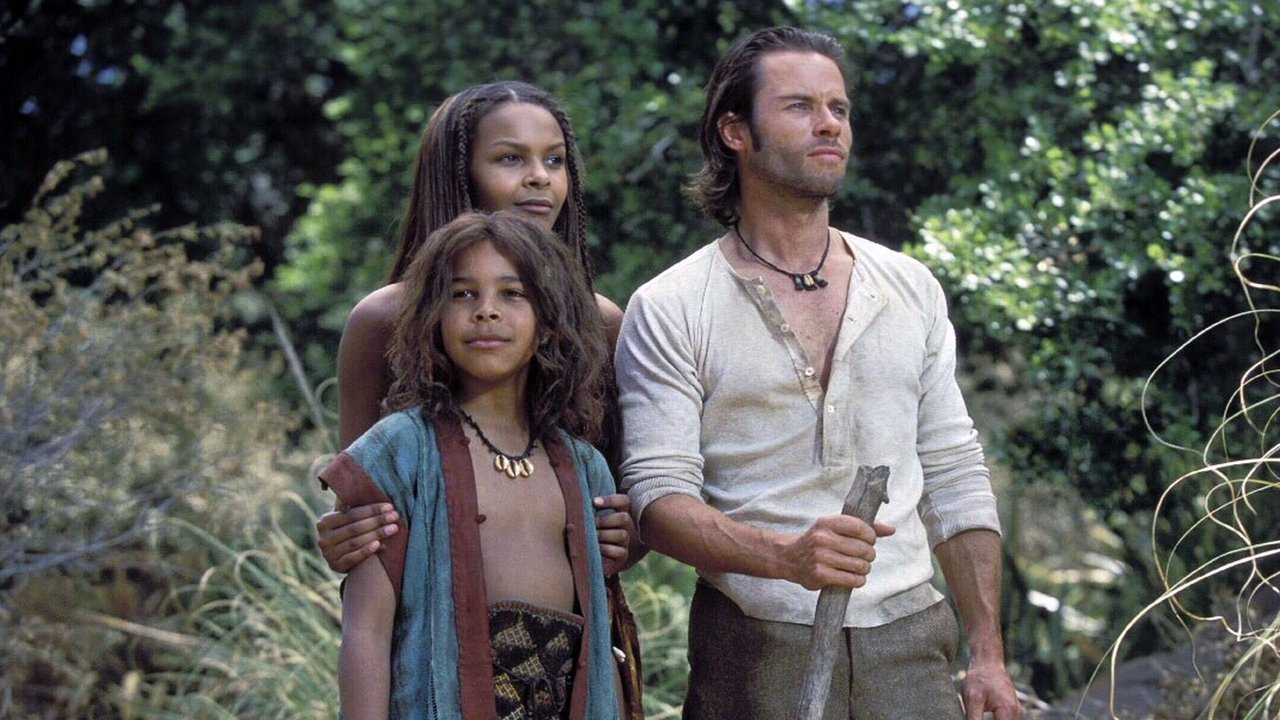
Around the halfway mark, the movie takes a sharp left turn into a genre that feels closer to Planet of the Apes than a philosophical trek through time. Alexander ends up 800,000 years in the future, where humanity has split into the Eloi (gentle, cliff-dwelling surface people) and the Morlocks (monstrous, underground hunters). This is where the action choreography really kicks in. The Morlock hunt is staged with a surprising amount of grit; these aren't just guys in rubber suits. They were designed by the legendary Stan Winston (Jurassic Park, Aliens), and the blend of practical prosthetics and digital enhancement gives them a terrifyingly animalistic presence.
Guy Pearce pivots from a grieving academic to a desperate action hero with surprising ease, though the logic of time travel in this movie is basically "don't think about it or your brain will leak out of your ears." He teams up with Samba (Samantha Mumba), an Eloi woman who conveniently speaks perfect English, to take down the Morlock empire. The pacing here is breakneck—maybe too fast. At 96 minutes, the film sprints through its third act, barely giving us time to process the bizarre appearance of Jeremy Irons (The Lion King) as the Uber-Morlock. Jeremy Irons looks like he wandered off the set of a high-budget nu-metal music video, sporting long white hair and enough pale makeup to make a Victorian ghost jealous. He’s clearly having a blast being the only person in the room with a plan, but his role is essentially a massive exposition dump.
The Chaos Behind the Scenes
What most fans don't realize is that this production was nearly as chaotic as a trip through a wormhole. Simon Wells actually suffered from extreme exhaustion during the shoot, leading the studio to bring in Gore Verbinski (Pirates of the Caribbean) to finish the final weeks of filming uncredited. You can almost see the seam where the film shifts from a moody, character-driven piece to a more conventional, high-octane blockbuster. It’s a testament to the "test screening" culture of the early 2000s, where studios were terrified of a sci-fi movie being too "thinky."
Despite the tonal whiplash, the score by Klaus Badelt (Gladiator) is an absolute triumph. It’s sweeping, tribal, and stays with you long after the credits roll. The film was a modest success at the box office but has since gained a cult following among those of us who appreciate the era's earnest attempts to marry classic literature with "New Millennium" spectacle. It’s a movie that reminds me of the transition from the practical effects of the 80s to the digital dominance of the 2010s—a middle-child of cinema that deserves a second look for its sheer audacity.
Ultimately, The Time Machine is a flawed but highly entertaining ride. It misses the philosophical depth of the H.G. Wells source material, but replaces it with a genuine sense of adventure and some of the most memorable production design of the early aughts. If you can forgive a few dated CGI shots and a plot that moves faster than a speeding photon, it’s a perfect Sunday afternoon watch. Just don't ask too many questions about why the moon breaking didn't just end all life on Earth immediately—some things are better left to the imagination.
Keep Exploring...
-
Star Trek: Nemesis
2002
-
Hulk
2003
-
The Matrix Revolutions
2003
-
AVP: Alien vs. Predator
2004
-
The Island
2005
-
Superman Returns
2006
-

X-Men: The Last Stand
2006
-
Fantastic Four: Rise of the Silver Surfer
2007
-

Small Soldiers
1998
-

Sinbad: Legend of the Seven Seas
2003
-
Waterworld
1995
-

Babylon A.D.
2008
-
Jumper
2008
-
The Incredible Hulk
2008
-

G.I. Joe: The Rise of Cobra
2009
-

X-Men Origins: Wolverine
2009
-
TRON: Legacy
2010
-

Captain America: The First Avenger
2011
-
I Am Number Four
2011
-

X-Men: First Class
2011