Treasure Planet
"The stars lean down to kiss you."
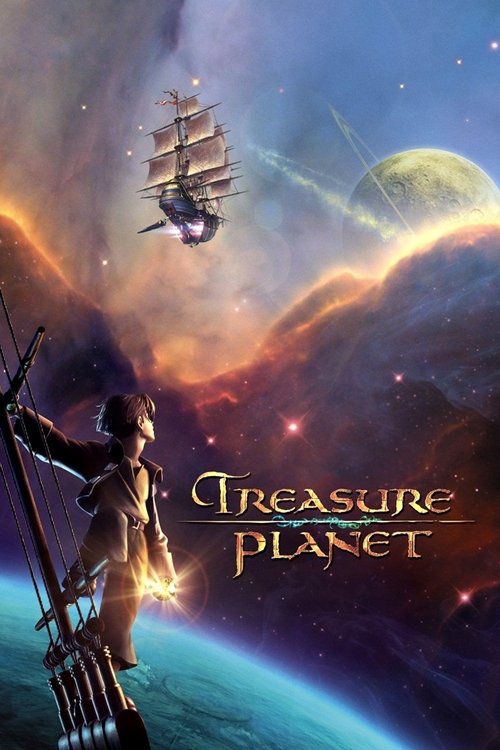
In the early 2000s, Walt Disney Animation Studios was a place of frantic, beautiful identity crises. The "Renaissance" era of the 1990s had cooled off, and the studio was desperately trying to figure out what a "Disney Movie" should look like in a world where Pixar’s digital toys were eating their lunch. I watched Treasure Planet again recently on a laptop with a dying battery while hiding from a particularly loud thunderstorm, and it struck me just how daring this film actually was. It wasn’t just a "space movie"—it was a $140 million experimental gamble that prioritized texture and philosophy over the safe, sugary melodies of the previous decade.
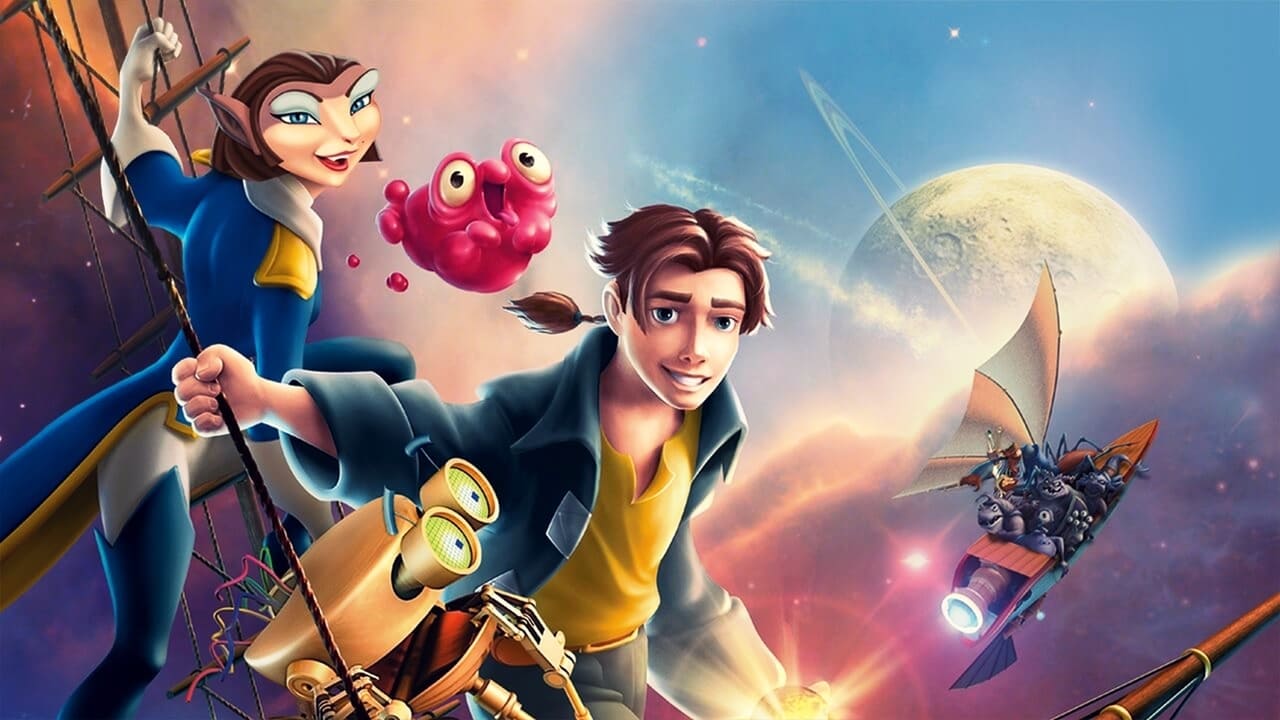
It’s a film that asks a very heavy, very "Y2K-era" question: In a universe of infinite possibilities, how do you find your place when you feel like a mistake? Disney’s marketing department was basically trying to sabotage their own animators by positioning this as a standard kid's romp, but the actual film is a moody, gorgeous meditation on fatherhood and failure.
The 70/30 Rule of Discovery
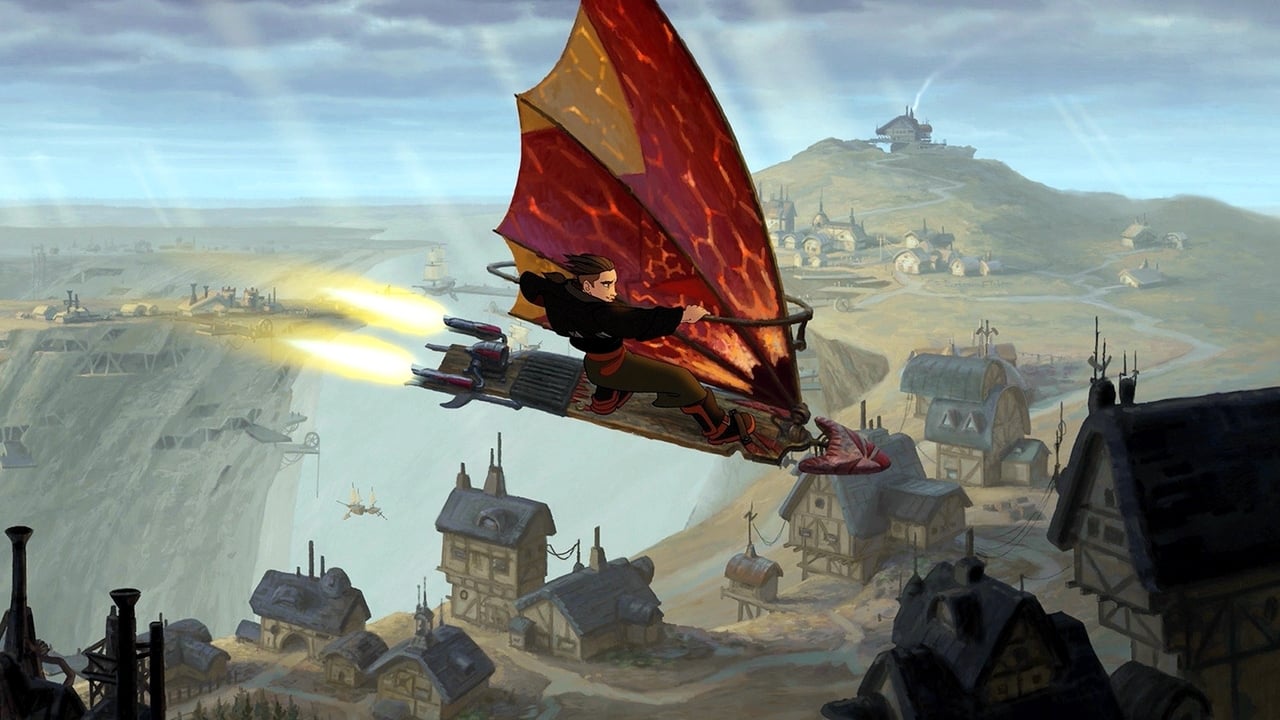
Directors John Musker and Ron Clements—the guys who gave us The Little Mermaid and Aladdin—had been trying to get this made for nearly fifteen years. They pitched it after every hit, and were rejected every time until they agreed to finish Hercules first. Their vision was governed by what they called the "70/30 rule": 70% traditional, 18th-century aesthetics (sails, wood, brass, tricorn hats) and 30% futuristic tech (cyborg limbs, plasma cannons, solar surfing).
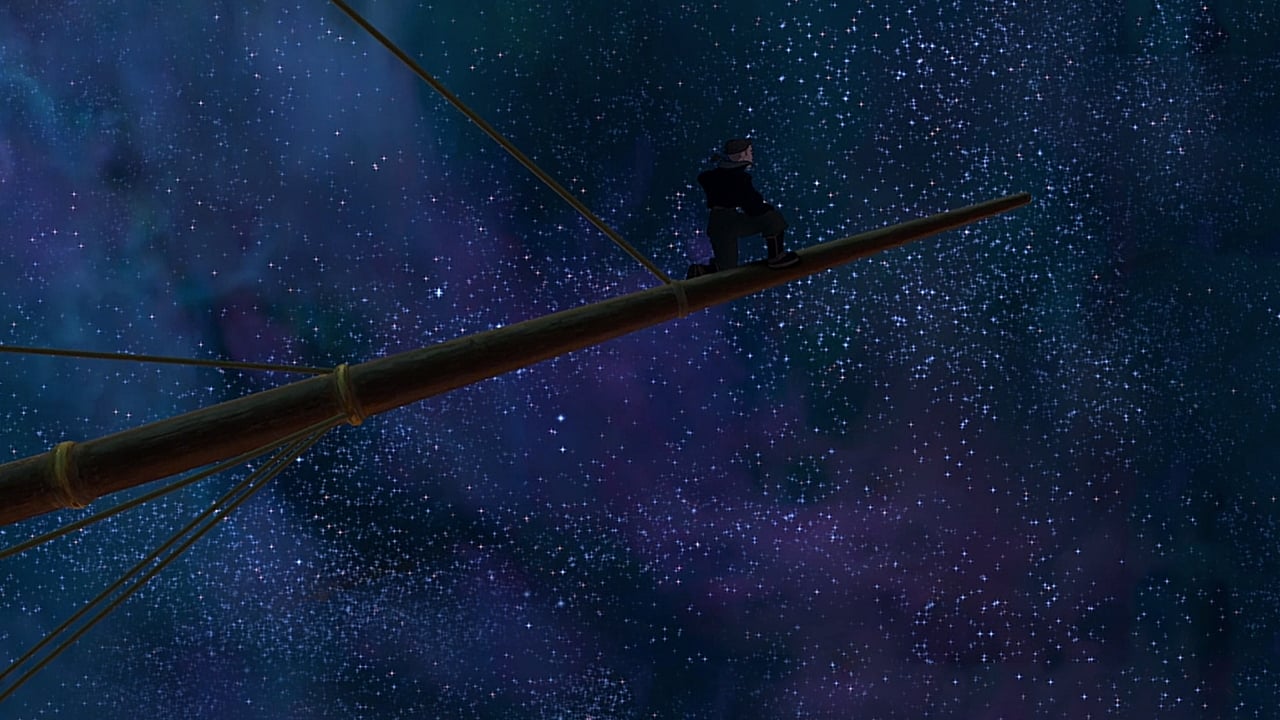
The result is a visual world that still feels unique twenty years later. Instead of the cold, sterile vacuum of Star Trek, we get the "Etherium"—a breathable, warm space filled with literal space whales (Orcatans) and galleons that catch solar winds. It was brought to life using "Deep Canvas" technology, a breakthrough that allowed hand-drawn characters to move through 3D environments with a fluid camera. While many CGI-heavy films from 2002 now look like a bowl of digital soup, Treasure Planet holds up because it treats its digital elements like oil paintings. There is a "hand-painted" quality to the nebulae and the machinery that feels tactile and permanent.
The Cyborg and the Delinquent
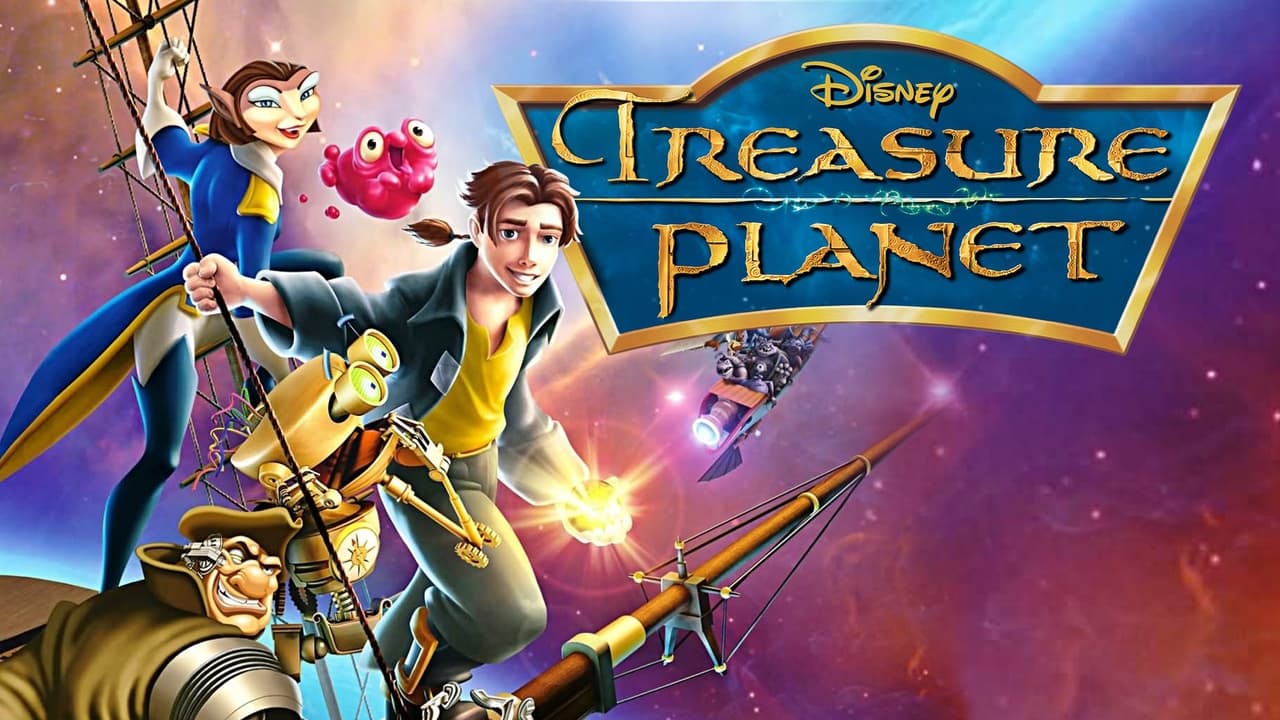
At its heart, this is a two-man play between Jim Hawkins (Joseph Gordon-Levitt) and John Silver (Brian Murray). This version of Jim isn’t the wide-eyed boy from Robert Louis Stevenson’s novel; he’s a disgruntled, fatherless teenager with a solar-powered surfboard and a chip on his shoulder the size of a planetoid. He’s the quintessential 90s/early-2000s "troubled youth," but there’s a genuine ache in his design.
The real achievement, however, is Silver. In a technical feat that still boggles the mind, Silver is a hybrid of hand-drawn animation (his fleshy side) and CGI (his mechanical side). Animators had to coordinate his movements so perfectly that the digital arm never felt "detached" from the pencil-drawn body. But the technical wizardry is secondary to Brian Murray’s vocal performance. He plays Silver not as a villain, but as a man who has traded pieces of his soul—and his body—for a dream he can't quite remember why he wanted.
When Silver tells Jim, "You've got the makings of greatness in you," it’s not just a plot beat. It’s a philosophical turning point. The film suggests that "treasure" isn't a pile of gold on a distant map; it's the moment someone finally looks at you and sees who you could be, rather than who you’ve been.
A Legacy Beyond the Box Office

The tragedy of Treasure Planet is that it was released directly against Harry Potter and the Chamber of Secrets. It didn't just bomb; it cratered. Disney took a massive write-down, and the era of big-budget traditional animation essentially ended right there. Looking back, it’s clear that the film was perhaps too "cerebral" for the demographic Disney was chasing. It lacked the cuddly sidekicks (aside from Morph, the shapeshifting blob voiced by Dane A. Davis) and the catchy Alan Menken showtunes.
Instead, we got a soaring, rock-inflected anthem by John Rzeznik of the Goo Goo Dolls and a sweeping, adventurous score by James Newton Howard (who also did Atlantis: The Lost Empire). It’s a film that respects the intelligence of its audience, dealing with themes of abandonment and the moral ambiguity of its "villain." Even the supporting cast, like Emma Thompson’s sharp-tongued Captain Amelia and David Hyde Pierce’s neurotic Doctor Doppler, feel like they belong in a more sophisticated comedy than your average "G-rated" fare. Martin Short’s B.E.N. is the only element that occasionally feels like it’s trying too hard to please the kids, but even he has a tragic, "forgotten" quality that fits the film's lonely atmosphere.
Ultimately, Treasure Planet is a cult classic that earned its status through sheer earnestness. It’s a film about a boy looking for a father and a man looking for a legacy, set against a backdrop of exploding stars and Victorian rigging. It reminds me that the most ambitious failures are often more rewarding than the safest successes. If you haven't revisited the Etherium lately, give it another look—it’s a lot more than just "Treasure Island in space." It's a story about the maps we draw for ourselves.
Keep Exploring...
-
Hercules
1997
-

Aladdin
1992
-
The Princess and the Frog
2009
-
Anastasia
1997
-
Meet the Robinsons
2007
-

The Emperor's New Groove
2000
-
The Road to El Dorado
2000
-
Atlantis: The Lost Empire
2001
-

Sinbad: Legend of the Seven Seas
2003
-

The Polar Express
2004
-
Brave
2012
-
Pokémon the Movie 2000
1999
-
Spirit: Stallion of the Cimarron
2002
-
Rise of the Guardians
2012
-
Mr. Peabody & Sherman
2014
-
The Book of Life
2014
-

The Cat Returns
2002
-
Justice League: The Flashpoint Paradox
2013
-
Titan A.E.
2000
-
Shrek
2001