Two Weeks Notice
"He needs a nanny. She needs a life."
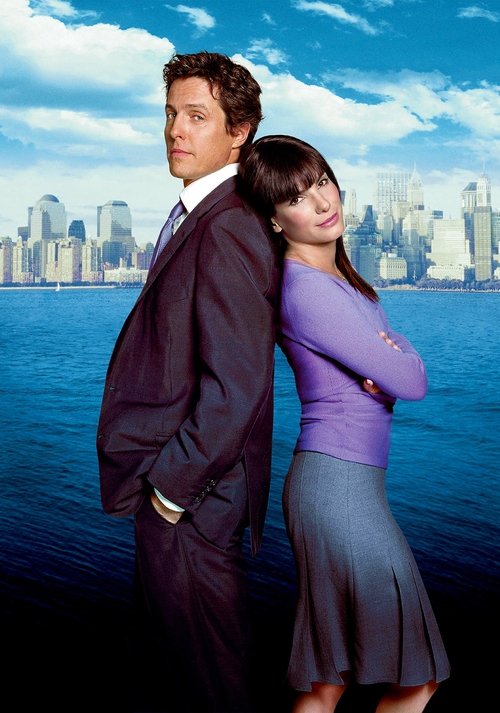
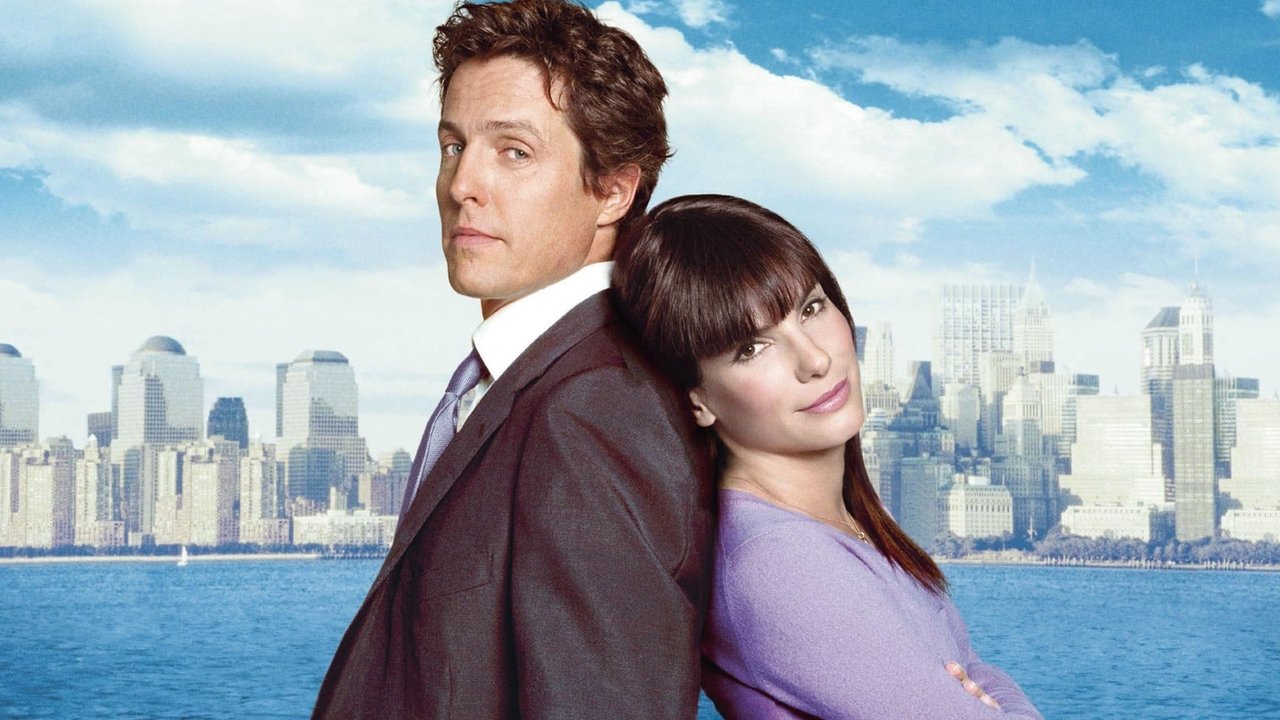
I’m convinced that Hugh Grant has a special clause in his contract that allows him to be absolutely insufferable yet entirely lovable, all within the span of a single smirk. Watching Two Weeks Notice again recently—while eating a bowl of lukewarm cereal and wondering if I should finally organize my "junk drawer"—I realized that this film is the cinematic equivalent of a high-quality cashmere sweater. It’s not revolutionary, it’s not breaking any new ground in the architectural landscape of New York City, but it is incredibly comfortable and looks better than it has any right to.
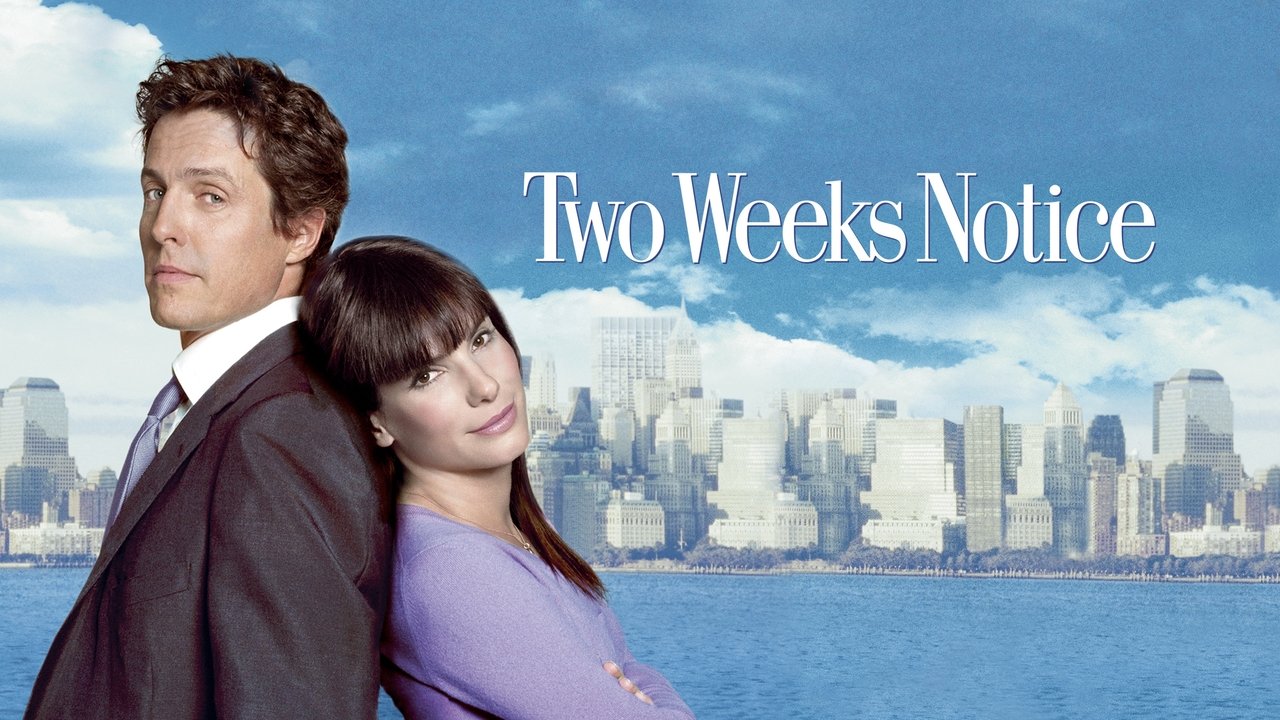
By 2002, the romantic comedy was entering its "glossy" phase. We were moving away from the messy, indie-adjacent vibes of the early 90s and into a world of high-concept, high-budget star vehicles. With a $60 million price tag, this wasn't just a movie; it was a curated experience designed to showcase two of the world’s most charming people at the absolute peak of their powers. Looking back, it’s a fascinating relic of a time when you could throw two A-listers in a room with a witty script and bank $200 million without a single explosion or superhero cape in sight.
The Art of Being Productively Annoying
The plot is a classic "opposites attract" setup, but it functions more as a commentary on the death of boundaries. Sandra Bullock plays Lucy Kelson, a Harvard-educated lawyer who is so dedicated to saving the world that she’s forgotten to have a personality outside of her protest signs. Enter Hugh Grant as George Wade, a billionaire real estate mogul who is essentially a high-functioning toddler in a $3,000 suit. He hires Lucy not for her legal mind, but because she’s the only person who will tell him which tie doesn't make him look like an idiot.
The chemistry here isn't the "steam up the windows" variety; it’s the "we’ve been married for forty years and I know exactly how you take your coffee" variety. It’s rhythmic and snappy. Sandra Bullock, who also produced the film under her Fortis Films banner, is the queen of the "composed klutz." She manages to make Lucy’s neuroses feel grounded rather than grating. Meanwhile, Grant leans into his "flustered posh" persona, delivering lines with a stuttering precision that makes even his most selfish requests sound like a charming plea for help.
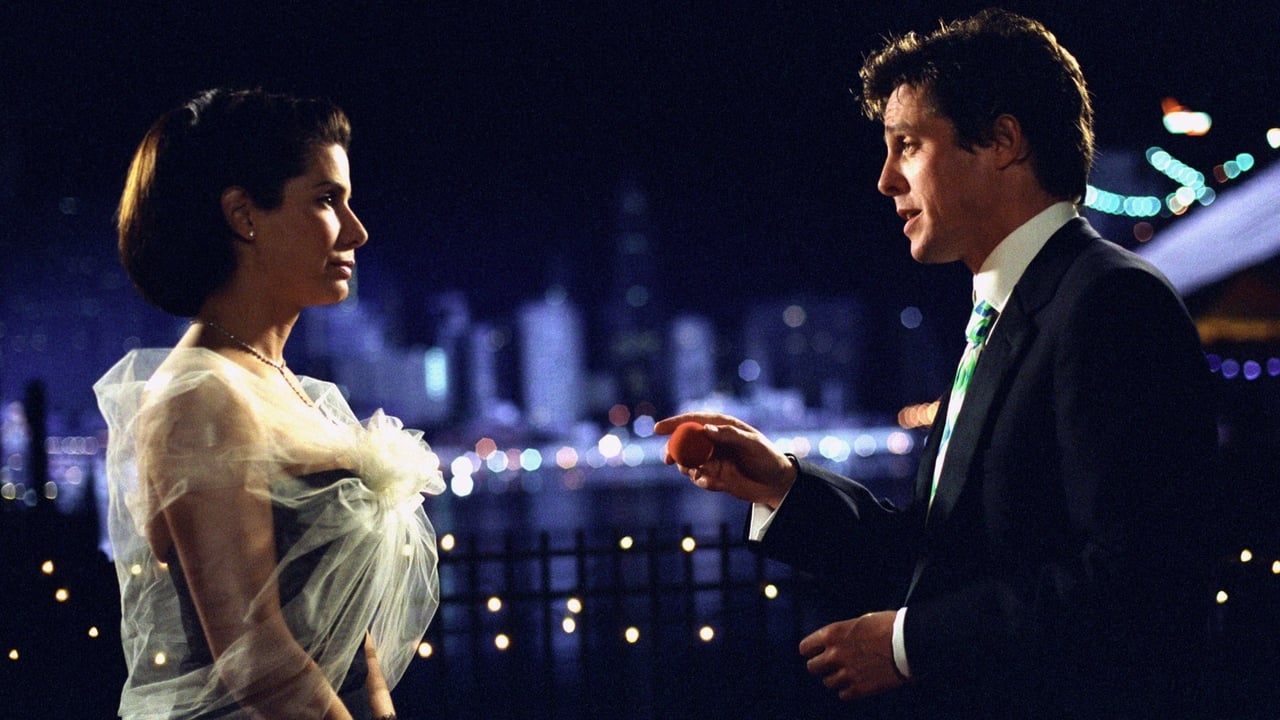
What strikes me now is how much the film relies on verbal timing. In an era where comedies often lean on improv-heavy riffing that can go on for minutes too long, director Marc Lawrence (who also wrote the screenplay) keeps things tight. The jokes land like a well-played tennis match. When Lucy finally gives her notice, the film doesn't devolve into slapstick; it doubles down on the psychological warfare of two people who realize they are utterly helpless without each other.
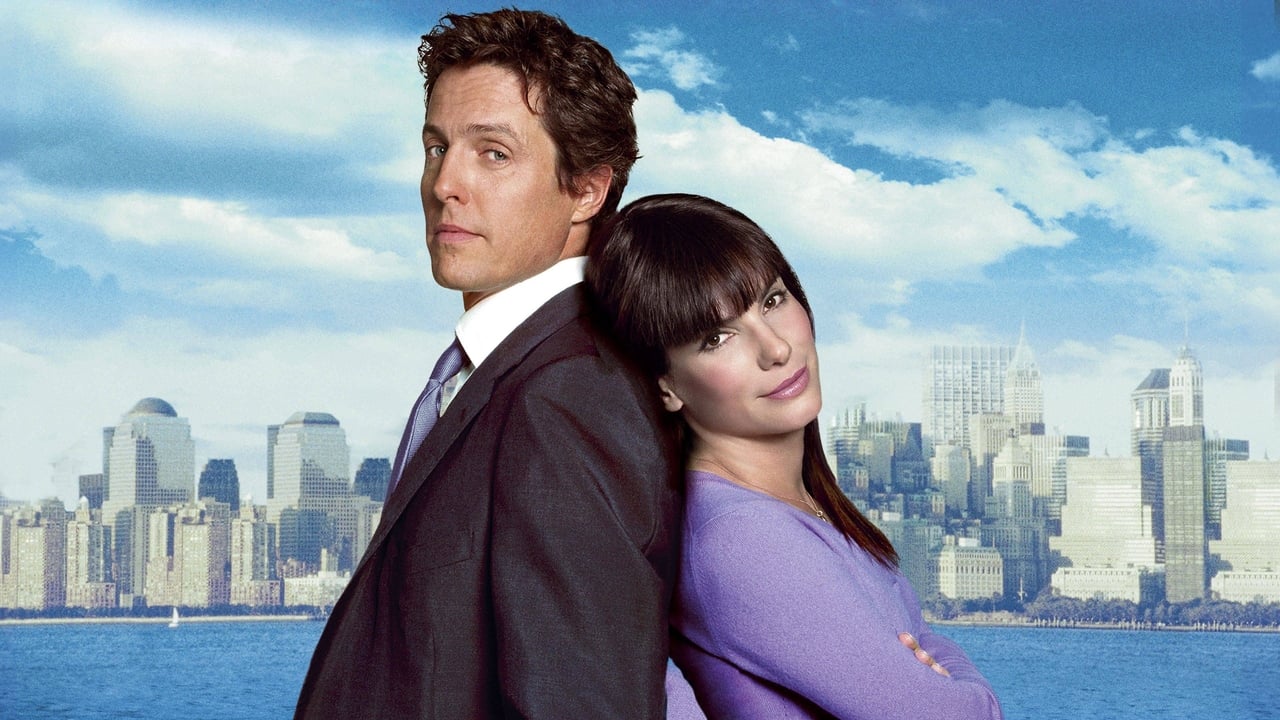
A Love Letter to a Resilient Skyline
There’s a specific weight to Two Weeks Notice that I didn't fully appreciate in 2002. It was filmed in New York City shortly after 9/11, and you can feel the production’s desire to show the city at its most sparkling and romantic. The focus on preserving community landmarks—specifically the Coney Island community center—feels less like a plot device and more like a genuine nod to the city's soul. The cinematography by László Kovács (the legend behind Easy Rider and Ghostbusters) treats the Manhattan skyline like a third lead, bathed in a warm, post-millennium glow.
The supporting cast is equally delightful, providing the necessary friction to keep the central duo from floating away. Alicia Witt is perfectly cast as the ambitious, slightly predatory June Carter, while Heather Burns (who many will remember as the "April 25th" girl from Bullock’s Miss Congeniality) brings a sweet, albeit brief, energy as Lucy’s friend. Even Robert Klein and Dana Ivey as Lucy’s parents provide a great satirical look at the "upper-west-side-intellectual" archetype that was so prevalent in turn-of-the-century cinema.
The DVD Era and the Grant-Bullock Magic

If you owned the DVD back in the day, you probably remember the special features—a hallmark of the early 2000s home video boom. There’s a specific charm to the "making-of" segments where you see Hugh Grant and Sandra Bullock genuinely cracking each other up. Apparently, Grant was actually considering retirement around this time, and it was Bullock herself who convinced him to take the role over a long dinner. That sense of mutual respect translates to every frame; they aren't just acting at each other; they are genuinely playing.
The film also benefits from a score by John Powell, who would later become the go-to guy for the Bourne franchise and How to Train Your Dragon. Here, he keeps things light and bouncy, never letting the "romance" part of the "rom-com" get too sappy. It’s a movie that knows exactly what it is: a sophisticated, funny, slightly cynical but ultimately sweet escapist fantasy. It’s from a time before comedies felt the need to be "edgy" to get a laugh, relying instead on the inherent humor of two people who are clearly wrong for each other being undeniably right together.
Two Weeks Notice isn't trying to change the world, even if its protagonist is. It’s a testament to the power of the "star vehicle" during a transitional era of Hollywood where the personal brand of an actor was just as important as the script. It’s a breezy, intelligent comedy that reminds us why we fell in love with these two actors in the first place. If you’re looking for a film that feels like a crisp New York autumn day, this is your best bet.
Looking back, the film’s greatest legacy might just be its rewatchability. It’s the kind of movie you stop on while flipping through channels (or scrolling through a streaming library) and realize you’ve suddenly watched forty minutes of it without meaning to. It’s light, it’s witty, and it manages to make corporate law and historic preservation feel like the most romantic topics on earth. We might not get "star vehicles" like this much anymore, but I'm glad this one is still in the rotation.
Keep Exploring...
-
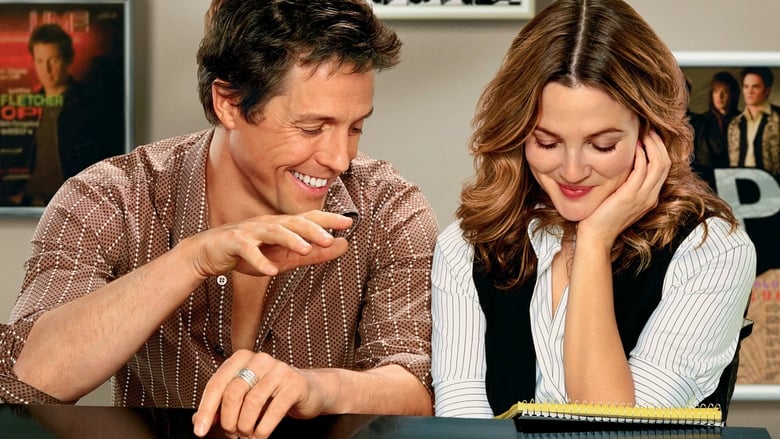
Music and Lyrics
2007
-

While You Were Sleeping
1995
-

Practical Magic
1998
-

George of the Jungle
1997
-
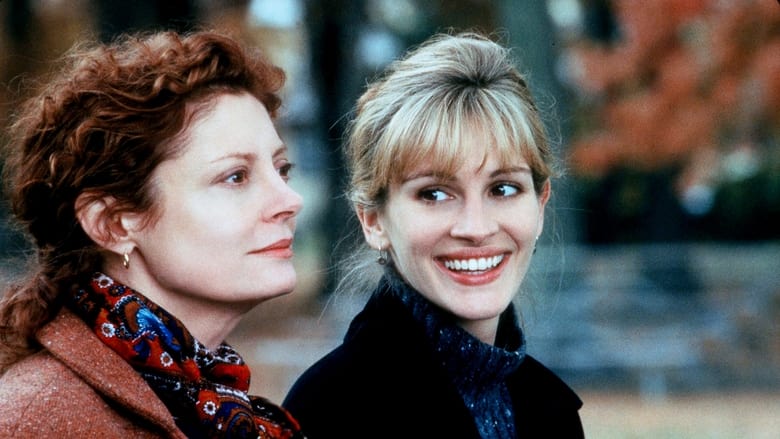
Stepmom
1998
-
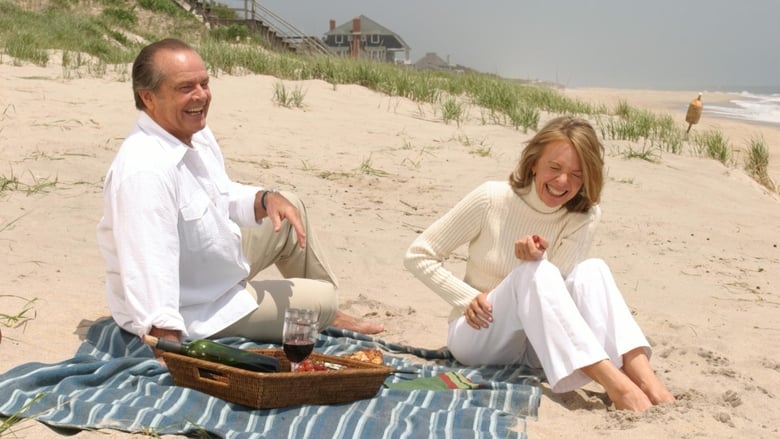
Something's Gotta Give
2003
-
Shall We Dance?
2004
-

Shrek 2
2004
-
The Break-Up
2006
-
Miss Congeniality 2: Armed and Fabulous
2005
-

Notting Hill
1999
-

Shakespeare in Love
1998
-
The Wedding Singer
1998
-

There's Something About Mary
1998
-
Miss Congeniality
2000
-
About a Boy
2002
-
Freaky Friday
2003
-

Just Married
2003
-

Monster-in-Law
2005
-

The Bounty Hunter
2010