Unfaithful
"The most dangerous lies are told in silence."
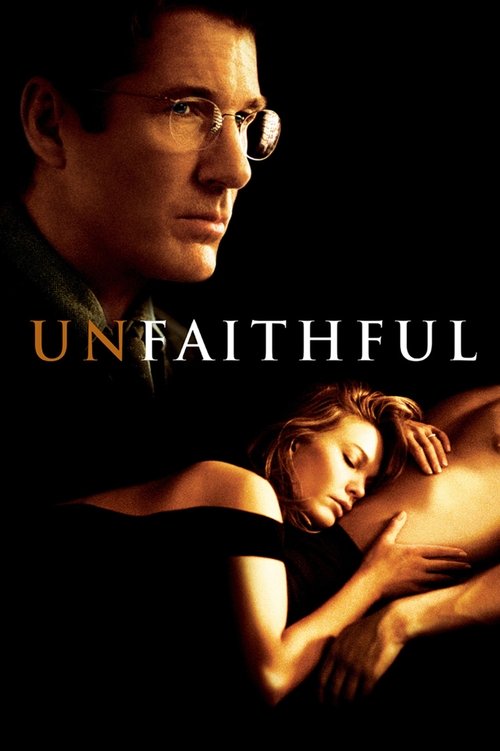
The wind is the first thing I remember. Not the affair, not the betrayal, but that oppressive, gale-force New York wind that literally knocks Diane Lane off her feet and into the arms of a handsome stranger. It’s a bit on the nose, isn't it? A literal storm acting as a harbinger for the emotional hurricane to follow. Yet, as I sat there rewatching this recently—while trying to assemble a particularly stubborn IKEA nightstand and eventually stripping a screw out of sheer empathetic tension—I realized that Unfaithful is far more than the "steamy thriller" its marketing suggested back in 2002.

By the early 2000s, the "erotic thriller" was supposed to be dead, or at least relegated to the dusty back shelves of Blockbuster. The 90s had exhausted the genre with a string of increasingly silly Basic Instinct clones. But director Adrian Lyne (the man behind Fatal Attraction and 9½ Weeks) decided to take one last swing at it. Instead of going bigger and louder, he went smaller, quieter, and much more devastating. He took a 1969 Claude Chabrol film (La Femme infidèle) and turned it into a masterfully paced autopsy of a "perfect" life.
The Face of a Thousand Regrets
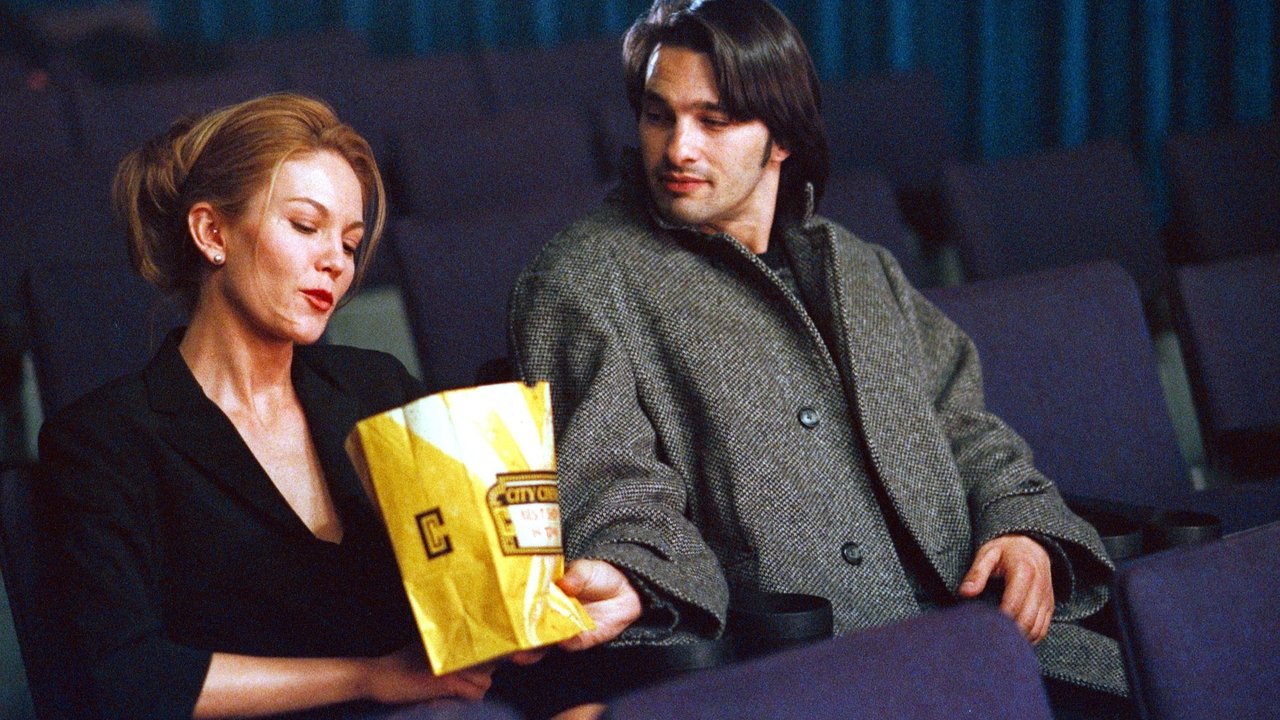
If you want to understand why this movie works, you only need to look at Diane Lane. Her performance as Connie Sumner is, quite frankly, the kind of work that usually gets ignored in films involving this much floor-rolling. There is a specific sequence on a commuter train, shortly after her first tryst with Olivier Martinez’s Paul Martel, where the camera just stays on her face. For several minutes, we see her cycle through laughter, shock, arousal, and soul-crushing guilt without a single word of dialogue.
It’s one of the best pieces of acting from the entire decade. Diane Lane manages to make Connie’s descent feel like an accident that she’s somehow choosing to let happen. We’ve all been there—not necessarily in an affair with a French book collector—but in that moment where you know you’re making a mistake and you simply find yourself curious to see how much it will hurt. Looking back, it’s no wonder she secured an Oscar nomination for this; she carries the moral weight of the film on her shoulders while Olivier Martinez mostly just has to look pretty and speak in a heavy accent. Paul Martel is less a romantic lead and more a walking red flag with a French accent, but through Connie’s eyes, we see exactly why she’s willing to burn her house down for him.
The Quiet Agony of the Cuckold
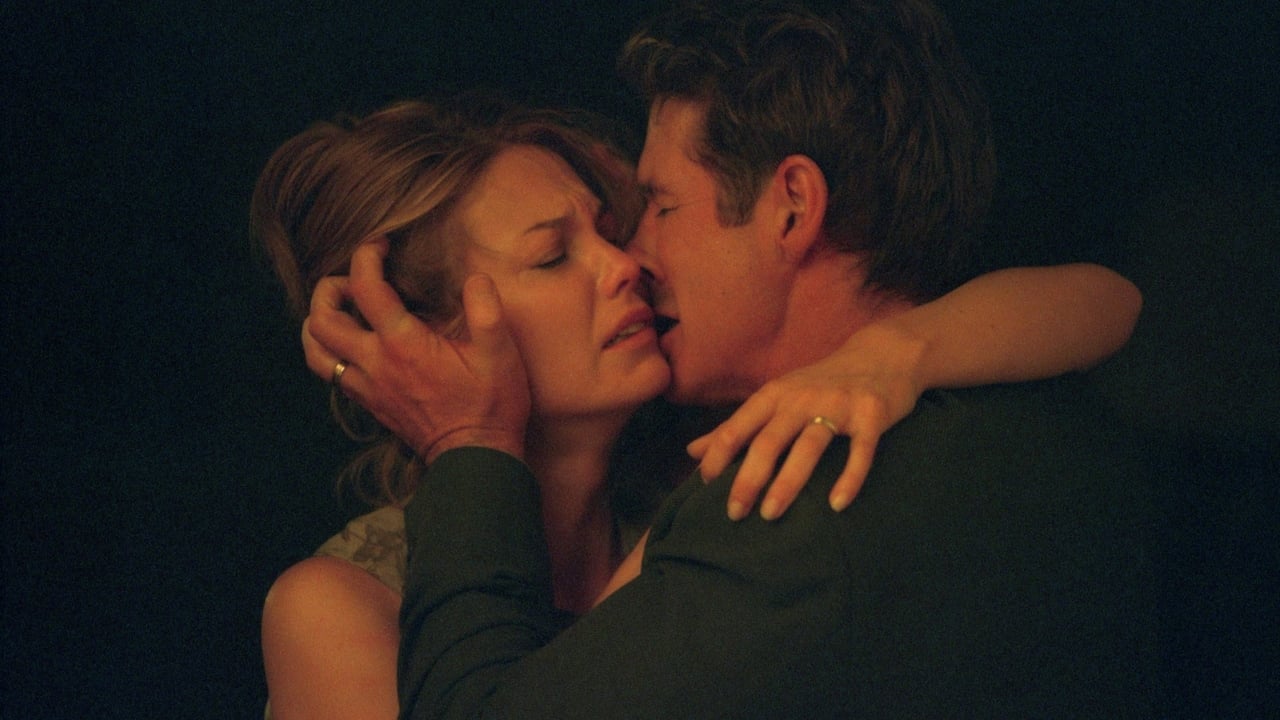
Then there’s Richard Gere. In 2002, Richard Gere was still very much the "Silver Fox," the guy from Pretty Woman who always had the upper hand. In Unfaithful, he’s Edward Sumner: a man who wears slightly-too-large sweaters and lives for his son, played with a sweet, pre-fame innocence by Erik Per Sullivan (yes, Dewey from Malcolm in the Middle).
Gere’s performance is a study in repressed suburban masculinity. He doesn't play Edward as a hero or a villain, but as a man who is slowly realizing the floor beneath him is made of thin ice. The way he navigates the suspicion—the tiny clues, the misplaced phone calls, the smell of another man’s cologne—is agonizing. When he finally confronts Paul, it doesn't feel like an action movie showdown. It feels messy, desperate, and tragically human. The snow globe scene proves that high-end home decor is a legitimate safety hazard, and the fallout from that moment shifts the film from a drama about cheating into a haunting noir about the secrets we keep to preserve a lie.
A Relic of the "Adult" Drama
Watching Unfaithful today feels like visiting a lost civilization. This was the tail end of the era where major studios would drop $50 million on a R-rated drama for adults—no superheroes, no multiverses, just three people in a room making terrible decisions.

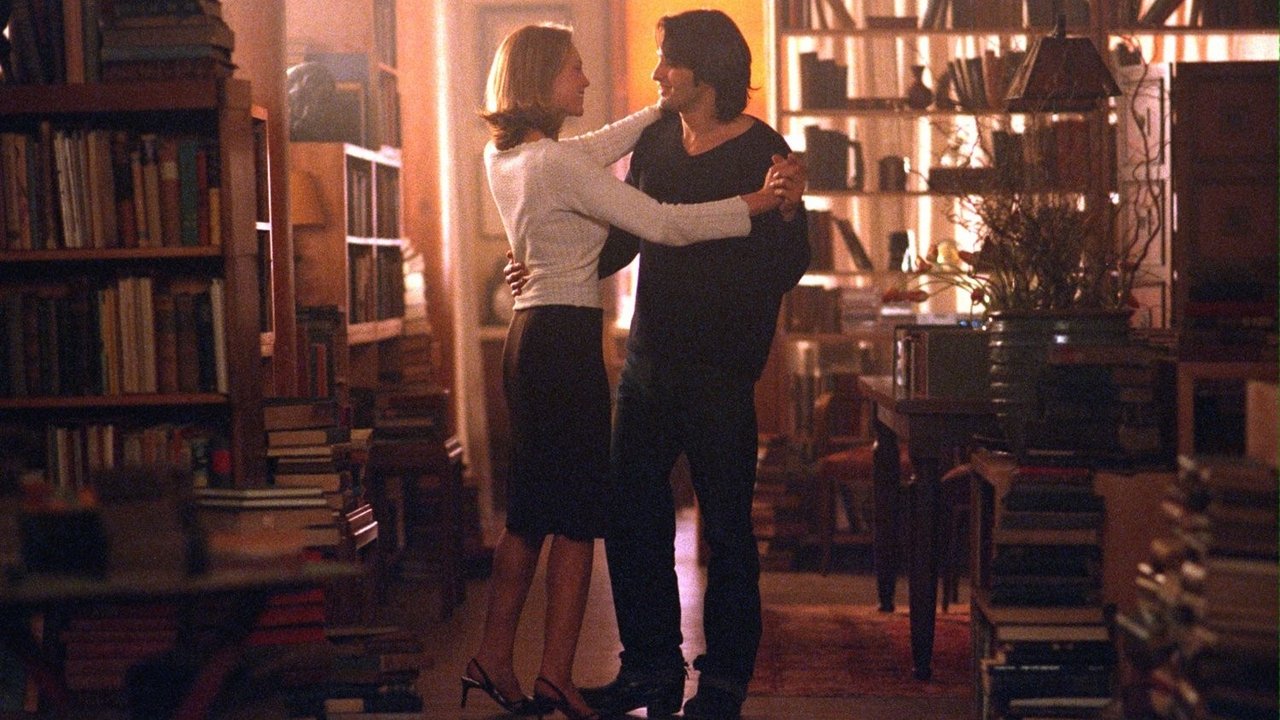
The film also captures that specific Y2K-era transition. The Sumners’ house is filled with analog warmth—books, record players, and that gorgeous 35mm grain captured by cinematographer Peter Biziou. Yet, the intrusion of "new" tech—the cell phones and the ease of digital discovery—starts to bleed in. It’s a "Modern Cinema" piece that feels anchored in the tactile world. You can almost feel the texture of the sweaters and the coldness of the bathroom tiles.
Apparently, the ending of the film was a massive point of contention during production. Test screenings led to multiple versions being considered, but Lyne fought for the ambiguous, haunting finale we eventually got. It’s an ending that doesn't offer the easy catharsis of a "happily ever after" or a "justice is served" trope. Instead, it leaves you sitting in the car with Edward and Connie, staring at a red light, wondering if you can ever truly go back home once the doors have been kicked in.
Unfaithful is the rare thriller that cares more about the "why" than the "how." It’s a beautifully shot, superbly acted reminder that the most terrifying thing in the world isn't a monster under the bed, but the realization that you don't actually know the person sleeping next to you. It's a film that deserves to be pulled out of the "obscure 2000s" pile and given a proper retrospective. Just maybe don't watch it with your spouse if the "sexual spark" has been a bit low lately—it might make for a very quiet car ride home.
Keep Exploring...
-
Lolita
1997
-
Confessions of a Dangerous Mind
2002
-
The Phantom of the Opera
2004
-

Indecent Proposal
1993
-
The Quick and the Dead
1995
-

The Devil's Own
1997
-
Stay
2005
-
Kill Your Darlings
2013
-
Labor Day
2013
-
Shall We Dance?
2004
-
Brooklyn's Finest
2010
-
Arbitrage
2012
-

Fatal Attraction
1987
-
Original Sin
2001
-

Match Point
2005
-
The Illusionist
2006
-

Jacob's Ladder
1990
-
Conspiracy Theory
1997
-
The Saint
1997
-
Volcano
1997