We Were Soldiers
"The valley of death has a heartbeat."

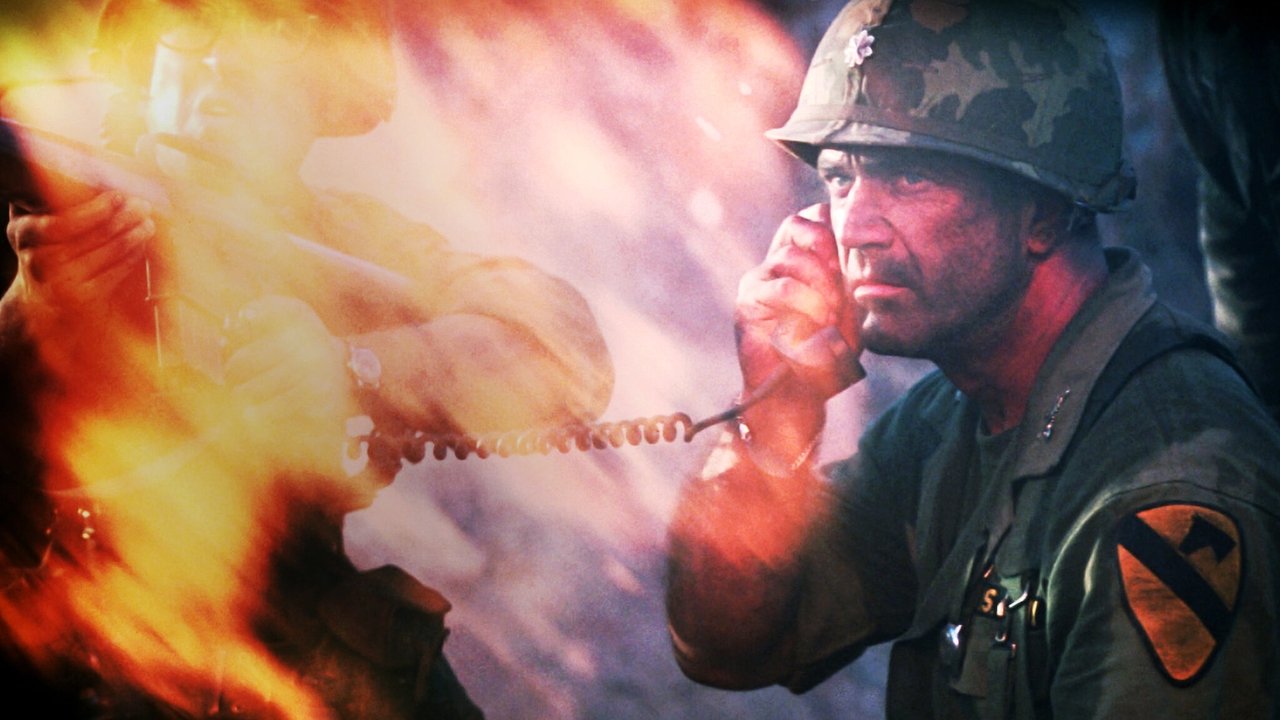
The film opens with a massacre that isn’t American, a choice that still feels gutsy for a big-budget Hollywood war epic. We see a French unit in 1954 being systematically dismantled in the high grass of Vietnam, a grim foreshadowing of the geography that would eventually swallow a generation of U.S. soldiers. By the time we fast-forward to 1965, the air is thick with the "New Air Cavalry" doctrine, and Mel Gibson is stepping into the boots of Lt. Col. Hal Moore.
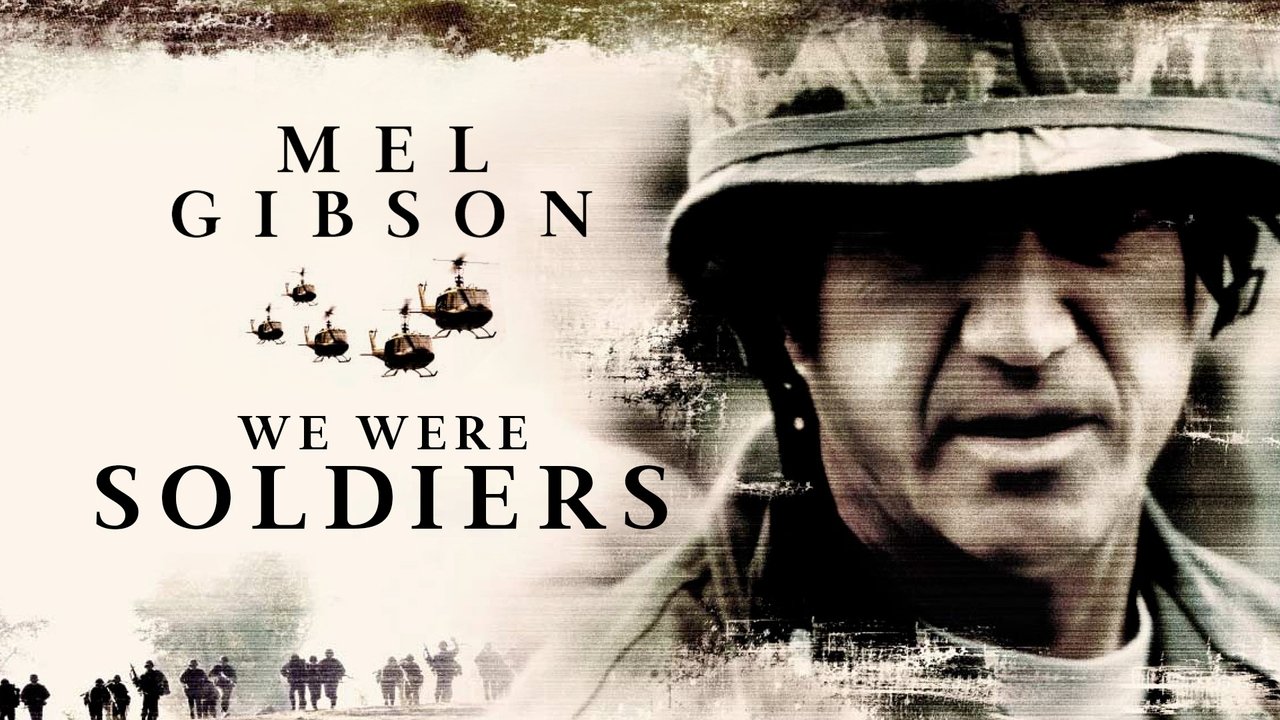
I watched this most recent time while nursing a slightly burnt tongue from a microwave burrito, which felt like a tiny, pathetic fraction of the heat radiating off the screen. Even twenty-plus years later, We Were Soldiers occupies a strange, heavy space in the canon of Modern Cinema. It arrived in early 2002, landing right in that post-9/11 window where audiences were hungry for stories about leadership and sacrifice, yet it feels significantly more grounded and somber than the glossy heroics of something like Pearl Harbor.
The Steel of the Seventh Cavalry
Director Randall Wallace (who also penned Braveheart) doesn’t go for the psychedelic, drug-addled fever dream of Apocalypse Now. Instead, he and cinematographer Dean Semler opt for a look that is dusty, tactile, and perpetually frantic. There is a specific, thumping rhythm to a UH-1 Iroquois helicopter—the "Huey"—that sounds less like a machine and more like a heartbeat here. Nick Glennie-Smith’s score occasionally leans into the over-sentimental, but the sound design of the rotors usually cuts through the sap.
The action choreography is where the film earns its stripes. It’s chaotic, but Semler keeps the camera just steady enough that you understand the "Broken Arrow" crisis. When the North Vietnamese Army (NVA) and the 7th Cavalry collide at Landing Zone X-Ray, the violence is blunt and unglamorous. There’s a scene involving a napalm strike gone wrong that haunted me when I first saw it on a grainy CRT television, and it hasn't lost its capacity to turn my stomach. It’s essentially 'Black Hawk Down' with a soul and better lighting. The film refuses to treat the NVA as a faceless horde; by showing their commander’s perspective and their own mourning, Wallace adds a layer of weight that many of its contemporaries skipped.
Telegrams and Torn Souls
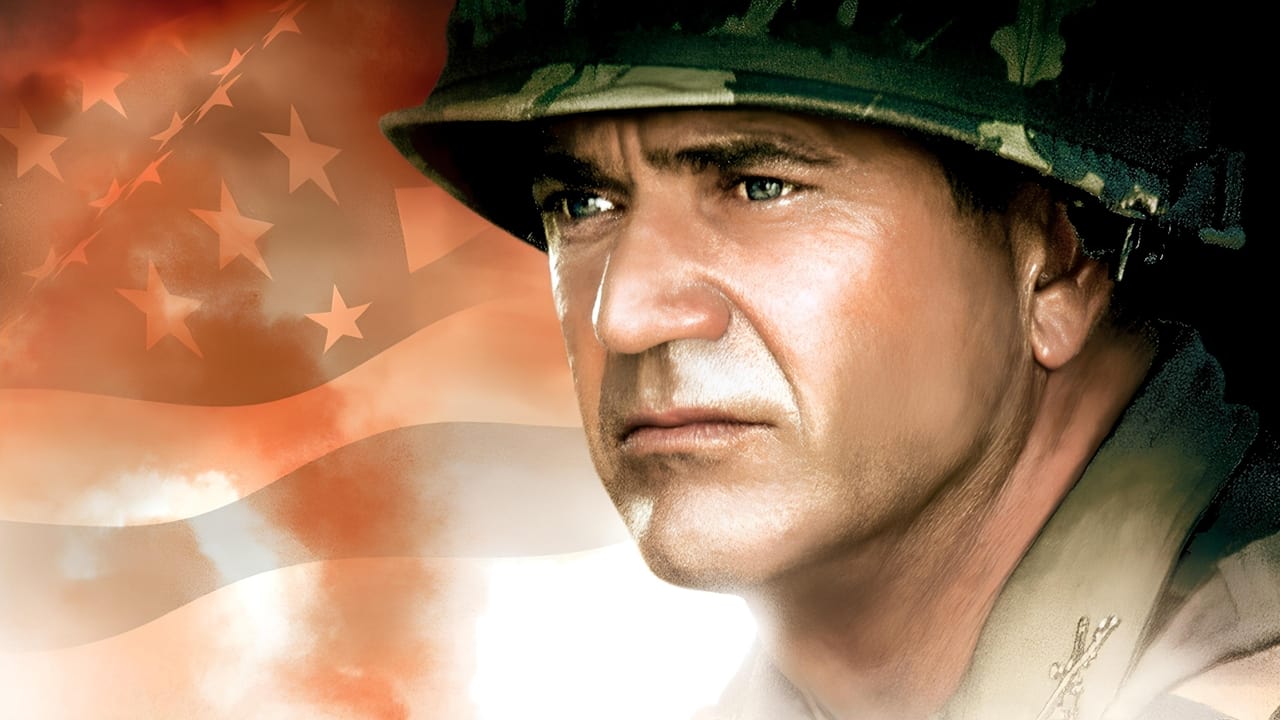
What keeps We Were Soldiers from being just another "greatest hits" reel of explosions is the parallel story of the wives back at Fort Benning. Madeleine Stowe and a young Keri Russell deliver performances that are arguably more harrowing than the jungle scenes. The sight of a yellow cab pulling up to a suburban house to deliver a telegram is a different kind of horror. It highlights the era's lack of infrastructure for grief—the Army literally didn't have a system in place for notifying next-of-kin, so they used taxi drivers.
Mel Gibson gives one of his most restrained, fatherly performances here. Before his public image became a hurricane of controversy, he was the industry standard for "The Burden of Command." He plays Moore as a man who studies his enemies' history and prays for his men's souls. Opposite him, Sam Elliott is a literal mountain of granite as Sgt. Maj. Basil Plumley. Sam Elliott’s mustache in this movie is the most disciplined thing in cinematic history. When he growls, "Sentinel remains," you believe he could stop a bullet just by staring at it.
The Cult of Accuracy and the DVD Boom
While it was a box office success, We Were Soldiers has developed a massive "cult" following specifically within the veteran community and military history circles. It’s the kind of film that people own on three different formats just to hear the commentary tracks. During the peak of the DVD era, this was the "reference disc" you used to show off your surround sound system to your neighbors.
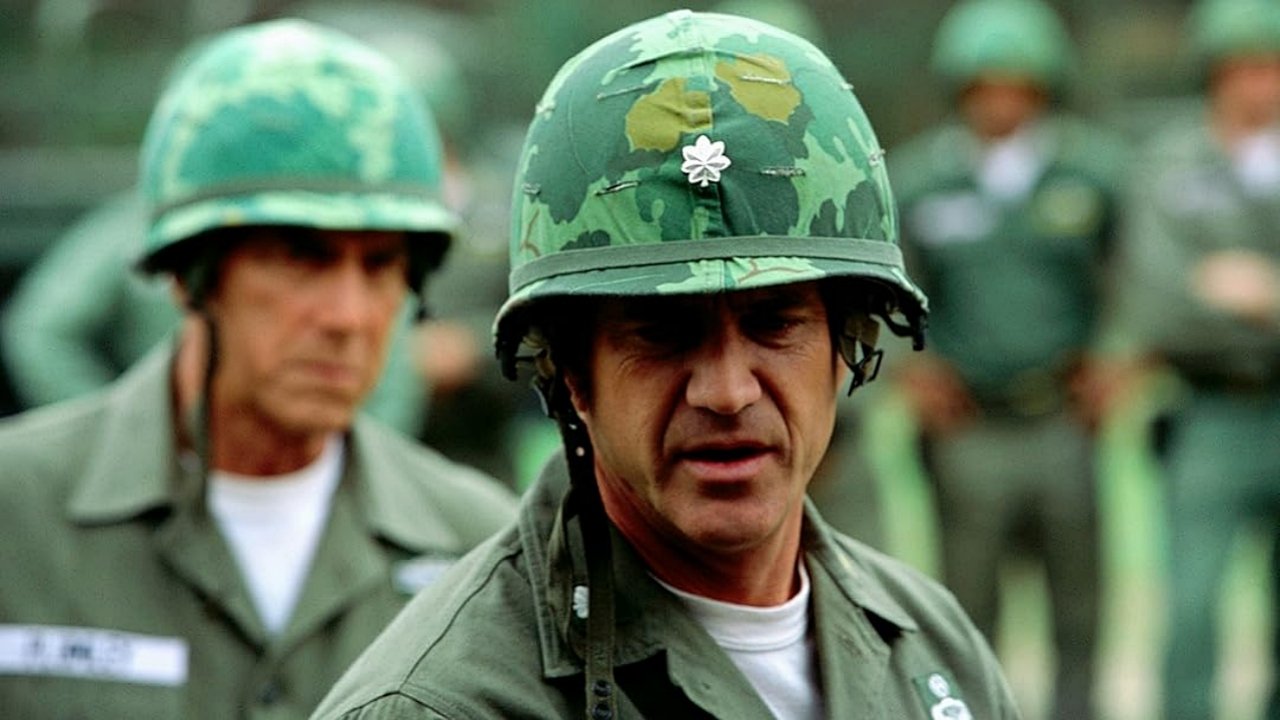
The trivia behind the production is the stuff of legend for history buffs:
The real Hal Moore was so involved that he personally corrected Mel Gibson on how to hold his weapon and how to speak to his men. Sam Elliott famously refused to use a fake mustache or even trim his own, insisting that Plumley’s ruggedness couldn’t be faked. The production used actual Huey helicopters from the era, and the pilots were often Vietnam vets who found the filming process to be a cathartic, if difficult, experience. Greg Kinnear, playing the legendary "Snake" Crandall, actually spent time flying with the real Crandall to capture the specific cockpit chatter. The "Broken Arrow" sequence used so much practical fire that the local fire departments were on permanent standby, and the heat on set was frequently over 100 degrees. Barry Pepper, playing journalist Joe Galloway, went through a mini-boot camp and was trained by Galloway himself on how to carry a camera—and a rifle—under fire.
The film isn't perfect; some of the slow-motion deaths feel a bit too "Hollywood," and the ending adds a heroic flourish that doesn't quite match the grim reality of the battle's aftermath. However, as an exploration of the first major collision between two different worlds of warfare, it is deeply effective. It captures that transition from the analog grit of the 1960s to the high-tech, digital-slickness that would define the war movies of the 2000s. It’s a heavy, intense watch, but one that respects the cost of the ground it covers.
Keep Exploring...
-
The Patriot
2000
-

Braveheart
1995
-
Black Hawk Down
2001
-
Troy
2004
-
Kingdom of Heaven
2005
-
The Last of the Mohicans
1992
-
Pearl Harbor
2001
-
King Arthur
2004
-
The Thin Red Line
1998
-
Enemy at the Gates
2001
-
Munich
2005
-
Letters from Iwo Jima
2006
-
Red Cliff
2008
-

The Man in the Iron Mask
1998
-
Hotel Rwanda
2004
-
Rurouni Kenshin Part I: Origins
2012
-

Enemy of the State
1998
-
The Last Samurai
2003
-

Alexander
2004
-
300
2007