11:14
"One town. Ten mistakes. One ticking clock."

The early 2000s were obsessed with the idea that we were all accidentally ruining each other's lives. It was the era of the "hyper-linked" narrative—think Babel, 21 Grams, or Crash—where a butterfly flaps its wings in one scene and someone gets hit by a bus three subplots later. But while those films usually went for the heavy, Oscar-baiting jugular, a little-seen gem called 11:14 decided to take that same structural DNA and turn it into a pitch-black, Rube Goldberg machine of suburban idiocy.
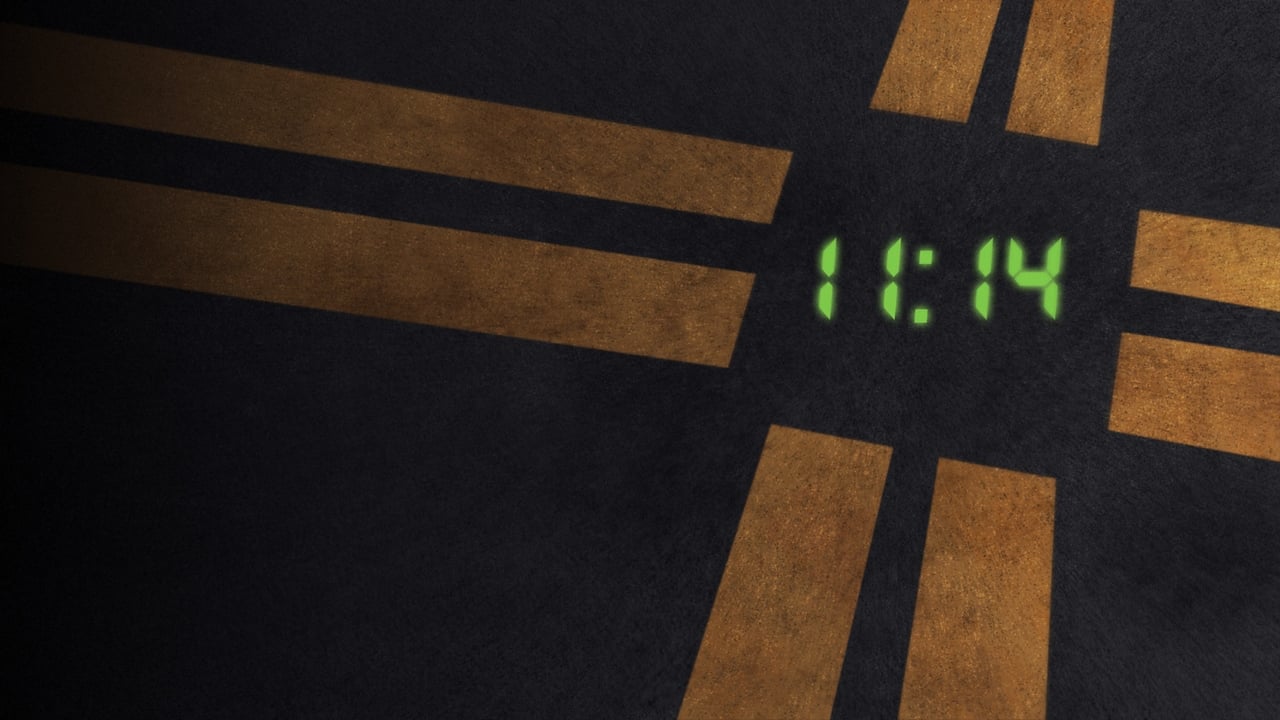
I first stumbled upon this movie in the "3 for $10" bin of a dying Blockbuster, right next to a literal stack of Phone Booth DVDs. I watched it in my basement while trying to ignore a radiator that sounded like a bag of wrenches in a dryer, and honestly, that clanking, mechanical chaos was the perfect soundtrack. 11:14 isn’t a "message" movie; it’s a beautifully synchronized car crash that invites you to laugh at the wreckage.
The Rube Goldberg of Small-Town Sin
The premise is a clock-watcher’s dream. We are dropped into the town of Middleton at exactly 11:14 PM, witnessing a series of five interconnected storylines that all converge at that specific moment. It starts with Shawn Hatosy (of The Faculty fame) and a very young Ben Foster pulling a prank involving a bowling ball and a moving car that goes sideways in the most anatomically horrifying way possible. From there, the film rewinds and branches out, showing us how a convenience store robbery, a teenage pregnancy scam, and a panicked father trying to cover up a hit-and-run all occupy the same stretch of asphalt.
What makes Greg Marcks’ script so satisfying is its mechanical precision. In an era where indie films were often accused of being aimless "mumblecore" experiments, this movie is a tightly wound watch where every gear is lubricated with spite. It’s not interested in character growth; it’s interested in character impact—specifically the kind that happens at 40 miles per hour. Seeing how a discarded soda can in the first ten minutes becomes a lethal projectile in the last ten is the kind of cinematic payoff that makes you want to rewind the DVD immediately just to check the math.
A Cast of "Before They Were Famous" Faces
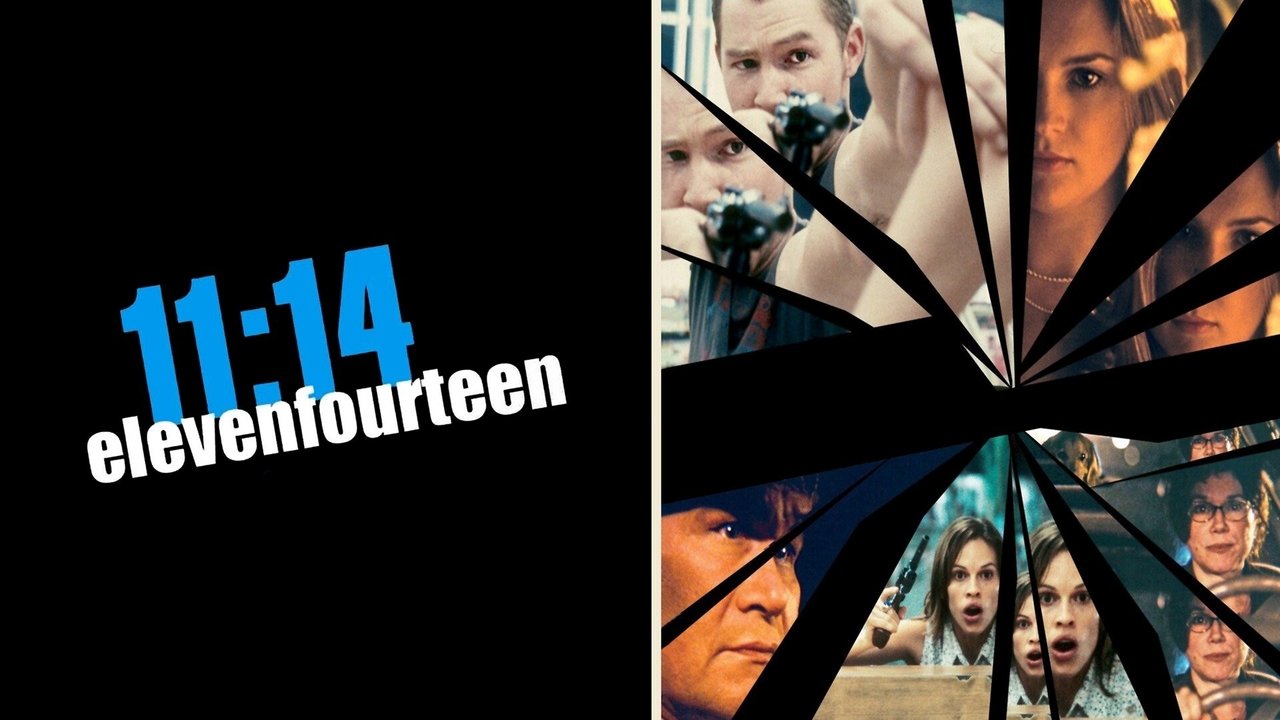
Looking back from the 2020s, the cast list feels like a fever dream of "Oh, I know them!" Rachael Leigh Cook sheds her She's All That innocence to play Cheri, a girl who treats the men in her life like disposable pawns in a very messy insurance scam. She’s fantastic here, leaning into a manipulative streak that the industry rarely let her show. Then you have Colin Hanks, playing the "nice guy" who finds himself in a situation so absurdly grim it feels like a Coen Brothers outtake.
However, the standout for me has always been Clark Gregg. Long before he was the glue of the Marvel Cinematic Universe as Agent Coulson, he was playing Officer Hannagan, a suburban dad whose attempt to protect his daughter leads to a series of panicked, increasingly hilarious bad decisions. Gregg has this incredible ability to look perpetually exhausted by the universe, and it’s weaponized perfectly here. And keep an eye out for Patrick Swayze as a mulleted, overprotective father—it’s a weird, gritty performance that reminds you he had way more range than the "romance lead" box Hollywood tried to keep him in.
The Beauty of the "Mean-Spirited" Indie
There’s a specific flavor to 2003 indie cinema that we don't see as much anymore. It was post-Pulp Fiction but pre-MCU, a time when digital cameras were starting to make filmmaking accessible, but directors were still obsessed with the gritty, grainy look of film. 11:14 captures that "late-night gas station" aesthetic perfectly. The cinematography by Shane Hurlbut (who later became famous for a certain on-set blowout with Christian Bale) uses sickly greens and yellows that make the whole town feel like it’s under a fluorescent light.
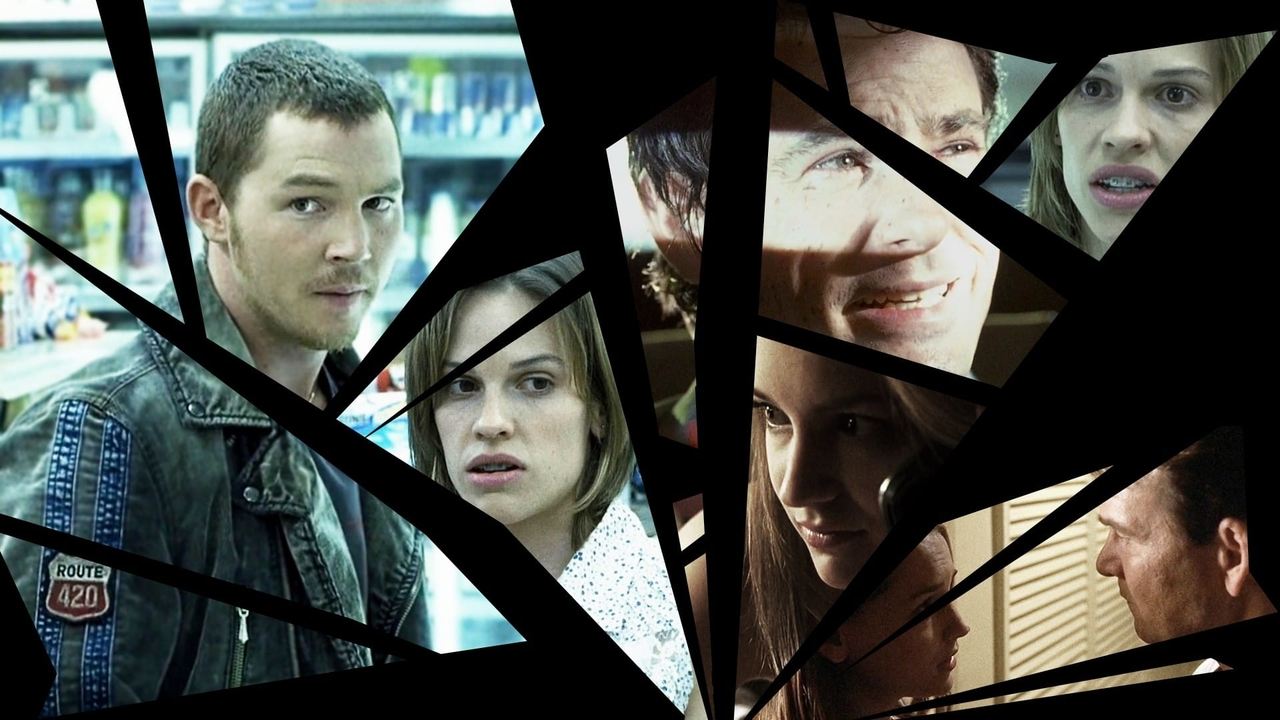
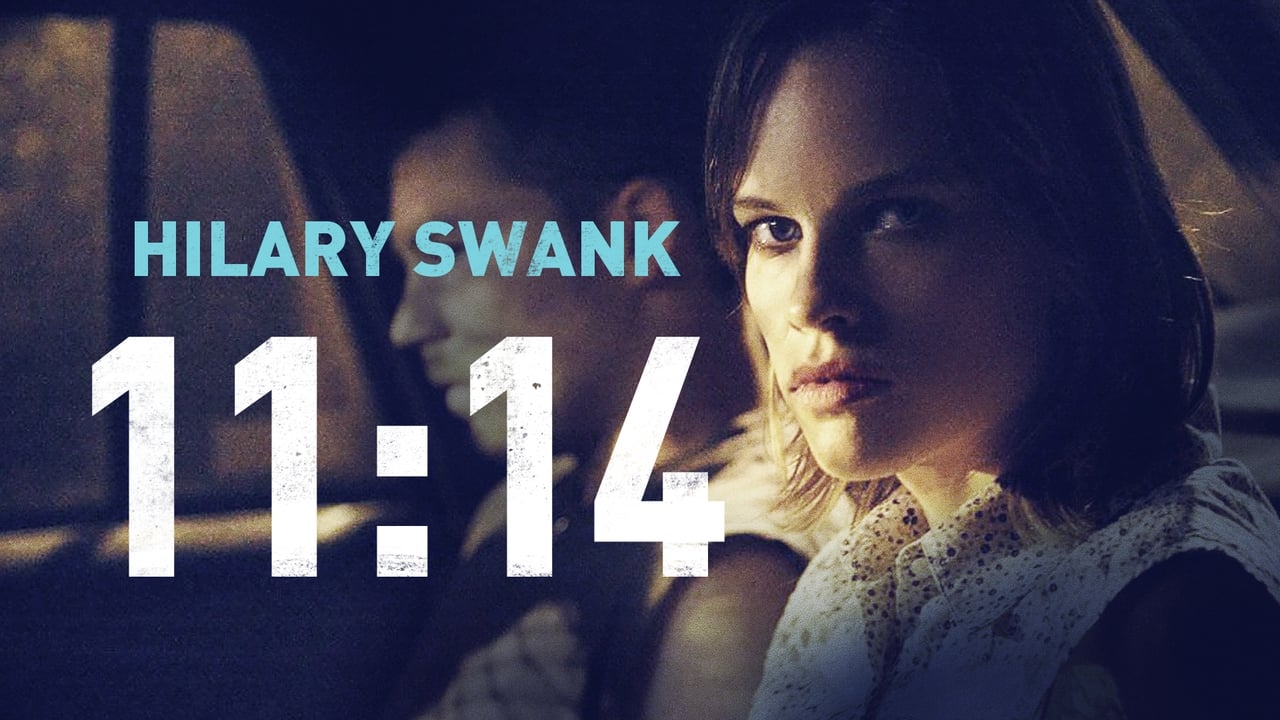
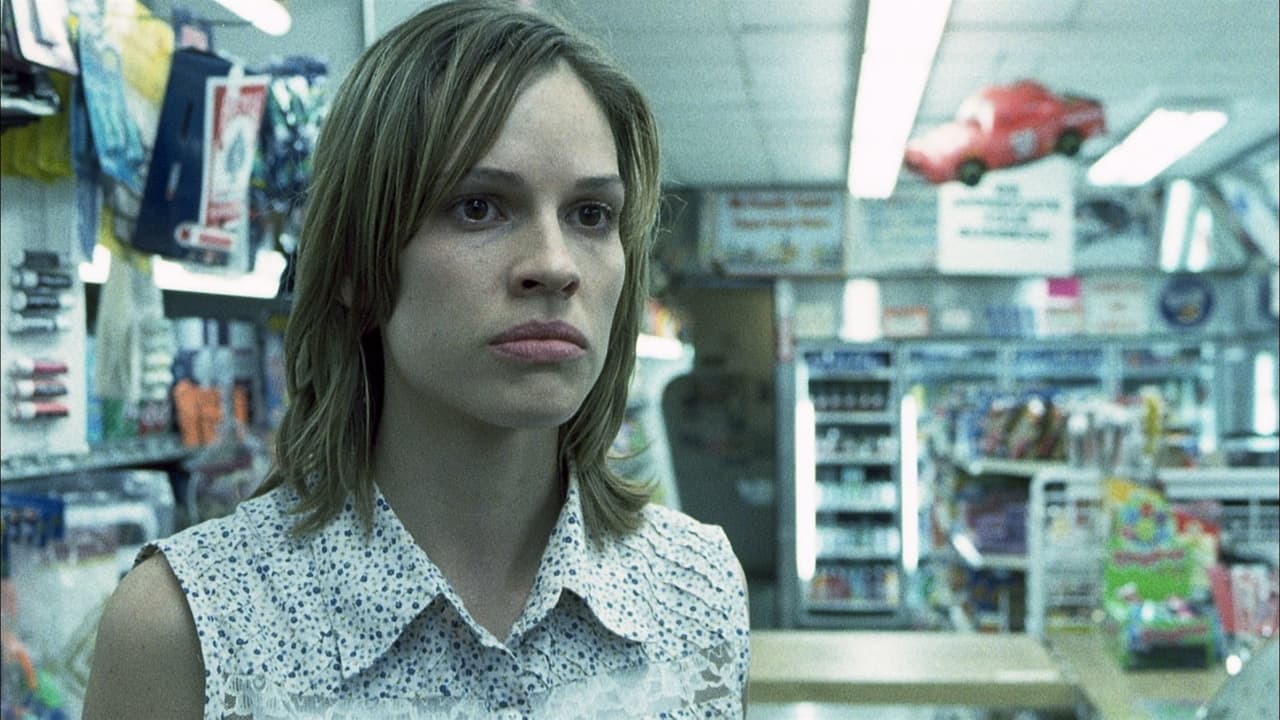
The film's obscurity is a bit of a mystery. It was produced by Hilary Swank (who also has a fun, dressed-down cameo as a convenience store clerk), but it sat on a shelf for a year or two before getting a limited release. Maybe it was too cynical for the mainstream, or maybe the "overlapping timeline" gimmick was starting to feel like a tired trend by 2003. Regardless, it holds up better than most of its peers because it doesn’t take itself seriously. It’s a cynical, bloody comedy that treats human stupidity as the ultimate cosmic force. It’s the kind of movie where you feel a little guilty for laughing, especially during the infamous "bridge incident," but the timing is so precise you can’t help yourself.
If you’re a fan of movies like Go or U Turn, or if you just enjoy watching a well-oiled plot click into place like a Tetris block, 11:14 is a mandatory watch. It’s a lean 86 minutes of pure momentum that respects your time and your intelligence. It reminds me of a time when "indie" didn't mean "sad people talking in kitchens," but rather "crazy people doing stupid things in the dark." Grab some snacks, ignore the ticking of your own clock, and enjoy the beautiful, synchronized chaos of Middleton's worst night ever.
Keep Exploring...
-
Shoot 'Em Up
2007
-
Smokin' Aces
2006
-
Stand Up Guys
2012
-
Rumble in the Bronx
1995
-
The Guard
2011
-
Confessions of a Dangerous Mind
2002
-
The Ladykillers
2004
-
Lethal Weapon 4
1998
-
Out of Sight
1998
-
Lake Placid
1999
-
Eight Legged Freaks
2002
-
Another 48 Hrs.
1990
-
Lethal Weapon 3
1992
-
Bad Boys
1995
-
Matchstick Men
2003
-
Alpha Dog
2006
-
Blue Streak
1999
-
Taxi 2
2000
-
The Mexican
2001
-
National Security
2003