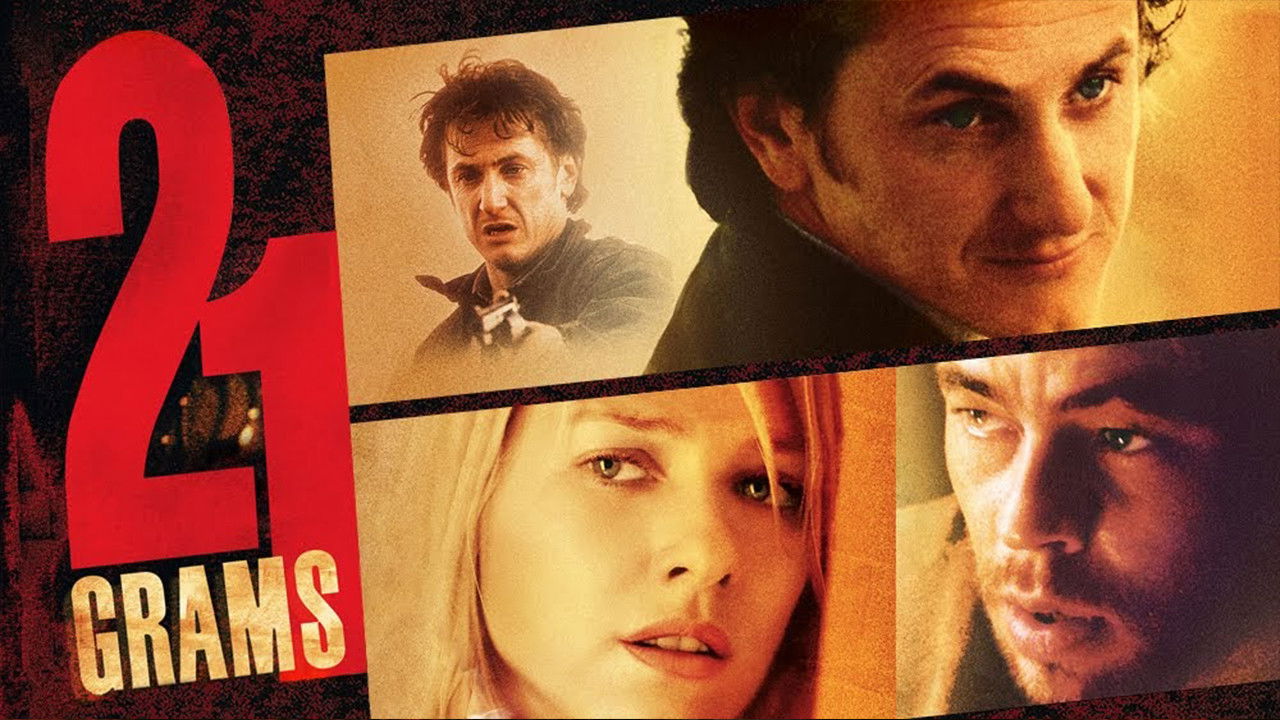
21 Grams
"Twenty-one grams. The weight of five nickels. The weight of a soul."
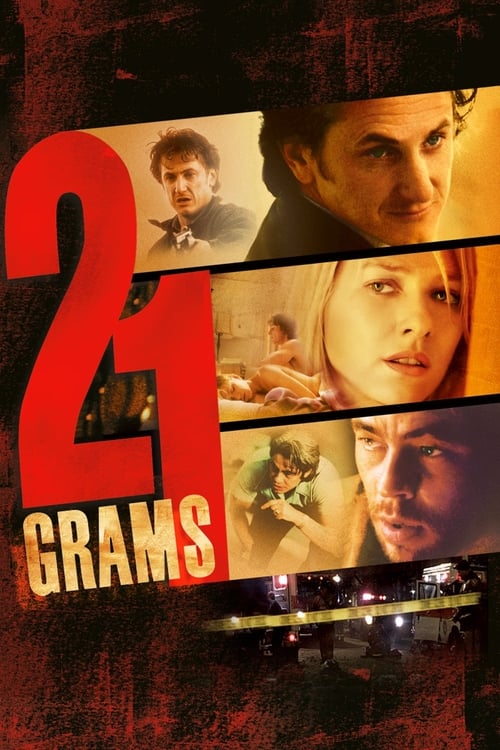
The urban legend goes that at the exact moment of death, the human body loses precisely twenty-one grams. It’s a poetic, pseudo-scientific hook that suggests our souls have a physical presence, a measurable heaviness we carry until the very end. But watching Alejandro González Iñárritu’s 2003 masterpiece, you realize that the real weight isn't what leaves us when we die—it’s the crushing mass of grief, guilt, and sheer "what-if" baggage that the living are forced to lug around.
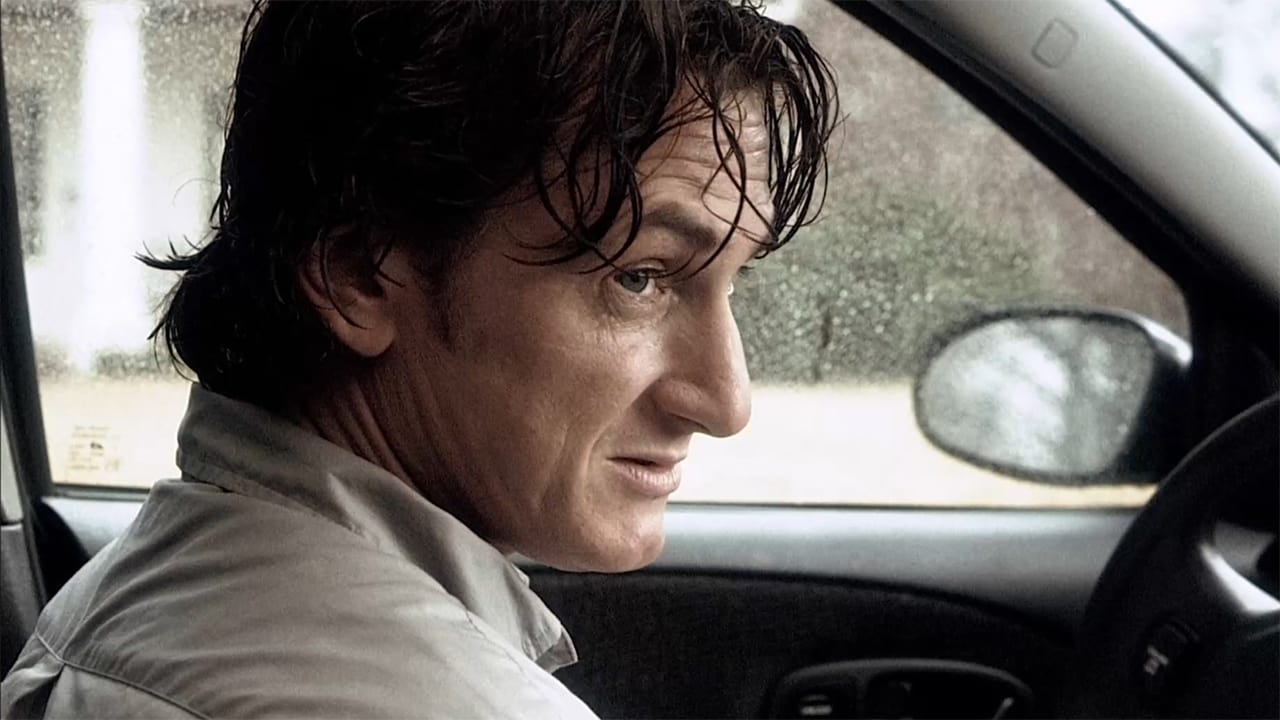
I first watched this on a DVD I borrowed from a guy who moved to Portland without leaving a forwarding address, and the disc had a thumbprint smudge right in the middle that made Sean Penn’s face glitch into a digital mosaic during the hospital scenes. Strangely, the stuttering video only added to the film’s jagged, fractured energy.
The Beautiful, Bleeding Jigsaw Puzzle
This isn't a movie you watch so much as one you survive. It belongs to that early-2000s wave of "Hyperlink Cinema"—think Magnolia or Crash—where separate lives collide in a cosmic car wreck. But while those films can sometimes feel like a screenwriter playing God with a map, 21 Grams feels like a nervous breakdown caught on 35mm film.
The story is told out of order. We jump from a grieving mother to a dying mathematician to a religious ex-con, then back to the moments before the tragedy, then forward to the aftermath. It’s a jigsaw puzzle where the pieces are made of broken glass. Guillermo Arriaga’s script refuses to let you get comfortable. Just as you start to understand why Naomi Watts is snorting cocaine in a bathroom, the film yanks you back to a time when she was a happy suburban mom, making the contrast almost unbearable.
Watching this back-to-back with a cheerful rom-com is the only way to prevent a total emotional collapse. It is relentlessly dark, yet there’s a craftsmanship here that keeps you glued to the screen. You’re constantly scanning the frame for clues, trying to orient yourself in time, which forces a level of engagement most dramas don't have the guts to demand.
Performances That Leave Scars
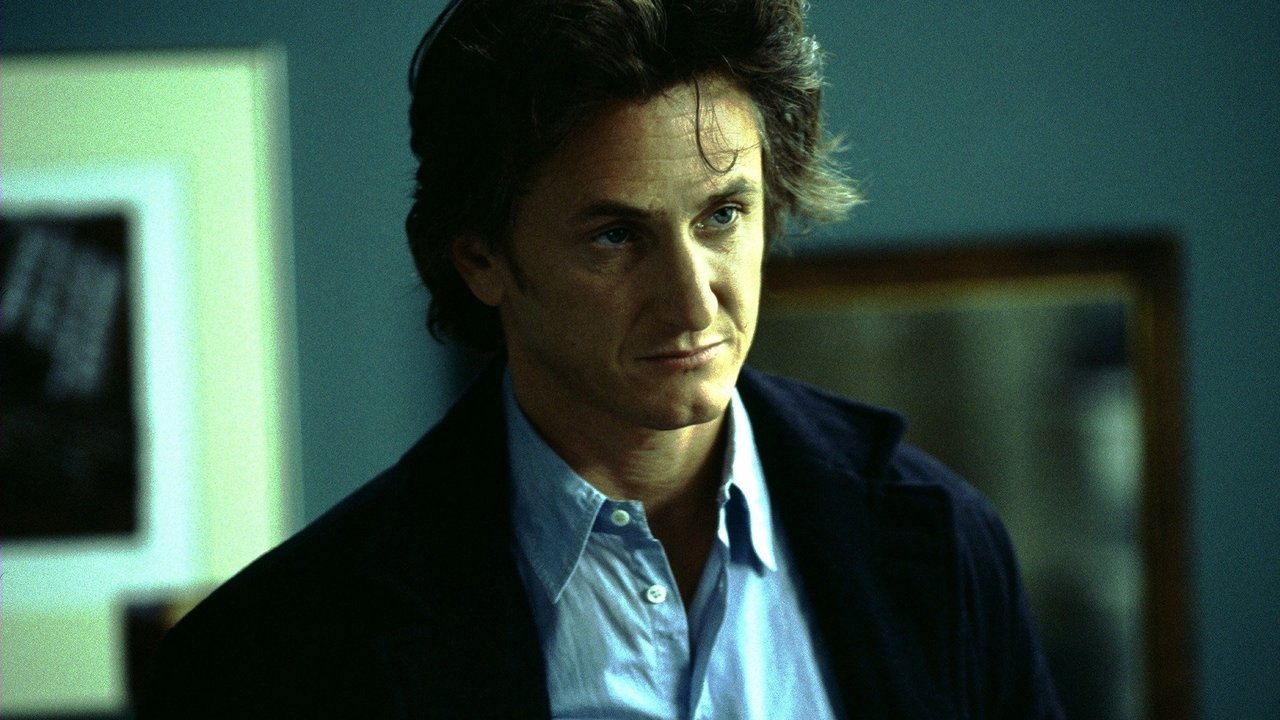
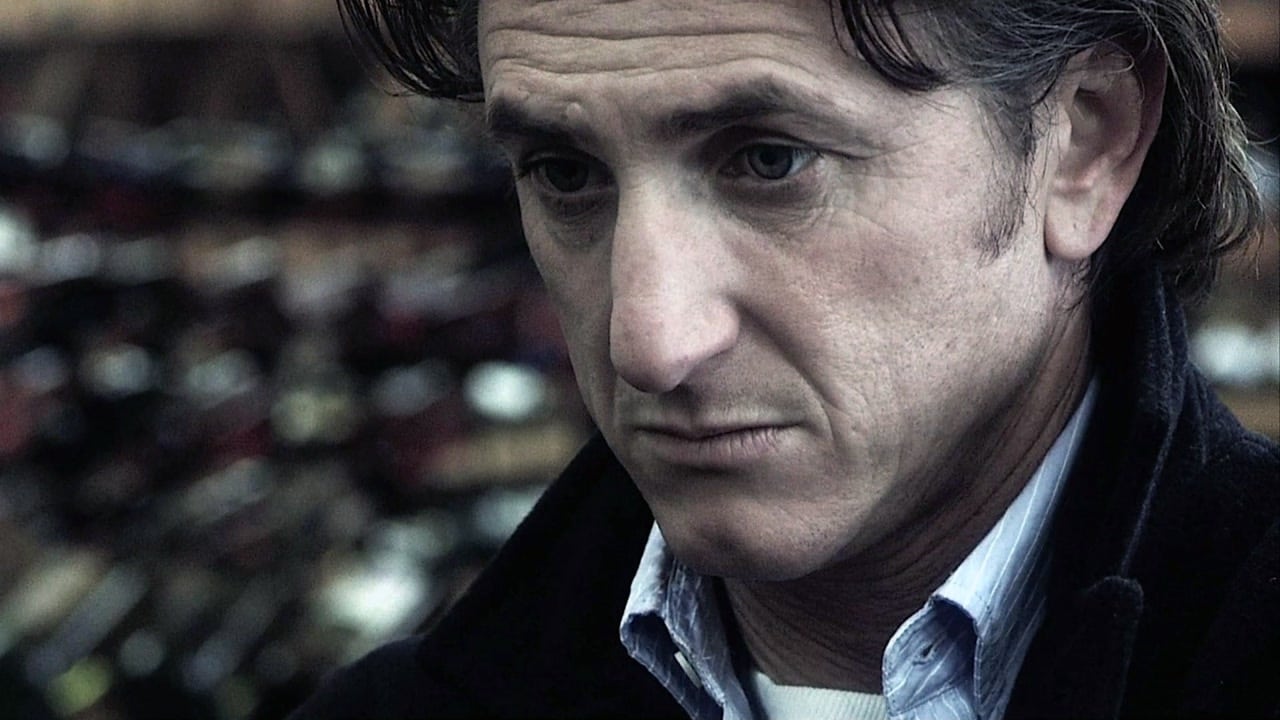
The heavy lifting is done by a trio of actors who seem to be competing to see who can bleed the most for the camera. Sean Penn plays Paul Rivers, a man literally dying for a new heart. He’s great, bringing a quiet, desperate stillness to the role, but the film truly belongs to the other two.
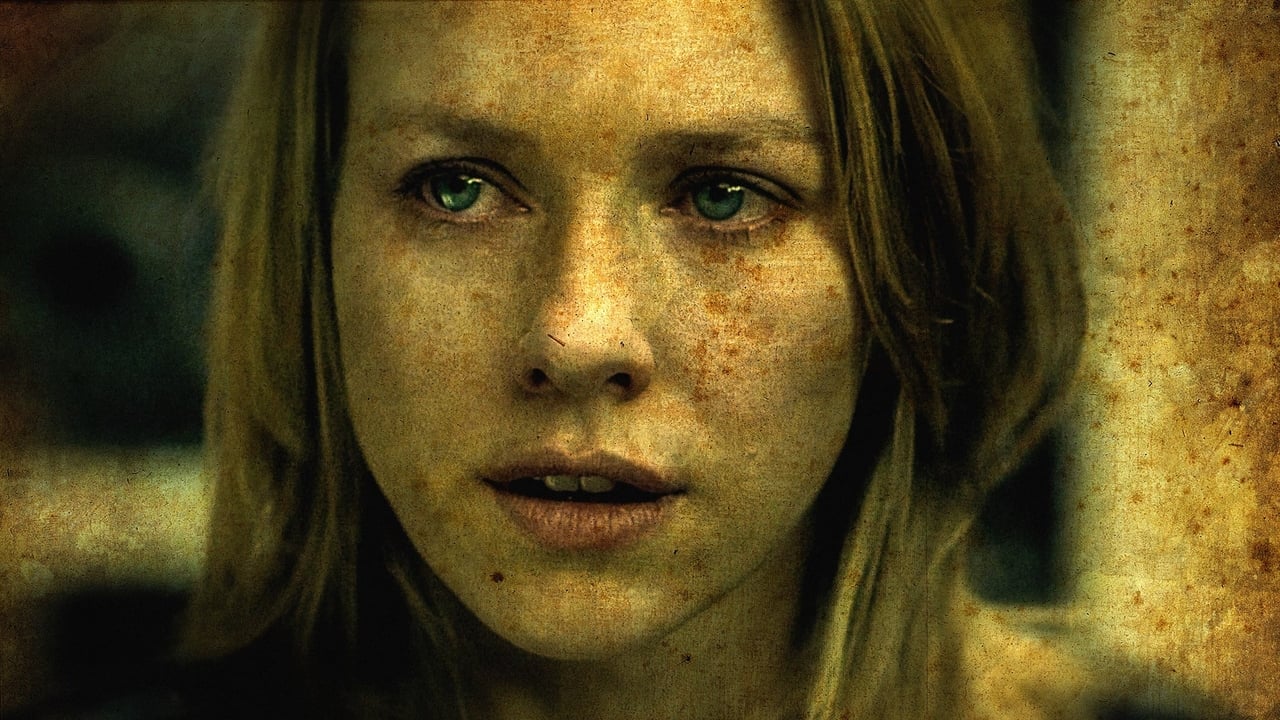
Naomi Watts is a revelation as Cristina Peck. Coming off the back of Mulholland Drive, she solidified herself here as the queen of the high-stakes breakdown. There is a scene where she receives a phone call—the call no one ever wants to get—and her reaction is so raw it feels intrusive to watch. It’s the kind of performance that makes you realize how much "movie acting" usually protects us from actual pain.
Then there’s Benicio del Toro as Jack Jordan. Jack is a born-again ex-con who believes God gave him a truck, only to have that same truck become the instrument of a family’s destruction. Benicio del Toro plays Jack with a vibrating, terrifying intensity. He manages to make Jack both a villain and a victim of his own fanatical conscience. Apparently, Benicio del Toro actually stayed in character so much that he slept in the cars and wore the same grimy clothes to keep that "man on the edge" aura. It worked. He looks like a man who hasn't had a peaceful thought in a decade.
The Gritty Soul of the Early Aughts
Technically, the film is a masterclass in mood. Cinematographer Rodrigo Prieto (who would go on to shoot The Wolf of Wall Street and Barbie) uses a "bleach bypass" process that makes the colors look bruised and the shadows look like ink. It’s handheld, shaky, and intimate. It captures that specific turn-of-the-century indie aesthetic where film grain was used like a weapon to strike down the gloss of the 90s.
There’s a bit of trivia fans love: despite the finished film being a non-linear scramble, Alejandro González Iñárritu actually shot most of the movie in chronological order to help the actors maintain their emotional trajectories. That’s a luxury in filmmaking, and you can see the results in the way the characters seem to physically deteriorate as the runtime progresses.
By the time the credits roll to the haunting, minimalist score by Gustavo Santaolalla, you feel like you’ve been through a physical ordeal. It’s a film that asks if we are just the sum of our mistakes, or if there’s some small, 21-gram part of us that transcends the mess we make of our lives.
21 Grams is the peak of the "miserablist" cinema of the early 2000s, but it earns its gloom through sheer acting power and a structure that mimics the way memory actually works—in flashes, stabs, and regrets. It’s not a "fun" Friday night flick, but it’s a vital piece of the era that proved movies didn't need a linear path to reach a devastating conclusion. Just make sure you have something lighthearted queued up for afterward.
Keep Exploring...
-
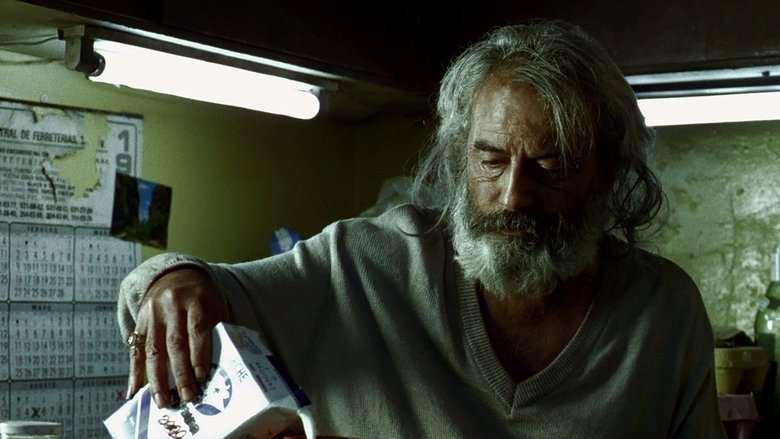
Amores Perros
2000
-

Mystic River
2003
-
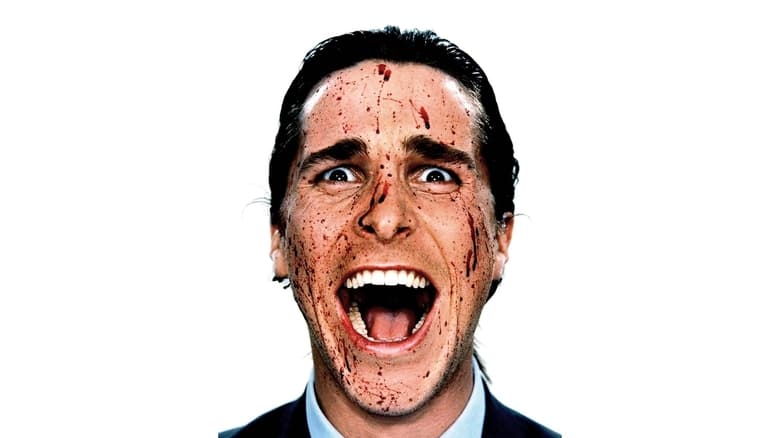
American Psycho
2000
-
John Q
2002
-
Lucky Number Slevin
2006
-

The Negotiator
1998
-
Road to Perdition
2002
-
Dogville
2003
-
The Life of David Gale
2003
-

A History of Violence
2005
-

Traffic
2000
-

Falling Down
1993
-
Natural Born Killers
1994
-

Jackie Brown
1997
-
The Next Three Days
2010
-
Drive
2011
-
The Lincoln Lawyer
2011
-
End of Watch
2012
-
Nightcrawler
2014
-

Lord of War
2005