A Tale of Two Sisters
"The prettiest nightmares are always the most lethal."
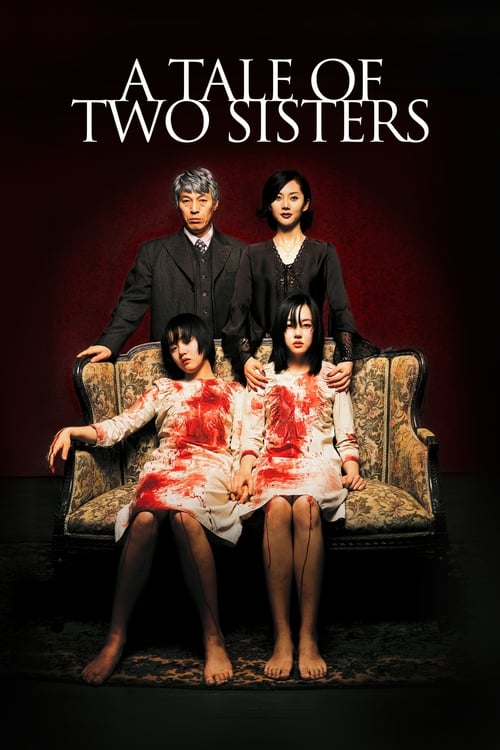
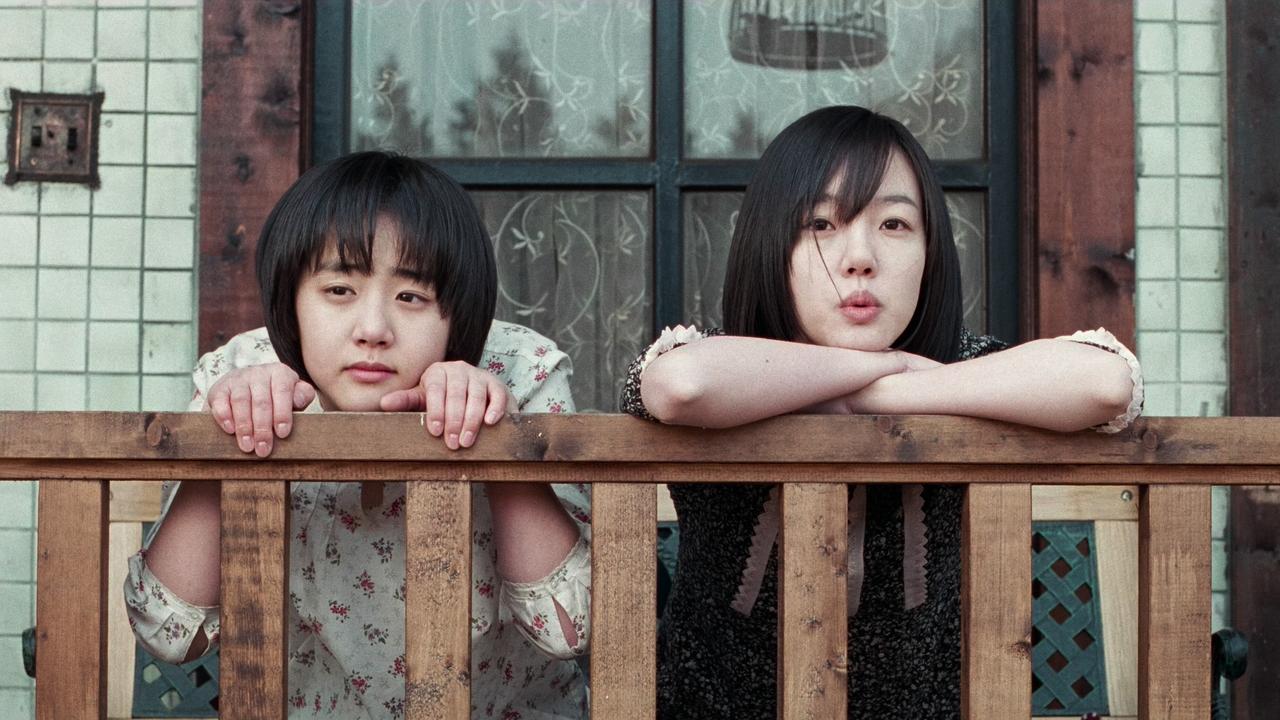
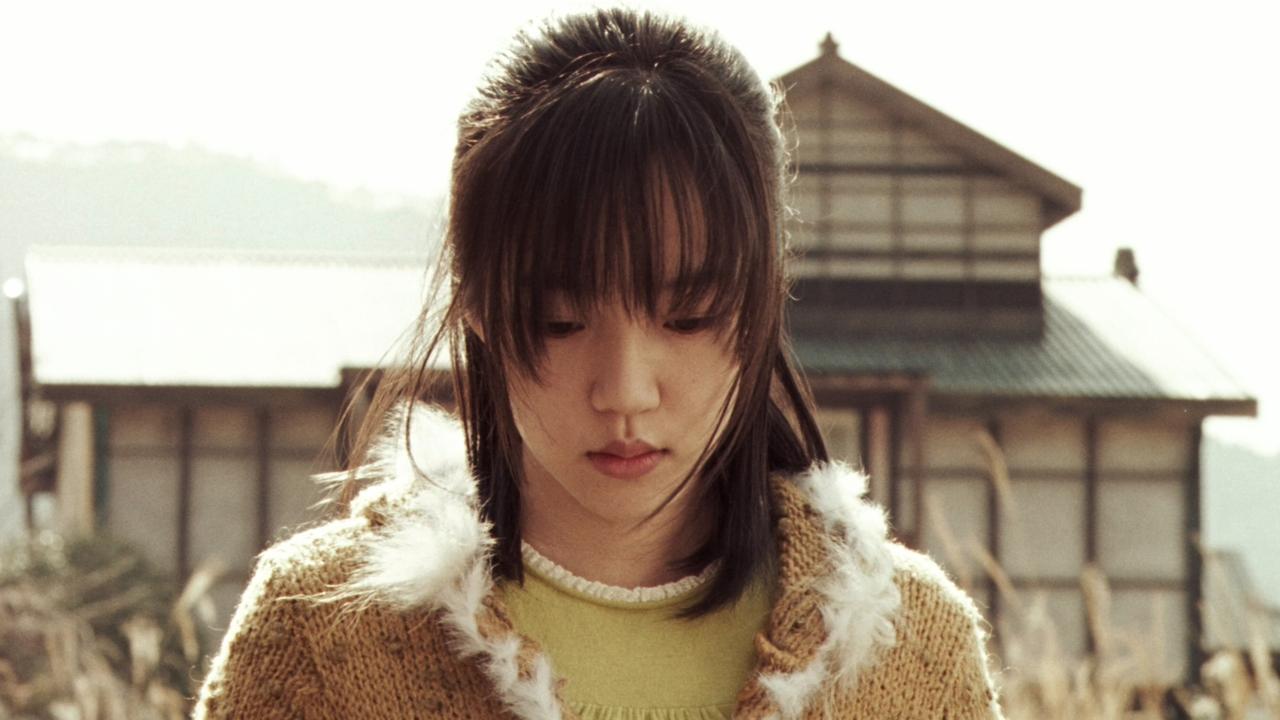
Most horror movies try to make you look away; A Tale of Two Sisters (2003) makes you want to stare until your eyes bleed from the sheer detail of it all. It’s the kind of film where the wallpaper is as much of a character as the grieving teenagers—a dizzying, oppressive floral pattern that feels like it’s slowly strangling everyone in the frame. I remember watching this on a dusty CRT television while eating lukewarm instant noodles, and the flickering screen actually made the ghosts look more real, blending into the scan lines like they were trying to crawl out of the glass.
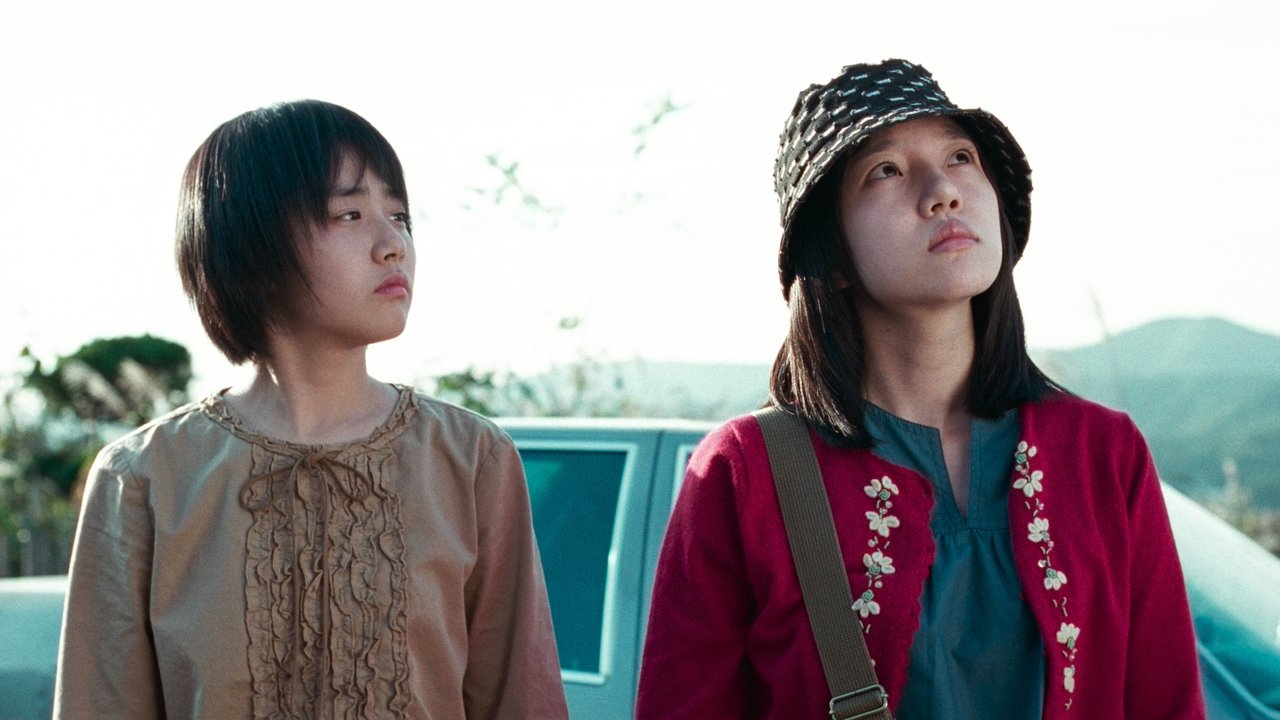
Released during the absolute zenith of the "K-Horror" and "J-Horror" explosion, director Kim Jee-woon (who later gave us the brutal I Saw the Devil) didn't just want to scare us; he wanted to break our hearts and then rearrange the pieces into something unrecognizable. While the West was busy with the grimy, industrial aesthetics of Saw, the East was perfecting this brand of "Gothic Floral" dread.
A House Built on Glass and Grief
The story is ostensibly simple: two sisters, Su-mi (Lim Soo-jung) and Su-yeon (Moon Geun-young), return home from a stay in a mental institution. They are greeted by a cold father and a stepmother, Eun-joo (Yum Jung-ah), who is practically vibrating with passive-aggressive hostility. From the jump, the house feels wrong. It’s too beautiful, too staged.
Kim Jee-woon uses the architecture of the home to create a psychological labyrinth. There are shadows that shouldn't be there and floorboards that groan under the weight of secrets rather than footsteps. Looking back, this film was a pinnacle of the "DVD discovery" era. This was the crown jewel of the Tartan Asia Extreme label—those silver-bordered DVDs we used to hoard like sacred relics. The special features on those discs revealed just how much thought went into the color theory here; the clashing reds and greens aren't just for Christmas, they’re meant to keep your brain in a constant state of low-level alarm.
Performances That Cut Like Straight Razors
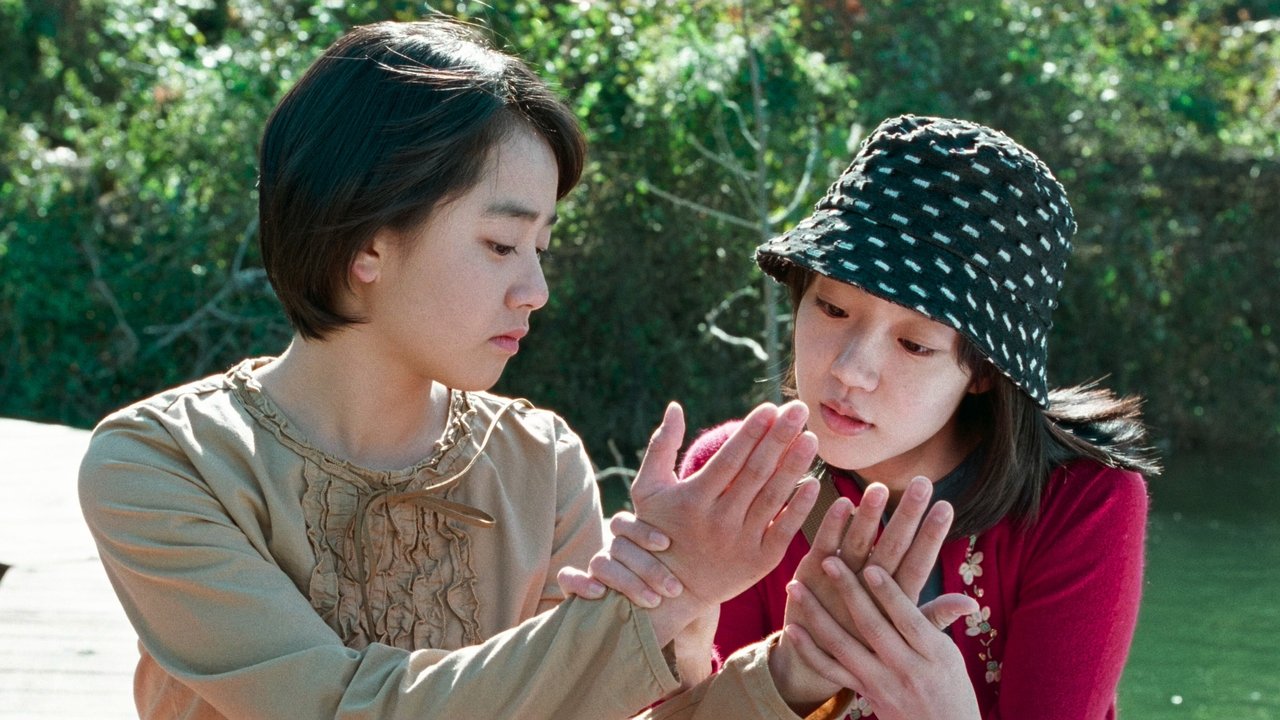
The acting here is what elevates this from a standard ghost story to a tragic opera. Lim Soo-jung carries the weight of the world on her shoulders as the protective older sister, but it’s Yum Jung-ah as the stepmother who steals every scene she’s in. She plays the role with a brittle, glass-like intensity that makes you feel like she might shatter—or stab you—at any moment. Her performance is "gaslight-gate" before it was a meme, a masterclass in making a character feel dangerous simply by how she sits at a dinner table.
The chemistry between the two sisters is the emotional anchor. Without that genuine bond, the third-act revelations wouldn't land with such a sickening thud. I’ve always felt that the best horror movies are actually just tragedies with a high body count or a supernatural guest, and this film proves it. It deals with the aftermath of trauma in a way that feels uncomfortably intimate, even when the ghosts are literally crawling out of the kitchen sink.
The Art of the Slow-Burn Scare
Let’s talk about the "scares." If you’re looking for a jump-scare every ten minutes, you’re in the wrong house. A Tale of Two Sisters operates on a frequency of sustained unease. It’s the "less is more" approach that defined the early 2000s Asian horror scene before Hollywood remakes (like the pale imitation The Uninvited) tried to explain everything away with clunky dialogue.
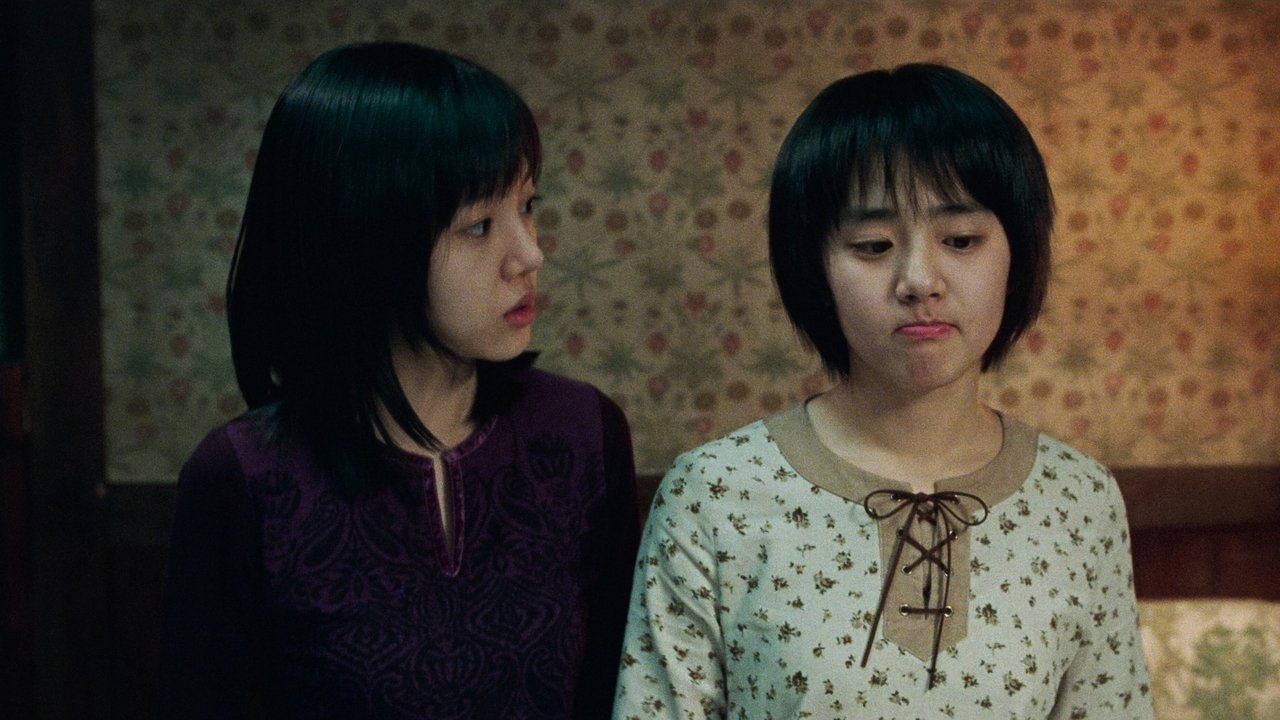
Apparently, during production, the cast and crew were genuinely spooked by the set. There’s a particular scene involving a ghost in the kitchen that still makes me check under my own sink two decades later. It’s not about the "monster" design—though it’s creepy—it’s about the timing. Kim Jee-woon understands that silence is a much louder weapon than a violin screech. The score by Lee Byung-woo is equally vital; that recurring waltz is beautiful and lonely, perfectly capturing the sisters' isolation.
Looking back at the budget of $15 million, it’s clear where that money went. Every frame looks like a painting you’d find in a haunted gallery. While the box office numbers in the West were modest, its legacy is massive. It proved that horror didn't need to be ugly to be terrifying. It could be lush, colorful, and impeccably dressed, and still leave you feeling like you need a long, hot shower to wash off the dread.
This isn't just a movie; it’s a mood that lingers in your house long after you’ve turned off the TV. It’s a reminder of a time when horror felt like it was evolving into a high-art form, blending psychological depth with visual splendor. If you haven't seen it, find the best screen possible, turn off the lights, and prepare to be devastated. Just don't blame me if you start rethinking your choice of floral wallpaper afterward.
Keep Exploring...
-
A Bittersweet Life
2005
-
Inland Empire
2006
-

Jacob's Ladder
1990
-
I Saw the Devil
2010
-

The Gift
2000
-
The Mothman Prophecies
2002
-
Arlington Road
1999
-
Infernal Affairs
2002
-
Caché
2005
-
Tell No One
2006
-
Twin Peaks: Fire Walk with Me
1992
-
What Lies Beneath
2000
-
The Skin I Live In
2011
-
Mother
2009
-
Thirst
2009
-
I'm Not Scared
2003
-
The Devil's Advocate
1997
-
Glengarry Glen Ross
1992
-
Batman: Mask of the Phantasm
1993
-

In the Mouth of Madness
1995