Anger Management
"The doctor is in... your personal space."
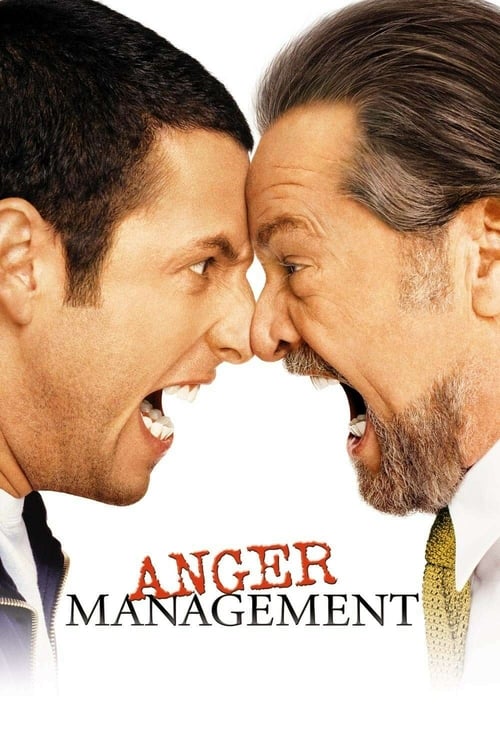
The sight of Jack Nicholson’s arched eyebrows peering over a pair of spectacles while he hums "I Feel Pretty" is an image that has no right to be as effective as it is. In 2003, Anger Management felt like a strange collision of two very different Hollywood solar systems. On one side, you had Adam Sandler, the undisputed heavyweight champion of the "arrested development" comedy; on the other, you had Nicholson, the three-time Oscar winner who had spent decades perfecting the art of the charmingly dangerous madman. Putting them together was either a stroke of genius or a recipe for a $75 million ego-clash.
I rewatched this recently while trying to ignore the fact that my neighbor was loudly power-washing his driveway at 7:00 AM, and honestly, the film’s central premise—a man being driven to the brink of insanity by "help"—never felt more relatable.
The Art of the Slow Burn
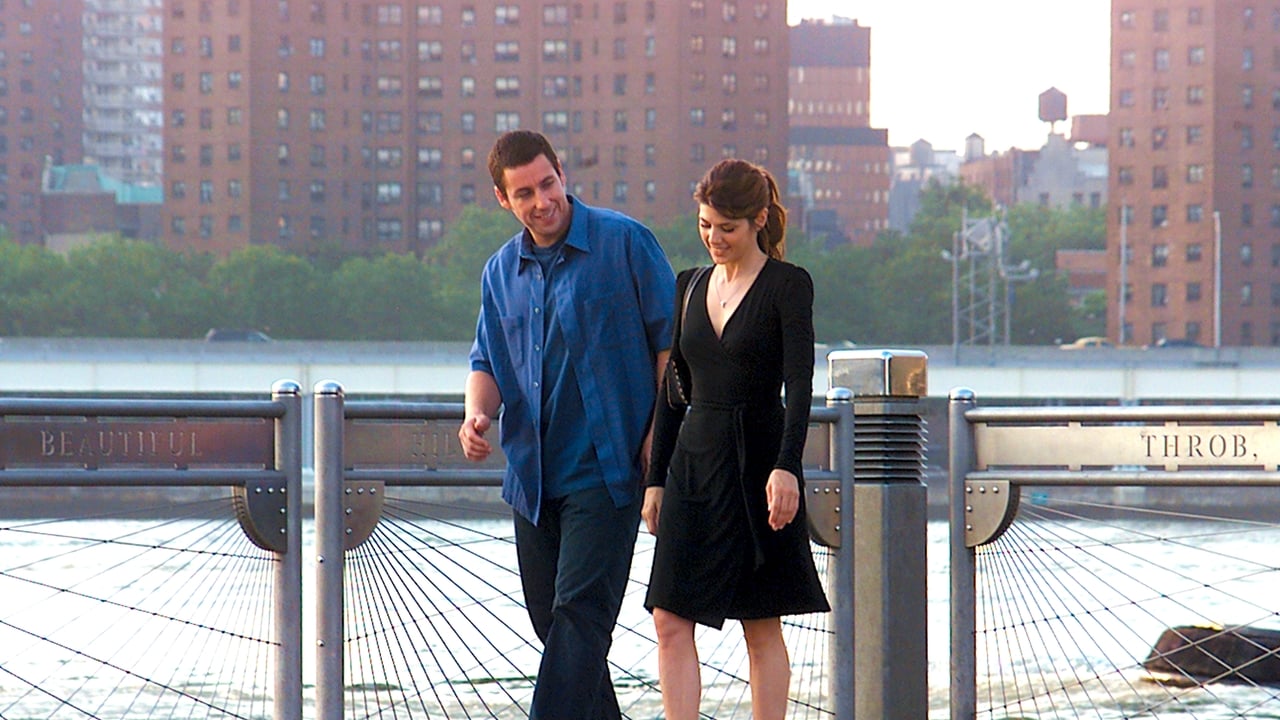
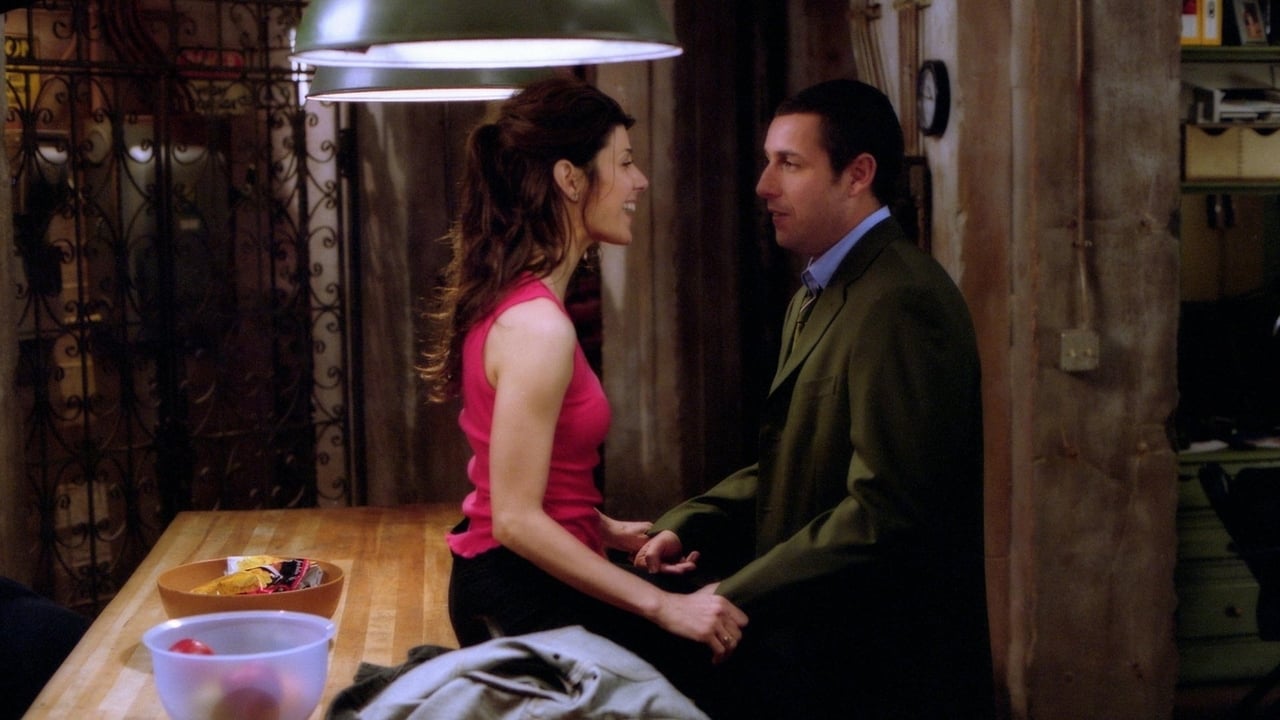
Anger Management arrived at a fascinating crossroads for Adam Sandler. He was coming off the back of Punch-Drunk Love (2002), where Paul Thomas Anderson had finally shown the world that Sandler’s trademark screen rage was actually a deeply sad, cinematic tool. Anger Management takes that bottled-up energy and plays it for laughs, casting him as Dave Buznik, a man so timid he can’t even kiss his girlfriend, Marisa Tomei, in public.
The comedy doesn't come from Sandler exploding; it comes from his desperate, sweating attempts not to explode. The airplane scene that kicks off the plot is a perfect time capsule of post-9/11 anxiety. What starts as a simple request for a headset spirals into a "security threat" because of a misunderstanding. Looking back, the movie is secretly a gaslighting horror film masquerading as a buddy comedy. We watch Dave get systematically dismantled by the legal system and then by Jack Nicholson’s Dr. Buddy Rydell, a therapist who seems to have graduated from the school of "Mental Health via Psychological Warfare."
Nicholson’s Chaotic Neutral
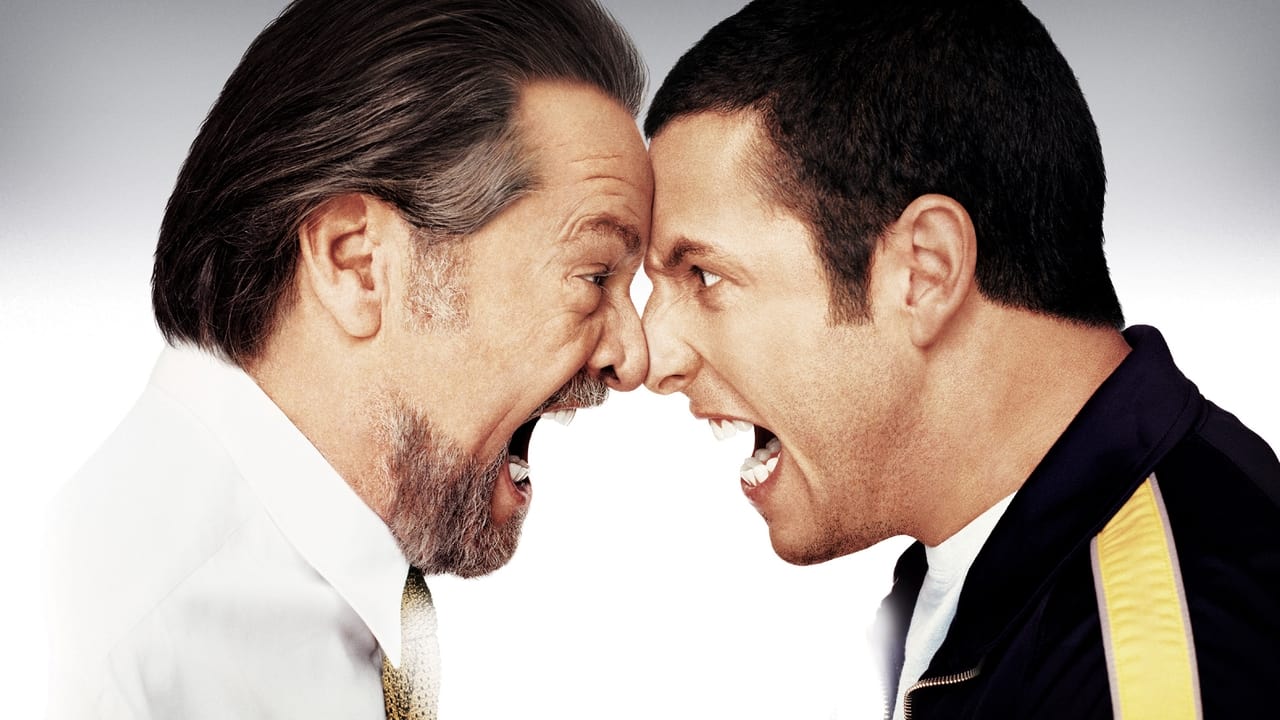
This is arguably the last time we saw Nicholson truly having a blast on screen before his eventual retirement. He isn't phoning it in; he’s leaning into the absurdity. As Buddy Rydell moves into Dave’s apartment, sleeps in his bed, and forces him to stop his car in the middle of the Queensboro Bridge to sing show tunes, you start to wonder if Buddy is a genius or just a high-functioning sociopath.
The chemistry works because Nicholson is one of the few actors with enough gravitas to make Sandler look small. Usually, Sandler is the loudest person in the room. Here, he’s the straight man, and his frustration feels genuine. The supporting cast is a "who’s who" of 2000s character actors, with Luis Guzmán and an uncredited John Turturro providing some of the film's biggest laughs as fellow members of the anger management group. Even Woody Harrelson shows up in a role that is so spectacularly weird it almost hijacks the entire second act.
Why It Holds Up (And Why It Doesn't)
Structurally, the film is a product of its time. It has that early-2000s glossy sheen, a soundtrack that leans heavily on Teddy Castellucci's jaunty score, and a plot that relies on a "twist" ending that you can see coming from a mile away if you’re paying attention. Some of the humor is undeniably dated—there are a few "of the era" jokes that feel a bit lazy today—but the core dynamic between the two leads remains rock solid.
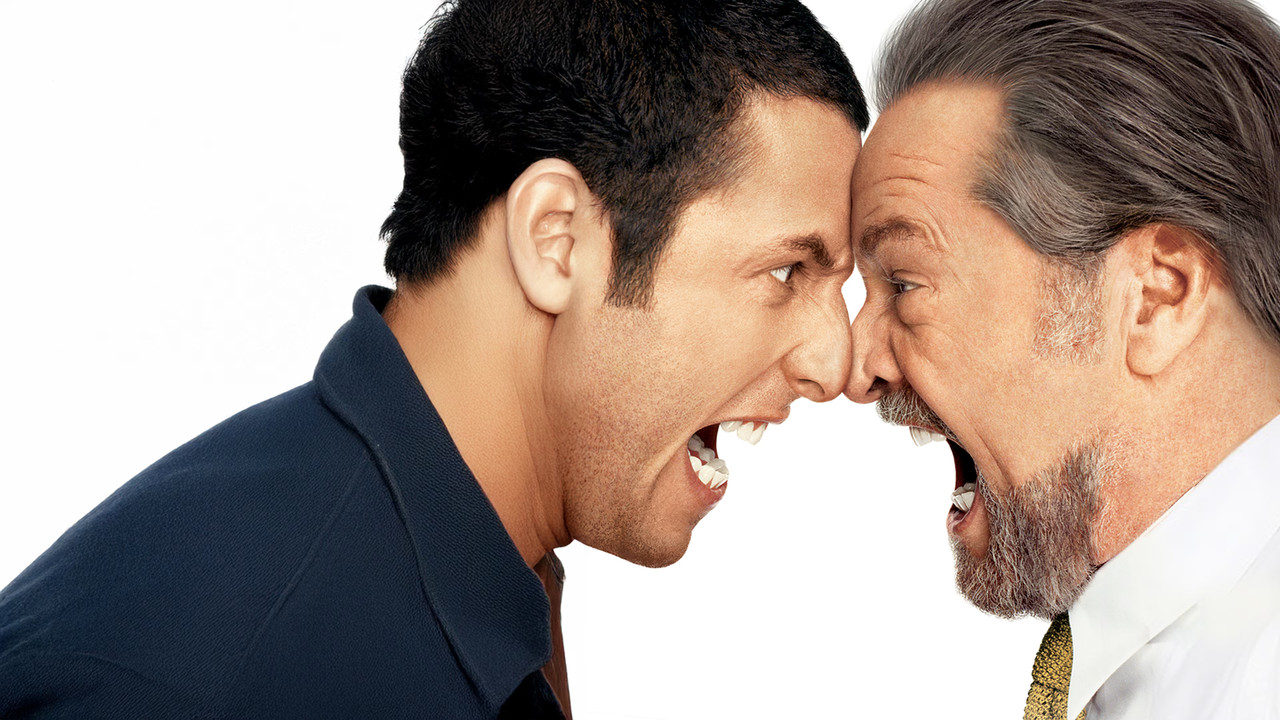
What’s most interesting about looking back at Anger Management is how it captures the transition from the crude slapstick of the 90s to the more conceptual comedies of the late 2000s. It’s a high-concept premise that actually sticks to its guns. It doesn't just give us a few scenes of therapy; it commits to the nightmare of Buddy Rydell’s presence.
Apparently, the production actually shut down the Queensboro Bridge for the "I Feel Pretty" sequence, which is a level of practical location shooting we rarely see in modern mid-budget comedies, which would now just green-screen the whole thing. That tangible sense of New York City adds a layer of reality to the absurdity that helps ground the film.
Ultimately, Anger Management is a movie about the catharsis of finally letting go. It’s not a deep philosophical treatise on the human psyche, but it is a masterclass in comedic pairing. I enjoyed it significantly more this time around than I did on a grainy VHS in my cousin's basement. It’s the kind of comfort food cinema that reminds you why Adam Sandler became a mogul and why Jack Nicholson will always be the GOAT of the grin.
The film serves as a reminder of a time when comedies were allowed to be slightly mean-spirited as long as they ended with a hug. It’s a brisk, frequently hilarious ride that succeeds almost entirely on the charisma of its two stars. If you’ve ever felt like the world was intentionally trying to annoy you, this is your cinematic support group. Just don’t ask for the headphones on the plane.
Keep Exploring...
-

50 First Dates
2004
-
The Longest Yard
2005
-
Get Smart
2008
-
I Now Pronounce You Chuck & Larry
2007
-
Punch-Drunk Love
2002
-

Click
2006
-
Bedtime Stories
2008
-
You Don't Mess with the Zohan
2008
-
Big Daddy
1999
-
Happy Gilmore
1996
-
Mr. Deeds
2002
-

Just Go with It
2011
-
That's My Boy
2012
-
Naked Gun 33⅓: The Final Insult
1994
-
Tommy Boy
1995
-

Lemony Snicket's A Series of Unfortunate Events
2004
-
Grudge Match
2013
-
The Waterboy
1998
-
The Wedding Singer
1998
-
Little Nicky
2000