Barbie of Swan Lake
"Glitter, Tchaikovsky, and the voice of Frasier Crane."
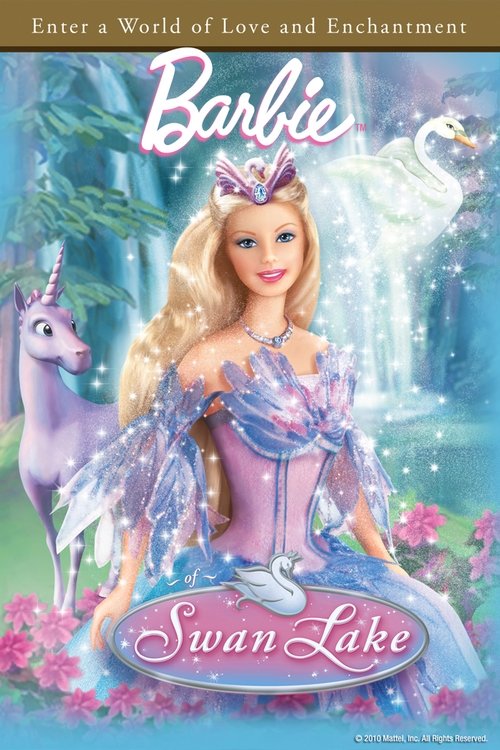
In 2003, the cinematic landscape was a strange, transitional playground. While The Lord of the Rings: The Return of the King was preparing to sweep the Oscars with its high-fidelity Weta Digital wizardry, a different kind of digital revolution was quietly conquering living rooms across the globe. Mattel had realized that they didn’t just need to sell dolls; they needed to sell a cinematic universe. Barbie of Swan Lake arrived right as the DVD market was exploding, turning every suburban playroom into a miniature movie theater. Looking back, it’s a fascinating artifact of a time when CGI was finally affordable enough to be "good enough" for direct-to-video, yet still clunky enough to feel like a surrealist experiment.
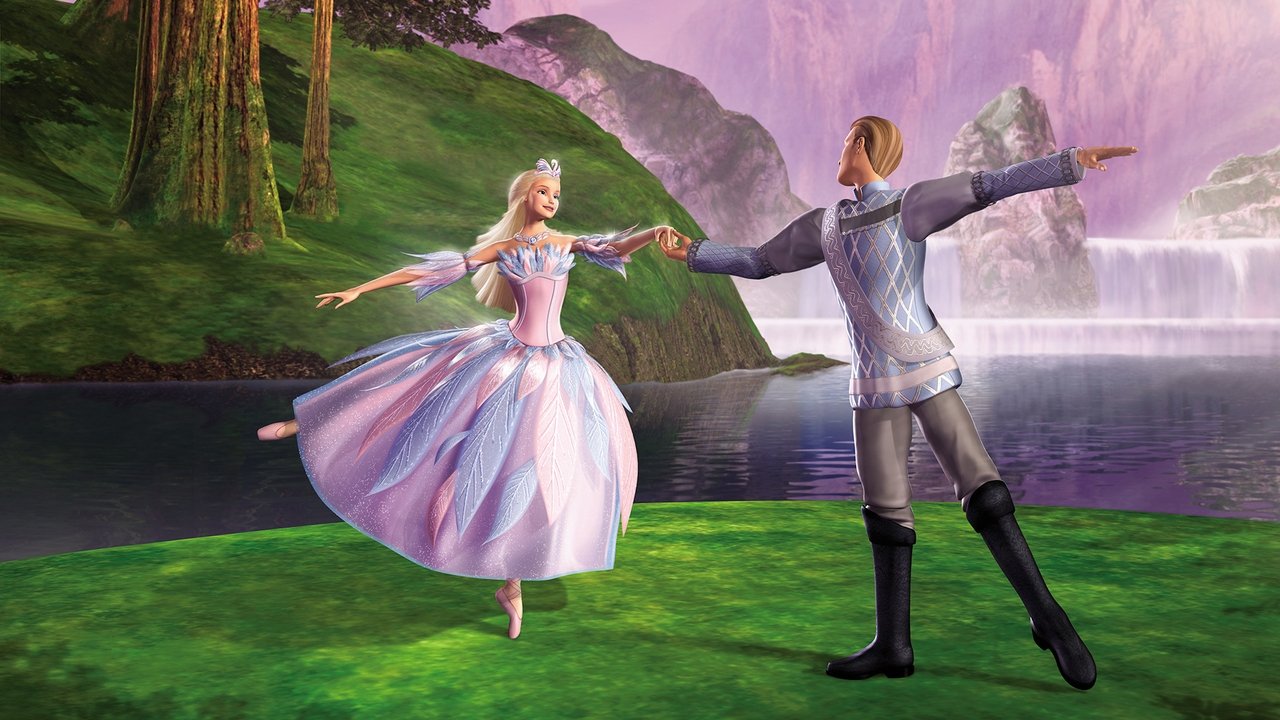
The Digital Dollhouse Aesthetic
Watching Barbie of Swan Lake today is an exercise in appreciating ambition over hardware. Produced by Mainframe Entertainment—the same studio that gave us the blocky wonders of ReBoot—the film leans heavily into the early 2000s "everything is plastic" aesthetic. There is a specific, eerie sheen to the characters' skin that makes them look perpetually moist, and the way the foliage in the Enchanted Forest repeats its patterns feels like a precursor to the "liminal spaces" aesthetic popular on the internet today. It looks like a fever dream sponsored by a glitter factory, but that’s part of its odd, retrospective charm.
I watched this on a laptop with a dying battery while my cat tried to eat my shoelaces, and even on a small screen, the color palette is aggressively vibrant. This was the era of the "saturated" DVD, where colors were pumped up to prove that digital was superior to the "drab" look of VHS. The film doesn't just use purple; it weaponizes it. Yet, within this neon world, there’s a genuine attempt at cinematic framing. Director Owen Hurley uses sweeping camera movements that wouldn't be out of place in a live-action epic, attempting to give the story of Odette a scale that the software wasn't quite ready to support.
The Voice Talent Heavyweights
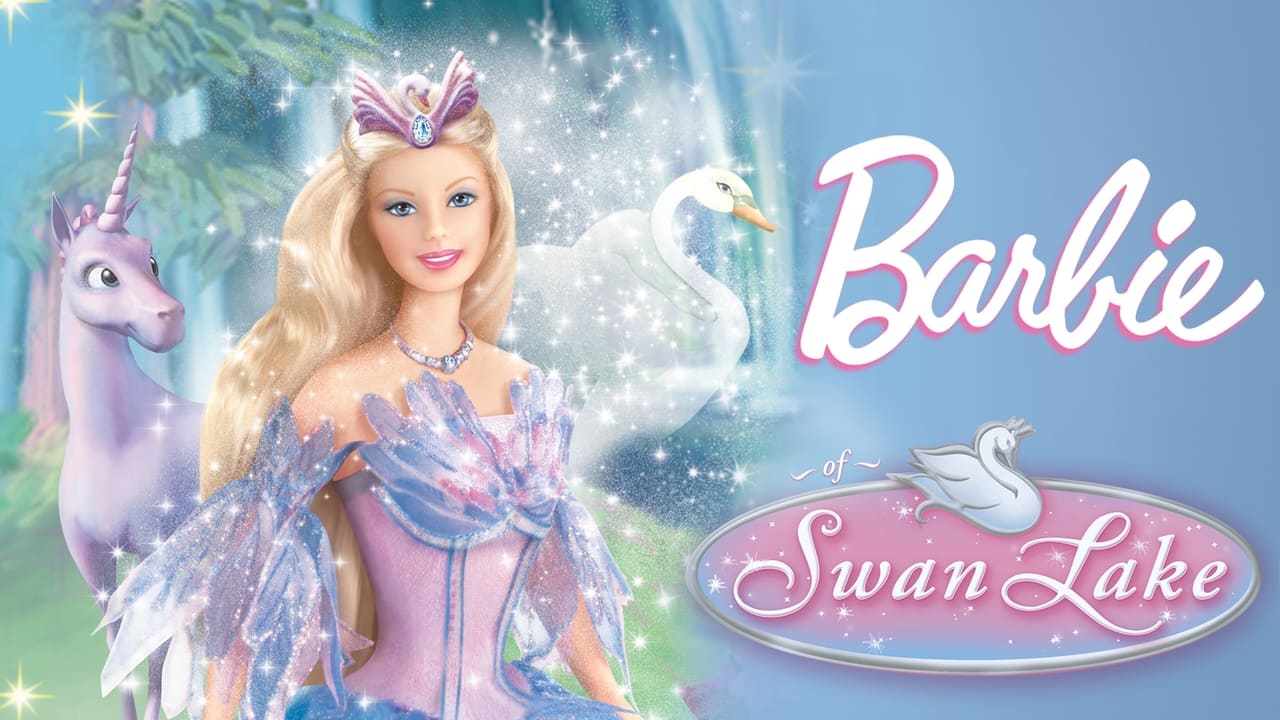
What truly elevates this film above its toy-aisle origins is the casting. The producers clearly understood that if the visuals were going to be a bit stiff, the voices needed to do the heavy lifting. Kelly Sheridan provides the voice of Odette, and for a generation of viewers, she is the definitive Barbie. She brings a grounded, gentle sincerity to a character who spends half the movie as a waterfowl. But the real scene-stealer is Kelsey Grammer as the villainous Rothbart.
There is something inherently hilarious and surprisingly effective about hearing the voice of Frasier Crane threaten to turn everyone into small forest creatures. Kelsey Grammer treats the role with a theatrical gravity that borders on Shakespearean, chewing the digital scenery with every line. He is perfectly balanced by Maggie Wheeler (immortalized as Janice on Friends) as his daughter, Odile. Her performance is high-pitched, bratty, and delightfully annoying—a perfect foil to Grammer’s booming baritone. These performances provide a "performance nuance" that the stiff-jointed character models can't achieve, creating an emotional bridge that helps the audience ignore the fact that the Prince Daniel character looks like a sentient Ken doll with a severe case of "resting doll face."
A High-Low Cultural Collision
The most impressive "behind-the-scenes" flex of the film is undoubtedly the music. In a move that feels surprisingly sophisticated for a children's movie, Mattel commissioned the London Symphony Orchestra to perform Tchaikovsky’s iconic score. The juxtaposition of world-class classical music with early-2000s mo-cap animation is one of the film's most enduring quirks. It gives the "drama" an unearned but welcome weight.
To handle the dance sequences, the production used motion capture featuring members of the New York City Ballet. While the technology of 2003 couldn't quite capture the fluid grace of a professional dancer—often resulting in movements that look a bit like the characters are gliding on invisible ice skates—the effort is visible. This wasn't a cheap cash-in; it was a high-effort attempt to bring classical art to a demographic that usually only cares about plastic shoes. This was a time when DVD special features were a major selling point, and the "The Making of Barbie of Swan Lake" segment was a staple for kids, showing the mo-cap suits and explaining the ballet, effectively democratizing high-brow culture through the medium of a toy brand.
The film is a relic of the Y2K transition, a bridge between the hand-drawn classics of the 90s and the hyper-realism of modern CGI. While the visuals are undeniably dated, the sincerity of the script and the excellence of the voice cast prevent it from being a mere footnote in history. It captures a specific moment when the DVD was king, and digital animation was just finding its legs—even if those legs were occasionally a little bit jittery. If you can look past the "uncanny valley" faces, there's a surprisingly sweet heart beating under the plastic.
Keep Exploring...
-

Barbie as Rapunzel
2002
-
Barbie in the Nutcracker
2001
-
Barbie as The Princess & the Pauper
2004
-

Barbie in the 12 Dancing Princesses
2006
-
Barbie and the Diamond Castle
2008
-

Fantasia 2000
2000
-
The Little Mermaid II: Return to the Sea
2000
-
Titan A.E.
2000
-
Jimmy Neutron: Boy Genius
2001
-
Osmosis Jones
2001
-
Cinderella II: Dreams Come True
2002
-
Joseph: King of Dreams
2002
-
Looney Tunes: Back in Action
2003
-
Jack-Jack Attack
2005
-
Kronk's New Groove
2005
-
Lilo & Stitch 2: Stitch Has a Glitch
2005
-
Tarzan II
2005
-
Bambi II
2006
-
Brother Bear 2
2006
-
Cinderella III: A Twist in Time
2007