Brother Bear
"A soul-swapping journey through the last age of ice."
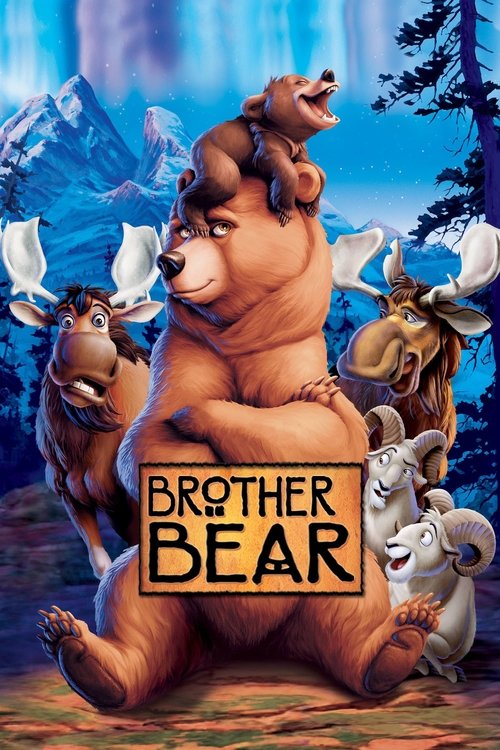
By 2003, the writing wasn’t just on the wall for hand-drawn animation—it was being scrubbed off by a digital squeegee. While the world was losing its collective mind over a clownfish named Nemo, Disney’s Florida studio was quietly churning out Brother Bear, a film that felt like a stubborn, beautiful refusal to let go of the 20th century. Looking back at it now, it occupies that strange, transitional "Post-Renaissance" era where the studio was experimenting with spiritual, weightier stories while still trying to figure out if they could out-Phil Collins their own Tarzan success.
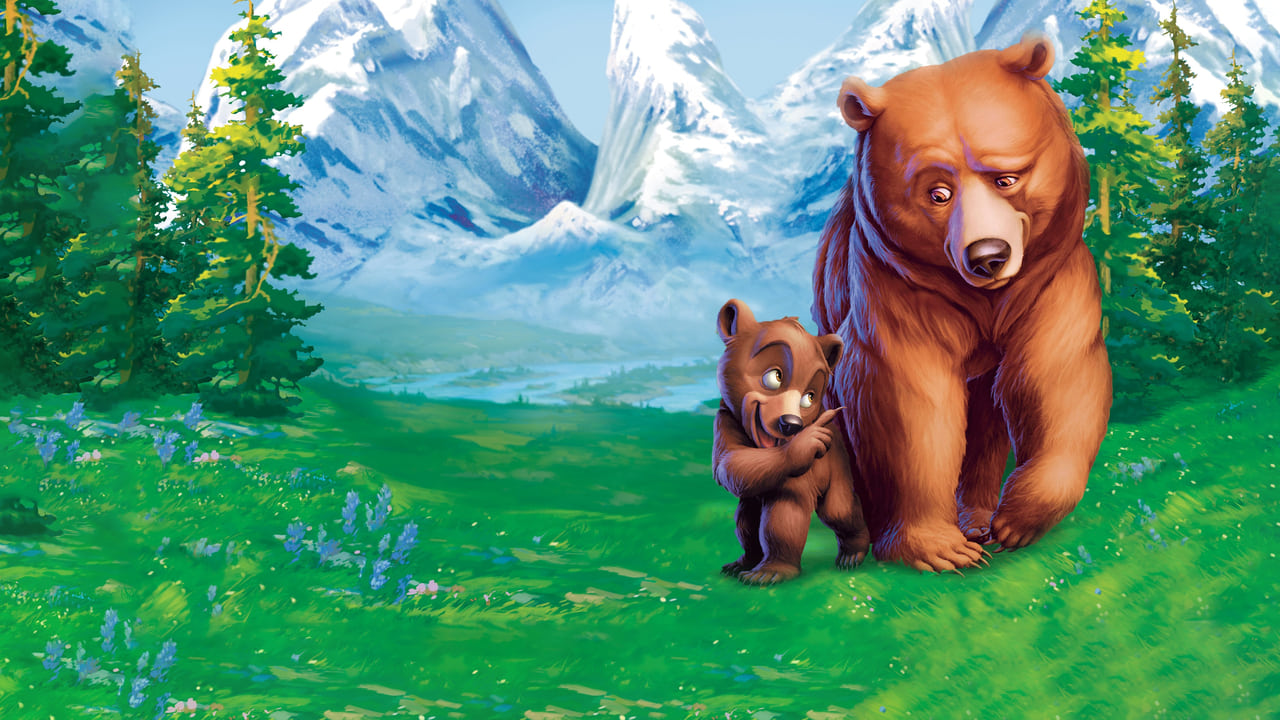
I watched this most recently on a Tuesday afternoon while eating a bowl of cereal that had gone slightly soggy because I got distracted by a phone call from my insurance agent. It’s exactly that kind of movie—a comfort-watch that doesn't demand your soul but offers enough warmth to make you forget the mundane annoyances of adulthood for 85 minutes.
A Visual Spiritual Shift
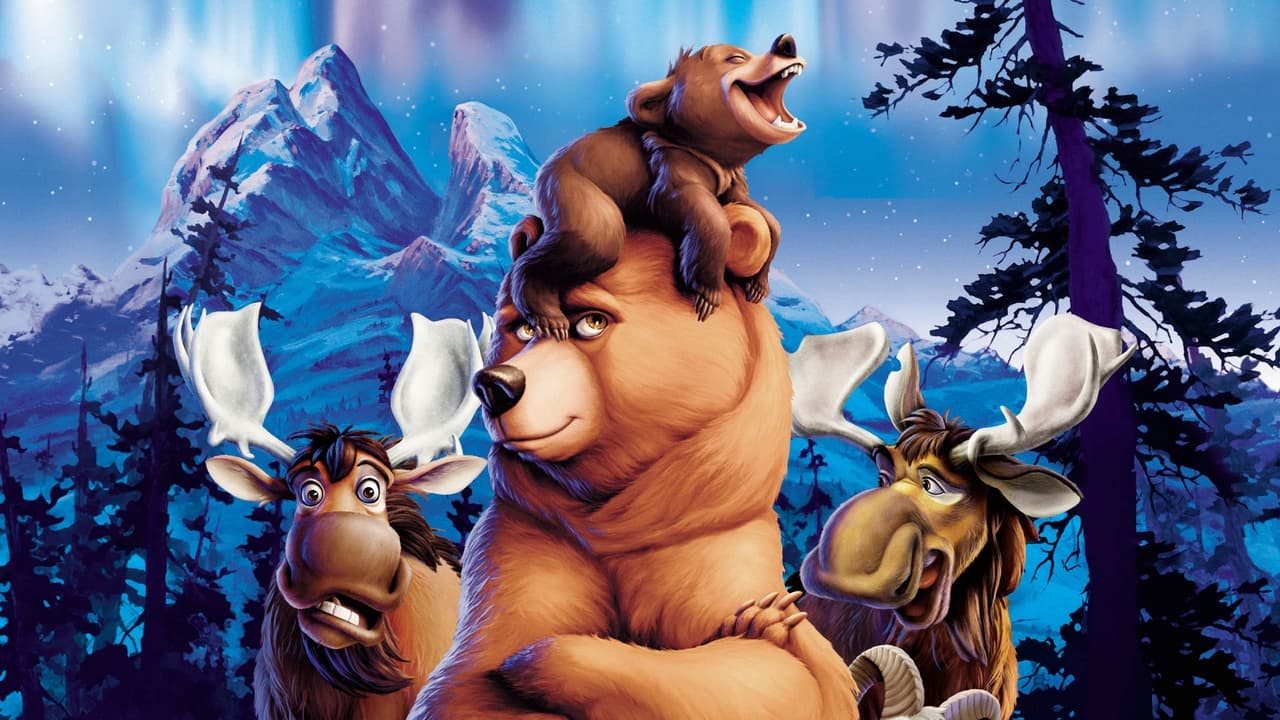
The first thing that hits you about Brother Bear isn't the story, but the sheer ambition of its presentation. The film pulls off a technical trick that I didn’t fully appreciate until I saw it on a widescreen TV years later. For the first twenty minutes, the movie is presented in a cramped 1.75:1 aspect ratio with a muted, earthy color palette. It feels small, reflecting Kenai’s narrow, prejudiced view of the world. But the second Kenai transforms into a bear, the screen literally expands into a glorious 2.35:1 anamorphic widescreen, and the colors explode into neon vibrance.
It’s one of those early-2000s creative flexes that digital animation just can’t replicate with the same soul. The backgrounds were heavily inspired by the landscape paintings of Albert Bierstadt, and it shows. There’s a painterly, sweeping majesty to the Alaskan wilderness here that makes you want to go outside and hike, right up until you remember that real bears don't have the voice of Joaquin Phoenix and will actually eat you. This was the era where Disney was trying to marry traditional ink-and-paint aesthetics with the scope of a David Lean epic, and even if the script doesn't always reach those heights, the visuals absolutely do.
The Phoenix and the Cub
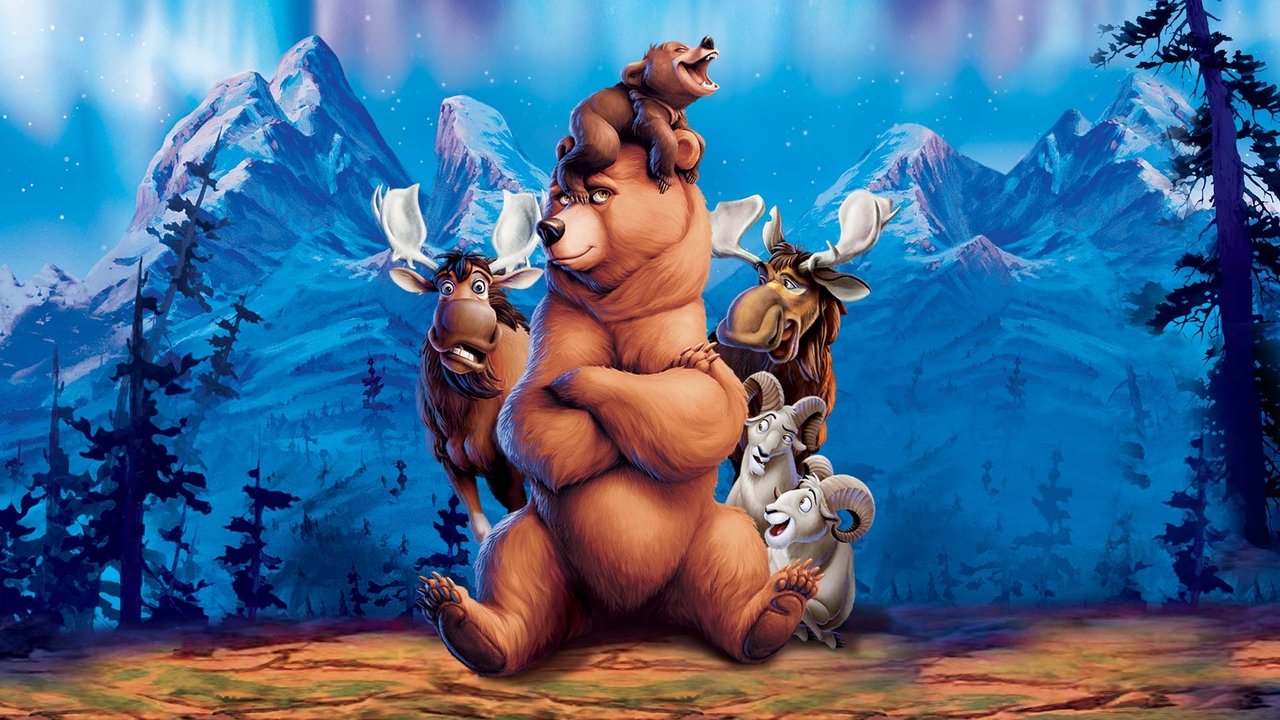
Speaking of Joaquin Phoenix, it is still wild to me that the man who would eventually play the Joker and Napoleon spent 2003 arguing with a cartoon cub about pinecones. He brings a genuine, simmering anger to Kenai that makes his eventual redemption feel earned rather than forced. His chemistry with Jeremy Suarez, who plays the chatty cub Koda, is the heartbeat of the film. Apparently, the directors had the two actors record their lines together in the same booth—a rarity in animation—to encourage improvisation. You can hear it in their bickering; it doesn't sound like scripted dialogue, it sounds like a teenager who is perpetually annoyed by his younger brother.
Then, of course, we have the moose. Rick Moranis and Dave Thomas essentially brought their "Bob and Doug McKenzie" personas from SCTV into the Alaskan tundra, and honestly, the moose are the only reason this movie doesn't collapse under its own sincerity. They provide the necessary "knowing chuckle" that the Popcornizer crowd appreciates. In an era where Disney was terrified of being too "kiddy" but also too "serious," Rutt and Tuke were the perfect bridge. It’s bittersweet seeing Rick Moranis here, knowing this was one of his last major roles before his long hiatus from the screen.
The Phil Collins Conundrum
We have to talk about the music. By 2003, "Phil Collins fatigue" was a real clinical diagnosis in some parts of the world. After the massive success of Tarzan, Disney leaned hard into the idea of Phil as the musical narrator of the human (and ursine) condition. While "Great Spirits" (sung by the legendary Tina Turner) is a genuine banger, some of the other tracks feel like they were ripped directly from a '90s adult contemporary radio station and forced into a cave painting.
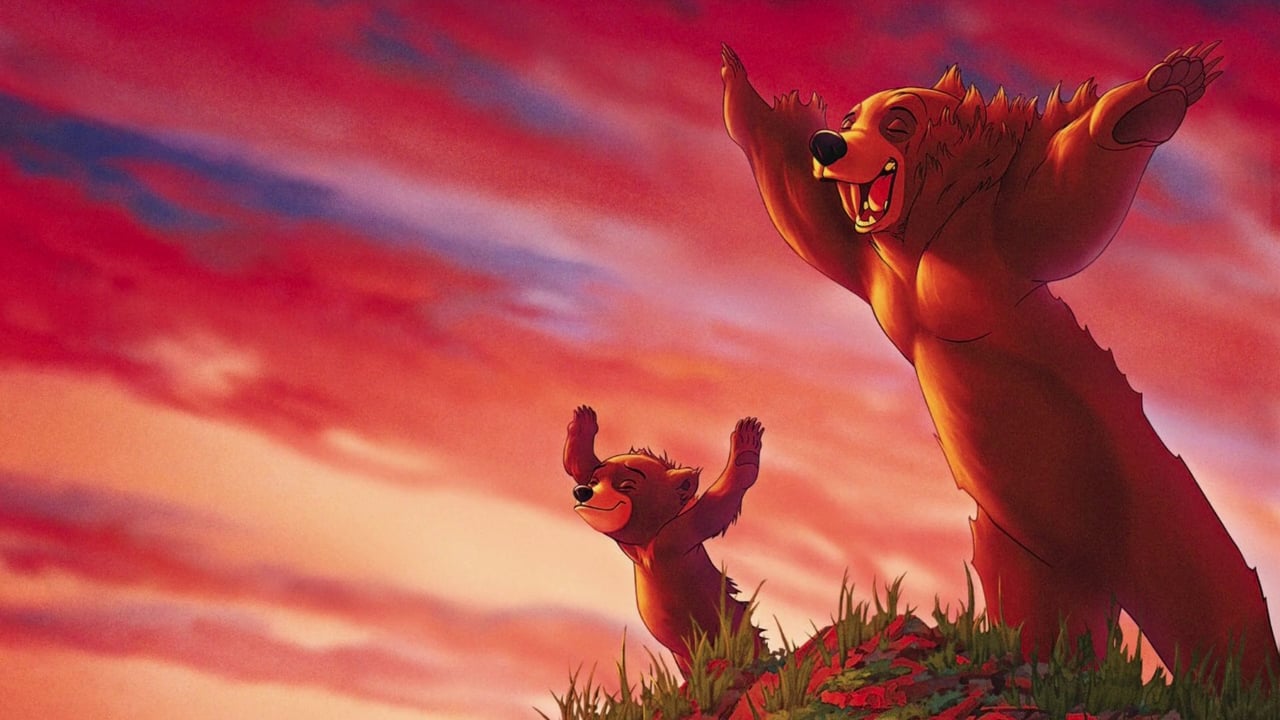
It’s not that the music is bad—Phil Collins is a master of the melodic hook—but it anchors the film very specifically in its 2003 release window. It lacks the timeless, theatrical quality of the Menken/Ashman era. Interestingly, Phil actually recorded the film’s songs in various languages himself, including Italian, German, Spanish, and Japanese. That’s the kind of work ethic you have to respect, even if you find yourself wanting to tell the soundtrack to "take it down a notch" during the emotional climax.
Looking back, Brother Bear was a victim of timing. It arrived just as the 2D ship was sinking and the "Shrek-style" irony was becoming the industry standard. It’s a sincere, slightly messy adventure about empathy that doesn't feel the need to wink at the camera every five seconds. It’s the kind of film that rewards a re-watch, especially if you’re looking for those hidden production details, like the fact that the animators spent weeks studying bear movements only to realize that a "realistic" bear is actually quite terrifying and doesn't look great when trying to express "brotherly love."
Brother Bear is a beautiful, flawed relic from a time when Disney was trying to find its new identity. It doesn't quite reach the heights of the 90s classics, but it has more heart in its pinky toe (or paw) than most of the CGI sequels that followed it. If you can handle the heavy-handed Phil Collins transitions, you’ll find a visually stunning adventure that actually has something to say about seeing the world through someone else's eyes. It's a journey worth taking, even if just for the scenery and the moose.

Keep Exploring...
-
Brother Bear 2
2006
-
Atlantis: The Lost Empire
2001
-
Tarzan
1999
-
Dinosaur
2000
-

The Emperor's New Groove
2000
-
The Road to El Dorado
2000
-
Spirit: Stallion of the Cimarron
2002
-
Treasure Planet
2002
-

Sinbad: Legend of the Seven Seas
2003
-

The Polar Express
2004
-

Flushed Away
2006
-
Meet the Robinsons
2007
-

Bolt
2008
-

Open Season
2006
-
The Lion King II: Simba's Pride
1998
-
The Lion King 1½
2004
-
Arthur and the Invisibles
2006
-
Anastasia
1997
-
Hercules
1997
-
Tangled
2010