Cabin Fever
"Panic is more infectious than any virus."
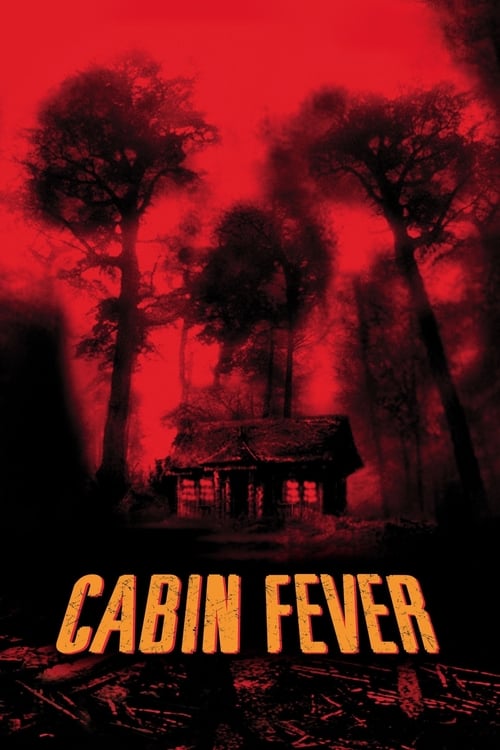
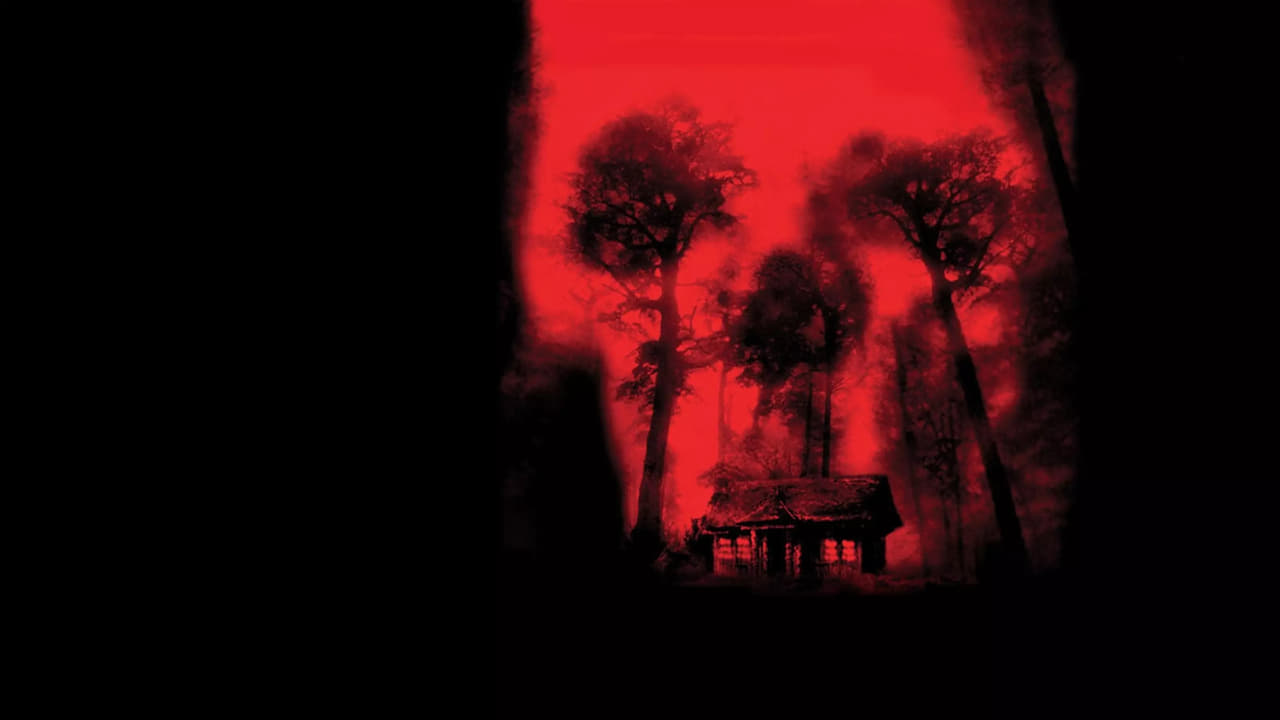
Before the "torture porn" wave of the mid-2000s turned the genre into a contest of endurance, a scruffy, low-budget indie crawled out of the Toronto International Film Festival with a ringing endorsement from David Lynch. That film was Cabin Fever, the directorial debut of Eli Roth, and looking back at it now, it feels like the definitive bridge between the self-aware irony of the 90s and the grim, practical-effects-heavy brutality that would soon dominate the decade. It’s a movie that doesn't just want to scare you; it wants to make you feel like you need a very long, very hot shower.
I watched this recently while eating a slightly-too-old tuna melt, and the lingering anxiety about the mayo's shelf life actually paired perfectly with the film’s relentless focus on biological betrayal. That’s the magic of Cabin Fever—it taps into that universal, itchy fear that your own body might suddenly decide to stop being your friend.
A Masterclass in "The Great Uncomfortable"
The setup is a well-worn trope: five college graduates head to a remote cabin to celebrate their freedom. We have the sensitive lead Paul (Rider Strong, shaking off his Boy Meets World image with varying degrees of success), the girl-next-door Karen (Jordan Ladd), the "wild card" Bert (James DeBello), the jock Jeff (Joey Kern), and the obligatory object of desire Marcy (Cerina Vincent). In a post-Scream world, these characters feel archetypal, but Eli Roth and co-writer Randy Pearlstein lean into their unlikability. By the thirty-minute mark, you aren't rooting for them to survive; you’re waiting to see who melts first.
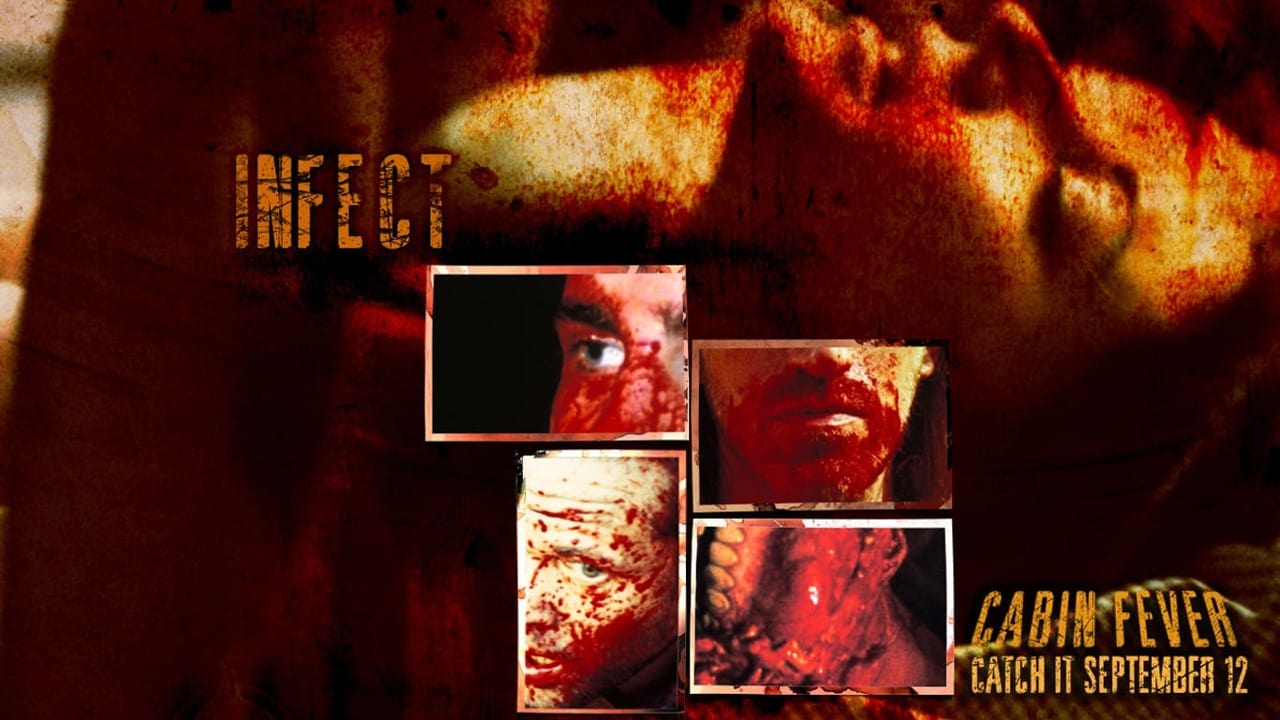
Unlike the slashers of the 80s, the "killer" here is a necrotizing fasciitis virus—a flesh-eating bacteria that turns a simple shave or a dip in the lake into a death sentence. The horror isn't just in the gore, though the makeup effects (helped by the legendary Howard Berger) are stomach-churning even by today’s standards. The real horror is the social disintegration. As soon as the virus enters the cabin, the friendship evaporates. It becomes a game of "who’s infected?" and the resulting paranoia is far more lethal than the germs.
Practical Magic in a Digital Dawn
Released in 2003, Cabin Fever arrived just as Hollywood was becoming obsessed with clean, weightless CGI. This film was a defiant middle finger to that trend. It’s a messy, wet, tactile movie. When a character’s leg begins to disintegrate during a bathtub scene, it’s a masterclass in practical makeup that holds up significantly better than the digital effects in much bigger blockbusters from the same year.
The film's production is the stuff of indie legend. Eli Roth supposedly developed the idea after contracting a horrific skin infection while working on a farm in Iceland—his skin literally started peeling off while he was shaving. He spent years pitching the script, being told it was too "gross" or "too 70s." He eventually cobbled together $1.5 million from private investors, shot it on 35mm to give it that grainy, retro texture, and sold it for $3.5 million after a frenzied bidding war at TIFF. This movie is a mean-spirited prank played on a $30 million budget's worth of audience expectations.
The sound design and score also deserve a shout-out. Having Angelo Badalamenti (the man behind the haunting music of Twin Peaks) provide the score was a stroke of genius. He brings an eerie, dreamlike quality to the woods that contrasts sharply with the frantic, disgusting reality of the virus. It makes the "Pancakes!" kid and the bizarre interactions with the locals (led by Giuseppe Andrews as the hilariously weird Deputy Winston) feel like they belong in a skewed, Lynchian nightmare.
The Legacy of the Itch
Is it a perfect film? Not by a long shot. The tonal shifts are violent—it swings from goofy slapstick to pitch-black nihilism so fast it might give you whiplash. Some of the acting is strictly "direct-to-video" quality, and the humor is very much a product of its time (the early 2000s obsession with "random" comedy is out in full force). However, that unevenness is part of its charm. It feels like a movie made by a guy who grew up obsessing over The Evil Dead and The Texas Chain Saw Massacre and wanted to throw every idea he ever had into one pot.
Looking back, Cabin Fever was the "calling card" movie that actually delivered. It launched Eli Roth as a horror brand, led to the Hostel franchise, and reminded a generation of filmmakers that you don't need a massive studio budget to make people squirm; you just need a bucket of fake blood and a very relatable fear of contaminated water. It’s a film that captured the post-9/11 anxiety of an invisible, unstoppable threat, wrapped it in a gross-out comedy, and served it with a side of "Pancakes!"
If you can stomach the "shaving the legs" scene—which remains one of the most effective bits of body horror in cinema history—Cabin Fever is a trip worth taking. It’s a reminder of a time when indie horror was gritty, unapologetic, and genuinely weird. Just maybe skip the snacks while you watch. Especially the tuna.
Keep Exploring...
-
Hostel
2006
-

Hostel: Part II
2007
-
The Green Inferno
2013
-
Session 9
2001
-
Open Water
2004
-

P2
2007
-

The Hole
2001
-
Wolf Creek
2005
-
Return of the Living Dead III
1993
-

Tremors 2: Aftershocks
1996
-
After.Life
2009
-
I Spit on Your Grave
2010
-
The Last Exorcism
2010
-

Red State
2011
-
V/H/S
2012
-
A Haunted House
2013
-
Dark Skies
2013
-
You're Next
2013
-
A Haunted House 2
2014
-
Unfriended
2014